

postpartum physical therapy
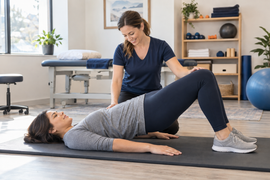
Returning to Exercise After a C-Section: Where Should You Start?
Posted by: in Pregnancy and Postpartum on September 18, 2026
Returning to exercise after a C-section can feel confusing. You may be eager to move your body again, but unsure what is safe. Your incision may look healed on the outside while the deeper tissues are still recovering. You may also notice weakness, pulling, numbness, pressure, leaking, back pain, or a general feeling that your… Read More
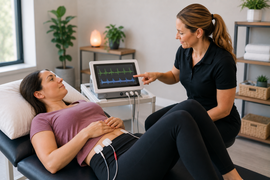
Pelvic Floor Biofeedback
Pelvic floor biofeedback is a tool used during pelvic floor physical therapy to help you better understand how your pelvic floor muscles are working. Pelvic floor muscles are different from muscles in your arms or legs. You cannot easily look at them while you exercise. Because of this, it can be difficult to know whether… Read More
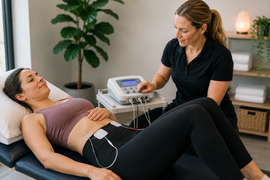
Pelvic Floor Electrical Stimulation
Electrical stimulation, often called e-stim, uses a controlled electrical current to stimulate targeted muscles or nerves. In pelvic floor rehabilitation, your physical therapist may use this technology as one part of a larger, individualized treatment program. Pelvic floor electrical stimulation is one tool that may be used during pelvic floor physical therapy to help certain… Read More
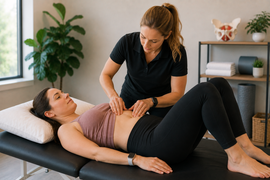
Diastasis Recti
Diastasis recti is a separation of the abdominal muscles that commonly develops during pregnancy as the abdomen expands to make room for a growing baby. The separation occurs along the Linea alba, the connective tissue running down the center of the abdomen between the two sides of the rectus abdominis muscles. After pregnancy, this tissue… Read More
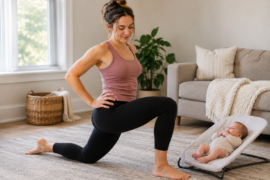
Cesarean Section Recovery
Cesarean section recovery involves healing from abdominal surgery while your body is also recovering from pregnancy and adjusting to caring for a newborn. Your abdominal wall, pelvic floor, hips, back, and surrounding muscles have all experienced significant changes, even if you did not deliver vaginally. In the early weeks, getting out of bed, standing from… Read More
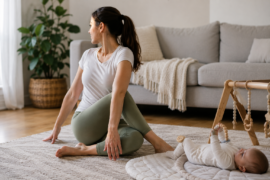
Recovery After Vaginal Birth
Recovery after vaginal birth is different for every person. Pregnancy and delivery place significant demands on the pelvic floor, abdominal muscles, hips, back, and surrounding tissues. After your baby arrives, these areas need time to heal while your body adjusts to an entirely new routine. You may experience soreness, pelvic pressure, weakness, urinary leakage, abdominal… Read More
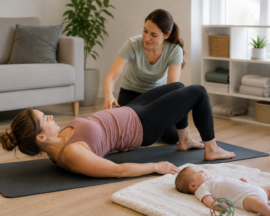
Postpartum Recovery
Postpartum recovery can look very different from one person to another. Pregnancy and birth place significant demands on the pelvic floor, abdominal muscles, hips, back, and surrounding tissues. After delivery, your body needs time to heal while also adjusting to feeding, lifting, carrying, walking, and caring for your baby. At Reform Physical Therapy, postpartum recovery… Read More
Pelvic Health Physical Therapy
Pelvic health concerns can affect people of all genders and may interfere with comfort, confidence, exercise, intimacy, bladder and bowel habits, pregnancy, postpartum recovery, and everyday movement. Although pelvic floor conditions are common, many people delay seeking care because they feel embarrassed, assume their symptoms are normal, or do not realize that pelvic health physical… Read More
What to Expect at Your First Pelvic Floor PT Appointment
Posted by: in Pelvic Floor Physical Therapy on February 16, 2026
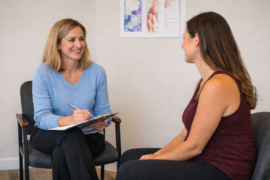
If you’ve scheduled your first pelvic floor physical therapy appointment, you may feel hopeful — but also a little uncertain. That’s completely understandable. Pelvic floor therapy is not something most women grow up learning about, and many patients walk into their first visit unsure of what will happen. If you’ve been wondering what to expect… Read More
The “Mom Shoulder” Fix: How to Prevent Pain from Carrying Car Seats
Posted by: in Injury Prevention, Injury Recovery on August 11, 2025
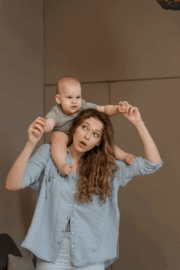
Shoulder Pain Isn’t Just a Gym Injury If you’re a parent of young kids, chances are your shoulder pain isn’t from lifting weights — it’s from lifting car seats. While parenting doesn’t come with a manual, it does come with repetitive motions that can lead to serious strain, especially on the shoulder, neck, and upper… Read More