


Headache Treatment
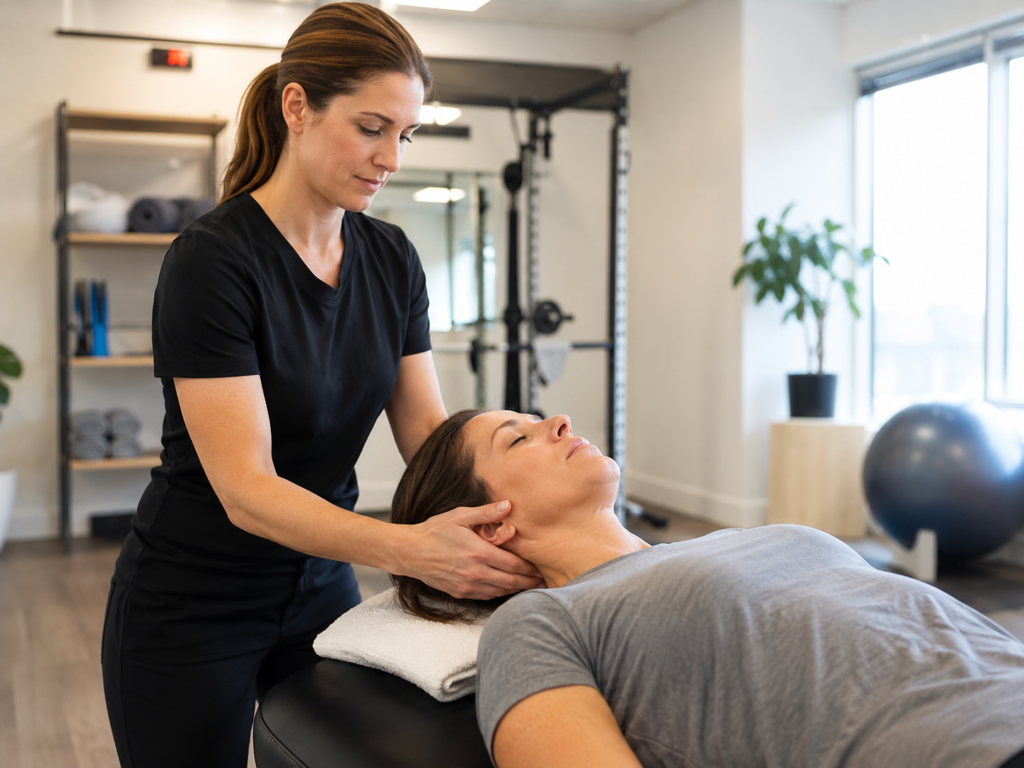
Headache treatment can help when recurring head pain, neck stiffness, muscle tension, poor posture, or jaw problems interfere with work, sleep, exercise, and everyday activities. Headaches can cause pressure, aching, throbbing, or sharp pain in different areas of the head and face. Some headaches are mild and pass quickly. Others return often, last for hours or days, or occur with nausea, dizziness, light sensitivity, sound sensitivity, or visual changes.
Headache is one of the most common forms of pain and a frequent reason people miss work or school or seek medical care. Because headaches have many possible causes, identifying the headache pattern is an important first step. At Reform Physical Therapy, we provide one-on-one headache treatment based on your symptoms, neck movement, posture, strength, muscle tension, jaw function, daily habits, and goals. Physical therapy may be especially helpful when headaches are connected to the neck, posture, muscle tension, jaw dysfunction, or a previous injury.
Patients can find additional neurological information about common pain conditions through the National Institute of Neurological Disorders and Stroke.
Understanding Headaches
A headache is pain or discomfort felt in the head, face, scalp, or upper neck. The pain may occur on one side, both sides, behind the eyes, around the temples, across the forehead, or near the back of the head. Headaches are divided into primary and secondary types. A primary headache is the condition itself. Migraine, tension-type headache, and cluster headache are examples. A secondary headache develops because of another condition, such as an infection, injury, medication reaction, blood-vessel problem, or another medical concern.
Physical therapists do not treat every cause of head pain. However, they can help identify movement, muscle, posture, neck, and jaw factors that may be contributing. They can also recognize warning signs that require medical evaluation.
Common Headache Symptoms
Headache symptoms vary based on the type and possible cause. Some people feel a dull pressure around the forehead or temples. Others describe throbbing pain on one side of the head. Pain may also begin near the upper neck and travel toward the back, side, or front of the head. Muscle-related headaches may occur with neck stiffness, shoulder tension, jaw soreness, or tenderness around the scalp. Migraine may occur with nausea, visual changes, and sensitivity to light, sound, or smell.
Symptoms may develop gradually or begin suddenly. They may last for a short time, continue throughout the day, or return repeatedly. The timing, location, intensity, and related symptoms provide important clues about the type of headache and whether physical therapy may be appropriate.
Tension-Type Headaches
Tension-type headaches commonly cause dull, pressing, or squeezing pain. Some people describe the feeling as a tight band around the head. Pain often affects both sides and may begin near the back of the head before spreading forward. The neck, shoulders, scalp, and jaw may also feel tight or sore. Stress, anxiety, head injury, and prolonged head or neck positions may contribute to this pattern.
Tension-type headaches may occur after long periods at a computer, driving, looking down at a phone, clenching the jaw, or holding the shoulders in a tense position. Headache treatment may focus on reducing muscle tension, restoring neck movement, improving posture, building endurance, and changing habits that repeatedly overload the neck and shoulders.
Headaches Related to the Neck
Some headaches begin because of a problem involving the joints, muscles, or nerves of the neck. These are often called cervicogenic headaches. Pain may begin near the upper neck or back of the skull and travel toward the temple, forehead, or area behind the eye. Symptoms may affect one side more than the other.
Neck movement, sustained posture, or pressure around the upper neck may increase the pain. The neck may also feel stiff, especially when turning the head or looking up and down. Headaches related to the neck may develop after an injury, poor posture, arthritis, muscle tension, or repeated strain. Physical therapy can help assess whether neck movement changes or reproduces the familiar headache.
Migraine
Migraine is a neurological condition and is more than a severe headache. It often causes recurring attacks that may include throbbing head pain, nausea, vomiting, and sensitivity to light, sound, or smell. Some people experience an aura before or during a migraine. An aura may cause visual changes, tingling, numbness, or difficulty speaking. Migraine may be influenced by sleep changes, stress, skipped meals, hormonal changes, bright lights, strong smells, weather changes, caffeine, medication overuse, or other individual triggers.
Migraine usually requires medical management. However, physical therapy may support the treatment plan when neck pain, muscle tension, jaw symptoms, dizziness, reduced activity, or posture problems occur alongside migraine. Physical therapy does not replace care from a medical provider or neurologist. Instead, it may address musculoskeletal factors that add to the overall symptom burden.
Headaches and Jaw Tension
The muscles used for chewing are located near the temples, cheeks, and jaw joints. Clenching or grinding can overwork these muscles and contribute to pain around the temples, forehead, ears, and face. Jaw-related headaches may occur with clicking, popping, stiffness, chewing pain, or difficulty opening the mouth. Neck tension and posture may also affect how the jaw muscles work.
People may clench during stressful tasks without realizing it. Others grind their teeth during sleep and wake with jaw soreness or head pain. Headache treatment may include jaw relaxation, posture training, gentle movement, neck treatment, and education about daily habits. Dental evaluation may also be recommended when grinding, tooth damage, bite changes, or significant jaw locking are present.
Headaches After Whiplash or Injury
Headaches can begin after a car accident, fall, sports collision, concussion, or other injury involving the head or neck. Whiplash can strain the joints, muscles, and other tissues of the neck. Pain may begin near the base of the skull and spread into the head. A concussion may cause headache along with dizziness, balance problems, nausea, visual symptoms, mental fatigue, sleep changes, or difficulty concentrating.
New headaches after a head or neck injury should be medically evaluated, especially when symptoms are severe, worsening, or accompanied by confusion, vomiting, weakness, numbness, or loss of consciousness. Once serious injury has been ruled out, physical therapy may help address neck movement, balance, dizziness, exercise tolerance, and a gradual return to normal activity.
Headaches Related to Posture
Posture is not about holding one perfect position all day. Problems often develop when the body remains in the same position for too long without enough movement or support. Looking down at a laptop or phone can increase the demand placed on the neck and upper-back muscles. Reaching forward toward a keyboard may also cause the shoulders and neck to remain tense.
Over time, these muscles can become tired and sensitive. Headaches may begin near the back of the head or temples and become worse as the day continues. Headache treatment may include adjusting the workstation, changing positions more often, improving upper-back strength, restoring neck mobility, and building tolerance for work tasks.
Headaches and Muscle Tension
Muscles around the upper neck, shoulders, jaw, and scalp may become tight or tender during a headache. This tension may develop from stress, reduced sleep, prolonged posture, clenching, heavy lifting, or repetitive activity. Sensitive areas within a muscle may also refer pain into another location. For example, a tight neck or shoulder muscle may create pain near the temple or behind the eye. Hands-on treatment may temporarily reduce muscle tension. However, long-term improvement often requires movement, strengthening, activity changes, and strategies that address why the muscles are becoming overloaded.
Headaches and Stress
Stress can affect breathing, sleep, muscle tension, posture, and jaw clenching. These changes may contribute to certain headache patterns. A person under stress may raise the shoulders, tighten the jaw, breathe more shallowly, or remain in one position for long periods. Headaches may become more frequent during busy work periods or major life changes.
Stress does not mean the pain is imaginary. The physical response to stress can create real changes in muscle tension and pain sensitivity. Headache treatment may include breathing exercises, movement breaks, relaxation strategies, sleep guidance, and education about recognizing early signs of tension.
Headaches and Sleep
Poor sleep can contribute to headaches, while recurring pain can make it harder to sleep. This can create a frustrating cycle. Sleeping in an uncomfortable position may also increase neck stiffness. Pillows that place the neck in an extreme position may add strain for some people. Treatment may include discussing sleep position, pillow support, evening habits, and ways to reduce neck tension before bed. Recurring morning headaches should also be discussed with a medical provider because they may have causes outside the muscles and joints.
Effects on Daily Life
Frequent headaches can affect concentration, memory, mood, sleep, exercise, and the ability to complete normal activities. People may struggle to work at a computer, drive, read, care for children, attend social events, or tolerate bright and noisy environments. Some begin avoiding exercise because they fear it will trigger symptoms. Others rely on medication more often without addressing possible neck, jaw, or posture factors. A personalized headache treatment plan focuses on helping the person return to normal activities while also reducing the movements and habits that may be contributing to symptoms.
Keeping a Headache Record
A headache record can help identify patterns that are difficult to notice from memory alone. Useful details may include when the headache begins, where the pain is located, how long it lasts, and what activity occurred beforehand. Sleep, meals, stress, hydration, medications, screen time, neck pain, jaw symptoms, dizziness, and menstrual cycles may also be recorded when relevant. This information can help physical therapists and medical providers understand the frequency and pattern of symptoms. A record may also show whether headache treatment is reducing the number, length, or intensity of episodes.
Physical Therapy Evaluation
Your first appointment begins with a discussion about when the headaches started, where the pain is located, how often it occurs, and which symptoms appear with it. Your therapist may ask about neck pain, jaw tension, dizziness, nausea, vision changes, light sensitivity, injuries, sleep, stress, work posture, medications, and previous medical evaluation. During the physical examination, the therapist may assess neck movement, upper-back mobility, posture, shoulder strength, muscle tenderness, jaw movement, balance, and eye or head movement when appropriate. The therapist may also check whether certain neck movements or sustained positions reproduce or change the familiar headache.
Physical therapists can help determine whether a headache may be connected to the muscles, joints, posture, or movement system. They may use exercise, manual therapy, and education as part of treatment. If the symptoms do not match a typical musculoskeletal pattern, you may be referred to a physician, neurologist, dentist, eye doctor, or another provider.
Medical Evaluation and Imaging
Most headaches do not require imaging. However, medical testing may be recommended when the headache pattern changes or warning signs are present. A healthcare provider may consider blood tests, CT scans, MRI, eye examinations, or other testing based on the symptoms and medical history. Imaging is not used simply because a person has neck tension or recurring mild headaches. The decision depends on the overall pattern and whether a more serious condition needs to be ruled out. Patients with frequent migraines or unexplained headaches should discuss medical treatment and prevention options with their primary care provider or neurologist.
Headache Treatment
Headache treatment in physical therapy begins by identifying the movements, positions, muscle problems, or daily habits that may be contributing. The plan may address the neck, shoulders, upper back, jaw, posture, balance, or exercise tolerance. Treatment should be based on the individual findings rather than using the same routine for every type of headache. Physical therapy may include manual therapy, exercise, education, posture changes, relaxation strategies, and guidance for returning to activity. Headache treatment may work alongside medication, dental care, neurological care, counseling, or other medical treatment.
Restoring Neck Movement
Neck stiffness can increase strain during reading, driving, computer work, and daily movement. Gentle mobility exercises may focus on turning the head, looking up and down, or moving the upper back. The goal is not to force the neck through pain. Movement should remain controlled and should not cause severe headache, dizziness, numbness, or visual changes. As mobility improves, the person may find it easier to change positions and complete daily activities without building as much tension.
Neck and Shoulder Strengthening
The muscles of the neck, shoulders, and upper back help support the head throughout the day. When these muscles fatigue quickly, other areas may tighten or work harder. Symptoms may become more noticeable during computer work, driving, reading, or prolonged sitting. Strengthening may begin with gentle neck activation, shoulder-blade control, and light upper-back exercises. Over time, resistance and duration can increase. The goal is to build endurance so the body can manage daily tasks without becoming overly tense.
Posture and Workstation Training
Headache treatment may include reviewing the positions used during work, school, driving, and phone use. A computer screen that is too low, a chair without support, or a keyboard positioned too far away may increase neck and shoulder strain. Small changes can reduce the effort needed to hold the head and arms. Movement breaks are also important because even a well-designed workstation can become uncomfortable when the person remains still for too long. Your therapist may recommend changing positions regularly instead of trying to maintain one rigid posture.
Manual Therapy
Hands-on treatment may be used to improve neck or upper-back movement and reduce muscle tension. Techniques may include gentle joint movement, soft tissue work, assisted stretching, or treatment around the upper neck and shoulders. ChoosePT identifies manual therapy as one way physical therapists may help manage certain headaches. Manual therapy may improve short-term comfort. However, exercise, education, and daily habit changes are often needed to support longer-lasting results.
Jaw and TMJ Treatment
Jaw treatment may be included when headaches occur with clenching, grinding, jaw pain, clicking, or chewing difficulty. Treatment may focus on relaxed jaw positioning, gentle opening and closing, posture, neck movement, and reducing muscle tension around the jaw and temples. Your therapist may also discuss habits such as gum chewing, nail biting, wide yawning, or resting the chin in the hand. Dental support may be needed when a mouthguard, tooth evaluation, or other dental treatment is appropriate.
Breathing and Relaxation Strategies
Slow, controlled breathing can help reduce unnecessary tension through the shoulders, neck, and jaw. Your therapist may teach breathing exercises that can be used during work, before sleep, or when early headache symptoms begin. Relaxation does not replace medical care or exercise. However, it may help interrupt habits such as clenching, shoulder raising, and shallow breathing. These strategies may be especially useful when stress and muscle tension are clear headache triggers.
Exercise and General Activity
Regular physical activity can support sleep, stress management, circulation, strength, and general health. However, people with frequent headaches may need to return to exercise gradually. Starting too quickly may increase neck tension or trigger symptoms. Your therapist may begin with walking, gentle aerobic exercise, mobility work, or light strengthening. Intensity can increase as the person learns how their symptoms respond. People with migraine or post-concussion symptoms may require a more carefully paced program.
Balance and Dizziness Treatment
Some people experience dizziness, motion sensitivity, or balance problems with their headaches. These symptoms may occur with migraine, concussion, neck injuries, or vestibular conditions. An evaluation may include balance, head movement, eye movement, and walking tests. Treatment can include balance exercises, controlled head and eye movements, and gradual exposure to activities that trigger mild symptoms. Sudden severe dizziness, weakness, fainting, or difficulty speaking requires immediate medical evaluation.
Home Exercise Program
Your home program may include neck mobility, upper-back strengthening, posture exercises, jaw relaxation, breathing, and movement breaks. The program should be simple enough to complete consistently. Exercises may change as headaches become less frequent and strength improves. Later stages may focus more on work endurance, lifting, exercise, or returning to sports. A headache record can help determine whether the home program is reducing symptom frequency or intensity.
Recovery Time
Recovery depends on the type of headache and the factors contributing to it. Headaches linked mainly to neck stiffness, muscle tension, or posture may begin improving within several weeks. Long-standing symptoms or headaches involving migraine, concussion, TMJ dysfunction, or several contributing factors may require more time.
Progress may include fewer headache days, shorter episodes, lower pain intensity, improved neck movement, less medication use under medical guidance, and greater tolerance for work or exercise. Not every headache will respond to physical therapy. Your therapist will communicate with other providers or recommend additional evaluation when progress does not follow the expected pattern.
Preventing Headaches From Returning
Prevention may include continuing selected neck and upper-back exercises after symptoms improve. Regular movement breaks can reduce tension during computer work, driving, studying, and phone use. Managing jaw clenching and changing positions throughout the day may also help. Sleep, hydration, regular meals, stress, and exercise may affect certain headache patterns, particularly migraine. Medication should be used according to a healthcare provider’s instructions. Taking some headache medicines too frequently can contribute to medication-overuse headaches.
Medical Warning Signs
Seek emergency medical care for a sudden, extremely severe headache, especially when it reaches maximum intensity quickly. Immediate evaluation is also needed when a headache occurs with new weakness, numbness, facial drooping, confusion, fainting, difficulty speaking, difficulty walking, vision loss, or a seizure.
A severe headache following a head injury, especially with repeated vomiting, worsening confusion, or unusual sleepiness, requires prompt care. Fever, a stiff neck, rash, or severe illness alongside a headache may indicate an infection. Headaches can also be associated with bleeding, blood-vessel problems, dangerously high blood pressure, carbon monoxide exposure, or increased pressure inside the skull. New headaches during pregnancy or shortly after childbirth should be discussed with a medical provider promptly.
Medical evaluation is also important when headaches become more frequent, change in pattern, repeatedly wake you from sleep, or begin for the first time later in life.
Headache Treatment in Maine
Reform Physical Therapy provides one-on-one headache treatment at our Maine clinic locations. We help patients whose headaches may be connected to neck pain, muscle tension, posture, TMJ dysfunction, whiplash, concussion recovery, or difficulty tolerating normal daily activity. Your headache treatment plan may include neck mobility, strengthening, posture training, hands-on care, jaw treatment, relaxation strategies, balance exercises, and activity guidance. The goal is not only to provide temporary relief. Treatment also helps address the movement and muscle factors that may be causing headaches to return.
Schedule a Headache Evaluation
Recurring headaches can affect work, sleep, concentration, exercise, and quality of life. You do not have to assume that frequent head pain is something you must simply tolerate. A physical therapy evaluation can help determine whether the neck, posture, jaw, muscles, or movement system may be contributing. Physical therapy is not appropriate for every type of headache. When warning signs or non-musculoskeletal symptoms are present, your therapist will recommend medical evaluation.