


Pelvic Floor Rehabilitation After Prostate Surgery
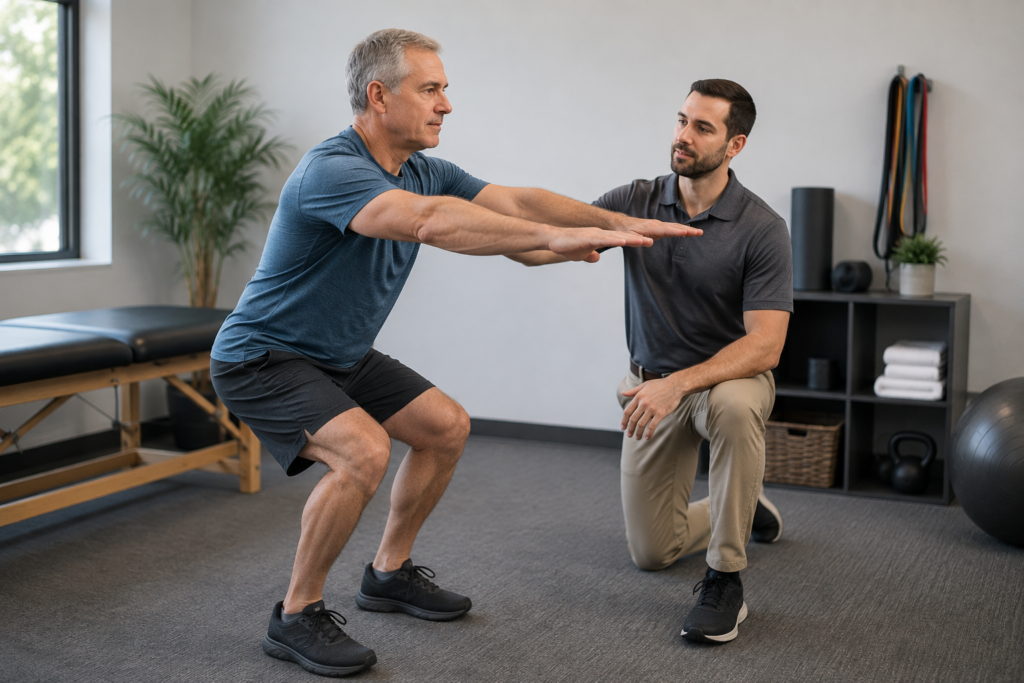
Pelvic floor rehabilitation after prostate surgery can help men improve bladder control, rebuild pelvic floor strength, and feel more confident returning to everyday activities. The pelvic floor plays an important role in urinary control, bowel function, core support, and movement. After prostate surgery, these muscles may need additional training as the body adjusts and heals. Urinary leakage is one of the concerns that can occur following prostate treatment.
At Reform Physical Therapy, pelvic floor rehabilitation for men is available at our South Portland clinic. Treatment is private, individualized, and based on your surgery, symptoms, current abilities, and goals. You do not have to figure out pelvic floor exercises on your own. A physical therapist can help you understand which muscles to use, how to coordinate them correctly, and how to gradually rebuild control during the activities that matter to you.
Understanding the Male Pelvic Floor
Men have pelvic floor muscles just like women do. These muscles form a supportive layer at the bottom of the pelvis. They work with the abdominal muscles, diaphragm, hips, and surrounding structures to help manage pressure and support bladder and bowel control. Most of the time, you probably do not think about these muscles. They automatically tighten and relax throughout the day as you walk, lift, exercise, cough, use the bathroom, and complete normal activities. Following prostate surgery, however, this system may not work exactly as it did before surgery. Pelvic floor rehabilitation can help retrain the muscles and improve how they coordinate with the rest of your body.
Why Bladder Control Can Change After Prostate Surgery
The prostate is located near the bladder and urethra. Surgery in this area can change the structures involved in urinary control. After prostate surgery, some men experience urine leakage while the body heals and adjusts. The Urology Care Foundation explains that prostate treatment can affect normal urinary control and that several types of urinary incontinence can occur afterward. Symptoms can range from occasional small leaks to more significant difficulty controlling urine.
Your experience may also change throughout recovery. What happens during the first few weeks after surgery may be very different from what you experience several months later.
Urinary Leakage After Prostate Surgery
Urinary leakage is one of the main reasons men seek pelvic floor rehabilitation after prostate surgery. Leakage may occur when you stand from a chair, bend, lift, cough, sneeze, laugh, walk quickly, or exercise. Some men notice leakage toward the end of the day as their muscles become tired. Others experience symptoms during specific activities. Stress urinary incontinence refers to leakage that happens when activities such as coughing, laughing, sneezing, or exercising increase pressure on the bladder. This type of leakage can occur after prostate treatment. Pelvic floor rehabilitation can help improve the muscle control needed during these activities.
Urinary Urgency
Not every bladder symptom involves leakage with movement. Some men experience a sudden, strong urge to urinate and have difficulty reaching the bathroom in time. This may be associated with urge incontinence or overactive bladder symptoms. Your physical therapist will ask about when urgency occurs, how often you urinate, fluid habits, nighttime bathroom trips, and whether certain situations trigger symptoms. Treatment can then be based on the type of bladder problem you are experiencing rather than assuming every patient needs the same exercises.
Pelvic Floor Muscle Weakness
Pelvic floor muscles may need additional strengthening and coordination after prostate surgery. Weakness can make it harder to control urine when pressure increases inside the abdomen. However, simply squeezing the muscles as hard as possible is not necessarily the best approach. The pelvic floor needs to contract at the right time, hold when necessary, and relax appropriately. Physical therapy can help you learn these skills and gradually improve endurance.
Learning the Correct Pelvic Floor Contraction
Many people have heard of Kegel exercises but are unsure whether they are doing them correctly. A pelvic floor contraction should involve the correct muscles without excessive tightening through the buttocks, thighs, or abdomen. Holding your breath can also change the way pressure moves through your body. A physical therapist can teach you how to identify the pelvic floor muscles and coordinate the contraction with breathing. The Urology Care Foundation identifies pelvic floor muscle exercises as one physical therapy strategy that may be used to help regain bladder control after prostate treatment.
Pelvic Floor Exercises After Prostate Surgery
Pelvic floor exercises may begin with short, controlled contractions. As your strength improves, exercises can gradually focus on longer holds, repeated contractions, coordination, and using the muscles during functional movements. The goal is not to spend the entire day squeezing your pelvic floor. Muscles need both contraction and relaxation to function properly. Your physical therapist can determine the appropriate amount of exercise based on your strength, symptoms, and stage of recovery.
Pelvic Floor Relaxation
Strength is only one part of pelvic floor function. Some people develop excessive tension or have difficulty relaxing the pelvic floor. Doing too many strengthening exercises without understanding your individual needs may contribute to discomfort or poor coordination. Physical therapy can assess whether you need strengthening, relaxation, coordination training, or a combination. This is one reason individualized pelvic floor rehabilitation can be more useful than simply following a general exercise sheet.
Breathing and Pelvic Floor Coordination
The pelvic floor and diaphragm work together during breathing. When you inhale and exhale, pressure inside the abdomen changes. Your pelvic floor responds to these changes. Learning how to coordinate breathing with pelvic floor activation can be especially useful during lifting, exercise, coughing, and other activities that increase pressure. Treatment may begin with simple breathing exercises before progressing toward more demanding movements.
Core Strength After Prostate Surgery
The pelvic floor is part of a larger system. Your abdominal muscles, back, hips, and diaphragm all contribute to stability and pressure management. For this reason, pelvic floor rehabilitation after prostate surgery may include core strengthening rather than focusing only on isolated pelvic floor contractions. Reform’s existing pelvic health program uses breathing, core strengthening, movement retraining, and pelvic floor muscle training as part of individualized care.
Leakage When Standing Up
Moving from sitting to standing creates a quick change in pressure. Some men notice leakage each time they get out of a chair, especially during the earlier stages of recovery. Physical therapy can help you practice coordinating the pelvic floor with this movement. As control improves, the goal is for the response to become automatic rather than something you have to consciously think about every time you stand.
Leakage With Coughing and Sneezing
Coughing and sneezing create a sudden increase in abdominal pressure. The pelvic floor normally responds quickly to help maintain urinary control. After prostate surgery, this response may need to be retrained. Your therapist may teach you how to activate the pelvic floor before a cough or sneeze while gradually building enough strength and coordination for the muscles to respond naturally.
Leakage During Exercise
Walking faster, lifting weights, running, golfing, cycling, or completing other physical activities may expose weaknesses that are not noticeable while resting. This can be frustrating, especially when you feel otherwise ready to return to your normal routine. Rather than avoiding activity indefinitely, rehabilitation can gradually prepare your body for these demands. Treatment may progress from basic exercises to movements that resemble your actual workouts, hobbies, or job.
Returning to Walking
Walking is an important part of recovery for many patients after surgery, but your surgeon determines when and how quickly activity should increase. As you begin walking farther, you may notice changes in bladder control or fatigue. Your physical therapist can help you gradually increase endurance while monitoring how your pelvic floor responds. The goal is to rebuild activity without overwhelming muscles that are still recovering.
Returning to Strength Training
Lifting increases pressure through the abdomen and pelvis. This does not mean strength training must be avoided permanently. Instead, pelvic floor rehabilitation can help you learn how to manage pressure while gradually rebuilding strength. Exercises may progress through squatting, pushing, pulling, carrying, and lifting depending on your surgical restrictions and goals.
Returning to Work
Work demands can vary significantly. An office worker may spend most of the day sitting, while another person may regularly lift, climb, carry, or perform physically demanding tasks. Pelvic floor rehabilitation after prostate surgery should consider what your normal workday actually looks like. Your treatment can gradually prepare you for the movements and endurance required for your job once your surgeon clears you for those activities.
Returning to Golf and Other Hobbies
Recovery is about more than basic daily activities. You may want to return to golf, hiking, gardening, cycling, running, fishing, working around the house, or another hobby. Your physical therapist can incorporate movements that prepare you for those activities. For golf, for example, treatment may include hip mobility, rotation, balance, core strength, and pelvic floor coordination. The goal is to help you return to the things you enjoy with greater confidence.
Bladder Habits During Recovery
Pelvic floor rehabilitation may also include education about bladder habits. Your therapist may ask how often you use the bathroom, whether you frequently urinate “just in case,” how much fluid you drink, and when urgency tends to occur. Depending on your symptoms, bladder training or timed voiding strategies may be appropriate. The Urology Care Foundation includes timed voiding among the approaches that may be used for urinary incontinence after prostate treatment.
Using a Bladder Diary
A bladder diary can help identify patterns that are difficult to notice otherwise. You may record when you urinate, when leakage occurs, what you were doing at the time, and how much fluid you drink. This information can help your therapist understand whether symptoms are associated with certain activities, times of day, or bladder habits. It can also provide a practical way to track progress over time.
Pelvic Pain After Prostate Surgery
Some men experience pelvic discomfort during recovery. Pain may occur around the lower abdomen, pelvis, perineum, hips, or surrounding areas. Not all pelvic pain means the muscles are weak. Tightness, guarding, scar tissue, movement changes, and other factors may contribute. A pelvic health physical therapist can evaluate how your muscles and movement are functioning and determine whether strengthening, relaxation, mobility, or another approach may be appropriate.
Bowel Function and the Pelvic Floor
The pelvic floor also contributes to bowel function. Constipation and straining can place additional pressure through the pelvic region. If bowel symptoms are present, your therapist may discuss positioning, breathing, pelvic floor relaxation, and other strategies. Persistent or significant bowel changes should also be discussed with your medical provider.
Sexual Function After Prostate Surgery
Changes in sexual function can occur after prostate surgery and may involve several factors beyond the pelvic floor. Pelvic floor muscles contribute to normal pelvic function, but physical therapy does not replace medical treatment for erectile dysfunction or other postsurgical sexual concerns. If you experience changes in erectile function, pain, or other sexual symptoms after surgery, discuss them with your urologist. When pelvic floor muscle function is relevant, rehabilitation may be one part of a broader treatment plan.
Pelvic Floor Rehabilitation Before Surgery
Some patients may benefit from learning pelvic floor exercises before prostate surgery. This gives you an opportunity to identify the correct muscles and practice the exercises before dealing with postsurgical discomfort and other changes. The National Cancer Institute currently describes research evaluating physical therapist instructed pelvic floor muscle exercise programs both before and after radical prostatectomy, reflecting ongoing interest in structured rehabilitation around surgery. If your surgery is upcoming, ask your surgeon whether beginning pelvic floor physical therapy beforehand is appropriate.
Physical Therapy Evaluation
Your first visit begins with a conversation. Your therapist will ask about your prostate surgery, symptoms, medical history, bladder control, bowel habits, daily activities, exercise, and goals. The evaluation may also look at breathing, posture, core strength, hip movement, and the way you perform functional activities. Pelvic floor assessment may be discussed when appropriate. Your therapist should explain what an assessment involves and why it may be helpful before anything is performed. Your comfort and consent remain important throughout treatment.
What Treatment May Include
Pelvic floor rehabilitation after prostate surgery is individualized. Treatment may include pelvic floor muscle training, breathing exercises, core strengthening, bladder control strategies, movement retraining, posture education, and gradual return to activity. Reform uses these approaches as part of its current prostate surgery pelvic health care. Your home program may also change as your strength and bladder control improve. The goal is to give you a manageable plan that fits into your daily routine rather than an overwhelming list of exercises.
How Long Does Recovery Take?
Recovery after prostate surgery varies. Your progress can depend on the type of surgery, your health before surgery, bladder function, muscle strength, healing, and other medical factors. Some men experience meaningful improvement relatively quickly, while others need more time. Pelvic floor rehabilitation focuses on improving what you can control while your body continues to heal. Your surgeon and urologist remain important parts of your recovery and can help determine whether symptoms are progressing as expected.
When to Contact Your Surgeon
Physical therapy does not replace postsurgical medical care. Contact your surgical or medical team if you develop symptoms they have told you to watch for, including signs of infection, increasing or severe pain, problems with your incision, difficulty urinating, significant bleeding, or other new or concerning symptoms. You should also contact your provider if urinary symptoms suddenly worsen or your recovery is not progressing as expected. Follow the restrictions and recovery instructions provided by your surgeon even if you begin feeling stronger.
Pelvic Floor Rehabilitation After Prostate Surgery in South Portland, Maine
Reform Physical Therapy provides pelvic floor rehabilitation after prostate surgery at our South Portland clinic. Our pelvic health program is not limited to pregnancy or women’s health. Reform currently provides pelvic floor care for men experiencing urinary changes, pelvic pain, and postsurgical concerns. Treatment is private, respectful, and personalized around your symptoms and goals. Whether you want to improve bladder control, return to work, get back to exercise, or simply feel more confident leaving the house without worrying about leakage, our South Portland pelvic health team can help guide your rehabilitation.
Schedule a Pelvic Floor Evaluation
Urinary changes after prostate surgery can affect exercise, work, travel, sleep, hobbies, and everyday confidence. You do not have to navigate rehabilitation by yourself. A pelvic health physical therapist can help you understand how your pelvic floor is functioning and develop a personalized plan for rebuilding strength and control.