


Migraine Treatment
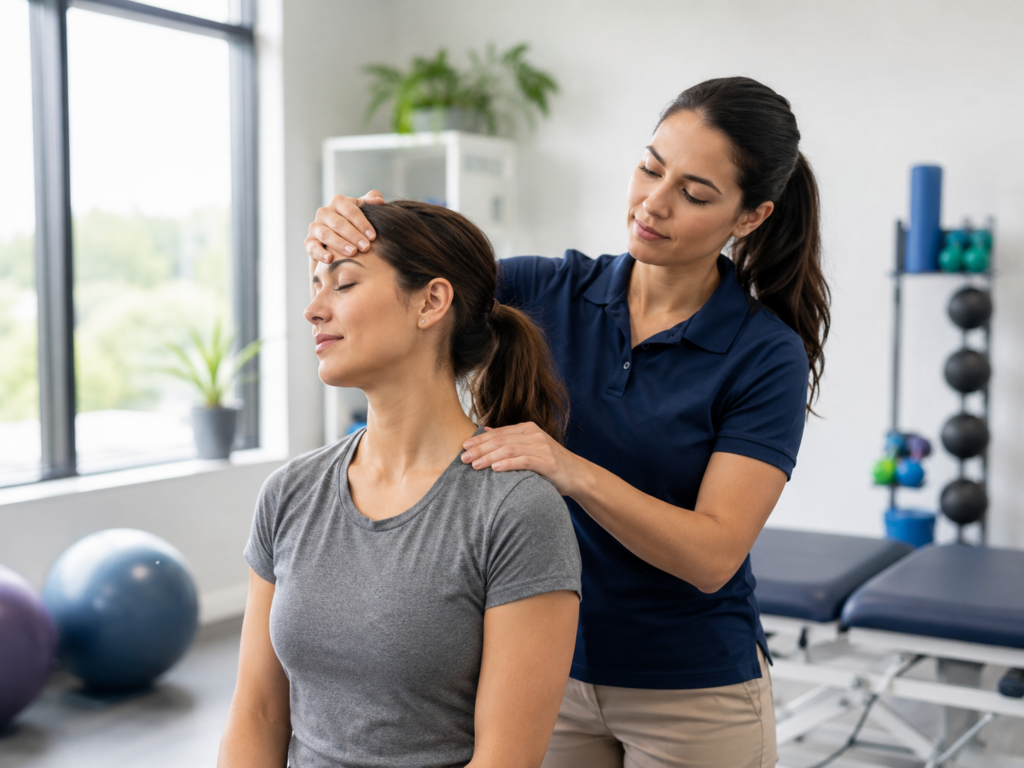
Migraine treatment can help people manage recurring head pain, dizziness, light sensitivity, neck tension, balance problems, and other symptoms that interfere with work, exercise, sleep, and everyday life. Migraine is a neurological disorder that can cause moderate to severe headache pain along with other symptoms. The pain is often throbbing or pulsing and may affect one side of the head, although both sides can be involved. Nausea, vomiting, weakness, and sensitivity to light or sound may also occur.
Migraine requires medical management, especially when attacks are frequent, severe, or changing. Physical therapy does not replace care from a physician or neurologist. However, it may be an important part of migraine treatment when neck pain, muscle tension, dizziness, balance problems, jaw symptoms, reduced activity, or movement sensitivity occur alongside migraine.
Understanding Migraine
Migraine is much more than a severe headache. It is a neurological condition that can affect the head, vision, stomach, balance system, energy level, and ability to think clearly. Attacks may last for hours or sometimes days. Symptoms can become severe enough to interfere with normal activities, work, school, exercise, and sleep. Some people have migraine occasionally, while others experience attacks much more often. The symptoms and triggers can also vary from one person to another. For this reason, migraine treatment should be personalized rather than based on one routine for everyone.
Common Migraine Symptoms
Migraine pain is often described as throbbing or pulsing. It commonly affects one side of the head, although the location can change between attacks or involve both sides. Movement may make the headache feel worse. Some people also experience nausea, vomiting, weakness, dizziness, fatigue, or difficulty concentrating. Sensitivity to light, sound, and sometimes smell is also common. Symptoms can range from mild to disabling. A person may be able to continue working during one episode but need to rest in a dark, quiet room during another. The pattern of symptoms is important when planning migraine treatment and deciding whether additional medical evaluation is needed.
Migraine With Aura
Some people experience an aura before or during a migraine attack. Aura involves temporary neurological symptoms that can affect vision, sensation, or speech. Visual symptoms may include flashing lights, blind spots, zigzag patterns, or unusual changes in vision. Tingling, numbness, or speech difficulty can also occur. Aura symptoms should be discussed with a medical provider, especially when they are new or different from a person’s usual pattern.
Sudden neurological symptoms should never automatically be assumed to be migraine because stroke and other serious conditions can cause similar symptoms.
Migraine Without Aura
Many people experience migraine without an aura. The headache may begin gradually and become more intense. Pain may be accompanied by nausea, light sensitivity, sound sensitivity, fatigue, or difficulty concentrating. Some people notice early warning symptoms before the headache begins, such as changes in mood, energy, concentration, sleep, food cravings, or neck stiffness. Tracking these patterns can help a person recognize when an attack may be developing.
Neck Pain and Migraine
Neck pain commonly occurs with headaches and migraine. For some people, neck stiffness appears before or during an attack. In others, existing neck pain may add to the overall discomfort. The neck muscles and joints can become sensitive when a person spends long periods resting, guarding, or avoiding movement because of pain. A physical therapist can assess neck movement, muscle tension, posture, upper-back mobility, and strength.
Migraine treatment in physical therapy may focus on these musculoskeletal problems when they are contributing to discomfort, while the neurological migraine itself remains under medical management. NINDS notes that physical therapy and gentle exercise may sometimes be added to a broader headache treatment plan.
Migraine and Dizziness
Migraine can sometimes occur with dizziness, motion sensitivity, or balance problems. A person may feel lightheaded, unsteady, sensitive to quick head movements, or uncomfortable in visually busy environments. Some may feel worse in grocery stores, crowded areas, moving vehicles, or places with bright lighting. When dizziness is part of the symptom pattern, a vestibular and balance evaluation may be helpful.
Physical therapists trained in vestibular rehabilitation can assess balance, head movement, eye movement, walking, and motion sensitivity. Rehabilitation may include exercises that gradually improve tolerance for movement and reduce dizziness related to certain balance and inner-ear problems.
Migraine With Vestibular Symptoms
Vestibular migraine is a form of migraine in which dizziness or balance symptoms can be a major part of the condition. A person may experience vertigo, rocking sensations, motion sensitivity, imbalance, nausea, or discomfort with visual movement. Headache may occur at the same time, but it does not have to be present during every episode.
Medical diagnosis is important because several inner-ear and neurological conditions can cause similar symptoms. When appropriate, physical therapy may address balance, motion sensitivity, walking, neck symptoms, and confidence with movement as part of the overall migraine treatment plan.
Migraine and Light Sensitivity
Bright lights can make migraine symptoms worse for many people. Fluorescent lighting, computer screens, sunlight, flashing lights, and visually busy environments may become difficult to tolerate. Environmental triggers including bright lights, loud sounds, and strong smells can affect some people with migraine. During a severe attack, resting in a quieter and darker environment may feel necessary.
However, people with long-lasting sensitivity may begin avoiding normal environments even between attacks. When dizziness or visual motion sensitivity is also present, rehabilitation may gradually help rebuild tolerance for movement and visual activity. This process should be carefully paced rather than forcing exposure to intense symptoms.
Migraine and Sound Sensitivity
Sound sensitivity is another common migraine symptom. Normal conversation, television, music, traffic, or busy public spaces may feel unusually loud or uncomfortable during an attack. Severe sensitivity may make work and social activities difficult. Managing the migraine itself with a medical provider remains important. Physical therapy may support the person by helping address movement intolerance, muscle tension, dizziness, or reduced activity that develops around recurring attacks.
Nausea and Migraine
Nausea is common during migraine and may occur with or without vomiting. For people who also experience dizziness, head movement or visually busy environments may make nausea worse. Staying hydrated and maintaining regular meals may be important for some people because dehydration and missed meals can contribute to migraine attacks. Persistent vomiting or an inability to keep fluids down may require medical care.
Migraine Triggers
Migraine triggers differ from person to person. Common triggers may include stress, changes in sleep, missed meals, dehydration, hormonal changes, certain foods or drinks, bright lights, strong smells, and environmental changes. A trigger does not necessarily cause migraine by itself. Often, several factors occur together.
For example, a person may tolerate a stressful day but experience an attack when stress is combined with poor sleep, dehydration, and skipped meals. Migraine treatment often includes identifying personal patterns rather than trying to avoid every possible trigger.
Stress and Migraine
Stress is one of the commonly reported migraine triggers. It can affect sleep, breathing, muscle tension, jaw clenching, posture, and eating habits. During stressful periods, some people may also notice more neck tension, poor sleep, or changes in their normal routine. These factors can add to the overall symptom load and may increase the chance of a migraine attack. Physical therapy may include breathing strategies, regular movement, neck exercises, and relaxation techniques when muscle tension is part of the symptom pattern.
The goal is not to suggest that stress causes migraine. Instead, these strategies may help reduce one factor that can make symptoms harder to manage. These changes may also contribute to neck pain and general discomfort.
Physical therapy may include breathing strategies, regular movement, neck exercises, and relaxation techniques when muscle tension is part of the symptom pattern. The goal is not to suggest migraine is caused by stress. Instead, these strategies may help reduce one factor that contributes to the overall symptom load.
Sleep and Migraine
Changes in sleep can trigger migraine in some people. Both insufficient sleep and sleeping more than usual may be associated with attacks. Recurring pain may also make it difficult to fall asleep or stay asleep, creating a cycle of poor sleep and increased symptoms. Keeping a regular sleep schedule may help some patients. Persistent morning headaches, loud snoring, gasping during sleep, or severe daytime sleepiness should also be discussed with a medical provider because sleep disorders may need further evaluation.
Migraine and Exercise
Exercise can be challenging when a person has frequent migraine attacks. Some people avoid exercise because movement worsens symptoms during an attack or because they worry that activity will trigger another episode. However, long periods of inactivity can reduce strength, endurance, balance, and confidence. Migraine treatment may include a gradual return to physical activity when medically appropriate. Walking, gentle aerobic exercise, strengthening, and mobility work can be introduced at a level the person can tolerate. Exercise intensity should increase gradually rather than jumping immediately back into demanding workouts.
Migraine and TMJ Dysfunction
Jaw tension and TMJ dysfunction can occur alongside headaches and migraine. Clenching or grinding may cause soreness in the temples, cheeks, jaw, and neck. TMD can also occur with headaches, dizziness, neck pain, and ear-area symptoms. A physical therapist may assess jaw movement, facial muscle tension, posture, and the upper neck when these symptoms are present. Treatment may include jaw relaxation strategies, gentle movement, posture work, and hands-on care. Dental evaluation may also be appropriate when grinding, tooth damage, bite changes, or repeated jaw locking are present.
Migraine After Concussion
Migraine-like headaches can sometimes develop after a concussion or other head injury. Symptoms may include headache, dizziness, light sensitivity, sound sensitivity, nausea, mental fatigue, balance problems, and difficulty concentrating. New or worsening symptoms after a head injury require medical evaluation before beginning rehabilitation. After serious problems have been ruled out, physical therapy may address balance, dizziness, neck pain, motion sensitivity, exercise tolerance, and a gradual return to normal activities.
Migraine and Whiplash
A car accident or other whiplash injury can cause neck pain and headaches. Some people who already experience migraine may notice that attacks become more frequent or harder to manage after an injury. A physical therapy evaluation can assess whether neck stiffness, weakness, or muscle tension is contributing to the overall symptom pattern. Treatment may include gentle neck mobility, strengthening, posture training, and gradual activity progression.
Any new neurological symptoms after an injury require prompt medical care.
Effects on Daily Life
Migraine can interfere with nearly every part of daily life. During an attack, work, driving, screen use, exercise, conversations, childcare, errands, and social activities may become difficult. Some people begin planning their lives around the possibility of another attack. They may avoid exercise, travel, busy stores, bright environments, or social events.
Recurring symptoms can also affect sleep, concentration, confidence, and activity levels. A complete migraine treatment plan should consider how the condition affects daily function instead of focusing only on headache intensity.
Keeping a Migraine Record
A migraine record can help identify patterns. You may record when symptoms begin, how long they last, where the pain occurs, and which symptoms appear during the attack. Sleep, stress, meals, hydration, exercise, weather, menstrual cycles, medications, neck pain, dizziness, and screen exposure may also be useful to track. Trigger patterns are highly individual, and records may help patients and medical providers notice connections that are difficult to remember over several weeks.
Physical Therapy Evaluation
Your first appointment begins with a discussion about your migraine history and the symptoms that affect your daily life. Your therapist may ask about neck pain, dizziness, balance problems, jaw tension, light sensitivity, activity tolerance, previous injuries, work demands, exercise, and medical care. During the examination, neck and upper-back movement may be assessed. Muscle tension, posture, shoulder strength, balance, walking, and jaw movement may also be checked when relevant.
People experiencing dizziness may receive additional testing involving head movement, eye movement, balance, and motion sensitivity. This evaluation helps determine which problems physical therapy can safely address as part of the larger migraine treatment plan.
Medical Migraine Treatment
Migraine is primarily a medical and neurological condition. Medical treatment may include medications used during an attack as well as medications intended to reduce the frequency or severity of future attacks. NINDS describes triptans among commonly used medicines for acute migraine treatment, along with other preventive and symptom-management approaches. The right medication depends on the person’s symptoms, health history, other medications, and frequency of attacks.
Medication decisions should be made with a physician, neurologist, or other qualified medical provider. Physical therapy can support medical migraine care, but it should not replace treatment from a physician or neurologist.
Rehabilitation as Part of Migraine Treatment
Rehabilitation may be helpful when migraine occurs alongside neck pain, muscle tension, dizziness, balance problems, TMJ dysfunction, or reduced activity tolerance. Treatment is based on the individual examination.
For someone with significant neck stiffness, care may focus on restoring comfortable movement and strength. A person with dizziness may need more balance and vestibular exercises. Someone who has become inactive because of repeated attacks may need a gradual exercise program. NINDS notes that physical therapy, massage, and gentle exercise may sometimes be included in a headache management plan.
Neck Mobility
Gentle neck exercises may be used when stiffness or movement limitations are present. Treatment may focus on turning the head, looking up and down, or improving upper-back mobility. The goal is not to stretch aggressively through headache or dizziness. Movement should remain controlled. Exercises may need to be adjusted if they increase neurological symptoms, severe nausea, visual changes, or significant dizziness.
Neck and Upper-Back Strengthening
The neck and upper-back muscles support the head throughout daily activities. Long periods of sitting, computer work, driving, and phone use may cause these muscles to fatigue. Strengthening may include gentle neck activation, shoulder-blade exercises, and progressive upper-back resistance work. Improving endurance may help reduce additional muscle tension that contributes to discomfort between migraine attacks.
Manual Therapy
Hands-on treatment may be appropriate when neck or upper-back stiffness is part of the symptom pattern. Manual therapy may include gentle joint movement, soft-tissue techniques, or assisted mobility. Physical therapists may use manual therapy as part of treatment for some headache conditions. Hands-on treatment is not a cure for migraine. Its purpose is to address musculoskeletal symptoms that may occur alongside the neurological condition.
Vestibular Rehabilitation
Vestibular rehabilitation may be included when dizziness, imbalance, or motion sensitivity is present. Exercises may focus on balance, walking, controlled head movement, eye movement, and gradually improving tolerance for activities that trigger mild symptoms. Vestibular treatment should progress gradually. Making symptoms severely worse is not the goal. Medical evaluation remains important because dizziness can have several neurological, cardiovascular, and inner-ear causes.
Balance Training
Migraine-related dizziness can make standing or walking feel unsteady. Balance exercises may begin with simple standing positions and progress to more challenging surfaces, head movements, stepping, or walking activities. The exercises can also help restore confidence for stores, crowds, outdoor walking, and other environments that previously felt difficult.
Gradual Return to Activity
Frequent migraine attacks can lead to reduced physical activity. A gradual return may begin with short walks or gentle exercise. Duration may increase before intensity. Later, strengthening, cardiovascular exercise, and recreational activity can be added. The goal is to help the body tolerate normal movement without pushing through a severe migraine episode.
Posture and Workstation Guidance
Long periods in one position may increase neck or shoulder discomfort. A therapist may review how you sit at a computer, use your phone, drive, or complete repetitive work. Small changes in screen position, chair support, keyboard placement, or work breaks may reduce unnecessary neck tension. No single posture prevents migraine. Instead, frequent movement and comfortable positioning can help reduce additional strain.
Jaw and TMJ Treatment
When jaw symptoms occur alongside migraine, treatment may include gentle jaw movement, relaxation strategies, neck exercises, and education about clenching. Reducing gum chewing or repeated jaw tension may also help if these habits are increasing soreness. Physical therapy may work alongside dental care when a mouthguard or other dental treatment is needed.
Breathing and Relaxation
Relaxation strategies can help decrease unnecessary muscle tension around the neck, shoulders, and jaw. Slow breathing may be used during stressful situations, before sleep, or when early tension begins. These strategies do not treat the neurological cause of migraine. However, they may help address stress and muscle tension that can contribute to symptoms for some people.
Home Exercise Program
Your home program may include neck mobility, upper-back strengthening, balance exercises, vestibular exercises, jaw relaxation, or gradual aerobic activity. The plan should match your symptoms. Someone with dizziness may receive a different program from someone whose main concern is neck stiffness. Exercises should also change as your activity tolerance improves.
Recovery and Long-Term Management
Migraine is often a recurring condition rather than an injury that simply heals within a set number of weeks. The goal of migraine treatment is often to reduce the frequency, severity, or impact of attacks while improving function between episodes. Progress in physical therapy may include less neck stiffness, improved balance, greater exercise tolerance, fewer movement-related symptoms, and more confidence returning to daily activities. Medical management may continue even when physical therapy goals have been reached.
Reducing Future Migraine Triggers
Migraine triggers are different for everyone. A regular sleep schedule, consistent meals, hydration, stress management, and gradual exercise may help some people reduce attacks. A migraine diary can help identify which factors repeatedly occur before symptoms. Trying to eliminate every possible trigger can become overwhelming. Instead, focus on the patterns that clearly affect your own symptoms.
Medical Warning Signs
Seek emergency medical care for a sudden severe headache that reaches maximum intensity quickly, particularly if it feels different from previous migraine attacks. Immediate evaluation is also important when headache occurs with new facial drooping, weakness, numbness, difficulty speaking, confusion, fainting, seizures, severe balance loss, or vision loss. New neurological symptoms should not automatically be assumed to be a migraine aura.
Severe headache after a head injury, especially with repeated vomiting, unusual sleepiness, confusion, or worsening symptoms, also requires prompt medical care. Fever, severe neck stiffness, rash, or serious illness alongside a headache may indicate infection or another urgent condition. NINDS emphasizes that secondary headaches can occur because of other medical problems and require appropriate evaluation. New or significantly different headaches during pregnancy or after childbirth should also be reported promptly to a medical provider.
Migraine Treatment in Maine
Reform Physical Therapy provides one-on-one care for patients whose migraines occur alongside neck pain, dizziness, balance problems, muscle tension, TMJ symptoms, or difficulty returning to normal activity. Your migraine treatment plan may include neck mobility, strengthening, balance exercises, vestibular rehabilitation, posture guidance, hands-on care, jaw treatment, and gradual exercise. Physical therapy does not replace neurological or medical migraine care. Instead, it can address the movement and musculoskeletal symptoms that may make migraine more difficult to manage.
The goal is to help you move more comfortably, stay active, and return to the activities that matter to you.
Schedule a Migraine Evaluation
Migraine can affect work, sleep, exercise, family activities, and quality of life. If your migraine attacks also involve neck pain, dizziness, balance problems, jaw tension, or difficulty returning to normal activity, physical therapy may be able to help with those related symptoms. A one-on-one evaluation can determine which parts of your symptoms may benefit from physical therapy and whether additional medical care is needed.
Contact Reform Physical Therapy today to schedule an evaluation at one of our Maine locations.