


Chronic Pelvic Pain Syndrome and Prostatitis-Like Symptoms
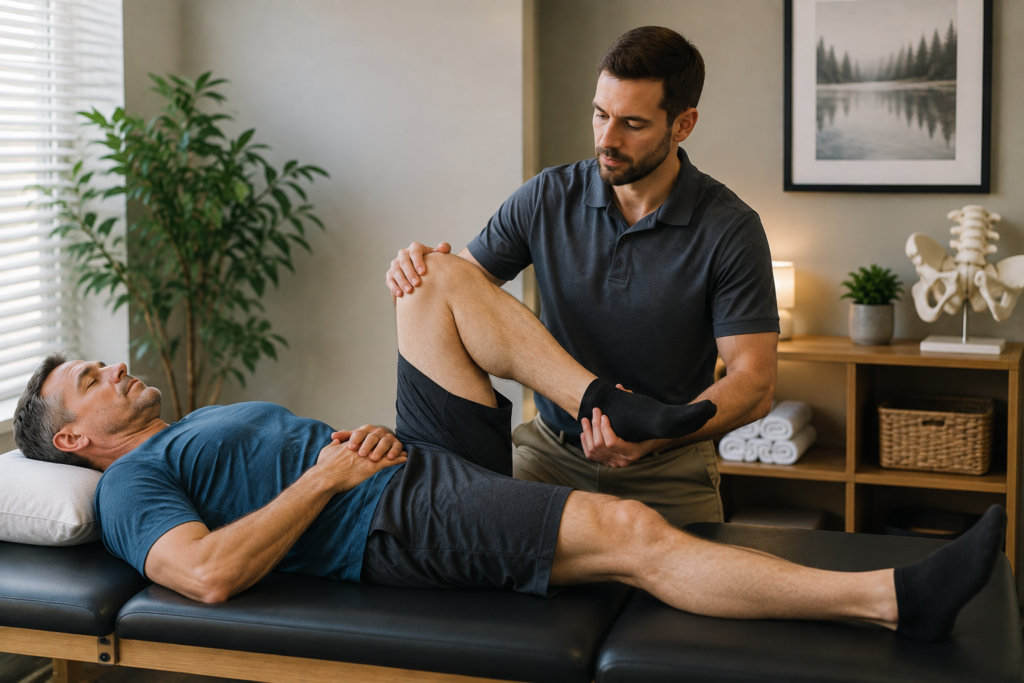
Chronic pelvic pain syndrome can cause ongoing or recurring discomfort in the pelvis, groin, perineum, genitals, lower abdomen, or lower back. Some men also experience urinary urgency, frequent urination, discomfort with sitting, bowel changes, or pain during or after ejaculation. These symptoms are sometimes described as feeling like prostatitis. However, chronic pelvic pain syndrome, also called CPPS, does not always mean there is an ongoing prostate infection.
For some men, the pelvic floor muscles and surrounding tissues can become tight, sensitive, or poorly coordinated. These changes may contribute to pain and urinary symptoms even after infection or another medical cause has been ruled out. At Reform Physical Therapy, pelvic floor physical therapy for chronic pelvic pain syndrome is available at our South Portland clinic. Treatment is individualized based on your symptoms, medical evaluation, movement, pelvic floor function, and goals.
Understanding Chronic Pelvic Pain Syndrome
Chronic pelvic pain syndrome can be complicated because symptoms do not always come from one structure. The pelvic region contains the bladder, bowel, prostate, pelvic floor muscles, nerves, connective tissues, hips, and other structures that work closely together. Pain can therefore involve several areas at once. Some men primarily experience pelvic discomfort. Others are more bothered by urinary symptoms. Pain with sitting, sexual activity, bowel movements, exercise, or certain movements can also occur. The American Urological Association currently recognizes chronic prostatitis and chronic pelvic pain syndrome as part of the broader group of male chronic pelvic pain conditions.
Is Chronic Pelvic Pain Syndrome the Same as Prostatitis?
Not exactly. Prostatitis is a broad term that refers to inflammation or conditions involving the prostate. Some forms of prostatitis are associated with bacterial infection. Chronic prostatitis and chronic pelvic pain syndrome are different because an ongoing bacterial infection is not necessarily responsible for the symptoms. This distinction matters. If symptoms are being caused or influenced by pelvic floor muscle dysfunction, treating only the prostate may not address every contributing factor. Your physician or urologist should evaluate symptoms that could involve infection or another medical condition before assuming the pelvic floor is responsible.
Why Symptoms Can Feel Like Prostatitis
The prostate and pelvic floor are located close together. Muscles, nerves, connective tissues, and organs throughout this region can influence how symptoms are experienced. Pelvic floor muscle tension may create pain or pressure in areas that feel like they are coming from the prostate. Symptoms can sometimes include aching in the perineum, lower abdomen, groin, penis, testicles, rectal area, or lower back. Urinary symptoms may occur at the same time, which can make the condition feel even more like a prostate problem.
Pelvic Floor Tension and Chronic Pelvic Pain
A healthy pelvic floor needs to contract and relax. Some men with chronic pelvic pain have pelvic floor muscles that remain excessively tense or become painful. The American Urological Association recognizes pelvic floor muscle pain as an important consideration when evaluating men with chronic pelvic pain. Its current guideline includes individualized pelvic physical therapy among the treatment options when pelvic or abdominal muscle pain is present. Physical therapy can help determine whether muscle tension is contributing to your symptoms.
Chronic Pelvic Pain Does Not Always Mean Weak Muscles
Many people hear “pelvic floor physical therapy” and immediately think about strengthening. That is not always what chronic pelvic pain needs. If the pelvic floor is already overly tense, repeatedly contracting those muscles may not address the problem. Treatment may instead focus on relaxation, breathing, mobility, muscle coordination, and reducing unnecessary tension. Other patients may eventually benefit from strengthening. The right approach depends on what your evaluation shows.
Kegels and Chronic Pelvic Pain
Kegel exercises are not automatically appropriate for every male pelvic health condition. Performing large numbers of pelvic floor contractions without knowing whether the muscles are tight, weak, or poorly coordinated can be counterproductive. Your therapist can assess how well you contract and relax the pelvic floor. If strengthening is appropriate, it can be added gradually. When excessive tension is present, learning to relax and coordinate the muscles may be more important initially.
Perineal Pain
The perineum is the area between the genitals and anus. This is a common location for symptoms associated with male pelvic pain. Pain may feel like pressure, aching, burning, tightness, or irritation. Sitting for extended periods may make symptoms more noticeable for some people. Pelvic floor muscles are located in this region, so muscle tension or sensitivity may contribute to discomfort in certain cases.
Groin Pain
Chronic pelvic pain syndrome can sometimes include discomfort around the groin. However, groin pain has many possible causes. Hip problems, abdominal muscles, nerves, hernias, pelvic floor dysfunction, and other medical conditions may produce symptoms in this area. A physical therapist can assess musculoskeletal factors while your medical provider evaluates other possible causes when necessary.
Penile and Testicular Discomfort
Some men with chronic pelvic pain experience discomfort involving the penis or testicles. These symptoms should not automatically be assumed to come from pelvic floor dysfunction. Testicular pain in particular can have causes that require medical evaluation. After serious or other medical causes have been addressed, a pelvic health physical therapist can evaluate whether the pelvic floor, hips, abdominal muscles, nerves, or surrounding tissues may be contributing to persistent symptoms.
Pain During or After Ejaculation
Pain associated with ejaculation can be one of the more difficult symptoms to discuss. The pelvic floor muscles participate in sexual function, which means excessive tension or poor coordination may contribute to discomfort for some men. Pain may occur during ejaculation or develop afterward as an aching sensation in the pelvis, perineum, groin, or surrounding areas. Because sexual symptoms can also have urologic or other medical causes, they should be discussed with your medical provider. When pelvic floor dysfunction is involved, physical therapy may become one part of the treatment plan.
Urinary Urgency
Some men with chronic pelvic pain syndrome experience a sudden need to urinate. The urge may feel much stronger than expected based on how full the bladder actually is. Over time, you may begin planning activities around bathroom access or urinating frequently to prevent urgency. Pelvic floor tension can sometimes influence bladder symptoms because these muscles must coordinate properly during urination. A pelvic health evaluation can help determine whether muscular factors may be contributing.
Frequent Urination
Frequent bathroom trips can interfere with work, sleep, driving, exercise, and travel. Your therapist may ask how often you urinate, whether you wake during the night, how much fluid you drink, and whether certain situations trigger symptoms. Treatment may include bladder education and strategies for changing habits when appropriate. Medical causes of urinary frequency should also be evaluated, particularly when symptoms are new.
Difficulty Starting Urination
The pelvic floor needs to relax during normal urination. When these muscles remain tense, some people may have difficulty coordinating that relaxation. You might notice hesitation before the stream begins or feel like you have to concentrate on relaxing. Difficulty urinating can also have medical causes involving the prostate, bladder, urethra, or nervous system. For that reason, new or significant urinary changes should be evaluated medically.
Feeling Like the Bladder Is Not Empty
Some men describe finishing urination but still feeling like they need to go. This sensation can be frustrating and may lead to repeated bathroom trips. Pelvic floor muscle coordination can sometimes contribute, but incomplete bladder emptying also has other possible causes. Your urologist or medical provider can determine whether further testing is necessary. Physical therapy can address pelvic floor coordination when musculoskeletal dysfunction is identified.
Burning With Urination
Burning during urination should never automatically be attributed to muscle tension. Urinary tract infections, sexually transmitted infections, prostate conditions, and other medical problems can cause burning. If testing does not identify an ongoing infection and symptoms continue, pelvic floor muscle tension or irritation may sometimes contribute to discomfort. Your physical therapist should work within the findings and recommendations of your medical team.
Bowel Symptoms
The pelvic floor also controls part of the bowel movement process. These muscles need to relax and coordinate appropriately when you use the bathroom. Excessive tension may contribute to straining, discomfort, difficulty emptying, or the feeling that a bowel movement is incomplete. Physical therapy may address breathing, positioning, muscle relaxation, and pelvic floor coordination. Persistent bowel changes should also be discussed with your medical provider.
Pain With Sitting
Sitting can be particularly difficult for some men with chronic pelvic pain syndrome. Driving, working at a desk, traveling, or sitting through a meal may increase discomfort. You may begin shifting your weight or avoiding certain chairs because of symptoms. Treatment can evaluate hip mobility, pelvic floor tension, posture, and how long you remain in one position. Rather than searching for one perfect posture, your therapist can help improve your tolerance for the positions required throughout your day.
Chronic Pelvic Pain and the Hips
The hips and pelvis work closely together. Limited hip mobility, muscle tension, weakness, or changes in movement can occur alongside pelvic floor symptoms. For this reason, pelvic floor physical therapy should not focus only on one small group of muscles. Your therapist may assess hip movement and strength to determine whether these areas should be included in treatment.
Lower Back Pain and CPPS
Some men experience lower back discomfort along with pelvic symptoms. The lower back, abdominal muscles, hips, diaphragm, and pelvic floor all contribute to movement and pressure management. Treating chronic pelvic pain syndrome may therefore involve evaluating the back and surrounding areas. Your treatment should address the factors found during your examination rather than assuming every symptom comes directly from the pelvic floor.
Lower Abdominal Tension
Abdominal tension can also occur with chronic pelvic pain. Some people unknowingly brace their abdominal muscles throughout the day. This can change pressure throughout the abdomen and pelvis and may occur alongside pelvic floor tension. Breathing, movement, and relaxation exercises may help you become more aware of unnecessary muscle guarding. Persistent or unexplained abdominal pain should receive appropriate medical evaluation.
Breathing and Pelvic Floor Function
Your diaphragm and pelvic floor work together every time you breathe. During an inhale and exhale, pressure inside the abdomen changes and the pelvic floor responds. Holding your breath frequently during exercise, lifting, or stressful situations can affect this pressure system. Physical therapy may use breathing exercises to help reduce unnecessary tension and improve pelvic floor coordination.
Stress and Pelvic Muscle Tension
Stress does not mean your pain is imaginary. Pain is real. However, stress can influence muscle tension. Just as some people tighten their shoulders or clench their jaw when stressed, pelvic floor muscles may also become tense. When this happens repeatedly, learning how to recognize and release unnecessary tension may be useful. Chronic pelvic pain syndrome is complex, so treatment often needs to consider more than one contributing factor.
Exercise With Chronic Pelvic Pain Syndrome
Exercise does not automatically need to stop because you have pelvic pain. However, certain activities may temporarily increase symptoms. Heavy lifting, cycling, running, prolonged sitting, or high intensity exercise can bother some people. Your therapist can help identify which activities are currently difficult and determine whether technique, intensity, volume, breathing, or another factor should be modified. The long-term goal is usually to build your tolerance rather than permanently avoiding activity.
Chronic Pelvic Pain in Cyclists
Cycling places sustained pressure around the pelvis and perineum. For someone already experiencing pelvic pain, long rides may increase symptoms. Bike position, training volume, time in the saddle, and pelvic floor tension can all be considered when symptoms occur during cycling. Treatment may initially involve changing activity levels while addressing mobility, muscle tension, and other contributing factors. As symptoms improve, activity can gradually increase.
Chronic Pelvic Pain During Strength Training
Heavy lifting increases pressure through the abdomen and pelvis. Some men unknowingly brace excessively or hold their breath throughout an entire exercise. Physical therapy can help you learn how to manage pressure while maintaining the strength needed for lifting. Your program may temporarily reduce certain loads or movements before gradually progressing toward your normal routine.
Manual Physical Therapy
When muscle and connective tissue restrictions are contributing to symptoms, manual treatment may be appropriate. The current AUA guideline states that individualized manual physical therapy techniques may be offered to men with pelvic floor or abdominal and pelvic muscle pain. Treatment may address the pelvic region as well as the abdomen, hips, back, or surrounding muscles depending on your examination. Manual treatment is only one part of rehabilitation and is not required for every patient.
Pelvic Floor Relaxation Training
Learning how to relax the pelvic floor can be surprisingly difficult when the muscles have been tense for a long time. You may not even realize you are holding tension. Treatment can use breathing, positioning, movement, and body awareness to help you recognize the difference between contraction and relaxation. The goal is not to keep the pelvic floor completely relaxed throughout the day. Instead, the muscles should be able to respond appropriately to different activities.
Biofeedback
Biofeedback may be appropriate for certain patients. It can provide information about pelvic floor muscle activity and help you better understand whether the muscles are contracting or relaxing. The AUA guideline notes that electromyography biofeedback may be used for men with increased pelvic floor muscle tone to improve relaxation and potentially improve pain, urinary function, and quality of life. Your therapist can determine whether biofeedback is appropriate for your treatment plan.
Pelvic Floor Physical Therapy Evaluation
Your first visit begins with a conversation about your symptoms. Your therapist may ask when the pain started, where you feel it, what makes it worse, and whether you experience urinary, bowel, or sexual symptoms. You may also discuss exercise, work, sitting tolerance, stress, previous injuries, and medical treatment you have already received. The physical portion of the evaluation may assess breathing, abdominal function, hip mobility, back movement, strength, and pelvic floor coordination. A pelvic floor assessment may be discussed when appropriate. Your therapist will explain what is involved and why it may be helpful before proceeding. Any pelvic floor examination requires your consent.
Chronic Pelvic Pain Syndrome Treatment
Treatment depends on your individual findings. For someone with excessive muscle tension, rehabilitation may focus on relaxation and mobility. Another person may need strength, endurance, or improved coordination. Your program may include pelvic floor retraining, breathing exercises, hip and back mobility, abdominal and core work, gradual strengthening, manual therapy, movement changes, and strategies for managing activities that trigger symptoms. Chronic pelvic pain often requires a broader approach rather than one exercise or treatment.
Working With Your Urologist
Pelvic floor physical therapy should complement medical care rather than replace it. Your urologist can evaluate the prostate, bladder, urinary system, and other possible medical causes of your symptoms. A pelvic health physical therapist evaluates muscles, movement, breathing, strength, coordination, and other musculoskeletal factors. For many people with complicated symptoms, having different healthcare professionals address different pieces of the problem can be useful.
When Symptoms Need Medical Attention
New pelvic symptoms should not automatically be assumed to be chronic pelvic pain syndrome. Seek medical evaluation for fever, chills, blood in the urine, significant difficulty urinating, new genital swelling, discharge, severe abdominal pain, or other concerning symptoms. Sudden severe testicular pain requires urgent medical attention. If you have never been medically evaluated for ongoing pelvic or prostatitis-like symptoms, that should be an important part of determining the cause.
Chronic Pelvic Pain Syndrome in South Portland, Maine
Reform Physical Therapy provides pelvic floor physical therapy for chronic pelvic pain syndrome at our South Portland clinic. Our pelvic health program treats men as well as women. Male pelvic health concerns can include pelvic pain, urinary symptoms, bowel dysfunction, pain associated with sexual activity, and symptoms following prostate surgery. Treatment is private and individualized. Your therapist will look beyond the location of your pain to understand how your pelvic floor, hips, back, abdomen, breathing, movement, and daily activities may be contributing. The goal is to help you better understand your symptoms and develop a practical plan for improving comfort and function.
Schedule a Pelvic Health Evaluation
Chronic pelvic pain and prostatitis-like symptoms can interfere with sitting, work, exercise, sleep, relationships, travel, and everyday life. You do not have to keep guessing which exercises you should be doing or whether your pelvic floor is weak or tight. If your medical provider has ruled out conditions requiring other treatment or believes pelvic floor dysfunction may be contributing to your symptoms, pelvic health physical therapy may be an appropriate next step.