


Golf Injuries
Get Back on the Golf Course with Less Pain, Better Mobility, and More Confidence
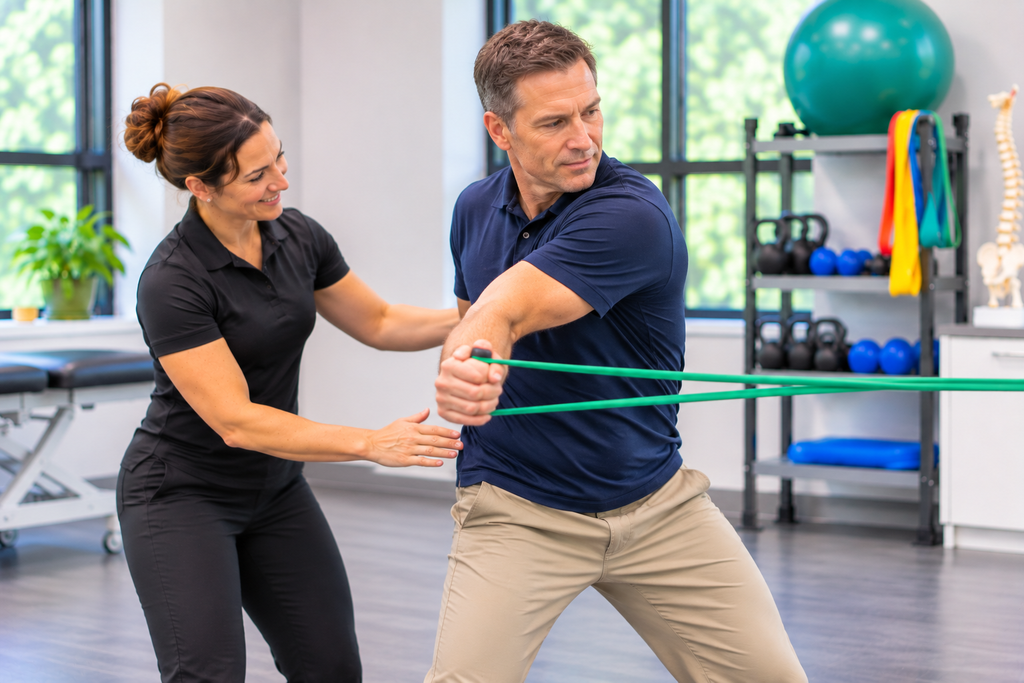
Whether you’re playing a quick nine holes after work, enjoying a weekend round with friends, or working toward improving your handicap, golf is a great way to stay active, challenge yourself, and enjoy Maine’s beautiful courses. But when lower back pain, shoulder stiffness, elbow discomfort, or hip pain starts interfering with your swing, even your favorite game can become frustrating. If you’ve experienced an injury, golf injury physical therapy can help address these issues and get you back on the course. Golf may appear to be a low-impact sport, but the physical demands of swinging a club, rotating through the spine and hips, walking the course, and repeating the same movements can place considerable stress on the body.
At Reform Physical Therapy, we provide personalized golf injury physical therapy to help golfers recover from injuries, improve strength and mobility, and return to playing more comfortably. Our licensed physical therapists take the time to understand your symptoms, movement limitations, activity demands, and personal goals. Through individualized, one-on-one care, we develop rehabilitation programs designed around your specific needs. Whether you’re recovering from an injury or experiencing discomfort during your swing, our goal is to help you move better and get back to enjoying the game. With seven convenient locations throughout Southern and Midcoast Maine, we’re here to help you return to the course with confidence.
Schedule Your Physical Therapy Evaluation Today
What Are Golf Injuries?
Golf injuries are musculoskeletal conditions that develop during or as a result of playing golf. Some occur suddenly, such as a muscle strain during a powerful swing or a wrist injury after striking the ground with a club. Others develop gradually through repetitive movements, prolonged practice, and accumulated physical demands. These are commonly referred to as overuse injuries. A golf swing requires coordinated movement throughout the body, including the spine, hips, shoulders, arms, wrists, and legs. As the body rotates and transfers force during the swing, muscles and joints must work together to produce and control movement. When physical demands exceed the body’s current capacity, discomfort or injury may develop.
Common areas affected by golf injuries include:
- Lower back
- Neck
- Shoulders
- Elbows
- Wrists and hands
- Hips
- Knees
- Muscles and tendons throughout the body
Golf injuries can affect beginners, experienced recreational players, and competitive golfers. Whether your pain develops during the backswing, at impact, or after completing a round, physical therapy can help identify contributing factors and guide an appropriate rehabilitation plan.
Common Golf Injuries We Treat
Golf places different demands on different parts of the body. Understanding the location of your symptoms, when they occur, and which movements make them worse is an important part of determining the appropriate treatment approach.
Lower Back Pain From Golf
Lower back pain is one of the most frequently reported musculoskeletal complaints among golfers. The golf swing involves coordinated rotation, bending, and force transfer through the trunk and lower body. For some individuals, repetitive swinging, muscular fatigue, limited movement tolerance, or underlying spinal conditions may contribute to discomfort.
Common symptoms include:
- Aching or stiffness across the lower back
- Pain during the backswing or follow-through
- Discomfort when rotating the trunk
- Stiffness after completing a round
- Pain when bending to retrieve a golf ball
- Reduced tolerance for prolonged standing or walking
- Discomfort that increases with repeated swings
Physical therapy may help improve trunk strength, hip mobility, muscular endurance, and tolerance for golf-related movements. Your therapist may also assess how the hips, spine, and lower body work together during rotational activities.
Golfer’s Elbow (Medial Epicondylitis)
Golfer’s elbow is a condition that causes pain along the inside of the elbow. Also known as medial epicondylitis, this condition involves irritation or degeneration of the tendons that help control wrist and finger movements. Despite its name, golfer’s elbow can affect anyone who performs repetitive gripping or wrist movements.
Common symptoms include:
- Pain along the inside of the elbow
- Tenderness near the inner elbow
- Discomfort when gripping a golf club
- Pain during wrist movements
- Reduced grip strength
- Symptoms that worsen during repeated swings
Physical therapy may include progressive forearm strengthening, tendon loading exercises, mobility training, and strategies for modifying aggravating activities. The goal is to improve the capacity of the affected tissues while supporting a gradual return to golf.
Tennis Elbow in Golfers
Although golfer’s elbow affects the inside of the elbow, golfers can also develop pain along the outside of the elbow. This condition is commonly called tennis elbow, or lateral epicondylitis. Repetitive gripping, wrist extension, and forceful movements may contribute to symptoms.
Common signs include:
- Pain on the outside of the elbow
- Tenderness near the outer elbow
- Discomfort when gripping a club
- Pain while lifting objects
- Reduced grip comfort
- Symptoms that worsen with repeated activity
Physical therapy may focus on progressive strengthening, tendon loading, movement assessment, and activity management.
Rotator Cuff Injuries
The rotator cuff consists of muscles and tendons that help stabilize and move the shoulder. During a golf swing, these structures contribute to coordinated shoulder movement and control. Repetitive swinging, muscular fatigue, or underlying shoulder conditions may contribute to pain.
Symptoms can include:
- Shoulder pain during the backswing
- Discomfort during follow-through
- Weakness when lifting the arm
- Pain with overhead movements
- Difficulty reaching behind the body
- Shoulder discomfort after playing
Physical therapy may help improve shoulder strength, mobility, coordination, and tolerance for golf-related movements. Treatment is based on the specific condition rather than assuming every golfer with shoulder pain has a rotator cuff injury.
Shoulder Impingement Symptoms
Some golfers experience shoulder discomfort when raising or rotating their arms. These symptoms may be associated with rotator cuff-related shoulder pain or other musculoskeletal conditions.
Common complaints include:
- Pain when lifting the arm
- Discomfort during certain parts of the golf swing
- Shoulder stiffness
- Weakness during upper-body movements
- Pain when reaching across the body
- Reduced tolerance for repeated swings
Physical therapy may include progressive shoulder strengthening, mobility exercises, and movement training.
Wrist and Hand Injuries
The wrists and hands play an important role in gripping, controlling, and accelerating the golf club. Repetitive swinging, forceful gripping, and striking the ground unexpectedly can contribute to discomfort or injury.
Common symptoms include:
- Wrist pain during the swing
- Tenderness around the wrist
- Discomfort when gripping the club
- Hand stiffness
- Reduced grip strength
- Pain following an unexpected impact
Potential conditions include tendon irritation, muscle strains, ligament injuries, and other wrist or hand disorders. Physical therapy may help restore mobility, improve grip strength, and support a gradual return to activity. Significant pain, swelling, or tenderness following an acute injury may require medical imaging or additional evaluation.
Hip Pain and Hip Mobility Limitations
The hips contribute to rotation, weight transfer, and stability throughout the golf swing. Limited mobility, muscular weakness, or underlying hip conditions may contribute to discomfort during golf-related movements.
Common symptoms include:
- Pain at the front or side of the hip
- Discomfort during trunk rotation
- Hip stiffness
- Pain while shifting weight during the swing
- Difficulty walking longer distances on the course
- Reduced comfort during the backswing or follow-through
Physical therapy may focus on hip strengthening, mobility exercises, movement control, and functional activity tolerance. Your therapist may also evaluate whether hip limitations are influencing how your body moves during rotational activities.
Knee Pain From Golf
Golf requires repeated weight shifting, lower-body rotation, and prolonged periods of walking and standing. For some individuals, these demands can contribute to knee discomfort.
Common symptoms include:
- Pain during the golf swing
- Discomfort when rotating through the lower body
- Knee stiffness
- Pain while walking the course
- Symptoms during squatting or bending
- Swelling after prolonged activity
Possible contributing conditions include arthritis, meniscus injuries, patellofemoral pain, and other musculoskeletal disorders. Physical therapy may help improve quadriceps strength, hip strength, balance, and tolerance for golf-related activity.
Neck Pain and Upper Back Stiffness
Golf requires coordinated movement through the neck, shoulders, and upper back. Maintaining posture over the ball and repeatedly rotating through the swing may contribute to discomfort in some players.
Symptoms may include:
- Neck stiffness
- Pain when turning the head
- Upper back tightness
- Discomfort during the backswing
- Reduced rotational mobility
- Headaches associated with neck discomfort
Physical therapy may include cervical and thoracic mobility exercises, strengthening, and movement training.
Muscle Strains
Muscle strains can occur when a muscle is overloaded or stretched beyond its current tolerance. In golf, sudden or forceful swinging may contribute to strains involving the back, shoulders, hips, or trunk.
Common symptoms include:
- Sudden pain during a swing
- Muscle tenderness
- Discomfort with certain movements
- Reduced strength
- Tightness after activity
- Difficulty completing a normal swing
Physical therapy may help restore strength, improve movement tolerance, and guide a gradual return to golf.
Overuse Injuries
Not every golf injury develops from a single movement. Repetitive practice, frequent rounds, and changes in activity demands can contribute to symptoms that develop gradually.
Common overuse conditions include:
- Golfer’s elbow
- Tennis elbow
- Rotator cuff-related shoulder pain
- Wrist tendinopathy
- Lower back discomfort
- Persistent muscle and tendon irritation
Physical therapy may help identify contributing factors, improve tissue loading tolerance, and guide appropriate training modifications.
What Causes Golf Injuries?
Golf injuries rarely have a single cause. Instead, several factors may influence how the body responds to repetitive swinging and the physical demands of playing.
Repetitive Swinging
A golf swing requires coordinated movement and force transfer through multiple joints. Repeated swings, particularly during long practice sessions, may increase the demands placed on muscles and tendons.
Sudden Increases in Playing or Practice
Returning to golf after the winter or significantly increasing practice time can expose the body to unfamiliar physical demands. A gradual return allows time for adaptation.
Limited Joint Mobility
Restrictions in the hips, shoulders, or spine may affect how comfortably a golfer moves through the swing. However, limited mobility does not automatically cause an injury. Your therapist can help determine whether specific restrictions are relevant to your symptoms.
Muscle Strength and Endurance Limitations
Golf requires strength and coordination throughout the trunk, hips, shoulders, and legs. When certain muscles fatigue or lack sufficient capacity, maintaining comfortable movement may become more difficult.
Previous Injuries
A history of back pain, shoulder injuries, or knee problems may influence how a golfer tolerates physical activity. Addressing lingering limitations can be an important part of rehabilitation.
Inadequate Recovery
Frequent rounds, repetitive practice, and insufficient recovery may contribute to accumulated fatigue. Rest and gradual training progression can help the body adapt to physical demands.
Sudden or Unexpected Movements
Striking the ground, slipping on uneven terrain, or making an unusually forceful swing may result in acute injuries.
How Golf Swing Mechanics Affect the Body
A golf swing involves coordinated movement throughout the entire body. Although golfers have different swing styles, the movement generally requires a combination of balance, rotation, muscular strength, and force transfer. Understanding how the body moves can help identify limitations that may contribute to discomfort.
Hip Rotation
The hips contribute to rotational movement and weight transfer during the swing. Restricted or painful hip movement may affect a golfer’s comfort.
Thoracic Spine Mobility
The thoracic spine, or upper and middle back, contributes to trunk rotation. Mobility exercises may be useful when restrictions are identified during an evaluation.
Lower Back Movement
The lower back contributes to overall trunk movement and stability. Repeated loading or sensitivity to certain positions may contribute to symptoms in some golfers.
Shoulder Mobility
The shoulders move through different positions during the backswing and follow-through. Adequate strength and comfortable mobility can support golf-related activities.
Balance and Weight Transfer
Golf requires coordinated shifts in body weight while maintaining control. Lower-body strength and balance contribute to these movements.
Core Strength and Coordination
The muscles surrounding the trunk help transfer and control forces between the upper and lower body. Progressive strengthening may help improve tolerance for rotational activities. There is no single perfect golf swing that prevents every injury. Physical therapy focuses on your individual symptoms, physical abilities, and movement goals rather than forcing every golfer into the same movement pattern.
How Are Golf Injuries Diagnosed?
A thorough evaluation helps identify the structures that may be contributing to your symptoms and determine whether physical therapy is appropriate. At Reform Physical Therapy, your therapist begins by learning about your medical history, golf habits, and current concerns.
Symptom History
We’ll discuss where your pain occurs, when it began, and whether it changes during certain parts of your swing.
Golf and Activity History
Your therapist may ask about:
- How frequently you play golf
- Typical practice duration
- Recent changes in playing frequency
- Whether symptoms occur during the backswing or follow-through
- Previous injuries
- Other exercise activities
- Functional limitations outside of golf
Strength Assessment
Testing may focus on the trunk, hips, shoulders, legs, or other areas relevant to your symptoms.
Mobility Assessment
Your therapist may evaluate spinal rotation, hip mobility, shoulder movement, and other relevant joint restrictions.
Balance and Functional Movement
Squatting, stepping, single-leg balance, and rotational movements may provide information about strength and coordination.
Golf-Related Movement Assessment
When appropriate, your therapist may observe controlled rotational movements or other golf-related tasks to help identify limitations affecting your activity tolerance.
Medical Screening
Certain symptoms, including suspected fractures, significant neurological changes, or severe joint injuries, may require additional medical evaluation. These findings help guide an individualized rehabilitation program.
Can Physical Therapy Help Golf Injuries?
Yes. Golf injury physical therapy can help many golfers recover from musculoskeletal injuries, improve strength and mobility, and return to playing more comfortably.
Treatment focuses on addressing symptoms while rebuilding the physical abilities needed for golf.
Depending on your condition, physical therapy may help:
- Reduce pain during daily activities
- Improve hip and spinal mobility
- Restore shoulder strength and movement
- Improve trunk strength and endurance
- Address elbow and wrist discomfort
- Improve balance and coordination
- Increase tolerance for rotational movements
- Restore confidence following an injury
- Improve walking tolerance on the course
- Support a gradual return to golf
Your treatment plan will depend on your diagnosis, symptoms, physical abilities, and goals. At Reform Physical Therapy, we believe rehabilitation should help you return to the activities you enjoy, not simply avoid them.
How Reform Physical Therapy Treats Golf Injuries
Our licensed physical therapists develop individualized rehabilitation programs based on your condition and golf-related goals.
1. Comprehensive Physical Therapy Evaluation
Your therapist begins by reviewing your symptoms, activity history, and functional limitations. Strength, mobility, balance, and movement assessments may help identify areas that could benefit from treatment.
2. Hip Mobility and Strengthening
The hips play an important role in rotation, stability, and weight transfer. Treatment may include targeted mobility exercises and progressive strengthening to improve comfortable movement.
3. Core Strength and Trunk Stability
Golf requires coordinated movement and muscular control throughout the trunk. Progressive strengthening can help improve the body’s capacity to tolerate rotational activity.
4. Thoracic Spine Mobility
When upper-back stiffness contributes to movement limitations, your therapist may recommend targeted mobility exercises. These may help improve comfortable trunk rotation during golf-related movements.
5. Shoulder and Rotator Cuff Strengthening
Shoulder rehabilitation may include progressive strengthening, mobility exercises, and movement training. Exercises are selected according to your symptoms and functional goals.
6. Elbow, Wrist, and Grip Rehabilitation
For golfers experiencing elbow or wrist discomfort, treatment may include progressive forearm strengthening, tendon loading, and grip-related exercises.
7. Manual Therapy
Hands-on techniques may help address associated pain, stiffness, or joint restrictions. Manual therapy is generally combined with active exercise and rehabilitation.
8. Balance and Lower-Body Strengthening
Lower-body strength and balance contribute to weight transfer and movement control. Your therapist may incorporate single-leg exercises, squats, step-ups, and other functional movements.
9. Golf-Specific Movement Progressions
As your strength and mobility improve, rehabilitation may incorporate movements that resemble the physical demands of golf. These activities are progressed according to your symptoms, physical abilities, and recovery goals.
10. Return-to-Golf Rehabilitation
Returning to golf after an injury may involve gradually increasing swing intensity, practice duration, and playing time. Your therapist can help develop a progression based on your recovery and the demands of your game.
Exercises That May Help Golfers
Golf requires a combination of strength, mobility, coordination, and muscular endurance. Although no single exercise program is appropriate for every golfer, certain movements may be useful during rehabilitation.
Thoracic Rotation Exercises
Thoracic rotation exercises help improve movement through the upper and middle back. These exercises may be useful when restricted trunk rotation contributes to discomfort or movement limitations.
Hip Mobility Exercises
Hip mobility exercises target comfortable movement through the hip joints. Your therapist may recommend specific exercises based on your evaluation findings.
Glute Bridges
Glute bridges strengthen the gluteal muscles and help develop hip extension strength. These muscles contribute to lower-body movement and stability.
Squats
Squats strengthen the quadriceps, glutes, and other muscles involved in supporting lower-body movement.
Resistance Band Rotations
Controlled rotational exercises using resistance bands can help strengthen the muscles involved in trunk rotation. Resistance and range of motion should be appropriate for your condition.
Shoulder External Rotation Exercises
Shoulder external rotation exercises can help strengthen the rotator cuff muscles. These exercises may be included in rehabilitation for certain shoulder conditions.
Forearm and Wrist Strengthening
Progressive wrist and forearm exercises may help improve grip strength and tendon loading tolerance. These are often relevant for golfers experiencing elbow or wrist discomfort.
Single-Leg Balance Exercises
Balance exercises challenge lower-body stability and coordination. They may help improve movement control during weight shifting and other functional activities.
Progressive Resistance Training
A structured strengthening program can help build the muscular capacity needed for repeated golf-related movements. Your physical therapist will determine which exercises are appropriate based on your symptoms, strength, mobility, and rehabilitation goals.
How to Return to Golf After an Injury
Returning to golf after an injury requires consideration of both physical recovery and the demands of the sport. The appropriate timeline depends on the type of injury, its severity, and your current abilities.
Step 1: Restore Comfortable Daily Movement
Before returning to golf, your therapist may assess whether walking, bending, reaching, and other everyday movements are manageable.
Step 2: Rebuild Strength and Mobility
Progressive strengthening and mobility exercises can help prepare your body for the physical demands of swinging and walking the course.
Step 3: Introduce Controlled Rotational Movements
When appropriate, rehabilitation may incorporate gentle trunk rotation and other movements that resemble portions of the golf swing.
Step 4: Begin With Short Practice Sessions
Depending on your recovery, you may begin with putting, chipping, or other lower-demand golf activities before progressing to more forceful swings.
Step 5: Gradually Increase Swing Intensity
As symptoms and physical capacity improve, practice may progress toward longer swings and higher-intensity movements.
Step 6: Return to Full Rounds
Your therapist can help you gradually increase playing time and overall activity demands. Some injuries require medical clearance or additional precautions before returning to golf, particularly following fractures, surgery, or significant musculoskeletal injuries.
Tips for Reducing Your Risk of Golf Injuries
Although no program can prevent every golf injury, appropriate conditioning and training habits may help reduce certain risks.
Warm Up Before Playing
A brief warm-up can help prepare your body for physical activity. Consider comfortable movements that gradually increase in intensity before taking full swings.
Build Strength
Regular resistance training can help improve the muscular capacity needed for golf.
Maintain Comfortable Mobility
Addressing relevant mobility limitations may help improve tolerance for golf-related movements.
Increase Practice Gradually
Avoid suddenly increasing the number of swings, practice sessions, or rounds when returning to golf after time away.
Take Breaks During Long Practice Sessions
Periodic breaks may help manage fatigue and repetitive loading.
Pay Attention to Persistent Pain
Occasional muscle soreness can occur after activity. However, recurring pain, worsening symptoms, or discomfort that changes how you swing may benefit from professional evaluation.
Prioritize Recovery
Adequate sleep, nutrition, and recovery between demanding activities support physical adaptation.
Golf Injuries and Returning to the Course After Winter
For many golfers in Maine, the season begins after several months away from regular play. That transition can bring a sudden increase in physical demands. Returning directly to long practice sessions or full rounds without gradually rebuilding activity tolerance may contribute to discomfort.
A thoughtful return-to-golf plan may include:
- Beginning with shorter practice sessions
- Gradually increasing the number of swings
- Incorporating lower-body and trunk strengthening
- Working on comfortable hip and shoulder mobility
- Allowing recovery time between demanding sessions
- Increasing walking distance gradually
- Addressing persistent symptoms before they worsen
Whether you’re preparing for spring golf or returning after an injury, physical therapy can help you work toward a comfortable transition back to the course.
How Long Does Golf Injury Rehabilitation Take?
Recovery time varies depending on the type and severity of the injury. Some mild muscle strains improve over several weeks, while persistent tendinopathies, significant ligament injuries, or postoperative conditions may require longer rehabilitation.
Factors influencing recovery include:
- Type of injury
- Severity and duration of symptoms
- Previous injuries
- Strength and mobility limitations
- Frequency of golf participation
- Physical demands of your game
- Associated medical conditions
- Response to rehabilitation
- Consistency with an individualized treatment plan
Your physical therapist will help establish realistic goals and adjust your program as your abilities improve. Rather than focusing only on a specific timeline, treatment emphasizes rebuilding the physical capacity needed for a successful return to golf.
When Should You Seek Medical Attention for Golf-Related Pain?
Occasional muscle soreness can occur after a demanding round or practice session. However, persistent or worsening symptoms should not be ignored.
Schedule an evaluation if you experience:
- Lower back pain that repeatedly interferes with your swing
- Shoulder pain during golf
- Persistent elbow or wrist discomfort
- Hip pain that limits rotation
- Knee pain while walking the course
- Recurring muscle strains
- Pain that affects everyday activities
- Difficulty returning to normal playing or practice
Seek prompt medical evaluation for:
- Severe pain following an injury
- Significant swelling or visible deformity
- Suspected fractures
- New or rapidly worsening muscle weakness
- Significant numbness or loss of sensation
- Loss of bladder or bowel control
- Severe back pain accompanied by concerning neurological symptoms
A physical therapist can help determine whether your symptoms are appropriate for rehabilitation or require additional medical assessment.
Why Choose Reform Physical Therapy for Golf Injuries?
At Reform Physical Therapy, we understand that golf is more than just a sport. For many people, it’s an opportunity to stay active, spend time with friends, enjoy the outdoors, and challenge themselves. Whether you’re trying to complete a round without back pain or return to the course after an injury, our team is committed to helping you work toward your goals.
One-on-One Physical Therapy
Your appointments focus on your individual needs, allowing time for thorough evaluation, personalized exercises, and hands-on treatment when appropriate.
The Same Physical Therapist Throughout Your Care
You’ll work with the same licensed physical therapist who understands your injury, progress, and rehabilitation goals.
No Aides or Technicians
Your treatment is provided directly by a licensed physical therapist.
Personalized Golf Injury Rehabilitation
Your treatment plan is developed around your symptoms, physical abilities, and golf-related goals.
Movement-Focused Rehabilitation
Our approach considers strength, mobility, coordination, and the physical demands of the activities you enjoy.
Independent, Locally Owned, and Woman-Owned
Reform Physical Therapy is proud to be an independent, woman-owned practice serving communities throughout Southern and Midcoast Maine.
We believe personalized care makes a difference, and your recovery deserves our full attention.
Golf Injury Physical Therapy Near You in Maine
Reform Physical Therapy proudly serves patients at seven convenient clinic locations:
- Topsham
- Brunswick
- Freeport
- Yarmouth
- South Portland
- Kennebunk
- Eliot
Our licensed physical therapists provide personalized rehabilitation for golf injuries, orthopedic conditions, mobility limitations, and activity-related discomfort. Whether you’re recovering from lower back pain, managing golfer’s elbow, or trying to improve your tolerance for walking and swinging, our team can help determine the appropriate next steps.
Don’t Let Golf Injuries Keep You Off the Course
Golf should be something you look forward to, not something you avoid because of pain. Whether you’re preparing for the upcoming season, recovering from an injury, or hoping to complete your next round more comfortably, individualized physical therapy can help you work toward your goals. At Reform Physical Therapy, we’re committed to helping you understand your symptoms, rebuild strength, improve mobility, and return to the activities you love.
Ready to get back on the course?
Schedule Your Physical Therapy Evaluation at Reform Physical Therapy Today.
Seven Maine locations. Personalized, one-on-one care. The same physical therapist throughout your treatment.