


Carpal Tunnel Syndrome Treatment
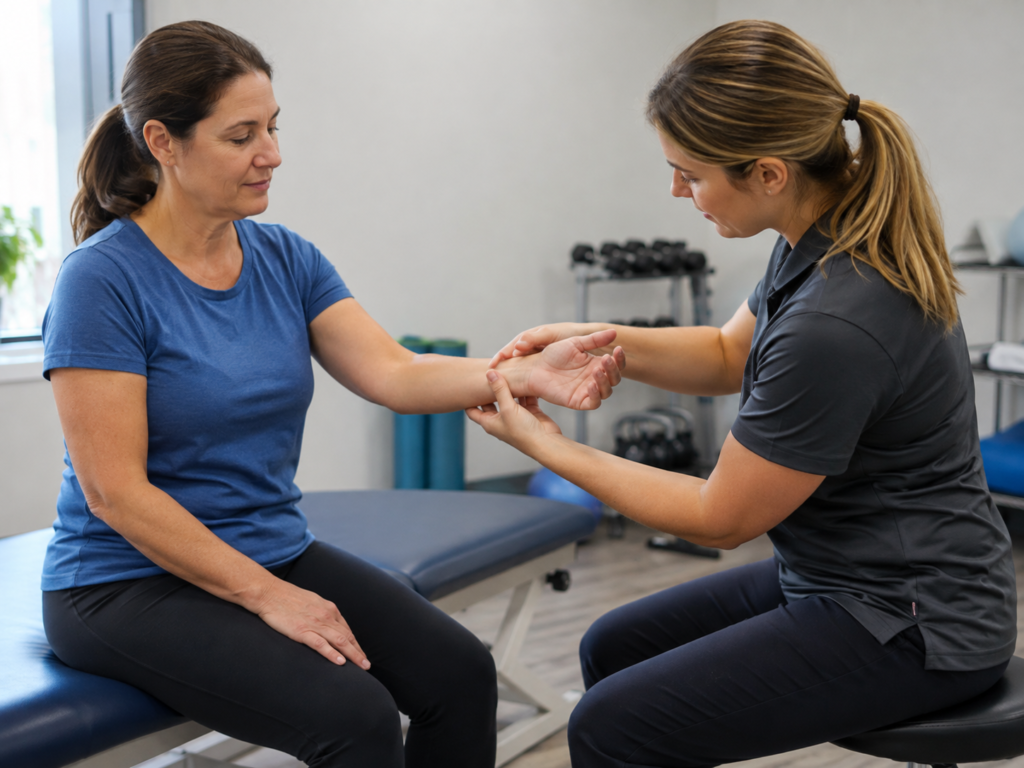
Carpal tunnel syndrome treatment can help reduce numbness, tingling, hand weakness, wrist discomfort, and difficulty gripping or using the hand during everyday activities. Carpal tunnel syndrome develops when the median nerve becomes compressed as it travels through a narrow passageway in the wrist called the carpal tunnel. This nerve provides feeling to the thumb, index finger, middle finger, and part of the ring finger. It also helps control some of the muscles around the thumb.
Symptoms may begin gradually and become more noticeable at night, while driving, using a phone, typing, gripping objects, or completing repetitive hand activities. In some cases, numbness and weakness can become more constant if pressure on the nerve continues. At Reform Physical Therapy, we provide one-on-one carpal tunnel syndrome treatment based on your symptoms, hand strength, wrist movement, daily activities, work demands, and goals. Treatment may include activity changes, mobility exercises, strengthening, nerve gliding, hands-on care, ergonomic guidance, and a personalized home exercise program.
Understanding Carpal Tunnel Syndrome
The carpal tunnel is a narrow space on the palm side of the wrist. The median nerve and several tendons pass through this area on their way into the hand. When space inside the tunnel decreases or surrounding tissues swell, pressure can build around the median nerve. This pressure may cause tingling, numbness, pain, weakness, or changes in hand coordination. Symptoms can affect one hand or both hands. Carpal tunnel syndrome treatment should address more than temporary pain relief. A complete plan considers wrist position, hand use, strength, nerve mobility, work activities, and any medical conditions that may contribute to nerve irritation.
Common Carpal Tunnel Symptoms
Numbness and tingling are among the most common symptoms. These sensations usually affect the thumb, index finger, middle finger, and part of the ring finger. The little finger is typically not affected because it receives sensation from a different nerve. Some people describe burning, pins-and-needles, aching, or electric sensations in the hand. Symptoms may travel upward into the wrist or forearm. As the condition progresses, grip may feel weaker. A person might begin dropping objects, struggling to open jars, or having trouble with buttons and other fine hand movements. Long-standing nerve compression can also affect muscles around the base of the thumb.
Numbness and Tingling in the Hand
Numbness may come and go during the early stages of carpal tunnel syndrome. Holding a steering wheel, phone, book, or other object can sometimes trigger symptoms because the wrist remains in one position for an extended period. Nighttime symptoms are also common, particularly when the wrist bends during sleep. People may shake or move the hand in an attempt to relieve the tingling. While this can provide temporary relief, recurring symptoms should be evaluated if they are becoming more frequent.
Carpal tunnel syndrome treatment may include improving wrist positioning and reducing activities that repeatedly place the median nerve under pressure.
Nighttime Symptoms
Carpal tunnel symptoms often become more noticeable at night. Some people wake with numbness, burning, or tingling in the hand and fingers. Sleeping with the wrist bent may increase pressure within the carpal tunnel. For this reason, a wrist splint that keeps the wrist closer to a neutral position may be recommended in some cases. A brace is only one part of treatment. Hand strength, wrist mobility, activity habits, and nerve movement may also need to be addressed.
Hand and Grip Weakness
Pressure on the median nerve can affect the muscles used for thumb movement and hand function. People may notice that objects feel harder to hold. Opening bottles, carrying a coffee mug, turning keys, using tools, or gripping exercise equipment may become difficult. Some weakness develops because pain or numbness causes the person to avoid using the hand normally. In more advanced cases, however, the nerve itself may not be sending normal signals to the muscles. Progressive weakness should be evaluated rather than ignored.
Dropping Objects
Dropping objects can happen when sensation or grip control decreases. A person may have difficulty judging how firmly they are holding something, especially if the fingertips feel numb. Tasks such as carrying dishes, holding tools, using utensils, or handling small objects may become frustrating. Carpal tunnel syndrome treatment may gradually address grip strength, wrist control, hand coordination, and safe activity progression.
Common Causes and Risk Factors
Carpal tunnel syndrome usually develops from pressure on the median nerve rather than one single injury. Several factors may reduce the amount of space inside the tunnel or make the nerve more sensitive. Wrist fractures, arthritis-related changes, inflammatory conditions, diabetes, and certain anatomical differences can all increase risk. Repeated hand use may also contribute, especially when tasks involve prolonged or forceful wrist positions. However, repetitive activity is often only one part of the picture rather than the only cause.
Repetitive Hand and Wrist Activity
Work and hobbies that require repeated gripping, wrist bending, tool use, typing, or fine hand movements may increase symptoms in some people. The problem may become more noticeable when the wrist remains bent for long periods or when the hand repeatedly performs high-force tasks. For example, construction, assembly work, healthcare, food preparation, mechanical work, office work, and certain hobbies can all place repeated demands on the wrist and hand. Changing how a task is performed can sometimes reduce irritation while strength and mobility improve.
Computer and Office Work
Keyboard or mouse use does not automatically cause carpal tunnel syndrome, but prolonged wrist positions and repetitive hand activity may aggravate symptoms in someone who already has nerve compression. A keyboard positioned too high or low may cause the wrists to remain bent. Reaching toward the mouse for long periods may also increase forearm tension. Carpal tunnel syndrome treatment may include reviewing desk height, keyboard position, mouse setup, chair support, and movement breaks. The goal is not to find one perfect posture. Instead, the wrist should spend less time in positions that increase symptoms.
Carpal Tunnel Syndrome During Pregnancy
Pregnancy can sometimes contribute to carpal tunnel symptoms because fluid retention and swelling may increase pressure around the median nerve. Symptoms can include numbness, tingling, hand pain, or weakness. Medical providers should be involved when symptoms develop during pregnancy, particularly if swelling is significant or other health concerns are present. Physical therapy may help with comfortable wrist positioning, gentle exercises, activity changes, and symptom management when appropriate.
Diabetes and Carpal Tunnel Syndrome
Diabetes is associated with a greater risk of nerve problems, including carpal tunnel syndrome. People with diabetes may also experience peripheral neuropathy, which can cause numbness or tingling in the hands and feet. Because these symptoms may overlap, an evaluation can help determine whether the median nerve at the wrist is likely involved or whether another nerve condition may be contributing.
Carpal Tunnel Syndrome After a Wrist Injury
A wrist fracture or dislocation can change the shape or space within the carpal tunnel and place pressure on the median nerve. Swelling after an injury may also temporarily increase nerve compression. New numbness or weakness following a wrist injury should be evaluated promptly because a fracture, nerve injury, or other condition may require medical treatment.
Other Conditions That Can Feel Like Carpal Tunnel Syndrome
Not every numb or painful hand is caused by carpal tunnel syndrome. Nerve irritation in the neck can create tingling, numbness, pain, or weakness that travels into the hand. Cubital tunnel syndrome affects a different nerve and often causes symptoms in the ring and little fingers. Arthritis, tendon irritation, wrist injuries, peripheral neuropathy, and other nerve conditions can also cause similar symptoms. A physical therapy evaluation should consider the neck, shoulder, elbow, forearm, wrist, and hand when the symptom pattern is unclear.
Effects on Daily Activities
Carpal tunnel syndrome can affect many everyday tasks. Using a phone, driving, typing, cooking, opening containers, writing, dressing, carrying groceries, or completing household chores may become uncomfortable. Some people stop using the affected hand as much because they are worried about triggering symptoms. This can lead to more weakness and reduced confidence. A complete carpal tunnel syndrome treatment plan focuses on restoring useful hand function, not simply reducing tingling for a short period.
Effects on Work
Work tasks can become difficult when they require repeated gripping, typing, tool use, lifting, or fine hand coordination. Symptoms may begin during the workday and continue after the shift ends. In some cases, nighttime symptoms become worse following a demanding day. Treatment may include temporary work modifications, ergonomic changes, pacing strategies, and exercises that gradually prepare the hand and wrist for normal job demands.
Physical Therapy Evaluation
Your first appointment begins with a discussion about where the numbness or pain is located, when the symptoms started, and which activities make them better or worse. Your therapist may ask about nighttime symptoms, hand weakness, dropping objects, work activities, previous wrist injuries, diabetes, neck pain, and other medical conditions. During the examination, wrist and finger movement may be assessed. Grip strength, thumb strength, sensation, hand coordination, and forearm strength may also be checked.
Your therapist may assess whether certain wrist positions reproduce the symptoms. The neck, shoulder, and elbow may also be examined because nerve symptoms can come from other areas of the arm. These findings help determine whether carpal tunnel syndrome treatment is appropriate or whether additional medical testing is needed.
Nerve Testing and Medical Diagnosis
Carpal tunnel syndrome may sometimes require nerve conduction studies or electromyography to determine how well the median nerve is working. These tests can help measure nerve and muscle function when the diagnosis or severity is unclear. Ultrasound may also be used in some cases to examine the median nerve, while X-rays may help identify arthritis or a previous fracture. Testing is especially important when symptoms are severe, weakness is progressing, or surgery is being considered.
Carpal Tunnel Syndrome Treatment
Carpal tunnel syndrome treatment may include activity modification, splinting, exercises, nerve mobility work, strengthening, and education. Physical therapists may teach gentle stretching for the hand, wrist, and fingers and provide recommendations for reducing irritation during daily activities. Treatment should match the severity of the condition. Mild symptoms may respond well to nonsurgical care, while significant nerve compression or muscle weakness may require medical or surgical evaluation.
Wrist Positioning
Keeping the wrist closer to a neutral position can reduce pressure on the median nerve for some people. This may be especially helpful while sleeping, typing, driving, or completing tasks that normally involve wrist bending. Your therapist may help identify positions that increase symptoms and find more comfortable alternatives. Rather than trying to keep the wrist perfectly straight all day, the goal is to reduce long periods in positions that repeatedly trigger numbness or tingling.
Wrist Splinting
A wrist splint may be recommended to help maintain a neutral wrist position, particularly at night. Splinting may also provide temporary support during certain activities. A brace should fit comfortably and should not create new numbness, pressure, swelling, or skin irritation. While splinting may reduce symptoms, it does not restore strength or address all contributing factors. Exercise and activity changes may still be needed.
Nerve Gliding Exercises
Nerve gliding exercises are designed to gently move the median nerve through the arm and wrist. These exercises use specific arm, wrist, and finger positions to help the nerve move without placing it under excessive tension. They should be performed gently. Strong stretching, increased numbness, or lasting tingling may mean the movement is too aggressive. Your therapist can determine whether nerve gliding is appropriate and teach the correct amount of movement.
Tendon Gliding Exercises
The tendons that move the fingers also travel through the carpal tunnel. Tendon gliding exercises use different finger positions to help these tendons move smoothly. The movements may include straightening the fingers, making different types of fists, and returning to an open hand. These exercises should remain controlled and should not cause a major increase in numbness or pain.
Wrist and Hand Mobility
Gentle mobility exercises may help maintain movement in the wrist, fingers, and thumb. Stiffness may develop when the hand has been protected for a long time or when symptoms cause a person to avoid movement. Exercises should stay within a comfortable range. Movement alone may not resolve nerve compression, but maintaining mobility can support normal hand function during recovery.
Grip and Hand Strengthening
Strengthening may be introduced when symptoms allow. Exercises can target grip, thumb control, wrist muscles, and finger strength. Early resistance should remain light. As symptoms improve, the program may progress toward carrying, lifting, typing, tool use, or other tasks needed for work and daily life. Physical therapists may use strengthening exercises to improve wrist and hand function as part of nonsurgical care.
Forearm and Upper-Body Strengthening
The wrist does not work alone. Forearm, shoulder, and upper-back muscles help control the arm during lifting, gripping, and repetitive activities. Weakness higher in the arm may cause the wrist and hand to work harder during certain tasks. Treatment may include forearm exercises, rows, shoulder strengthening, and other upper-body movements based on the patient’s needs.
Ergonomic Changes
Ergonomic adjustments may reduce the amount of time the wrist spends in positions that increase symptoms. At a computer, this may include changing keyboard height, adjusting the mouse, supporting the forearms, or taking more frequent breaks. People who use tools may benefit from changing handle size, grip force, or task position. ChoosePT notes that physical therapists may provide education about posture, wrist position, and work setup as part of carpal tunnel care.
Manual Therapy
Hands-on treatment may be used when stiffness or muscle tension affects wrist and hand movement. This may include gentle joint movement, soft-tissue techniques, or mobility work around the wrist and forearm. Manual therapy should not create strong numbness or tingling. Hands-on treatment is usually combined with exercise, education, and activity changes rather than used as the only form of care.
Home Exercise Program
Your home program may include nerve gliding, tendon gliding, wrist mobility, hand strengthening, and activity guidance. The exercises should be simple enough to complete consistently. A program may begin gently and become more challenging as numbness decreases and hand strength improves. Your therapist may also provide specific recommendations for work, sleep, phone use, driving, or other activities that commonly trigger symptoms.
Corticosteroid Injections
A medical provider may recommend a corticosteroid injection for some cases of carpal tunnel syndrome. The injection may temporarily reduce swelling and pressure around the median nerve. However, the effects may not be permanent. Injection decisions should be discussed with a physician who can consider the severity of the nerve compression and the person’s overall health. Physical therapy may still be helpful for restoring movement, strength, and hand function.
Carpal Tunnel Release Surgery
Carpal tunnel release surgery may be recommended when symptoms are severe, weakness is progressing, or nonsurgical care has not provided enough relief. During the procedure, the ligament forming the roof of the carpal tunnel is released to reduce pressure on the median nerve. Surgery may be performed through an open incision or a smaller endoscopic approach depending on the surgeon and individual case. Rehabilitation afterward may help restore hand movement, strength, scar mobility, and normal use of the wrist.
Rehabilitation After Surgery
After carpal tunnel release, treatment may begin with gentle finger and wrist movement according to the surgeon’s instructions. Scar sensitivity, stiffness, grip weakness, and difficulty using the hand may occur during recovery. Physical therapy may include mobility exercises, strengthening, scar management, activity progression, and guidance for returning to work or hobbies. Heavy gripping and lifting are usually added gradually based on healing and medical guidance.
Recovery Time
Recovery depends on the severity of nerve compression, how long symptoms have been present, and whether surgery is needed. Mild symptoms may begin improving within several weeks when the wrist is protected and contributing activities are modified. Long-standing nerve compression may require a longer recovery. After surgery, pain may improve before sensation or strength fully returns. A nerve that has been compressed for a long time can recover slowly. Signs of progress may include fewer nighttime symptoms, less tingling, stronger grip, improved thumb control, and greater tolerance for work and daily activities.
Preventing Symptoms From Returning
Reducing long periods of wrist bending may help prevent future irritation. Regular movement breaks can be useful during computer work, tool use, driving, or other repetitive activities. Hand, wrist, and forearm strengthening may also help the arm tolerate daily demands. The goal is not to avoid using the hand. Instead, activity should be balanced with enough variation, strength, and recovery time.
Medical Warning Signs
Seek medical evaluation when numbness becomes constant, weakness is getting worse, or you begin dropping objects frequently. Visible muscle loss around the base of the thumb may suggest more advanced nerve compression and should be assessed promptly. Sudden hand weakness following an injury, severe wrist swelling, deformity, or inability to move the fingers may indicate a fracture, tendon injury, or another urgent problem. A cold, pale, blue, or severely numb hand requires urgent medical care because circulation or nerve function may be affected. New arm or hand numbness accompanied by facial drooping, difficulty speaking, chest pain, or sudden weakness on one side of the body requires emergency medical evaluation.
Carpal Tunnel Syndrome Treatment in Maine
Reform Physical Therapy provides one-on-one carpal tunnel syndrome treatment at our Maine clinic locations. We help patients experiencing hand numbness, tingling, wrist discomfort, grip weakness, nighttime symptoms, and difficulty completing work or everyday activities. Your carpal tunnel syndrome treatment plan may include wrist positioning, nerve and tendon gliding, strengthening, ergonomic changes, hands-on care, and a gradual return to normal hand use. The goal is not simply to reduce temporary tingling. Treatment also helps improve hand function, strength, and confidence while reducing the amount of stress placed on the median nerve.
Schedule a Carpal Tunnel Syndrome Evaluation
Carpal tunnel syndrome can interfere with sleeping, driving, working, typing, exercising, and normal daily activities. Recurring numbness or weakness should not be ignored, especially when symptoms are becoming more constant. A one-on-one evaluation can help determine whether your symptoms fit a carpal tunnel pattern and whether physical therapy may be appropriate.