


Recovery After Vaginal Birth
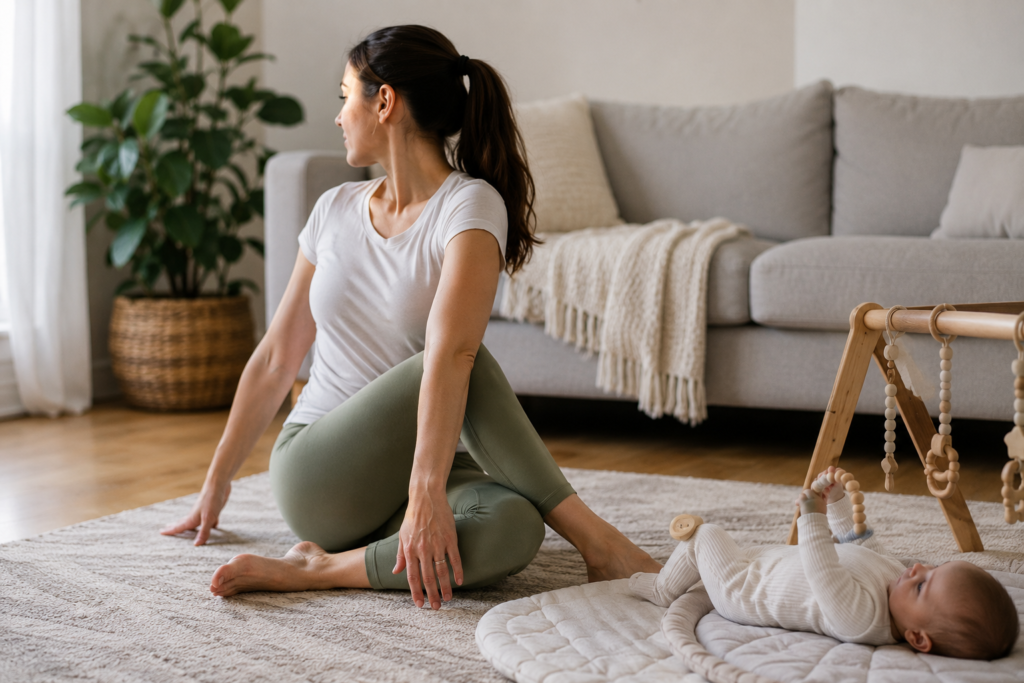
Recovery after vaginal birth is different for every person. Pregnancy and delivery place significant demands on the pelvic floor, abdominal muscles, hips, back, and surrounding tissues. After your baby arrives, these areas need time to heal while your body adjusts to an entirely new routine. You may experience soreness, pelvic pressure, weakness, urinary leakage, abdominal changes, back pain, or discomfort with everyday movements. Other people have very few symptoms but want guidance on safely rebuilding strength and returning to exercise.
At Reform Physical Therapy, pelvic health care for recovery after vaginal birth is available at our South Portland clinic. Treatment is personalized around your pregnancy, delivery, symptoms, current abilities, and goals. Recovery is not about getting your old body back as quickly as possible. Instead, the goal is to help your body heal, rebuild strength, improve function, and feel more comfortable during everyday life.
Understanding Recovery After Vaginal Birth
During vaginal delivery, the pelvic floor muscles and surrounding tissues stretch to allow your baby to pass through the birth canal. At the same time, your body is already recovering from months of pregnancy related changes. The abdominal wall has stretched, your center of gravity has shifted, and your muscles have adapted to carrying additional weight. After delivery, these changes do not immediately disappear. Your body begins healing while you are also feeding, carrying, lifting, and caring for a newborn. Therefore, recovery after vaginal birth should consider both healing and the new physical demands placed on your body.
What Is Normal After Vaginal Birth?
Soreness, swelling, fatigue, and changes in pelvic floor function can occur during the early postpartum period. Some people notice difficulty sitting comfortably. Others experience weakness when getting out of bed, walking, using stairs, or lifting their baby. Urinary leakage can also occur, particularly with coughing, sneezing, laughing, or sudden movements. Although many postpartum symptoms are common, you do not have to assume they are something you must permanently live with. Symptoms that continue, worsen, or interfere with daily life deserve attention.
Pelvic Floor Recovery
Your pelvic floor supports the bladder, bowel, uterus, and other pelvic structures. Pregnancy increases the demands placed on these muscles. Vaginal delivery then requires them to stretch significantly. After birth, the pelvic floor may feel weak, tight, sore, or difficult to coordinate. Importantly, pelvic floor recovery does not always mean doing more Kegel exercises. Some people need strengthening, while others need help relaxing muscles that have become overly tense. A pelvic health physical therapist can determine what your muscles actually need before creating a treatment plan.
Pelvic Floor Weakness After Birth
Pelvic floor weakness may contribute to urinary leakage, difficulty controlling gas, pelvic pressure, or reduced support during exercise. Weakness can also make certain movements feel less controlled. Treatment may begin with learning how to correctly contract and relax the pelvic floor. Breathing and abdominal coordination may also be incorporated because these muscle groups naturally work together. As strength improves, exercises can become more functional and eventually include lifting, carrying, squatting, running, or other activities.
Pelvic Floor Tightness
Not every postpartum pelvic floor is weak. Muscles can also become tight or overactive following pregnancy and delivery. This may contribute to pelvic pain, discomfort with intercourse, difficulty emptying the bladder or bowel, or pain with certain movements. Simply adding strengthening exercises may make these symptoms worse for some patients. Instead, treatment may focus on breathing, relaxation, mobility, and improving the ability to control pelvic floor tension.
Urinary Leakage After Vaginal Birth
Urinary leakage is one of the more common pelvic floor concerns after pregnancy and delivery. You might notice leakage when coughing, sneezing, laughing, lifting your baby, exercising, jumping, or running. Symptoms may improve naturally as your body heals. However, continued leakage can indicate that the pelvic floor and surrounding muscles need additional rehabilitation. Pelvic health physical therapy can evaluate strength, coordination, breathing, and pressure management to determine what may be contributing to your symptoms.
Pelvic Pressure or Heaviness
A feeling of heaviness or pressure in the pelvis can develop after vaginal delivery. Symptoms may become more noticeable after standing for a long time, carrying your baby, walking farther, exercising, or reaching the end of a busy day. Pelvic pressure can have several possible causes. Therefore, an evaluation is important rather than assuming the pelvic floor simply needs strengthening. Your therapist can assess how your pelvic floor, abdominal muscles, breathing, and movement work together.
Perineal Soreness
The perineum is the area between the vaginal opening and anus. This tissue stretches significantly during vaginal delivery and may feel sore afterward. Swelling, bruising, tearing, or stitches can make sitting and moving uncomfortable during early recovery. Healing takes time. Once the area has appropriately healed, pelvic health physical therapy may help address continued sensitivity, muscle tension, or scar restrictions.
Recovery After Perineal Tearing
Perineal tears can occur during vaginal birth and range from minor tissue injuries to deeper tears involving additional structures. Your obstetric provider will monitor the initial healing process. After the tissue has healed sufficiently, physical therapy may help address lingering discomfort, pelvic floor function, scar mobility, weakness, and movement. The rehabilitation plan should always consider the degree of tearing and any instructions provided by your medical team.
Episiotomy Recovery
An episiotomy is a surgical incision made in the perineal area during some vaginal deliveries. As the incision heals, some people experience tenderness, pulling, sensitivity, or scar discomfort. Once healing is complete and your medical provider has cleared the area, pelvic health treatment may include scar mobility work, pelvic floor rehabilitation, and strategies for gradually returning to comfortable activity. Treatment should never involve forcing painful tissue.
Pelvic Pain After Vaginal Birth
Pelvic pain may occur around the pubic bone, vagina, tailbone, lower abdomen, hips, buttocks, or deeper pelvic region. Several factors can contribute, including muscle tension, tissue healing, pelvic floor changes, prolonged labor positions, or injury during delivery. Your symptoms may increase while sitting, walking, exercising, lifting, or using the bathroom. A pelvic health evaluation can help identify which movements and tissues may be contributing to the discomfort.
Tailbone Pain
The tailbone, also called the coccyx, can become painful during or after vaginal delivery. Sitting may be particularly uncomfortable. Feeding your baby, driving, or sitting at a desk can therefore become difficult. Changing positions and reducing prolonged pressure may help during early recovery. Persistent tailbone pain can also be evaluated by a physical therapist to determine whether surrounding muscles, joints, or movement patterns are contributing.
Back and Hip Pain
Pregnancy changes how the hips, pelvis, and lower back handle movement and weight. Those demands do not disappear immediately after delivery. Additionally, caring for a newborn involves repeated lifting, bending, feeding, carrying, and sitting. Postpartum back or hip pain may become especially noticeable while getting out of bed, picking up your baby, carrying a car seat, or standing for long periods. Treatment can address strength, mobility, lifting mechanics, and movement patterns to make these activities more comfortable.
Abdominal Recovery
Your abdominal muscles stretch considerably during pregnancy. After delivery, they need time to regain strength and coordination. Early recovery may focus on breathing, gentle abdominal activation, and learning how to manage pressure during movement. Over time, exercises can progress toward more challenging movements that prepare you for lifting, exercise, work, and daily activities.
Diastasis Recti
Diastasis recti occur when the connective tissue between the abdominal muscles stretches during pregnancy. Some degree of separation is common as the abdomen expands. After delivery, you may notice a gap, weakness, or bulging through the middle of the abdomen during certain movements. Physical therapy looks beyond the size of the gap. Your therapist can assess how well the abdominal wall creates tension and manages pressure during movement. The goal is better function rather than chasing one specific measurement.
Breathing and Pressure Management
The diaphragm, abdominal muscles, and pelvic floor work together when you breathe and move. This coordination becomes especially important when lifting, coughing, exercising, or performing more demanding activities. Physical therapy may use breathing exercises to help reconnect these areas. Eventually, you should not have to consciously think about every breath. Early practice simply helps your body relearn efficient coordination.
Pain With Intercourse After Vaginal Birth
Pain with intercourse can occur after vaginal delivery. Scar tissue, tissue sensitivity, pelvic floor tightness, hormonal changes, dryness, and fear of discomfort may all contribute. Pelvic health physical therapy can assess pelvic floor tension, muscle coordination, mobility, and scar tissue when appropriate. Treatment should always move at a pace that feels comfortable for you. Persistent pain is worth discussing with your medical provider or pelvic health physical therapist rather than simply trying to push through it.
Bowel Changes After Delivery
Some people experience constipation, straining, bowel urgency, or difficulty coordinating the muscles needed for a bowel movement after delivery. Pelvic floor muscles play an important role in bowel function. A pelvic health physical therapist can assess whether muscle tension, weakness, coordination, or movement habits may be contributing. Treatment can also include education about positioning and pressure management.
Returning to Everyday Activities
Daily life after having a baby can be surprisingly physical. Getting out of bed, lifting your baby, carrying a car seat, pushing a stroller, feeding, changing diapers, doing laundry, and completing household tasks all place demands on a recovering body. Recovery after vaginal birth should prepare you for these real activities. Instead of focusing only on exercises performed in the clinic, treatment can help you become stronger and more comfortable during the movements you repeat every day.
Lifting Your Baby
Your baby becomes heavier quickly, which means lifting gradually becomes a form of strength training. Early on, you may need to modify how you lift from a bassinet, crib, changing table, or floor. As your core, hips, legs, and pelvic floor become stronger, lifting can feel more natural. Physical therapy can help you build strength for these movements rather than trying to avoid them.
Feeding Positions
Breastfeeding, bottle feeding, and pumping can involve long periods in one position. Looking down toward your baby may contribute to neck, shoulder, and upper back discomfort. Using pillows, supporting your arms, changing positions, and bringing your baby toward you rather than constantly leaning forward may help. Your therapist can also address upper back mobility and strength when feeding positions contribute to pain.
Returning to Exercise After Vaginal Birth
Returning to exercise should happen gradually. The American College of Obstetricians and Gynecologists recommends gradually resuming physical activity after pregnancy when it is medically safe, with timing based on the type of delivery and whether complications occurred. Walking and gentle movement may begin before more demanding exercise. As your body becomes stronger, treatment may progress toward resistance training, cardiovascular exercise, running, jumping, or sport specific activities. Your recovery should be guided by both healing and how your body responds.
Returning to Running
Running requires considerably more strength and control than walking. Before returning, it can be helpful to evaluate pelvic floor symptoms, abdominal control, hip strength, balance, and tolerance for impact. Leakage, pelvic heaviness, pain, or significant abdominal bulging during exercise may indicate that your body needs additional preparation. These symptoms do not necessarily mean you cannot return to running. Instead, rehabilitation can help build the strength and control needed to tolerate impact more comfortably.
Returning to Strength Training
Strength training can be a valuable part of recovery after vaginal birth. Resistance should increase gradually. Early exercises may focus on basic squatting, pushing, pulling, carrying, and hip strengthening. Later exercises can become heavier and more similar to your normal workout routine. Breathing and pressure management can also be incorporated when lifting heavier weights.
Physical Therapy Evaluation
Your first visit begins with a conversation about your pregnancy, delivery, symptoms, medical history, daily activities, and goals. Your therapist may ask about tearing, stitches, pain, urinary leakage, bowel symptoms, pelvic pressure, exercise, intercourse, abdominal weakness, and activities that currently feel difficult. Movement, breathing, abdominal function, hip strength, back mobility, and pelvic floor coordination may be assessed depending on your symptoms. Pelvic floor assessment is only performed when appropriate and with your informed consent.
Recovery After Vaginal Birth Treatment
Treatment depends on what your body needs. Some patients primarily need pelvic floor strengthening. Others need relaxation, mobility, pain treatment, scar rehabilitation, abdominal strengthening, or help returning to exercise. Your treatment may include therapeutic exercise, breathing and pressure management, pelvic floor rehabilitation, core strengthening, hip and back exercises, hands on treatment, scar mobility, and activity modifications. Most importantly, treatment progresses based on your individual recovery rather than following the same timeline for everyone.
How Long Does Recovery Take?
There is no single recovery timeline after vaginal birth. Your experience can be influenced by your pregnancy, length of labor, amount of pushing, tearing, assisted delivery, previous pregnancies, overall health, and other factors. Some symptoms improve relatively quickly. Others require several weeks or months of rehabilitation. Recovery also does not always happen in a straight line. You may feel better one week and notice increased soreness after becoming more active the next. Progress should be measured by improvements in comfort, strength, movement, and function rather than comparing your timeline with someone else’s.
When to Start Pelvic Floor Physical Therapy
The right time to begin depends on your delivery and symptoms. Early postpartum movement may be appropriate after an uncomplicated delivery when your medical provider says it is safe. More involved pelvic floor rehabilitation may begin later as tissues heal. You do not need to wait until symptoms become severe to ask about physical therapy. If you are experiencing leakage, pelvic pressure, pain, weakness, difficulty returning to exercise, or questions about your recovery, an evaluation can help determine what is appropriate.
When to Contact Your Medical Provider
Physical therapy is one part of postpartum care and does not replace medical follow up. Contact your medical provider for heavy or increasing bleeding, fever, worsening pain, concerns about stitches or wound healing, significant leg swelling, severe headaches, vision changes, chest pain, shortness of breath, or other new or concerning symptoms. Emotional and mental health changes after birth also deserve attention and support. When you are unsure whether a symptom is part of normal recovery, contact your medical provider.
Recovery After Vaginal Birth in South Portland, Maine
Reform Physical Therapy provides pelvic health physical therapy for recovery after vaginal birth at our South Portland clinic. Treatment can address pelvic floor weakness or tension, urinary symptoms, pelvic pain, abdominal weakness, difficulty returning to exercise, and other postpartum concerns. Your treatment plan is built around your body, your symptoms, and the activities you want to return to. Whether your goal is comfortably caring for your baby, returning to work, exercising again, running, lifting weights, or simply feeling more confident in your body, our South Portland pelvic health team can help guide your recovery.
Schedule a Postpartum Evaluation
Your body spent months adapting to pregnancy and then went through the physical demands of childbirth. It deserves time and individualized support during recovery. If you are experiencing pain, leakage, pelvic pressure, weakness, difficulty returning to exercise, or simply have questions about your recovery, pelvic health physical therapy may help.