


Pain With Intercourse or Sexual Activity
Pain with intercourse or sexual activity can affect physical comfort, relationships, confidence, and quality of life. Some people experience pain only with penetration. Others notice discomfort during or after sexual activity, with certain positions, during orgasm or ejaculation, or even with activities such as inserting a tampon.
Pain may feel sharp, burning, aching, tight, tender, or like pressure. It can occur near the vaginal opening, deeper within the pelvis, around the vulva, penis, testicles, perineum, rectal area, lower abdomen, or other parts of the pelvis. There are many possible causes of painful sexual activity. Pelvic floor muscle tension or poor coordination may contribute, but hormonal changes, infections, skin conditions, endometriosis, scar tissue, prostate conditions, nerve problems, and other medical concerns can also cause symptoms.
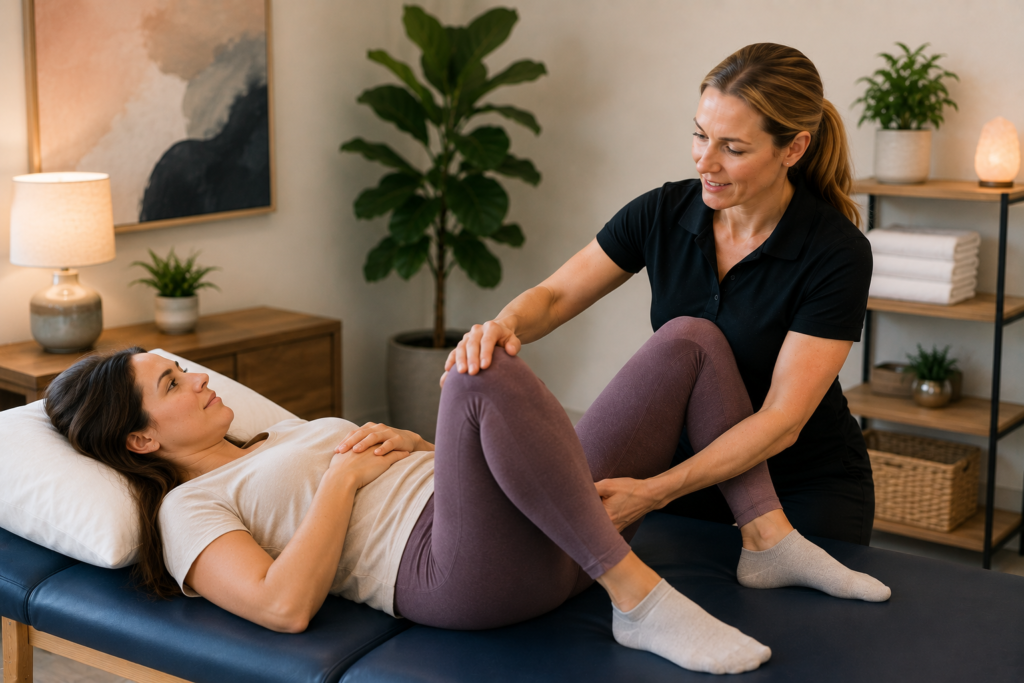
At Reform Physical Therapy, pelvic floor physical therapy for pain with intercourse or sexual activity is available through our South Portland clinic. Treatment is private, individualized, and centered around your symptoms and comfort level.
Understanding Pain With Sexual Activity
Pain related to sexual activity is more common than many people realize, but that does not mean it should simply be ignored. Symptoms can develop gradually or appear suddenly. Some people have experienced discomfort for years before seeking treatment. Others notice a change following pregnancy, childbirth, surgery, menopause, an injury, infection, or another medical event. Finding the cause is important because treatment should address why the pain is occurring rather than simply trying to tolerate it.
What Does Pain With Intercourse Feel Like?
There is no single way this type of pain feels. You may experience burning or stinging near the vaginal opening. Another person might feel deep aching or pressure within the pelvis. Muscle tightness, cramping, throbbing, or sharp pain can also occur. For men, symptoms may involve the penis, testicles, perineum, lower abdomen, rectal region, or deeper pelvic area. Pain may stop when sexual activity stops, or soreness may continue afterward.
What Is Dyspareunia?
Dyspareunia is the medical term commonly used for persistent or recurrent genital pain associated with sexual intercourse. Pain may occur before, during, or after intercourse. It can be superficial near the genital opening or felt deeper within the pelvis. Dyspareunia can have physical, hormonal, muscular, and medical causes, so treatment depends on what is contributing to the symptoms. Pelvic floor physical therapy may be helpful when muscle tension, sensitivity, weakness, or poor coordination is part of the problem.
Pelvic Floor Muscles and Sexual Activity
The pelvic floor muscles play an important role in sexual function. These muscles surround structures within the pelvis and need to both contract and relax appropriately. If the muscles remain excessively tense, penetration and other forms of sexual activity may become uncomfortable. The problem is not always weakness. In many patients experiencing pelvic pain, learning how to relax and coordinate the pelvic floor may be more important initially than strengthening it.
Tight Pelvic Floor Muscles
A pelvic floor that remains overly tense is sometimes described as hypertonic. These muscles may have difficulty completely relaxing even when you are not consciously tightening them. Excessive tension can contribute to pelvic or genital pain, urinary problems, bowel symptoms, and discomfort during sexual activity. Treatment may focus on muscle relaxation, breathing, mobility, coordination, and reducing sensitivity rather than immediately performing strengthening exercises.
Pelvic Floor Muscle Spasms
Muscles within the pelvic floor can become painful or develop spasms. This may create discomfort locally or refer pain into nearby areas. Someone may experience pain in the vagina, vulva, penis, testicles, rectal area, perineum, lower abdomen, or groin even when pelvic floor muscles are contributing to the symptoms. A pelvic health physical therapist can evaluate whether muscle tension or tenderness appears to be involved.
Pain With Penetration
Pain may occur when something enters the vagina, including during intercourse, a pelvic examination, or tampon insertion. Some people experience discomfort immediately at the vaginal opening. Others are comfortable initially but develop pain with deeper penetration. Pelvic floor tension is one possible contributor, but hormonal changes, dryness, tissue irritation, infections, skin conditions, endometriosis, and other medical concerns should also be considered.
Pain at the Vaginal Opening
Pain concentrated around the vaginal opening may feel like burning, stinging, tearing, or excessive tightness. Even light pressure may be uncomfortable for some people. When pelvic floor muscles surrounding the opening remain tense, they can contribute to sensitivity and difficulty with penetration. A medical provider should also evaluate unexplained pain to rule out skin conditions, infection, hormonal changes, and other possible causes.
Deep Pelvic Pain During Intercourse
Some people do not experience pain at the vaginal opening but notice discomfort deeper within the pelvis. Certain positions or deeper penetration may make symptoms more noticeable. Deep pain can have several causes, including pelvic floor dysfunction, endometriosis, ovarian conditions, uterine conditions, bladder problems, bowel conditions, and other medical concerns. Because of the number of possible causes, medical evaluation is particularly important for new or unexplained deep pelvic pain.
Vulvar Pain
Vulvar pain can make sexual activity uncomfortable even without deep pelvic pain. Symptoms may include burning, soreness, irritation, or sensitivity around the external genital area. Several medical conditions can cause vulvar symptoms. When pelvic floor muscle tension occurs alongside vulvar pain, physical therapy may be one part of a larger treatment plan.
Vaginismus
Vaginismus describes involuntary tightening of muscles around the vagina that can make penetration painful or difficult. Someone may have difficulty with intercourse, tampon insertion, or pelvic examinations. Trying to force penetration through pain can increase guarding and discomfort. Pelvic floor physical therapy may focus on relaxation, breathing, muscle awareness, gradual desensitization, and improving control of the pelvic floor. Treatment should progress at a pace that feels comfortable for the patient.
Pain After Childbirth
Painful intercourse can develop after childbirth. Following vaginal birth, healing from tearing, stitches, tissue stretching, or pelvic floor injury may affect comfort. Scar sensitivity and pelvic floor muscle guarding can also contribute. Symptoms can occur after Cesarean birth as well because pregnancy itself affects the pelvic floor, abdomen, and surrounding tissues. Postpartum rehabilitation can evaluate these areas once your medical provider determines treatment is appropriate.
Scar Tissue and Sexual Activity
Scars can sometimes become sensitive or restricted after childbirth or surgery. A perineal tear, episiotomy, Cesarean incision, abdominal surgery, or pelvic surgery may affect surrounding tissues. Not every scar causes pain. When a healed scar appears to contribute to sensitivity or restricted movement, physical therapy may include scar mobility and desensitization techniques when medically appropriate.
Painful Intercourse During Menopause
Changes associated with menopause can affect sexual comfort. Declining estrogen can contribute to vaginal dryness, thinning tissues, irritation, and discomfort with penetration. Pelvic floor muscles may also tighten in response to repeated pain. Physical therapy can address muscular and movement factors, but hormonal or tissue related concerns should also be discussed with your gynecologist or another qualified healthcare provider.
Endometriosis and Painful Intercourse
Endometriosis can cause pain during or after intercourse, particularly when symptoms are felt deeper within the pelvis. Physical therapy does not treat or remove endometriosis. However, persistent pelvic pain can occur alongside muscle guarding, pelvic floor tension, and changes in movement. When those musculoskeletal factors are present, pelvic floor rehabilitation may be used as one part of a broader medical treatment plan.
Pain During Sexual Activity in Men
Men can experience pain related to sexual activity too. Symptoms may occur in the penis, testicles, perineum, groin, rectal region, lower abdomen, or deeper within the pelvis. Pain may occur with erections, intercourse, orgasm, ejaculation, or afterward.Pelvic floor dysfunction is one possible contributor, but prostate conditions, infection, nerve problems, urinary conditions, and other medical causes need to be considered.
Pain During or After Ejaculation
Painful ejaculation can cause aching, burning, pressure, or sharp discomfort. Symptoms may be felt during ejaculation or develop shortly afterward. Because pelvic floor muscles participate in sexual function, excessive muscle tension or poor coordination can contribute in some cases. Painful ejaculation can also have urologic or medical causes. Men experiencing persistent or unexplained symptoms should discuss them with a medical provider before assuming the pelvic floor is responsible.
Pain After Prostate Surgery
Pelvic and sexual function can change following prostate surgery. Some men experience urinary symptoms, pelvic discomfort, or changes in sexual function during recovery. Pelvic floor rehabilitation may be recommended as part of the recovery process depending on the procedure and symptoms. Reform provides male pelvic floor rehabilitation through our South Portland pelvic health program.
Pelvic Pain After Sexual Activity
Symptoms do not always occur during sexual activity. Some people feel relatively comfortable at the time but develop pelvic aching, pressure, burning, or muscle soreness afterward. Discomfort may last for minutes, hours, or longer. This pattern can provide useful information during a pelvic floor evaluation. Your therapist may ask when symptoms begin, where you feel them, and how long they typically last.
Bladder Symptoms and Painful Intercourse
Pelvic pain can occur alongside urinary symptoms. You might experience urgency, frequency, bladder pressure, leakage, or discomfort with urination. The pelvic floor participates in both urinary and sexual function, so dysfunction can sometimes affect both. Burning with urination, blood in the urine, fever, or other new urinary symptoms should be medically evaluated.
Bowel Symptoms and Sexual Pain
Bowel dysfunction may also occur alongside pelvic pain. Constipation, excessive straining, difficulty emptying, rectal pain, or pelvic floor tension can influence comfort within the pelvis. Your pelvic health therapist may therefore ask about bowel function even when pain with intercourse is your main concern. This helps provide a more complete picture of pelvic floor function.
Hip and Lower Back Pain
The pelvic floor does not work independently from the rest of your body. Hip muscles, abdominal muscles, the lower back, and diaphragm all interact with the pelvis. For some people, hip or back problems occur alongside pelvic symptoms. Your physical therapist may evaluate these areas to determine whether mobility, strength, or movement patterns are contributing.
Breathing and Pelvic Floor Relaxation
The diaphragm and pelvic floor naturally move together during breathing. When you inhale, the pelvic floor normally lengthens slightly. As you exhale, it returns toward its resting position. Someone who constantly holds their breath or braces their abdomen may have difficulty allowing this natural movement. Breathing exercises can help improve awareness and encourage relaxation when excessive muscle tension contributes to pain.
Stress and Muscle Guarding
Pain can cause the body to protect itself. If sexual activity repeatedly hurts, you may begin anticipating discomfort before it occurs. Muscles can tighten automatically in response. This does not mean the pain is psychological. It means the nervous system and muscles can respond protectively when the body expects something to hurt. Pelvic floor rehabilitation may include strategies for reducing muscle guarding and improving comfortable movement.
Should You Push Through Pain?
Pain should not be something you simply force yourself through. Repeatedly continuing an activity that causes significant discomfort may increase muscle guarding and make the experience more stressful. Instead, treatment focuses on identifying why symptoms occur and gradually improving comfort. Your rehabilitation should respect your symptoms, boundaries, and goals.
Pelvic Floor Physical Therapy Evaluation
Your first visit begins with a private conversation. Your therapist may ask where you experience pain, when it occurs, what it feels like, how long symptoms last, and what activities make them better or worse. Relevant questions may also involve bladder function, bowel habits, pregnancies, childbirth, surgeries, menstrual symptoms, prostate history, exercise, and other pelvic concerns. The physical portion may include breathing, hip mobility, abdominal function, lower back movement, strength, and pelvic floor coordination. An external or internal pelvic floor assessment may sometimes provide additional information. Your therapist should explain what is being recommended and why before proceeding.
Any pelvic floor examination is performed only with your informed consent.
What If I Am Not Comfortable With an Internal Examination?
You can still begin pelvic floor physical therapy. An internal examination is not something you are required to agree to. Your therapist can gather useful information through your history and evaluate breathing, movement, hips, abdomen, back, and other external structures. If an internal assessment is recommended, your therapist can explain why it may be helpful. You decide whether you are comfortable proceeding.
Physical Therapy for Pain With Intercourse or Sexual Activity
Treatment depends on what your evaluation shows. If pelvic floor muscles are overly tense, treatment may focus on relaxation and improving muscle length. Other patients may benefit from strengthening, coordination exercises, breathing, hip mobility, core rehabilitation, scar treatment, or movement retraining. A home program can help you practice strategies between appointments. Treatment should be individualized rather than giving every patient the same pelvic floor exercises.
Manual Therapy
Manual therapy may be used when muscle tension, tenderness, scar restrictions, or mobility limitations contribute to symptoms. Treatment may involve external structures around the hips, abdomen, back, or pelvis. Internal pelvic floor techniques may also be discussed when clinically appropriate. Manual treatment is not required for every patient, and any internal technique requires informed consent.
Biofeedback
Biofeedback can help some patients understand what their pelvic floor muscles are doing. It may be difficult to tell whether you are tightening or relaxing these muscles correctly. Biofeedback provides additional information about muscle activity and can help improve awareness and coordination. Your therapist can determine whether it would be useful for your symptoms.
Gradual Return to Comfortable Sexual Activity
The goal of treatment is not to rush you back into sexual activity. Instead, rehabilitation focuses on improving pelvic floor function and reducing the factors contributing to discomfort. Progress may involve becoming comfortable with movement, reducing muscle guarding, improving pelvic floor relaxation, addressing sensitivity, and gradually returning to activities based on your individual goals. Your treatment should move at a pace that feels appropriate for you.
When to See a Medical Provider
Pain with intercourse or sexual activity can have many causes beyond pelvic floor dysfunction. Seek medical evaluation for new or unexplained genital or pelvic pain, abnormal bleeding, unusual discharge, genital sores or skin changes, fever, painful urination, blood in the urine, significant swelling, or other concerning symptoms. Sudden severe testicular pain requires urgent medical attention. Persistent pain during sexual activity should also be discussed with an appropriate healthcare provider. Physical therapy works best as part of a complete healthcare plan when other medical causes have been appropriately considered.
Pain With Intercourse Physical Therapy in South Portland, Maine
Reform Physical Therapy provides pelvic floor physical therapy for pain with intercourse or sexual activity at our South Portland clinic. Treatment is available for adults experiencing pelvic floor and musculoskeletal factors associated with painful sexual activity. Your therapist can evaluate pelvic floor tension and coordination along with breathing, hips, abdomen, back, scars, movement, bladder symptoms, and bowel function when relevant. Most importantly, treatment is private and individualized.
We understand these symptoms can feel very personal. You should understand what is being recommended throughout your care and remain in control of what you are comfortable with during your appointments.
Schedule a Pelvic Health Evaluation
Pain during or after sexual activity can affect much more than physical comfort. If pelvic floor dysfunction may be contributing to your symptoms, physical therapy can help identify muscle tension, coordination problems, sensitivity, weakness, or movement factors that may be involved.
Contact Reform Physical Therapy to schedule a pelvic health evaluation at our South Portland clinic.