


Pregnancy Pain
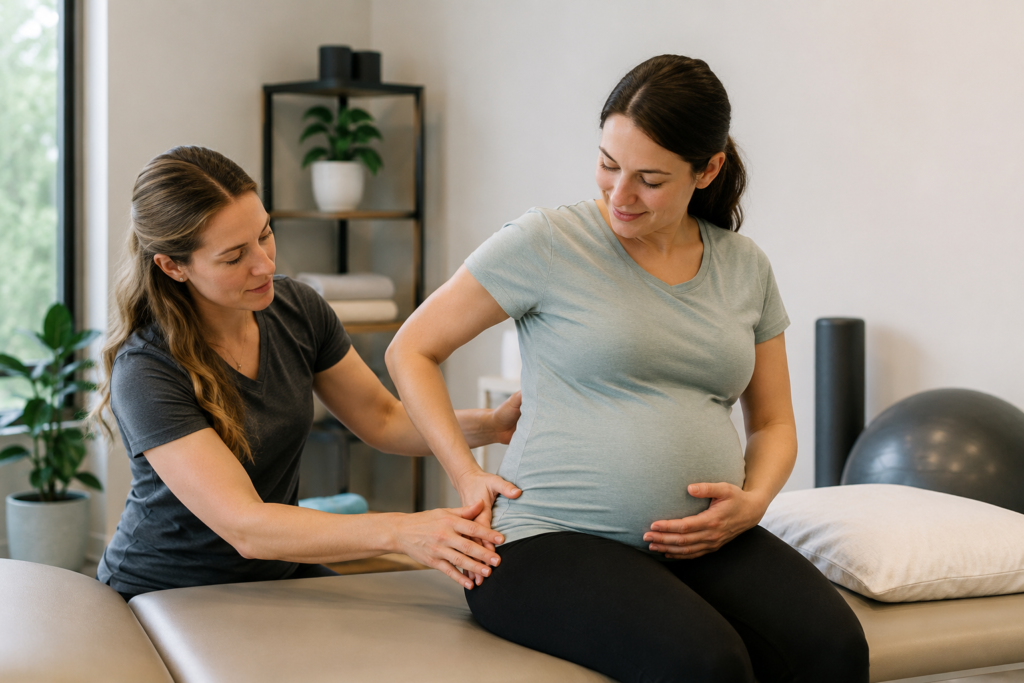
Pregnancy brings major changes to the body. As the baby grows, your center of gravity shifts, your posture changes, and your muscles and joints take on different demands. As a result, aches and pains can develop in the back, pelvis, hips, ribs, knees, feet, and other areas. While some discomfort is a normal part of pregnancy, pregnancy pain should not automatically be something you have to simply live with. Physical therapy can help you understand what may be contributing to your symptoms and provide strategies to make movement more comfortable.
At Reform Physical Therapy, our goal is to help you stay active, strong, and confident throughout pregnancy while working within the recommendations of your obstetric or medical care team. Treatment is individualized based on your symptoms, stage of pregnancy, activity level, and goals.
Understanding Pregnancy Pain
Pregnancy pain can look different from one person to another. Some people experience a dull ache in the lower back, while others notice sharp discomfort around the pelvis or hips. Pain may also develop in the upper back, ribs, knees, feet, or other areas as your body adapts to pregnancy. Hormonal changes, increased weight, changes in posture, altered movement patterns, and increased demands on the muscles and joints can all contribute to discomfort. Physical therapists can help address many musculoskeletal problems that occur during pregnancy.
The location and behavior of your symptoms are important. For example, pain that becomes worse when walking, climbing stairs, getting dressed, turning over in bed, or getting in and out of a car may be associated with pregnancy-related pelvic girdle pain.
Pregnancy Back Pain
Back pain is one of the most common musculoskeletal complaints during pregnancy. As the abdomen grows, your center of gravity changes. Your lower back and pelvis may therefore experience different forces than they did before pregnancy. Ligament changes during pregnancy can also affect the joints of the lower back and pelvis. Pain may become more noticeable after standing, walking, lifting, sitting for extended periods, or changing positions. Physical therapy can help you find more comfortable ways to move while building strength and endurance for the changing demands of pregnancy.
Pregnancy Pelvic Pain
Pelvic pain during pregnancy can occur around the front of the pelvis, pubic bone, hips, lower back, or buttocks. Symptoms may sometimes spread into the thighs. Pregnancy-related pelvic girdle pain can make walking, using stairs, turning in bed, getting dressed, or getting into a vehicle uncomfortable. Although pelvic pain can be frustrating, treatment can help improve movement and reduce the impact symptoms have on your daily life. Early evaluation may also help you learn how to modify activities before pain becomes more limiting.
Pregnancy-Related Pelvic Girdle Pain
Pregnancy-related pelvic girdle pain, sometimes called PGP, involves pain around the joints and structures of the pelvic region. Symptoms can occur at the front or back of the pelvis and may extend toward the hips or thighs. Certain movements, including standing on one leg, separating the legs, climbing stairs, or rolling in bed, may increase discomfort. Physical therapy may include exercises for the pelvic floor, abdomen, hips, and back. Your therapist may also recommend movement modifications or supportive equipment when appropriate.
Pregnancy Hip Pain
Hip discomfort can develop as your body adjusts to changes in posture, muscle use, and weight distribution. Some people notice pain while walking, standing, getting out of a chair, climbing stairs, or sleeping on one side. A physical therapy evaluation can look at the way your hips, pelvis, lower back, and legs work together. From there, treatment can focus on improving strength, mobility, and movement strategies that make daily activities more comfortable.
Pregnancy Rib and Upper Back Pain
Not all pregnancy pain occurs in the lower body. As the baby grows, changes in posture and the position of the rib cage can contribute to discomfort around the middle or upper back and ribs. Breathing patterns and prolonged sitting can also influence how these areas feel. Gentle mobility exercises, posture changes, breathing strategies, and strengthening may help depending on the cause of the discomfort. Any new, severe, or unusual chest or rib pain should be discussed with your medical provider rather than assumed to be a normal pregnancy symptom.
Pregnancy-Related Sciatica
Some pregnant patients experience pain that travels from the lower back or buttock into the leg. This type of pain may involve irritation or sensitivity of nerves in the lower back and pelvis. Symptoms can include aching, burning, tingling, or shooting discomfort. Physical therapy can evaluate the spine, pelvis, hips, and movement patterns to determine what may be contributing to your symptoms. Treatment is individualized because not all leg pain during pregnancy has the same cause.
Pregnancy Knee Pain
Changes in body weight, posture, balance, and activity can alter how the knees are loaded during pregnancy. Knee discomfort may become more noticeable when using stairs, getting up from a chair, walking longer distances, or exercising. Strengthening the hips and legs may help improve how forces are distributed through the lower extremities. Your therapist can also modify exercises as your pregnancy progresses.
Pregnancy Foot and Ankle Pain
The feet and ankles can also experience increased demands during pregnancy. Changes in weight distribution and balance may affect how you walk and stand. Some people also notice swelling or discomfort in their feet and ankles. Comfortable footwear, activity modifications, strengthening, and movement strategies may help manage musculoskeletal symptoms. Significant or sudden swelling should always be discussed with your obstetric or medical provider because swelling during pregnancy can have causes that require medical attention.
How Physical Therapy Can Help With Pregnancy Pain
Physical therapy can provide individualized care throughout pregnancy. Your therapist may evaluate your posture, movement, strength, flexibility, balance, and the way your muscles and joints work together. Treatment can then be adjusted based on your stage of pregnancy and symptoms. Physical therapists may use exercise, hands-on treatment, education, movement modifications, and strategies for completing everyday activities more comfortably. The goal is not to push through pain. Instead, treatment helps you find movements and activities your body can tolerate while gradually improving strength and function.
Pregnancy Exercise
Staying physically active during pregnancy can be beneficial when there is no medical reason to restrict activity. A physical therapist can help modify exercise as your body changes. Exercises may focus on the hips, legs, back, core, pelvic floor, and upper body. Your program should reflect your current abilities rather than following a one-size-fits-all pregnancy workout. What feels appropriate during the first trimester may need to change later in pregnancy. Always follow the exercise and activity recommendations provided by your obstetric or medical care team.
Core and Pelvic Floor Strength
The abdominal and pelvic floor muscles play an important role in supporting the changing body during pregnancy. However, strengthening does not always mean simply doing more exercises. Some people need help learning how to coordinate their breathing, abdominal muscles, and pelvic floor muscles. Others may have excessive muscle tension and need to learn how to relax those muscles appropriately. A pelvic health physical therapist can assess these muscles and develop an individualized program based on your needs.
Movement and Posture During Pregnancy
The way you sit, stand, walk, lift, and change positions may need to change as pregnancy progresses. For example, getting out of a car may become easier when you keep your knees together and turn your whole body rather than twisting through the pelvis. Similar small adjustments can make everyday movements more comfortable. Your physical therapist can teach practical strategies for getting out of bed, picking things up, climbing stairs, getting dressed, lifting, and caring for your family.
Sleeping With Pregnancy Pain
Finding a comfortable sleeping position can become increasingly difficult as pregnancy progresses. Hip, pelvic, and back discomfort may make turning over or staying in one position uncomfortable. A pillow between the legs or other positioning support may help some people. Your therapist can help you experiment with positioning and movement strategies that make nighttime symptoms easier to manage. Persistent or severe pain that regularly interferes with sleep should be discussed with your medical provider.
Pregnancy Pain and Daily Activities
Pregnancy pain can affect more than exercise. Walking through a grocery store, working at a desk, getting dressed, cleaning the house, carrying items, climbing stairs, or caring for older children can become more challenging. Physical therapy focuses on the activities that matter most to you. Rather than simply measuring strength in the clinic, your therapist can help you develop strategies that translate into your actual daily life.
Pregnancy Pain at Work
Work demands can become more challenging as pregnancy progresses. Long periods of sitting, standing, walking, lifting, bending, or repetitive movement may increase discomfort. Your physical therapist can help you identify ways to change your workstation, movement patterns, lifting strategies, or activity schedule. These adjustments can help you remain active while reducing unnecessary strain.
Preparing for Labor and Delivery
Physical therapy can also help you prepare for the physical demands of labor and delivery. Depending on your needs, treatment may include pelvic floor awareness, breathing strategies, positioning, mobility, and education about movement during labor. The goal is not to predict exactly how your delivery will happen. Instead, preparation can help you understand your body and feel more confident with different movement options.
Preparing for Postpartum Recovery
Pregnancy care does not have to stop when the baby arrives. The body continues to recover and adapt after delivery. Pelvic floor symptoms, abdominal weakness, back pain, pelvic pain, and other musculoskeletal problems may continue into the postpartum period. Physical therapy can help you gradually return to exercise, work, lifting, and other activities as your body heals and your medical provider clears you for activity.
Physical Therapy Evaluation for Pregnancy Pain
Your first appointment begins with a discussion about your pregnancy, symptoms, activity level, medical history, and goals. Your therapist may assess posture, walking, balance, hip and back movement, strength, flexibility, and other areas that may contribute to your discomfort. A pelvic health evaluation may also be appropriate when symptoms involve the pelvic floor, bladder, bowel, sexual function, or pelvic pain. Physical therapists may use external assessment and, when appropriate and consented to, internal pelvic floor assessment.
Your treatment plan will be adjusted based on your stage of pregnancy and the recommendations of your medical team.
Pregnancy Pain Treatment
Pregnancy pain treatment may include therapeutic exercise, mobility work, strengthening, breathing strategies, activity modification, posture education, and hands-on care. Treatment can also focus on improving how you perform specific activities that are currently painful. For example, your therapist may help you modify how you get out of bed, climb stairs, lift objects, sit at work, exercise, or get into and out of a car. The approach should remain comfortable, appropriate for your pregnancy, and consistent with your medical care.
Support Belts and Other Equipment
Some patients with pregnancy-related pelvic girdle pain may benefit from a pelvic support belt. A therapist can help determine whether a support device may be appropriate and how it should be used. Support belts are not necessary for everyone. Other temporary equipment, such as crutches, may occasionally be recommended when pain significantly limits walking.
When Pregnancy Pain Should Be Evaluated
Pain that interferes with walking, sleeping, work, exercise, or everyday activities deserves attention. You should also discuss new or worsening symptoms with your obstetric or medical provider, particularly when the cause is unclear. Physical therapy can address many musculoskeletal causes of pregnancy pain, but it is not a replacement for obstetric or medical evaluation.
Pregnancy Pain Warning Signs
Certain symptoms during pregnancy require medical attention rather than physical therapy alone. Contact your obstetric or medical provider promptly if you experience severe or unusual pain, vaginal bleeding, fever, pain with urination, or other concerning symptoms. Back pain during the second or third trimester can sometimes be associated with early labor, while back pain accompanied by fever, bleeding, or urinary symptoms may require urgent assessment. Sudden loss of feeling in the legs, buttocks, or genital region is an emergency symptom and requires immediate medical care. If you are unsure whether a symptom is pregnancy-related or requires medical attention, contact your obstetric provider.
Pregnancy Pain Treatment in Maine
Reform Physical Therapy provides individualized care for pregnancy-related musculoskeletal pain at our Maine locations. Our physical therapists can help address pregnancy-related back pain, pelvic pain, hip discomfort, movement limitations, muscle weakness, and other musculoskeletal concerns. Treatment is tailored to your stage of pregnancy, symptoms, activity level, and goals. The goal is to help you continue moving with confidence while preparing your body for the changing demands of pregnancy and the postpartum period.
Schedule a Pregnancy Pain Evaluation
Pregnancy can be physically demanding, but persistent pain does not have to be something you simply push through. If back, pelvic, hip, or other musculoskeletal pain is interfering with your daily life, a physical therapy evaluation may help identify ways to move more comfortably and safely.
Contact Reform Physical Therapy to schedule an evaluation at one of our Maine locations.