


fall prevention

Balance & Neurological
Balance and neurological conditions can affect the way a person moves, walks, sees the environment, responds to changes in position, and completes everyday activities. Symptoms may include dizziness, unsteadiness, weakness, numbness, poor coordination, slowed movement, fatigue, or a fear of falling. These symptoms can make routine activities feel unpredictable. Standing up, turning quickly, walking through… Read More

Carrie Chase, PT, DPT
Helping You Stay Active, Build Strength, and Move with Confidence Carrie Chase, PT, DPT, is a physical therapist at Reform Physical Therapy’s Kennebunk clinic. She provides compassionate, individualized care focused on improving mobility, building strength, and helping people return to the activities they love. Carrie believes movement plays an important role in overall health and… Read More

The Surprising Symptoms Linked to Vestibular Dysfunction
Posted by: in Vestibular & Balance Disorders on June 8, 2026
When most people think about vestibular dysfunction, they think about dizziness. While dizziness is certainly one of the most common symptoms, vestibular disorders can affect far more than just your sense of balance. In fact, there are many symptoms linked to vestibular dysfunction that people experience, and many spend months or even years searching for… Read More
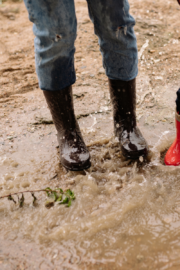
How Mud Season Can Affect Balance and Joint Stability
Posted by: in Injury Prevention on April 28, 2026
Mud season in Maine can make everyday movement more challenging than people expect. During mud season, balance can be affected as wet ground, uneven surfaces, and slippery conditions can increase the risk of losing balance, especially when walking outdoors. Many people notice that their footing feels less stable this time of year, even if they… Read More
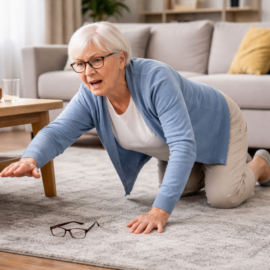
Signs Your Fall Risk Is Increasing
Posted by: in Health & Wellness on April 17, 2026
Fall risk increasing is something many people experience over time, often without realizing it right away. Changes in balance, strength, mobility, and reaction time can all make falls more likely. These changes may happen slowly, which is why they are often overlooked until a fall or injury occurs. Recognizing the early signs that fall risk… Read More

How to Improve Balance After 50
Posted by: in Health & Wellness on April 3, 2026
Balance often changes as we get older, and many people notice they feel less steady on their feet after the age of 50. This can happen even in people who are active and healthy. Changes in strength, flexibility, reaction time, and coordination can all affect balance over time. Learning how to improve balance after 50… Read More

Why Your Knee Still Hurts After Surgery and How Physical Therapy Helps
Posted by: in Health & Wellness on March 26, 2026
Many people notice that their balance is not as good as it used to be. You may feel less steady walking on uneven ground, more cautious on stairs, or slower to catch yourself if you trip. These changes are very common with age, but they are not something you have to accept. Moreover, balance problems… Read More

Why Balance Training Reduces Fall Risk by Up to 40%
Posted by: in Physical Therapy Tips on March 4, 2026
As we get older, many people start to notice changes in their balance, and these changes make balance training fall risk programs more important than ever. Feeling unsteady is common, but it’s not something you have to accept. With the right exercises, you can improve your stability, move with more confidence, and lower your chances… Read More
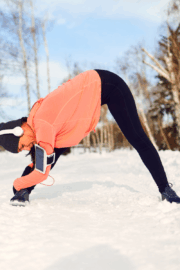
From Slippery Sidewalks to Strong Steps: Winter Balance Tips from Our PTs
Posted by: in Fall Prevention & Balance, Healthy Aging & Mobility, Physical Therapy Tips on October 31, 2025
Why Winter Challenges Your Balance Winter in Maine is beautiful — but it can also be a challenge for your footing.From icy sidewalks and snowy driveways to wet entryways, even the simplest walk to your car can turn risky. At Reform Physical Therapy, our team sees an increase in balance-related injuries every winter — slips,… Read More

The Most Common Fall Injuries We See (and How to Prevent Them This Winter
Posted by: in Injury Prevention, Physical Therapy Tips, Winter Safety on October 22, 2025
When winter arrives in Maine, so does the ice — and with it, an increase in slips, trips, and falls. Whether it’s a quick walk to the car or a stroll down your driveway, one small patch of black ice can cause big problems. Every year, we see patients who are surprised by how quickly… Read More