

Spastic Cerebral Palsy
Living with spastic cerebral palsy can make everyday movements more challenging. Fortunately, spastic cerebral palsy physical therapy can help manage muscle tightness and improve mobility. Your muscles may feel unusually tight or stiff, making it harder to walk, climb stairs, stand up from a chair, or move comfortably throughout the day. For some people, stiffness affects mainly the legs, while others experience muscle tightness in their arms, hands, or throughout several areas of the body. Simple activities like getting dressed, reaching for something, or maintaining balance may require extra time and effort. These challenges can become frustrating, especially when muscle stiffness, weakness, or fatigue interferes with the activities you enjoy.
At Reform Physical Therapy, we believe rehabilitation should focus on your individual abilities and goals. Spastic cerebral palsy physical therapy may help improve strength, mobility, balance, and functional movement while supporting greater comfort and independence. Whether your goal is walking more comfortably, managing muscle stiffness, improving balance, or maintaining your current abilities, physical therapy can be an important part of your care.
What Is Spastic Cerebral Palsy?
Spastic cerebral palsy is the most common type of cerebral palsy. It is characterized by increased muscle tone, which can make muscles feel stiff and movements more difficult to control. Cerebral palsy is a group of neurological conditions that affect movement, posture, and coordination. It develops because of differences or injuries affecting the developing brain.
In spastic cerebral palsy, the areas of the brain responsible for controlling voluntary movement are affected. This can cause muscles to become overly active, especially when they are stretched or moved quickly. As a result, certain movements may feel restricted, stiff, or difficult to perform smoothly.
Spasticity may affect the arms, legs, trunk, or other muscle groups. Some people experience relatively mild stiffness, while others have significant movement limitations and require assistance with everyday activities. Spastic cerebral palsy is a lifelong condition. The underlying brain injury does not progressively worsen, although muscle stiffness, joint mobility, pain, and functional abilities may change over time.
What Causes Spastic Cerebral Palsy?
Spastic cerebral palsy develops when areas of the developing brain responsible for movement and muscle control are affected. This may occur before birth, around the time of birth, or during early childhood. Possible contributing factors include differences in brain development, genetic factors, premature birth, stroke affecting the developing brain, certain infections, or other events that interfere with normal brain development. In many cases, the exact cause is not known.
Spastic cerebral palsy is not caused by poor posture, a lack of exercise, or insufficient physical activity. Because the condition begins with changes in the brain, physical therapy cannot reverse the underlying neurological injury. However, rehabilitation can help address many of the physical challenges associated with spastic cerebral palsy.
Types of Spastic Cerebral Palsy
Spastic cerebral palsy is often classified according to which parts of the body are affected. Understanding the distribution of muscle stiffness can help guide rehabilitation and identify areas that may benefit from additional support.
Spastic Hemiplegia
Spastic hemiplegia primarily affects one side of the body. The arm and leg on the affected side may experience increased muscle tone, weakness, or difficulty coordinating movement. Some people have more noticeable symptoms in the arm than the leg. Walking may involve changes in foot placement, reduced arm swing, or difficulty maintaining balance. Physical therapy may focus on strength, mobility, balance, walking, and functional movement.
Spastic Diplegia
Spastic diplegia primarily affects the legs, although the arms may also have some involvement. Muscle stiffness around the hips, knees, and ankles can affect standing and walking. Some people walk with a narrow base of support, bent knees, or changes in foot positioning, while others may use braces, walkers, or other mobility supports. Physical therapy may focus on lower-body strength, joint mobility, gait training, balance, and functional activities.
Spastic Quadriplegia
Spastic quadriplegia affects all four limbs and often involves the trunk. People with this form may experience significant muscle stiffness, weakness, and challenges with posture or movement. Some individuals require assistance with sitting, standing, transfers, or mobility. Physical therapy may focus on positioning, joint mobility, strength, functional movement, comfort, and maintaining physical abilities. Individuals with complex needs may benefit from coordinated care with a specialized rehabilitation team.
Common Symptoms of Spastic Cerebral Palsy
Symptoms vary depending on which areas of the body are affected and the severity of muscle stiffness. Some people experience mild tightness that affects certain movements, while others have more significant limitations that interfere with walking, balance, and everyday activities.
Common symptoms include:
- Increased muscle stiffness or spasticity
- Tight muscles and reduced flexibility
- Difficulty moving joints smoothly
- Muscle weakness and fatigue
- Changes in walking patterns
- Toe walking or difficulty placing the heel on the ground
- Difficulty maintaining balance or climbing stairs
- Reduced coordination and joint mobility
- Difficulty standing or transferring
- Muscle or joint discomfort
Some people also experience muscle contractures, joint changes, or other medical concerns that require additional evaluation and treatment.
Understanding Muscle Spasticity
Spasticity is one of the defining characteristics of spastic cerebral palsy. It occurs when certain muscles respond too strongly to movement or stretching. For example, a muscle may tighten when someone tries to straighten a joint or move a limb quickly, making movement feel stiff or restricted.
Spasticity may affect the calves, hamstrings, hip muscles, arms, hands, or other muscle groups. The amount of stiffness can change depending on activity, positioning, discomfort, fatigue, or other factors. It is also important to understand that spasticity and muscle weakness can occur together. A muscle may feel tight but still have difficulty producing controlled strength. Physical therapy can help assess how spasticity affects movement and identify strategies that support mobility and functional activities. Some people also require medical management of significant spasticity.
How Spastic Cerebral Palsy Affects Walking
Walking requires strength, balance, coordination, and the ability to move joints through an appropriate range of motion. Spastic cerebral palsy can affect several of these areas. Muscle stiffness may limit movement through the hips, knees, or ankles, making it more difficult to take comfortable, controlled steps.
For example, tight calf muscles may make it difficult to place the heel on the ground, while increased muscle tone around the hips or knees may affect step length, foot placement, or walking posture. Some people walk independently but experience fatigue or difficulty on uneven surfaces. Others use braces, walkers, canes, or wheelchairs.
Physical therapy can assess walking patterns and identify physical limitations that may be contributing to difficulty. Treatment may include strengthening, mobility exercises, gait training, balance activities, and practice with functional movements. The goal is to support safe, efficient movement based on each person’s abilities.
Toe Walking and Spastic Cerebral Palsy
Toe walking is sometimes associated with spastic cerebral palsy, particularly when increased muscle tone affects the calf muscles. This can make it difficult to lower the heel during standing or walking. Over time, limited ankle movement may contribute to muscle shortening or joint stiffness.
Physical therapy can assess ankle mobility, strength, muscle tone, and walking mechanics. Treatment may include mobility exercises, strengthening, gait training, and positioning strategies. Some individuals may also benefit from orthotics or other medical interventions. Persistent toe walking should be evaluated to determine the underlying cause and appropriate treatment.
Muscle Weakness and Reduced Endurance
Spastic cerebral palsy can affect how effectively muscles produce and control movement. Even when muscles feel tight, they may also be weak. Weakness can make activities such as standing from a chair, climbing stairs, walking, or maintaining posture more difficult.
Because movement may require additional effort, some people experience increased fatigue during everyday activities. Physical therapy can help identify appropriate strengthening exercises and develop a program that considers endurance and recovery needs. Treatment may include resistance exercises, functional strengthening, and conditioning activities to help improve or maintain physical capacity without unnecessary fatigue.
Joint Stiffness and Muscle Contractures
Over time, increased muscle tone and limited movement can contribute to reduced joint mobility. Some people develop muscle contractures, which occur when muscles and surrounding tissues become shortened and restrict movement. Contractures may affect the ankles, knees, hips, elbows, wrists, or other joints, making walking, standing, positioning, and everyday activities more difficult.
Physical therapy may help maintain available joint movement through mobility exercises, positioning, strengthening, and stretching when appropriate. Established contractures may require additional medical or orthopedic treatment. Identifying changes in mobility early can help guide appropriate care.
Balance and Postural Control Challenges
Spastic cerebral palsy can affect the ability to maintain balance and control posture. Muscle stiffness may limit the body’s ability to make quick adjustments during movement, while weakness or reduced coordination may also contribute to instability.
You may feel less steady when standing, turning, walking across uneven surfaces, or changing positions. Physical therapy may include balance exercises, weight shifting, stepping activities, and functional movement practice. Exercises are selected according to your abilities and safety needs, with the goal of improving stability and confidence during everyday activities.
Can Spastic Cerebral Palsy Cause Pain?
Yes. Some people with spastic cerebral palsy experience muscle or joint pain. Muscle stiffness, limited joint mobility, unusual movement patterns, and repeated physical demands may contribute to discomfort. Pain may affect the hips, knees, ankles, back, shoulders, or other areas.
Physical therapy can help assess movement-related factors that may contribute to pain. Treatment may include strengthening, mobility exercises, positioning, and modifications to everyday activities. New, persistent, or worsening pain should be evaluated rather than automatically attributed to cerebral palsy.
How Can Spastic Cerebral Palsy Physical Therapy Help?
Physical therapy focuses on improving or maintaining physical abilities and helping people participate in meaningful activities. Because spastic cerebral palsy affects everyone differently, treatment should be individualized. Your physical therapist may evaluate muscle tone, strength, joint mobility, posture, balance, walking, endurance, and functional movements. From there, a rehabilitation program can be developed around your specific needs and goals.
Strength Training
Strengthening exercises can help improve or maintain the muscles needed for walking, standing, transferring, and other everyday activities. Exercises may involve resistance bands, weights, body-weight movements, or functional activities. Your therapist will select exercises that match your abilities and adjust them as needed. Strengthening does not cure spasticity, but it can help support functional movement.
Mobility and Flexibility Exercises
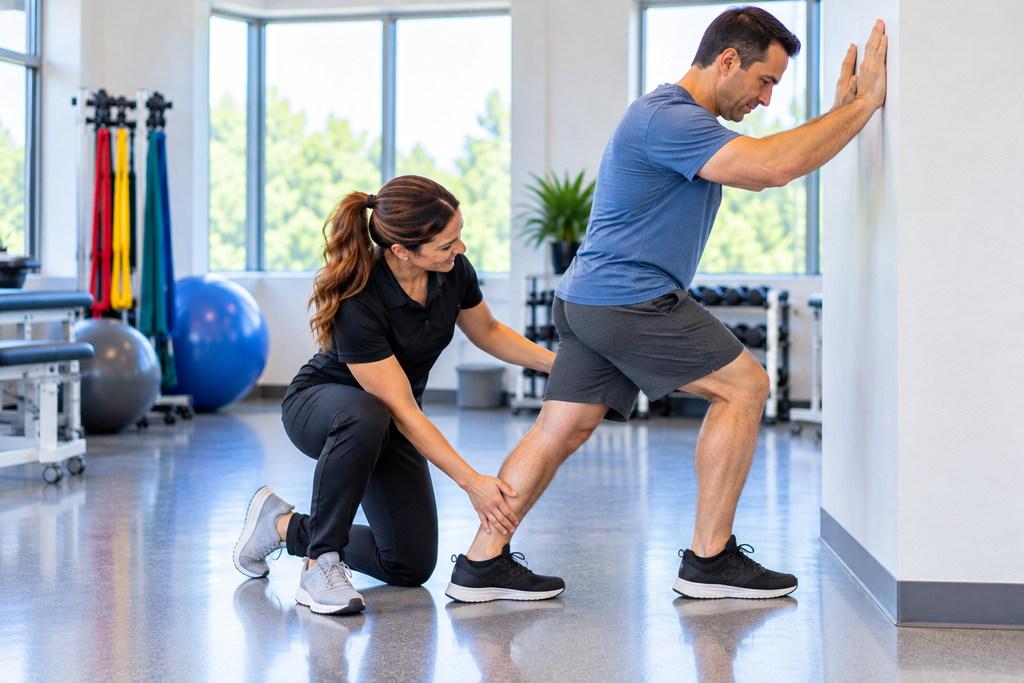
Mobility exercises may help maintain available joint movement and address stiffness. Your therapist may recommend active movement, gentle stretching, and positioning strategies based on your muscle tone, joint mobility, and comfort. These exercises can be combined with strengthening and functional movement training to support everyday activities.
Gait Training
Gait training focuses on walking mechanics, balance, and movement efficiency. Treatment may include practicing foot placement, step control, weight shifting, turning, and navigating different surfaces. If you use braces or mobility aids, your therapist may incorporate them into walking activities.
Balance Training
Balance exercises can help improve stability during standing, walking, reaching, and changing positions. Activities may include weight shifting, stepping, controlled reaching, and practicing balance reactions. Your therapist will adjust exercises according to your abilities and gradually progress them when appropriate.
Postural Stability and Trunk Control
Postural control provides a foundation for movement. Physical therapy may include exercises that improve trunk strength, positioning, and stability. These activities may support sitting, standing, walking, reaching, and other functional movements.
Functional Movement Training
Functional training focuses on activities you use throughout the day. Treatment may include standing from a chair, climbing stairs, transferring between surfaces, reaching for objects, or moving through your home. Your goals help determine which activities receive the most attention.
Endurance Training
Physical therapy may include appropriately paced conditioning activities to improve or maintain endurance. Depending on your abilities, treatment may include walking, cycling, or other exercises. Your therapist will consider fatigue, muscle tone, and recovery needs when developing your program.
Physical Therapy for Adults With Spastic Cerebral Palsy
Spastic cerebral palsy begins early in life, but physical needs can change throughout adulthood. Some adults experience increasing fatigue, joint discomfort, reduced endurance, or changes in mobility. Activities that were once manageable may require additional effort. These changes do not necessarily mean the underlying brain injury is worsening. Aging, muscle weakness, joint stress, and long-term movement patterns can influence physical function. Physical therapy may help adults address changing physical needs, maintain strength, improve mobility, and develop strategies for staying active. Your rehabilitation should reflect your current lifestyle, responsibilities, and goals.
Physical Therapy for Children and Teens
Children and teenagers with spastic cerebral palsy may benefit from rehabilitation that supports strength, mobility, balance, and functional movement. Goals may include improving walking, maintaining joint mobility, participating in play, navigating school environments, or developing greater independence with daily activities. Treatment should consider growth, development, family priorities, and any equipment or positioning needs. Children with complex neurological or developmental needs may require a specialized pediatric rehabilitation team. Families should confirm that a clinic has the appropriate experience and resources before scheduling.
Using Braces and Mobility Devices
Some people with spastic cerebral palsy use braces, walkers, canes, wheelchairs, or other mobility supports. These devices may help improve positioning, stability, safety, and movement efficiency.
Physical therapy may include practicing movement with an existing device and identifying whether additional assessment is appropriate. Using a mobility aid does not mean rehabilitation has failed. For many people, the right support makes it easier to participate in work, school, recreation, and community activities.
Working With Other Healthcare Professionals
Spastic cerebral palsy may require care from several healthcare professionals. Depending on individual needs, this team may include a neurologist, rehabilitation physician, physical therapist, occupational therapist, speech-language pathologist, or orthotic specialist.
Medical specialists may help manage significant spasticity through medications, injections, or other interventions when appropriate. Occupational therapy may focus on hand function, adaptive equipment, and daily living activities. Physical therapy can complement these services by addressing mobility, strength, balance, and functional movement.
What to Expect During Your First Physical Therapy Visit
Your first visit begins with a conversation about your medical history, movement challenges, and personal goals. During this appointment, your physical therapist will take the time to understand how spastic cerebral palsy affects everyday activities, including walking, standing, balance, and mobility. We may also discuss fatigue, pain, previous rehabilitation, medications, assistive devices, and other medical treatments to better understand your needs and develop an appropriate treatment plan. The physical evaluation may include assessments of strength, muscle tone, joint mobility, posture, balance, walking, and functional movement.
Based on the findings, your therapist can determine whether outpatient physical therapy is appropriate and discuss an individualized treatment plan.
Maintaining Independence With Spastic Cerebral Palsy
Independence looks different for everyone. For one person, it may mean walking more comfortably through their home. For another, it may mean improving sitting stability, transferring with less assistance, participating in recreation, or maintaining mobility for work and everyday responsibilities. Physical therapy should focus on the activities that matter most to you. Progress may involve improving strength, reducing physical effort, developing safer movement strategies, or maintaining abilities over time. Your goals can change as your needs change.
Why Choose Reform Physical Therapy?
At Reform Physical Therapy, we believe meaningful rehabilitation begins with understanding the individual. Spastic cerebral palsy can affect strength, movement, posture, and mobility in different ways, and your rehabilitation should reflect your personal needs. We want to understand what activities are important to you, what physical limitations you are experiencing, and what you hope to accomplish. When outpatient rehabilitation is appropriate, physical therapy can focus on improving strength, balance, mobility, and functional movement. Our goal is to help you work toward greater confidence and independence through personalized care.
Take the Next Step Toward Better Movement
Spastic cerebral palsy may affect how your body moves, but your rehabilitation goals should reflect your individual abilities and priorities. Whether you want to improve walking, manage muscle stiffness, maintain mobility, or participate more comfortably in everyday activities, physical therapy may help.