


What Is Pelvic Floor E-Stim and Biofeedback?
Posted by: in Pelvic Health on August 3, 2026
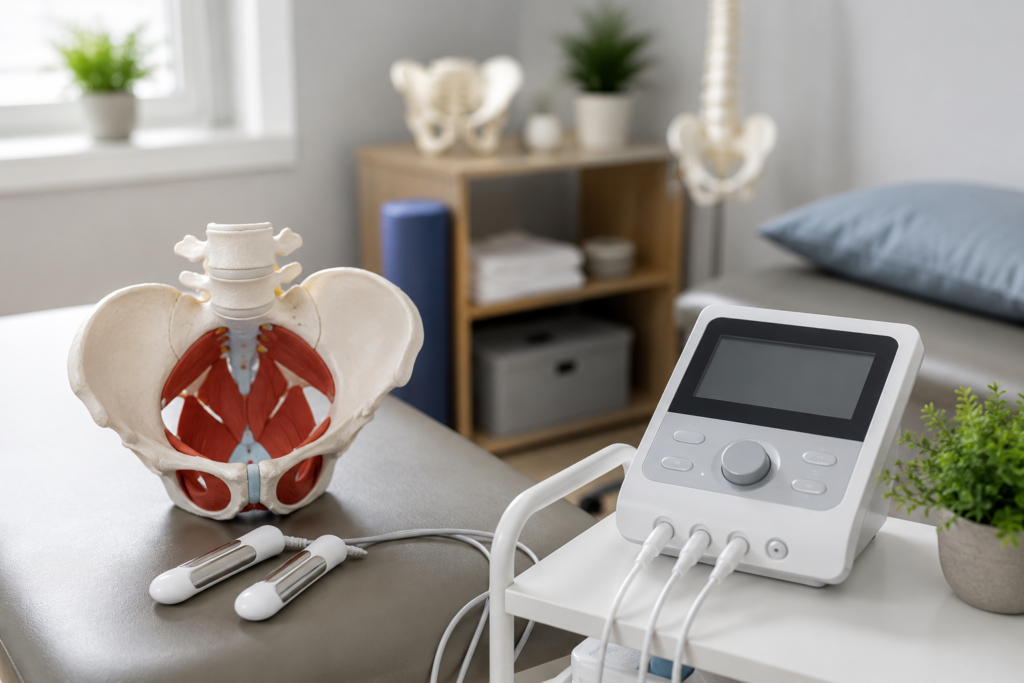
Millions of people experience pelvic floor dysfunction, yet few openly talk about it. Many people assume that bladder leaks, pelvic pain, constipation, or discomfort after pregnancy are simply a normal part of life. The truth is they often aren’t. These symptoms may be signs that your pelvic floor muscles aren’t functioning the way they should. As a result, advancements in pelvic health physical therapy have made treatment more effective than ever. One of the most exciting developments is the use of pelvic floor E-Stim and biofeedback, two evidence-based therapies that help patients improve muscle function, reduce symptoms, and regain confidence without surgery or medication in many cases.
At Reform Physical Therapy’s South Portland clinic, we are proud to offer pelvic floor rehabilitation using E-Stim and biofeedback as part of individualized treatment plans.
What Is the Pelvic Floor?
Your pelvic floor is a group of muscles, ligaments, and connective tissues that form a supportive sling across the bottom of your pelvis. These muscles play a critical role in supporting your bladder, bowel, uterus (in women), and prostate (in men). Healthy pelvic floor muscles help you control urination and bowel movements, support your internal organs, stabilize your core, and contribute to sexual function. Like any other muscle in the body, they can become too weak, too tight, or lose coordination over time.
As a result, everyday activities such as laughing, coughing, exercising, lifting, or even sitting comfortably may become difficult.
What Is Pelvic Floor Dysfunction?
Pelvic floor dysfunction occurs when the muscles of the pelvic floor aren’t working properly. Some muscles become weak and unable to provide adequate support, while others become overly tight and have difficulty relaxing. This can lead to a variety of symptoms, including urinary leakage, urinary urgency, frequent urination, constipation, pelvic pressure, pelvic organ prolapse, pain during intercourse, pain in the pelvis or lower back, and difficulty completely emptying the bladder or bowels.
Pelvic floor dysfunction can affect people of all ages and genders. Pregnancy, childbirth, surgery, aging, chronic constipation, heavy lifting, athletic activities, and certain medical conditions can all contribute to these problems.
What Is Pelvic Floor E-Stim?
Electrical stimulation, often called E-Stim, uses gentle electrical impulses to stimulate the pelvic floor muscles. Your physical therapist carefully controls the treatment to help your muscles contract or relax based on your specific condition. The stimulation feels like a gentle tingling or pulsing sensation. Most patients describe it as comfortable and not painful. For patients with weak pelvic floor muscles, E-Stim helps activate muscles that may be difficult to contract independently. Repeated stimulation can improve muscle awareness, increase strength, and enhance coordination over time.
Additionally, certain forms of electrical stimulation may help patients with overactive pelvic floor muscles or chronic pelvic pain. The treatment encourages the muscles to relax, which may reduce muscle guarding and discomfort.
What Is Pelvic Floor Biofeedback?
Biofeedback is a treatment that helps you learn how your pelvic floor muscles are functioning in real time. Small sensors measure muscle activity and display the information on a computer screen. Instead of guessing whether you are performing a Kegel correctly, biofeedback shows you and your physical therapist exactly when your muscles contract and relax.
Many patients discover they have performed pelvic floor exercises incorrectly for years. Some are unable to fully contract the muscles, while others never completely relax them.
Biofeedback provides immediate visual or auditory feedback, making it much easier to learn proper muscle control.
How Do E-Stim and Biofeedback Work Together?
Although each treatment can work well on its own, combining them often provides the greatest benefit as part of a complete pelvic health rehabilitation program. E-Stim helps activate or relax the muscles, while biofeedback teaches you how to control them independently. As your awareness improves, your physical therapist gradually transitions you from assisted muscle activation to performing the exercises on your own.
Together, these therapies improve strength, endurance, coordination, and muscle timing, all of which are essential for healthy pelvic floor function.
Conditions Treated with Pelvic Floor E-Stim and Biofeedback
Pelvic floor E-Stim and biofeedback can benefit many different pelvic health conditions. For example, many patients seek treatment for urinary incontinence that causes leakage during coughing, sneezing, laughing, lifting, or exercise. Additionally, these therapies may help people manage urinary urgency, frequent urination, or difficulty emptying the bladder.
They are also effective for treating pelvic organ prolapse, constipation caused by pelvic floor dysfunction, pelvic pain, pain with intercourse, pregnancy and postpartum recovery, post-surgical pelvic rehabilitation, and certain bowel disorders. Men can also benefit from pelvic floor rehabilitation following prostate surgery or when experiencing pelvic pain or urinary dysfunction.
What Happens During Treatment?
Every patient begins with a comprehensive pelvic health evaluation performed by a specially trained pelvic floor physical therapist. Your therapist will discuss your symptoms, medical history, lifestyle, goals, and any concerns you may have. Based on your evaluation, they’ll determine whether E-Stim, biofeedback, or another treatment approach is appropriate for your condition.
Your physical therapist personalizes each treatment session and moves at a pace that feels comfortable for you. Your therapist will explain each step before beginning, answer your questions, and ensure you feel comfortable throughout the appointment. Most treatment plans also include manual therapy, breathing techniques, stretching, strengthening exercises, posture education, lifestyle modifications, and a personalized home exercise program.
Is Pelvic Floor E-Stim Safe?
Yes. A trained pelvic health physical therapist can safely use pelvic floor electrical stimulation as an evidence-based treatment. Your therapist adjusts the intensity to your comfort level and customizes the treatment to match your diagnosis and goals. There are certain situations where E-Stim may not be appropriate, such as during some pregnancies or for individuals with specific implanted medical devices. Your physical therapist will review your medical history to ensure treatment is safe for you.
How Long Does It Take to See Results?
Every patient responds differently depending on their condition, symptom severity, and consistency with home exercises. Some patients begin noticing improvements after only a few visits, while others require several weeks of treatment. Because pelvic floor dysfunction often develops gradually over time, recovery also requires patience and consistency. The best outcomes occur when patients actively participate in both in-clinic treatment and their prescribed home program.
Why Choose Pelvic Health Physical Therapy First?
Many people assume surgery or medication is the only solution for bladder leaks, pelvic pain, or prolapse. However, healthcare providers often recommend pelvic health physical therapy before considering more invasive treatment options. Physical therapy addresses the root cause of the problem by improving muscle function rather than simply managing symptoms. For many patients, this leads to lasting improvements in bladder control, bowel function, pain levels, and quality of life.
Pelvic Floor Rehabilitation at Reform Physical Therapy
At Reform Physical Therapy, we believe pelvic health deserves compassionate, individualized care in a private and supportive environment. Our South Portland clinic offers pelvic floor rehabilitation using advanced E-Stim and biofeedback technology as part of comprehensive treatment plans tailored to each patient’s unique needs.
Whether you’re recovering after pregnancy, experiencing urinary leakage, living with pelvic pain, or dealing with another pelvic floor condition, our experienced pelvic health physical therapist is here to help you regain confidence and improve your quality of life. You don’t have to live with symptoms that interfere with your daily routine. Effective treatment is available, and we’re here to support you every step of the way.
Frequently Asked Questions About Pelvic Floor E-Stim and Biofeedback
Have questions about pelvic floor E-Stim and biofeedback? These answers explain how treatment works, what to expect, and how it may support your recovery.
RELATED PAGES
- Pelvic Floor Physical Therapy After Prostate Surgery Benefits
- Symptoms You Should Not Ignore for Your Health
- Bladder Leakage Exercise Techniques for Confidence
- How Hormonal Changes Impact Mobility and What You Can Do
- Why Postpartum Physical Therapy Matters