


Is Bladder Leakage During Exercise Normal?
Posted by: in Women’s Health on May 4, 2026
Bladder leakage during exercise is something many people experience but very few talk about. It can feel embarrassing, frustrating, and confusing, especially if it shows up when you are trying to take care of your health. You might notice it during a workout, a run, or even something simple like jumping or lifting. You may have been told it is normal, especially after having kids or as you get older. Here is the truth. It is common, but it is not something your body is meant to just deal with.
What Is Actually Happening in Your Body
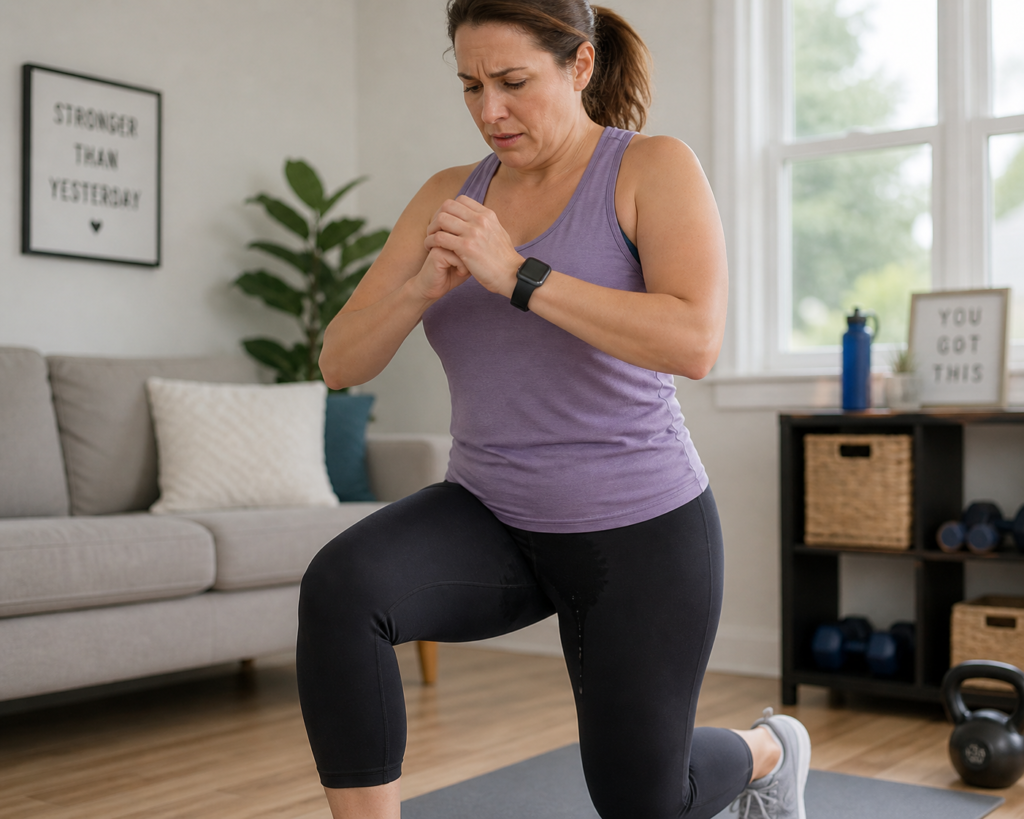
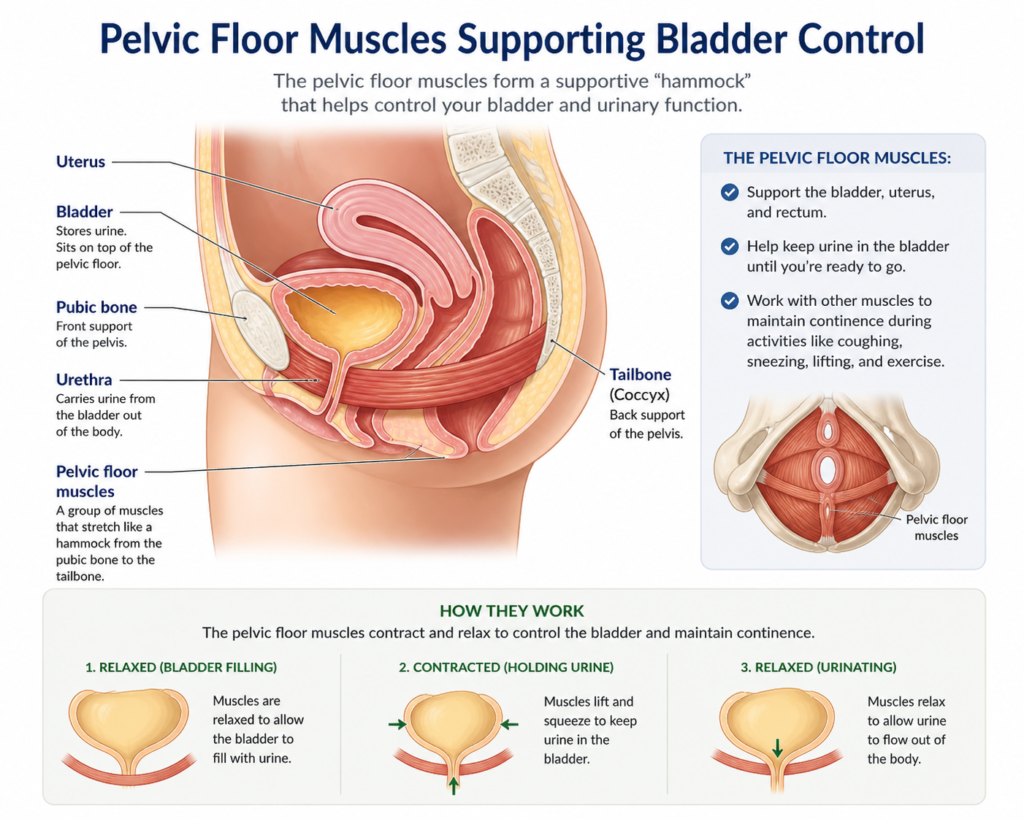
Bladder leakage during exercise is often referred to as stress incontinence. This happens when pressure builds inside your abdomen and your body is not able to fully manage that pressure. Think about what happens when you jump, run, or lift something heavy. Your core naturally braces to support your spine and transfer force. At the same time, your pelvic floor should respond by lifting and supporting your bladder, so that exercise doesn’t result in bladder leakage if muscles coordinate properly.
When everything is working together, that pressure is managed and there is no leakage. When something is off, whether it is timing, strength, coordination, or control, that pressure can push down instead of being supported. That is when leakage can occur. The American Urological Association explains that stress incontinence is directly related to how well the pelvic floor and surrounding structures respond to increases in abdominal pressure.
It Is Not Just a Pelvic Floor Problem
A lot of people assume this is only about weak pelvic floor muscles. In reality, it is usually more complex than that. Your pelvic floor does not work alone. It is part of a system that includes your diaphragm, your deep core muscles, and even your hips and posture. If your breathing is shallow or you tend to hold your breath during exercise, pressure builds in a way your body cannot control well. If your core is not engaging properly, your pelvic floor may not get the support it needs. For bladder leakage, exercise habits and overall core stability both play a key role in prevention.
In some cases, the pelvic floor is not weak at all. It may actually be overactive or tight, which can make it harder to coordinate and respond quickly during movement. The American College of Obstetricians and Gynecologists notes that pelvic floor dysfunction can include both weakness and overactivity, which is why a full assessment is so important.
Why It Often Shows Up During Exercise
Exercise adds demand. It challenges your body in ways that everyday movement might not. High impact activities like running, jumping, or certain group fitness classes increase pressure quickly and repeatedly. Strength training can do the same, especially if breathing and core engagement are not well coordinated. Fatigue also plays a role. Toward the end of a workout, your muscles may not respond as quickly or as effectively, which can make leakage more likely. Bladder leakage exercise concerns can arise when the pelvic floor tires during intense activity.
You may notice that it only happens at certain points. Maybe during jump squats, the first few steps of a run, or when lifting something heavy. These patterns are important and help guide treatment.
Who Is Most Likely to Experience It
Bladder leakage can affect people at different stages of life. It is common after pregnancy and childbirth due to changes in the pelvic floor. Hormonal shifts, especially during perimenopause and menopause, can also impact muscle function and tissue support. Athletes are not immune either. In fact, high impact sports can increase the likelihood of leakage, even in younger and otherwise strong individuals. It’s worth noting that bladder leakage exercise issues occur across various age groups and fitness levels.
People who sit for long periods or have limited core and hip strength may also experience changes in how their body manages pressure. The Centers for Disease Control and Prevention highlights that urinary incontinence affects millions of people and is more common than many realize.
Signs Your Body Needs Support
Leakage is the most obvious sign, but there are often other signals your body gives you. You might feel heaviness or pressure in your pelvic area. Some people notice a lack of control or coordination when they try to engage their core. Others feel disconnected from their breathing during exercise. In fact, some signs of bladder leakage exercise struggles include compensating for discomfort by changing your routine.
You may also find yourself modifying workouts without realizing it. Avoiding jumps, running less, or stopping certain movements altogether. These are not things to ignore. They are your body’s way of asking for support.
How Pelvic Floor Physical Therapy Helps
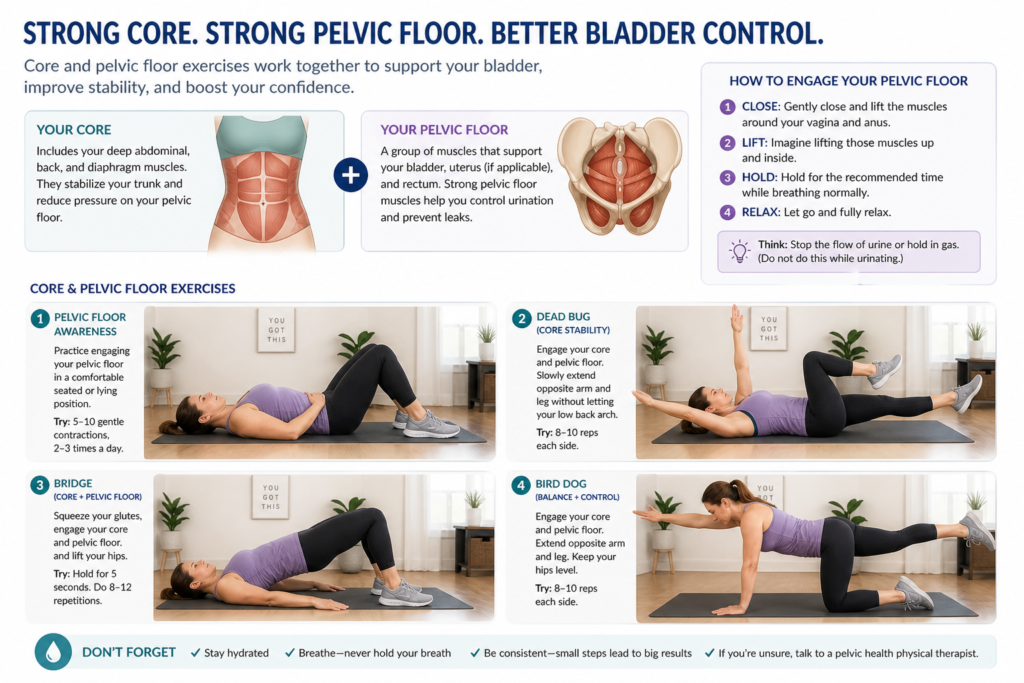
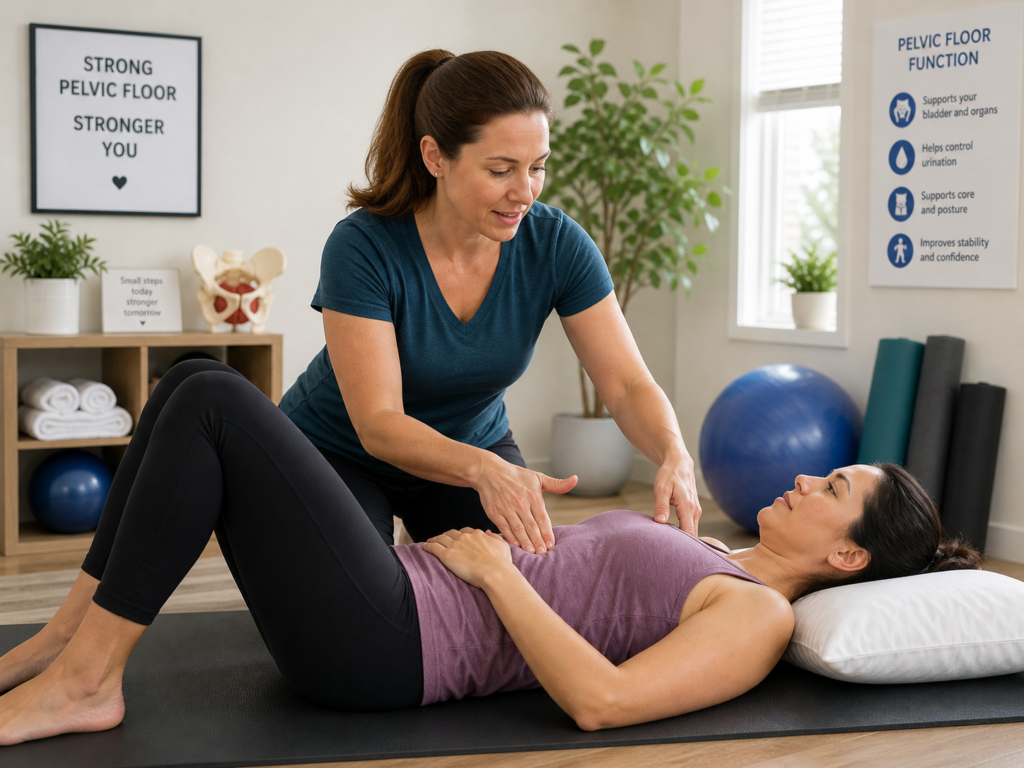
Pelvic floor physical therapy is not just about doing Kegels. In fact, for many people, that is not the starting point at all. At Reform Physical Therapy, we look at how your entire system is working together. That includes your breathing, your core strength, your hip mobility, and your movement patterns. We assess how your body responds to pressure and how well your muscles coordinate during real life activities and exercise. With a tailored bladder leakage exercise plan, physical therapy targets your unique needs.
From there, your plan may include:
- Improving breathing patterns so pressure is managed effectively
- Building deep core strength that supports your pelvic floor
- Training your pelvic floor to respond at the right time
- Addressing tightness or overactivity if present
- Practicing movement patterns specific to your workouts
The goal is to help your body work as a team again so you can move with confidence.
You Deserve to Move Without Worry
Bladder leakage during exercise is something many people deal with quietly, but it does not have to stay that way. You should be able to run, lift, jump, and move without second guessing your body. If you have been experiencing leakage, even occasionally, it is worth addressing. The sooner you understand what your body needs, the easier it is to improve. Therefore, starting the right bladder leakage exercise regimen can make a big difference in your confidence and comfort.