


Habituation Exercises
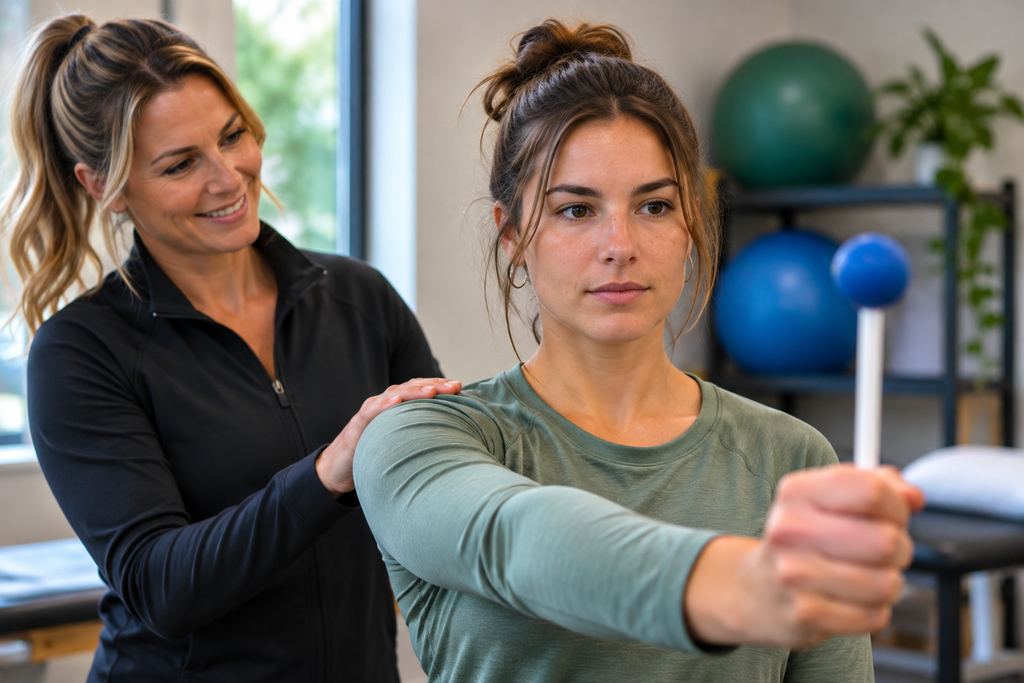
Does turning your head, bending forward, or moving through a busy environment leave you feeling dizzy or uncomfortable? For some people, everyday movements can trigger dizziness, motion sensitivity, or a sense of unsteadiness that makes daily activities more challenging.
At Reform Physical Therapy, our physical therapists incorporate habituation exercises into vestibular rehabilitation to help reduce certain types of movement-related dizziness. Through carefully selected movements and gradual progression, we help patients build tolerance to activities that trigger dizziness and improve their confidence with everyday movement. Through carefully selected and gradually progressed activities, these exercises may help your nervous system become less sensitive to specific movements and visual environments.
What Are Habituation Exercises?
Habituation exercises are repetitive, controlled movements designed to reduce dizziness or discomfort triggered by particular activities. Physical therapists commonly incorporate these exercises into vestibular rehabilitation to help patients manage movement sensitivity and symptoms related to certain vestibular disorders. The exercises work by gradually exposing the nervous system to movements that produce manageable symptoms. Over time, this repeated exposure may help decrease the intensity of dizziness and improve tolerance for everyday activities.
Unlike canalith repositioning, which addresses displaced inner ear crystals associated with BPPV, habituation exercises focus on reducing sensitivity to specific movements or visual stimuli.
Who Can Benefit From Habituation Exercises?
Habituation exercises may be appropriate for individuals who experience dizziness or motion sensitivity during activities such as:
- Turning the head from side to side
- Bending forward or looking upward
- Changing positions
- Walking through visually busy environments
- Watching moving objects or scrolling screens
- Performing repeated movements that trigger dizziness
Physical therapists may incorporate these exercises into treatment plans for certain vestibular conditions, including persistent movement sensitivity following a vestibular disorder or concussion. However, not all dizziness responds to habituation training. An evaluation helps determine whether these exercises are appropriate.
How Do Habituation Exercises Work?
Habituation exercises use gradual, repeated exposure to movements or visual situations that trigger symptoms. The goal is to help the nervous system respond with less dizziness or discomfort over time. Your physical therapist will identify specific movements that reproduce manageable symptoms and develop a program based on your individual tolerance. Treatment may involve controlled head turns, changes in position, bending movements, or activities that simulate visually complex environments. As your symptoms improve, your physical therapist will adjust your exercises to help you gradually return to activities that previously caused discomfort.
Will Habituation Exercises Make Me Dizzy?
You may experience mild, temporary dizziness during habituation exercises because these movements gradually challenge your sensitivity to specific triggers. However, symptoms should remain manageable and generally settle after the activity. If exercises cause severe, prolonged, or progressively worsening symptoms, your physical therapist may need to modify or stop them.Your physical therapist will help determine an appropriate level of activity and guide safe progression.
What to Expect During Your First Visit
Your first appointment begins with a discussion about your dizziness, medical history, and movements that trigger symptoms. Your physical therapist may assess balance, eye movements, walking, and tolerance for different head or body positions. Based on the findings, an individualized treatment plan may include habituation exercises, balance training, gaze-stabilization activities, or other vestibular rehabilitation techniques. Your physical therapist may also recommend a personalized home exercise program to help you maintain consistent progress between appointments.
How Long Do Habituation Exercises Take to Work?
Improvement varies depending on the underlying condition, symptom severity, and consistency with the recommended exercises. Some individuals notice changes within several weeks, while others require a longer rehabilitation period. Your therapist will monitor your response and adjust the program as needed.
Habituation Exercises vs. Gaze-Stabilization Training
Although physical therapists use both techniques in vestibular rehabilitation, each approach addresses different challenges. Habituation exercises focus on reducing dizziness or discomfort caused by repeated exposure to specific movements or visual environments. Gaze-stabilization training helps improve your ability to maintain clear vision during head movements, particularly when your vestibular system isn’t functioning properly. Depending on your symptoms and evaluation findings, your treatment plan may include one or both approaches.
Why Choose Reform Physical Therapy?
At Reform Physical Therapy, we understand how frustrating it can be when ordinary movements trigger dizziness or discomfort. Our independent, woman-owned practice emphasizes personalized, one-on-one care designed around each patient’s needs. When appropriate, habituation exercises may help improve movement tolerance, reduce certain dizziness symptoms, and support greater confidence with everyday activities. Our team can help determine which Reform Physical Therapy location offers the vestibular rehabilitation services appropriate for your needs.
Feel More Comfortable With Everyday Movement
If movement-related dizziness or motion sensitivity is interfering with your daily routine, specialized vestibular rehabilitation may help.
Sudden dizziness accompanied by weakness, difficulty speaking, a new severe headache, or significant difficulty walking requires emergency medical attention. Call 911 if these symptoms occur.