


Gait Training
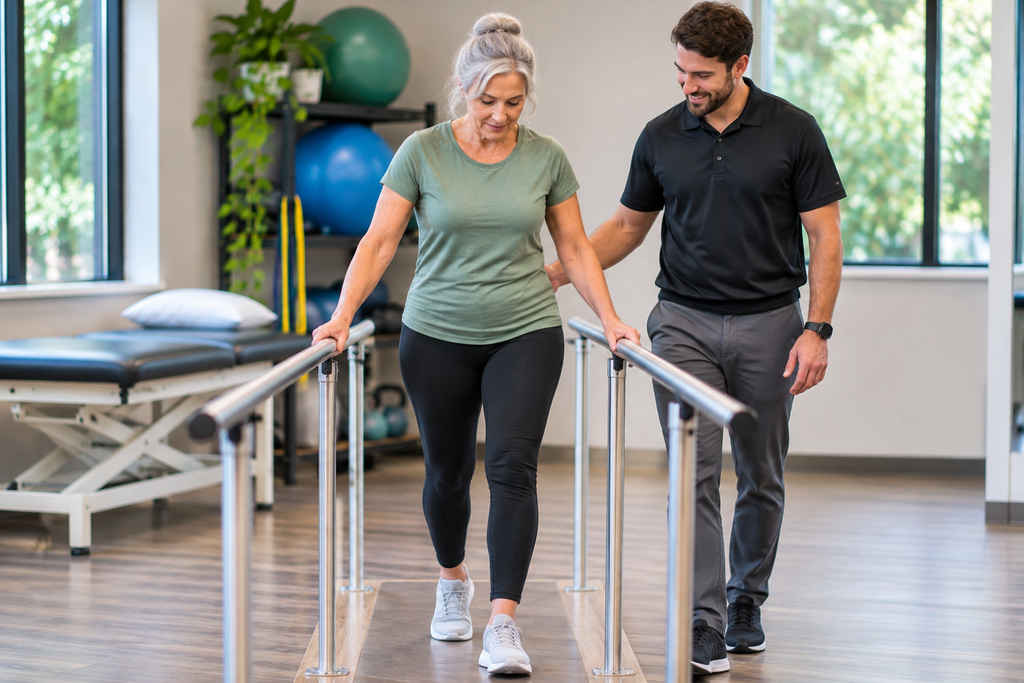
Walking is something most of us do without giving it much thought. However, when an injury, surgery, neurological condition, or balance problem changes the way you move, even a short walk can become challenging. Gait training can help address these changes and improve your walking pattern. You might notice yourself limping, taking shorter steps, feeling unsteady, or relying on furniture and other supports to get around. Changes in your walking pattern can affect much more than your ability to get from one place to another. They may interfere with your confidence, independence, work responsibilities, and participation in activities you enjoy.
At Reform Physical Therapy, gait training focuses on improving walking mechanics, stability, coordination, and functional mobility. Our physical therapists develop personalized treatment plans that address the underlying factors contributing to walking difficulties while helping you work toward safer, more comfortable movement. Whether you’re recovering from surgery, managing a neurological condition, or experiencing changes in balance and strength, our goal is to help you move with greater confidence.
What Is Gait Training?
Gait training is a specialized form of physical therapy that focuses on improving the way you walk. It involves assessing your walking pattern, identifying movement limitations, and using targeted exercises to address difficulties with stepping, balance, coordination, and mobility. Your gait refers to the way your body moves while walking. This includes how your feet contact the ground, how your legs move through each step, how your body shifts weight, and how your muscles work together to maintain stability.
A healthy walking pattern requires coordination between your muscles, joints, nerves, brain, and sensory systems. When an injury or medical condition affects one or more of these components, your body may develop compensatory movement patterns. For example, someone experiencing knee pain might shorten their steps to avoid discomfort. Another person recovering from a stroke may have difficulty lifting one foot or controlling their leg during walking. Through individualized gait training, physical therapists help patients address these movement challenges and develop more effective walking strategies.
Why Is Proper Walking Mechanics Important?
Walking involves a coordinated series of movements that allow your body to move forward while maintaining balance. During each step, your muscles and joints work together to support your body, absorb impact, and prepare for the next movement. When your walking mechanics change, certain muscles or joints may experience additional demands. Over time, these compensations can contribute to discomfort, fatigue, reduced efficiency, or difficulty maintaining stability.
Gait training aims to improve movement quality while considering your individual abilities and medical needs. Rather than focusing on making everyone walk exactly the same way, your physical therapist works toward a walking pattern that supports your safety, comfort, and functional goals.
What Causes Walking Difficulties?
Walking problems can develop for many reasons. Some appear suddenly following an injury or medical event, while others develop gradually as strength, coordination, or mobility changes.
Common contributing factors include:
- Muscle weakness or reduced endurance
- Joint pain or stiffness
- Balance disorders
- Vestibular dysfunction
- Neurological conditions
- Peripheral neuropathy
- Previous injuries
- Orthopedic surgery
- Reduced joint mobility
- Changes in sensation or proprioception
- Difficulty coordinating movements
- Fear of falling
- Age-related changes in physical function
Certain medications and medical conditions can also affect walking ability. Because multiple factors may contribute to gait abnormalities, a physical therapy evaluation helps identify the movement limitations that may benefit from rehabilitation.
Common Signs You May Benefit From Gait Training
Changes in walking patterns aren’t always obvious. Some individuals notice discomfort or fatigue before recognizing that their movement mechanics have changed.
You may benefit from a gait evaluation if you experience:
- Limping while walking
- Taking unusually short or uneven steps
- Difficulty lifting your feet
- Frequent tripping or stumbling
- Feeling unsteady when changing directions
- Difficulty walking on uneven surfaces
- Reduced walking speed
- Trouble climbing stairs or stepping over obstacles
- Needing a cane or walker for support
- Difficulty walking after surgery
- Changes in coordination or leg control
- Fear of falling during everyday activities
These challenges may make it harder to navigate your home, walk outdoors, complete errands, or participate in recreational activities. A physical therapist can assess your walking pattern and determine whether gait training may help address your concerns.
Understanding the Walking Cycle
Walking involves a repeating sequence of movements called the gait cycle. Each cycle includes two primary phases: the stance phase and the swing phase.
Stance Phase
During the stance phase, your foot remains in contact with the ground while supporting your body. Your muscles and joints help absorb impact, maintain stability, and move your body forward. Weakness, pain, or limited joint mobility can affect your ability to support weight comfortably during this phase.
Swing Phase
During the swing phase, your foot lifts from the ground and moves forward to prepare for the next step. This movement requires adequate coordination, muscle control, and joint mobility. Individuals with certain neurological conditions or muscle weaknesses may struggle to lift their feet sufficiently, increasing the risk of catching a toe while walking. By examining both phases, your physical therapist can identify movement patterns that may contribute to instability, discomfort, or reduced walking efficiency.
How Does Gait Training Work?
Gait training combines movement assessment, therapeutic exercise, and functional walking activities to address specific challenges. Your physical therapist develops a treatment plan based on your walking abilities, medical history, and personal goals.
Walking Mechanics and Movement Retraining
Your therapist may begin by observing how you walk, including step length, walking speed, foot placement, posture, and weight distribution. When movement limitations appear, treatment may focus on improving specific aspects of your walking pattern. For example, exercises might address uneven steps, difficulty transferring weight, or reduced control during foot placement. The goal is to encourage more effective movement without forcing your body into an uncomfortable or unrealistic walking pattern.
Strength Training
Muscle strength plays an important role in walking stability and efficiency. Weakness in your hips, legs, ankles, or core may contribute to difficulty supporting your body or controlling movement. Your physical therapist may incorporate strengthening exercises that target the muscles involved in walking. These activities can help improve lower-body control, endurance, and functional mobility.
Balance and Stability Exercises
Walking requires your body to maintain balance while continuously shifting weight from one leg to the other. When balance difficulties contribute to walking problems, your therapist may include exercises that challenge stability and coordination. Treatment might involve supported standing activities, controlled stepping, weight shifting, or movement exercises that reflect everyday walking demands.
Coordination and Motor Control Training
Your nervous system helps coordinate the timing and sequence of movements required for walking. Certain injuries and neurological conditions can interfere with this coordination. Motor control exercises may help improve stepping patterns, movement timing, and the ability to respond to changes in position. Your therapist will select activities based on the specific challenges identified during your evaluation.
Step and Stride Training
Step length and stride patterns can influence walking efficiency and stability. Some individuals take shorter steps because of weakness, pain, stiffness, or difficulty maintaining balance. Gait training may include controlled stepping activities designed to improve step consistency and walking mechanics. Your therapist will consider your natural movement abilities and rehabilitation goals when recommending changes.
Walking With Assistive Devices
Some individuals benefit from using a cane, walker, crutches, or another assistive device to improve safety and mobility. Your physical therapist can assess whether an assistive device may be appropriate and provide instruction on proper positioning and use. Treatment may also focus on improving confidence while walking with the device. When appropriate, your therapist can help determine whether your mobility has improved enough to consider changing your level of support.
Gait Training for Balance Disorders
Balance problems can make walking feel unpredictable, particularly when turning, navigating obstacles, or moving across uneven surfaces. Individuals with vestibular dysfunction may also experience dizziness or difficulty maintaining stability while moving their heads. Gait training can help address these challenges through targeted walking exercises and movement strategies. Your therapist may incorporate activities such as changing walking speeds, practicing controlled turns, or walking while performing appropriate head movements. Some patients benefit from combining gait training with balance exercises, gaze-stabilization training, or other vestibular rehabilitation techniques. Treatment depends on the underlying cause of your symptoms and your ability to safely participate.
Gait Training After Surgery
Orthopedic surgery can temporarily change your walking pattern because of pain, swelling, muscle weakness, movement restrictions, or reduced confidence. Procedures involving the hips, knees, ankles, feet, or spine may affect your ability to walk comfortably. Following surgery, gait training may help you gradually return to more effective movement while respecting your recovery precautions.
Gait Training After Knee Replacement
After knee replacement surgery, some individuals experience difficulty fully straightening the knee, supporting weight, or walking without a limp. Physical therapy may address knee mobility, lower-body strength, and walking mechanics to support functional recovery.
Gait Training After Hip Replacement
Hip replacement recovery may involve temporary changes in muscle strength, balance, and weight distribution. Your physical therapist can help improve walking mechanics while following your surgeon’s recommendations and any applicable precautions.
Gait Training After Foot or Ankle Surgery
Foot and ankle procedures may affect how you transfer weight, push off the ground, or maintain stability during walking. Gait training can help you progress through appropriate stages of weight-bearing and mobility as your recovery allows.
Your physical therapist will always consider surgical restrictions, healing timelines, and medical recommendations before progressing walking activities.
Gait Training for Neurological Conditions
Neurological conditions can affect the communication between your brain, nerves, and muscles. These changes may influence walking speed, coordination, muscle control, balance, or the ability to lift and place your feet. When appropriate, gait training can play an important role in neurological rehabilitation.
Stroke Rehabilitation
A stroke may affect strength, coordination, sensation, or movement control on one side of the body. Gait training after a stroke may focus on improving weight shifting, stepping patterns, balance, and functional walking ability. Some individuals also require assistive devices or specialized support during rehabilitation.
Parkinson’s Disease
Parkinson’s disease can affect walking speed, step length, posture, and movement initiation. Some individuals experience shuffling steps, freezing episodes, or difficulty changing directions. Physical therapists may incorporate walking strategies, external cues, balance exercises, and movement training to address these challenges.
Multiple Sclerosis
Multiple sclerosis can contribute to muscle weakness, fatigue, coordination changes, and walking difficulties. Gait training may help individuals develop movement strategies that support stability, mobility, and energy management. Treatment should account for fatigue, symptom variability, and individual functional goals.
Peripheral Neuropathy
Peripheral neuropathy can reduce sensation in the feet and interfere with awareness of foot placement. These changes may contribute to instability, altered walking patterns, or an increased risk of tripping. Gait training may help address movement strategies, balance, strength, and safe mobility while accounting for sensory limitations.
Gait Training for Older Adults
Walking changes can become more noticeable with age, particularly when muscle weakness, reduced endurance, sensory changes, or balance difficulties affect mobility. However, significant walking problems should not automatically be dismissed as a normal part of aging. Older adults may benefit from gait training that addresses walking speed, step consistency, strength, coordination, and confidence. Treatment may include functional exercises that reflect everyday activities such as walking through the home, navigating sidewalks, stepping over obstacles, or climbing stairs. For individuals with an increased risk of falling, gait training may also form part of a comprehensive fall prevention program. Our goal is to support safe mobility and help patients maintain independence in their daily routines.
Gait Training for Sports and Active Lifestyles
Walking mechanics can also affect people who participate in sports, exercise, and other physically demanding activities. Following an injury, some individuals develop compensatory movement patterns that continue even after their initial pain improves. These changes may influence walking comfort, endurance, and readiness to return to higher-level activities. Physical therapists can assess movement mechanics and incorporate gait training when appropriate. Depending on your goals, rehabilitation may also include strengthening, mobility exercises, balance activities, and progressive functional training.
What to Expect During Your First Gait Training Appointment
Your first visit begins with a conversation about your medical history, walking difficulties, and personal goals. Your physical therapist may ask when you first noticed changes in your walking pattern, whether you’ve experienced falls, and which activities cause discomfort or instability.
The evaluation may include assessments of:
- Walking speed and step length
- Foot placement and walking mechanics
- Balance and coordination
- Lower-body strength
- Joint mobility and flexibility
- Posture and weight distribution
- Functional movements
- Sensation and proprioception when appropriate
- Assistive device use
- Walking endurance
Your therapist may also observe how you navigate turns, changes in direction, or different walking surfaces. Following the evaluation, you’ll discuss the findings and develop a treatment plan that reflects your abilities and rehabilitation goals. Some patients begin with supported walking activities, while others progress directly into more challenging movement exercises. Your physical therapist may also recommend a personalized home exercise program to support progress between appointments.
Is Gait Training Safe?
Gait training should challenge your walking abilities while maintaining an appropriate level of safety. Your physical therapist will consider your balance, strength, medical history, and risk of falling before selecting exercises. Depending on your needs, treatment may involve parallel bars, supportive equipment, assistive devices, or direct assistance from your therapist. Exercises progress as your abilities improve. If you experience significant instability, avoid attempting challenging walking activities without appropriate support. An individualized approach helps ensure that rehabilitation remains suitable for your condition and goals.
How Long Does Gait Training Take?
The length of gait training varies depending on the underlying cause of your walking difficulties. Some individuals notice improvements within several weeks, while others require longer rehabilitation periods. Recovery after surgery may follow a different timeline than rehabilitation for a chronic neurological condition. Factors such as muscle strength, balance, pain, endurance, and consistency with recommended exercises can influence progress. Your physical therapist will monitor your response to treatment and adjust your program as your walking abilities change. Rather than following a fixed timeline, rehabilitation focuses on helping you achieve meaningful improvements in everyday mobility.
Gait Training vs. Balance Training
Although gait training and balance training often overlap, each approach addresses different aspects of movement. Gait training focuses specifically on improving walking mechanics, stepping patterns, coordination, and functional mobility. Balance training focuses on improving stability, postural control, and your ability to maintain or regain balance during different activities. Because walking requires continuous balance adjustments, many patients benefit from combining both approaches. Your physical therapist will determine which exercises, and treatment strategies best address your needs.
Why Choose Reform Physical Therapy for Gait Training?
At Reform Physical Therapy, we understand that walking difficulties can affect your independence, confidence, and overall quality of life. Whether you’re recovering from surgery, managing a neurological condition, or experiencing changes in mobility, our team focuses on helping you work toward meaningful improvements.
Personalized, One-on-One Physical Therapy
Our independent, woman-owned practice prioritizes individualized treatment and one-on-one appointments. Your physical therapist will take the time to understand your symptoms, evaluate your movement, and develop a treatment plan that reflects your personal goals.
Consistency Throughout Your Rehabilitation
At Reform Physical Therapy, you’ll work with the same physical therapist throughout your treatment. This continuity allows your provider to become familiar with your progress and make thoughtful adjustments as your walking abilities improve.
Treatment That Focuses on Real-Life Movement
Our goal extends beyond improving how you walk inside the clinic. We want to help you build confidence during the activities that matter most, whether that means walking through your neighborhood, navigating stairs, returning to work, or participating in recreational activities. With seven clinics throughout Southern and Midcoast Maine, our team can help you identify the location and rehabilitation services that best meet your needs.
Take the Next Step Toward Better Walking and Mobility
Walking difficulties can make everyday life feel more complicated, but you don’t have to navigate those challenges alone. Through individualized gait training, physical therapy may help improve walking mechanics, strength, balance, coordination, and confidence. Whether you’re recovering from an injury, adjusting to changes in mobility, or working toward greater independence, Reform Physical Therapy is here to support your rehabilitation goals.
If walking difficulties develop suddenly alongside facial drooping, weakness, difficulty speaking, severe dizziness, or a new severe headache, call 911. These symptoms may indicate a medical emergency.