


Mobility Training
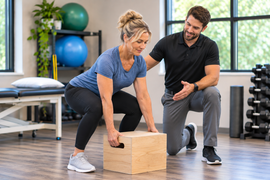
Functional Movement Training
Have you ever noticed that everyday movements feel more difficult than they used to? Maybe bending down to pick something up causes discomfort, getting out of a chair requires extra effort, or lifting groceries leaves you feeling unsteady. Even simple activities can become frustrating when your body doesn’t move as comfortably or efficiently as you’d… Read More
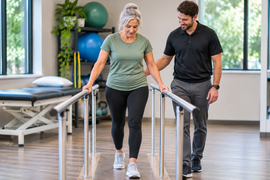
Gait Training
Walking is something most of us do without giving it much thought. However, when an injury, surgery, neurological condition, or balance problem changes the way you move, even a short walk can become challenging. Gait training can help address these changes and improve your walking pattern. You might notice yourself limping, taking shorter steps, feeling… Read More

Fall Prevention
Have you started feeling less steady on your feet? Maybe you’ve stumbled while walking, struggled to maintain your balance on uneven ground, or found yourself reaching for furniture to feel more secure. For many people, fall prevention physical therapy can help address these challenges and restore confidence. Even a minor slip or near fall can… Read More
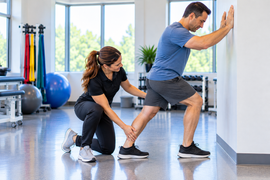
Spastic Cerebral Palsy
Living with spastic cerebral palsy can make everyday movements more challenging. Fortunately, spastic cerebral palsy physical therapy can help manage muscle tightness and improve mobility. Your muscles may feel unusually tight or stiff, making it harder to walk, climb stairs, stand up from a chair, or move comfortably throughout the day. For some people, stiffness… Read More
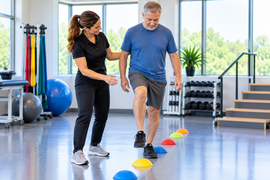
Ataxic Cerebral Palsy
Imagine knowing exactly where you want to step but having difficulty keeping your balance as you move. Or reaching for something on a shelf and finding that your hand does not move as smoothly or accurately as you expected. For people living with ataxic cerebral palsy, these experiences can be part of everyday life, and… Read More
Cerebral Palsy
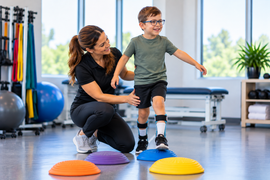
Living with cerebral palsy can make everyday movements more challenging. Walking, maintaining balance, climbing stairs, or getting up from a chair may require extra effort. Cerebral palsy physical therapy can play an important role in helping people manage these challenges. Some people experience muscle stiffness or weakness, while others have difficulty coordinating movements or controlling… Read More