


Running Injury
Get Back to Running Stronger, More Comfortably, and With Confidence

Whether you’re training for your first 5K, preparing for a marathon, or enjoying a few miles around your neighborhood, running is more than just exercise. For many people, it’s a way to relieve stress, stay healthy, challenge themselves, and enjoy time outdoors. Unfortunately, running injuries can interrupt your training, affect everyday activities, and make even a short run uncomfortable. If you’re experiencing pain, it may be time to consider running injury physical therapy to help you recover and return to your routine. Maybe your knee starts aching halfway through your usual route. Perhaps you’ve noticed heel pain during your first few steps in the morning, tightness in your calves, or discomfort along your shins that seems to get worse with every run. Whatever your symptoms, you shouldn’t have to guess what’s causing your pain or how to get back to running.
At Reform Physical Therapy, we provide personalized running injury physical therapy to help runners recover from injuries, improve strength and mobility, and safely return to the activities they love. Our licensed physical therapists take the time to understand your symptoms, running habits, training goals, and movement patterns. Through individualized, one-on-one care, we develop rehabilitation programs designed around your specific needs. With seven convenient locations throughout Southern and Midcoast Maine, we’re here to help you get back to enjoying every mile.
What Are Running Injuries?
Running injuries are musculoskeletal conditions that develop during or as a result of running-related activities. Some occur suddenly, such as an ankle sprain on uneven terrain or a muscle strain during a sprint. Others develop gradually as repetitive loading places increasing demands on muscles, tendons, bones, and joints. These are commonly referred to as overuse injuries. Running involves repeated cycles of impact, muscle contraction, joint movement, and force absorption. Although the body is designed to adapt to physical activity, injuries may develop when training demands exceed a person’s current capacity for recovery and adaptation.
Common running injuries affect the:
- Knees
- Hips
- Lower back
- Thighs
- Calves
- Shins
- Ankles
- Heels
- Feet
Running injuries can affect beginners and experienced athletes alike. Whether you’re returning to exercise after time away or increasing mileage for an upcoming race, physical therapy can help identify contributing factors and guide an appropriate recovery plan.
Common Running Injuries We Treat
Different running injuries affect different structures throughout the lower body. Understanding the location, behavior, and possible causes of your symptoms is an important first step toward recovery.
Runner’s Knee (Patellofemoral Pain Syndrome)
Runner’s knee is a common term used to describe pain around or behind the kneecap. Also known as patellofemoral pain syndrome, this condition may develop when the patellofemoral joint becomes sensitive to repetitive loading.
Symptoms often include:
- Pain around or behind the kneecap
- Discomfort while running
- Pain when climbing or descending stairs
- Symptoms during squatting
- Discomfort after prolonged sitting
- Increased pain during downhill running
Physical therapy may help improve hip and quadriceps strength, lower-body movement control, and tolerance for running-related activities. Treatment may also include adjustments to training volume and gradual return-to-running progressions.
IT Band Syndrome
Iliotibial band syndrome, commonly called IT band syndrome, is a frequent cause of pain along the outside of the knee. The iliotibial band is a thick band of connective tissue that extends along the outside of the thigh. Symptoms often become noticeable during repetitive knee bending associated with running.
Common signs include:
- Pain on the outside of the knee
- Discomfort that develops after running a certain distance
- Increased symptoms during downhill running
- Tenderness near the outer knee
- Pain that improves with rest but returns during activity
Physical therapy may focus on hip strengthening, lower-body control, activity modification, and progressive loading. Your therapist may also evaluate running mechanics and training patterns that could be contributing to symptoms.
Shin Splints (Medial Tibial Stress Syndrome)
Shin splints commonly cause discomfort along the inner border of the shinbone. The medical term is medial tibial stress syndrome. Symptoms may develop when repetitive running loads exceed the current tolerance of the tissues surrounding the tibia.
Common symptoms include:
- Aching or tenderness along the inner shin
- Pain during or after running
- Discomfort following increases in mileage
- Symptoms associated with repetitive impact
- Tenderness extending along a broader area of the shin
Treatment may include temporary training modifications, calf strengthening, lower-body conditioning, and gradual return-to-running progressions. Because shin pain can also indicate a bone stress injury, a thorough evaluation is important.
Achilles Tendonitis and Achilles Tendinopathy
The Achilles tendon connects the calf muscles to the heel bone and plays an important role in walking, running, and jumping. Repetitive loading can sometimes contribute to Achilles tendon pain. Although the term Achilles tendonitis is commonly used, persistent tendon pain is often described as Achilles tendinopathy.
Symptoms may include:
- Pain near the back of the heel
- Stiffness during the first steps in the morning
- Tenderness along the Achilles tendon
- Discomfort during running or hill training
- Pain during calf raises
- Reduced tolerance for jumping or pushing off
Physical therapy often includes progressive calf strengthening, load management, and exercises designed to improve tendon capacity. Your therapist can help determine when and how to safely increase running demands.
Plantar Fasciitis (Plantar Heel Pain)
Plantar fasciitis is a common cause of heel pain among runners and active individuals. The plantar fascia is a thick band of connective tissue along the bottom of the foot that helps support the arch.
Symptoms frequently include:
- Sharp or aching heel pain
- Discomfort during the first steps in the morning
- Pain after prolonged sitting
- Tenderness near the bottom of the heel
- Increased symptoms after running or prolonged standing
Physical therapy may include calf and foot strengthening, mobility exercises, stretching when appropriate, and strategies for managing activity-related loading. Footwear considerations and a gradual return to running may also be discussed.
Hamstring Strains
The hamstrings are a group of muscles along the back of the thigh that contribute to hip extension and knee movement. Hamstring strains may occur during sprinting, acceleration, or other activities requiring rapid muscle contraction.
Symptoms may include:
- Sudden pain in the back of the thigh
- Tenderness in the affected muscle
- Discomfort during running
- Weakness when bending the knee
- Difficulty accelerating or sprinting
- Bruising or swelling with more significant injuries
Rehabilitation typically focuses on progressive strengthening, restoring movement tolerance, and gradually preparing the muscle for higher-speed running.
Calf Strains
Calf strains may develop during sprinting, hill running, sudden acceleration, or changes in training intensity. These injuries involve the muscles along the back of the lower leg.
Common symptoms include:
- Sudden or gradual calf pain
- Tightness during running
- Tenderness in the calf
- Difficulty pushing off the foot
- Pain during calf raises
- Reduced tolerance for walking or running
Physical therapy may help restore calf strength, improve movement tolerance, and prepare the muscles for progressive running demands. Sudden calf pain accompanied by a popping sensation or difficulty pushing off may indicate a more significant injury requiring medical assessment.
Hip Pain and Hip Flexor Injuries
Running places repeated demands on the muscles and joints surrounding the hips. Discomfort may develop in the front, side, or back of the hip depending on the structures involved.
Possible symptoms include:
- Pain during running
- Discomfort when lifting the knee
- Hip stiffness
- Pain during hills or speed workouts
- Reduced stride comfort
- Tenderness around the hip muscles
Treatment depends on the underlying condition and may include strengthening, mobility exercises, movement assessment, and training modifications.
Ankle Sprains and Instability
Ankle injuries can occur when running on uneven surfaces, trails, or unpredictable terrain. A sudden twist or awkward landing may stretch or injure the ligaments supporting the ankle.
Symptoms may include:
- Ankle pain
- Swelling
- Bruising
- Difficulty bearing weight
- Reduced mobility
- A feeling that the ankle may give way
Physical therapy may help restore strength, balance, ankle mobility, and confidence during running. For individuals with recurrent ankle sprains, rehabilitation may also address stability and movement control.
Stress Fractures and Bone Stress Injuries
Bone stress injuries develop when repetitive loading exceeds the bone’s ability to recover and adapt. They may occur in the tibia, metatarsals, femur, or other weight-bearing bones.
Warning signs can include:
- Localized bone pain
- Pain that progressively worsens with running
- Tenderness over a specific area
- Discomfort during walking
- Pain that persists after activity
- Symptoms that become more noticeable with continued training
Suspected bone stress injuries require medical evaluation. Continuing to run through a stress fracture can worsen the injury and delay recovery. Following diagnosis and appropriate medical guidance, physical therapy may help restore strength, address contributing factors, and support a gradual return to running.
What Causes Running Injuries?
Running injuries rarely have a single cause. Instead, several factors may influence how the body responds to repetitive physical demands.
Sudden Increases in Running Mileage
Increasing weekly mileage too quickly may place additional stress on muscles, tendons, bones, and joints. The body needs time to adapt to new training demands.
Changes in Running Intensity
Adding speed workouts, intervals, or hill training can increase the forces experienced by different tissues. Even experienced runners may develop symptoms when training intensity changes significantly.
Muscle Strength and Endurance Limitations
Running requires strength and endurance throughout the hips, thighs, calves, and feet. When certain muscles lack the capacity to tolerate current training demands, discomfort may develop.
Inadequate Recovery
Recovery time, sleep, nutrition, and overall training demands influence how the body adapts to exercise. Insufficient recovery may contribute to accumulated fatigue and increased injury risk.
Changes in Running Surfaces
Switching between roads, treadmills, trails, hills, and other surfaces changes the physical demands of running. A gradual transition may help the body adapt.
Previous Injuries
A history of injury may influence strength, mobility, confidence, and movement patterns. Addressing lingering limitations can be an important part of rehabilitation.
Footwear and Training Changes
Different shoes may influence comfort and loading patterns. However, no single shoe type or foot-strike pattern is appropriate for every runner. Your physical therapist can help evaluate whether footwear or recent training changes may be relevant to your symptoms.
How Running Mechanics Affect Injury Risk
Every runner moves differently. Stride length, cadence, foot strike, joint motion, and muscle coordination can influence how forces are distributed throughout the body. However, there is no single perfect running form that prevents every injury. A movement pattern that works well for one runner may not be appropriate for another.
Common Running Mechanics Considerations
Running Cadence
Cadence refers to the number of steps taken per minute. In selected cases, modest adjustments to cadence may help change loading demands and improve symptom tolerance.
Stride Length
Longer strides may influence braking forces and the demands placed on certain joints. Your therapist may assess whether a change in stride length could be helpful.
Hip and Knee Control
The hips and knees work together to manage movement and absorb forces during running. Strength and movement assessments can help identify relevant limitations.
Foot and Ankle Function
The foot and ankle contribute to balance, shock absorption, and propulsion. Mobility, strength, and tendon capacity may influence running tolerance.
Training Demands
Running mechanics are only one part of the picture. Mileage, intensity, recovery, previous injuries, and overall physical capacity are also important considerations. At Reform Physical Therapy, our goal is not to make every runner move the same way. Instead, we focus on identifying changes that may improve comfort, function, and running tolerance.
How Are Running Injuries Diagnosed?
A thorough evaluation helps determine which structures may be contributing to your symptoms and whether physical therapy is appropriate. Your physical therapist will begin by discussing your medical history, training routine, and current concerns.
Your Evaluation May Include:
Symptom History
We’ll discuss when your pain began, where it occurs, how it changes during running, and what activities make it better or worse.
Training Review
Your therapist may ask about weekly mileage, recent training changes, running surfaces, footwear, and recovery habits.
Strength Assessment
Testing may focus on the hips, thighs, calves, feet, and other areas relevant to your symptoms.
Joint Mobility
Your therapist may assess ankle, knee, hip, or spinal mobility depending on your presentation.
Balance and Movement Testing
Single-leg balance, squatting, step-downs, and other functional activities may provide useful information.
Running Assessment
When appropriate, observing your running mechanics may help identify movement patterns or loading demands that could be contributing to symptoms.
Medical Screening
Certain symptoms, including suspected fractures, significant ligament injuries, or neurological concerns, may require additional medical evaluation or imaging. An accurate diagnosis helps guide an individualized rehabilitation plan.
Can Physical Therapy Help Running Injuries?
Yes. Running injury physical therapy can help many runners recover from musculoskeletal injuries, improve physical capacity, and return to running. Treatment focuses on addressing symptoms while rebuilding the strength, mobility, endurance, and movement tolerance required for running.
Depending on your condition, physical therapy may help:
- Reduce pain during daily activities
- Improve hip, knee, and ankle mobility
- Strengthen muscles supporting running
- Improve balance and coordination
- Increase tendon and muscle loading tolerance
- Address movement limitations
- Restore walking and running endurance
- Develop an appropriate training progression
- Improve confidence after injury
- Support a gradual return to running
Your treatment plan will depend on your diagnosis, symptoms, physical abilities, and goals. At Reform Physical Therapy, we believe rehabilitation should help you return to the activities you enjoy rather than simply avoid them.
How Reform Physical Therapy Treats Running Injuries
Our licensed physical therapists use individualized rehabilitation strategies based on your condition and running goals.
1. Comprehensive Running Injury Evaluation
Your therapist begins by identifying the factors contributing to your symptoms. This may include strength testing, mobility assessment, balance evaluation, functional movement testing, and review of your running history.
2. Running Gait and Movement Assessment
When appropriate, a running assessment can help identify movement patterns that may influence symptoms or running tolerance. Your therapist may observe stride characteristics, lower-body control, and other relevant factors. Recommendations are individualized rather than based on a universal definition of perfect running form.
3. Lower-Body Strengthening
Running places considerable demands on the muscles surrounding the hips, knees, ankles, and feet.
Progressive strengthening may include:
- Squats
- Lunges
- Step-ups
- Calf raises
- Hip strengthening
- Single-leg exercises
- Functional resistance training
Exercises are selected according to your injury and current physical abilities.
4. Mobility and Flexibility Exercises
Certain running injuries may involve stiffness or restricted movement. Targeted mobility exercises can help improve comfortable movement when relevant limitations are identified.
5. Manual Therapy
Hands-on techniques may help address associated pain, muscle discomfort, or joint restrictions. Manual therapy is generally combined with strengthening and active rehabilitation.
6. Balance and Single-Leg Stability
Running repeatedly requires the body to support weight on one leg. Balance and coordination exercises may help improve movement control and prepare the lower body for running demands.
7. Progressive Loading
Muscles, tendons, and bones respond to appropriate physical loading over time. Your therapist can help determine how to gradually increase activity while monitoring symptoms and recovery.
8. Return-to-Running Rehabilitation
Returning to running after an injury often requires a structured progression. Treatment may begin with walking, strengthening, and lower-impact activities before progressing to running intervals and more demanding workouts. The pace of progression depends on your diagnosis, recovery, and response to activity.
Running Assessments at Reform Physical Therapy
A running assessment can provide valuable information about how your body moves during running. Whether you’re recovering from an injury or experiencing recurring discomfort, evaluating your movement patterns may help identify areas that could benefit from rehabilitation.
Depending on your needs, an assessment may consider:
- Running mechanics
- Stride characteristics
- Lower-body strength
- Hip and ankle mobility
- Balance and coordination
- Training history
- Activity-related symptoms
- Functional movement limitations
Your physical therapist may recommend targeted strengthening, movement modifications, or training adjustments based on the findings. The goal of a running assessment is not to force you into a particular running style. Instead, it helps guide individualized recommendations that support comfortable and sustainable running.
How to Return to Running After an Injury
One of the most common questions runners have is when they can safely begin running again. The answer depends on the type of injury, symptom severity, and current physical abilities. Returning too quickly may aggravate symptoms, while avoiding activity longer than necessary can make it difficult to rebuild confidence and conditioning. A gradual, individualized approach is often most helpful.
Step 1: Restore Comfortable Daily Movement
Before returning to running, it’s important to determine whether walking and other everyday activities are manageable. For certain injuries, your therapist may recommend additional strength or functional testing.
Step 2: Rebuild Strength
Running requires sufficient strength and endurance throughout the lower body. Progressive exercises help prepare muscles and tendons for repetitive loading.
Step 3: Introduce Running Intervals
When appropriate, a return-to-running program may begin with alternating periods of walking and easy running. The duration and intensity should be adjusted according to your injury and recovery.
Step 4: Gradually Increase Running Duration
As tolerance improves, running intervals may become longer. Progression should consider symptoms during activity and how your body responds afterward.
Step 5: Return to Speed, Hills, and Longer Distances
Higher-intensity workouts, hills, and longer runs generally place greater demands on the body. These activities may be introduced gradually as strength, endurance, and symptom tolerance improve.
Important: Some injuries, particularly bone stress injuries and significant tendon or ligament injuries, require additional precautions and medical clearance before running resumes.
Exercises That May Help Prevent Running Injuries
Although no exercise program can prevent every running injury, strengthening and conditioning may help improve the body’s capacity to tolerate physical demands. Your physical therapist may recommend exercises such as:
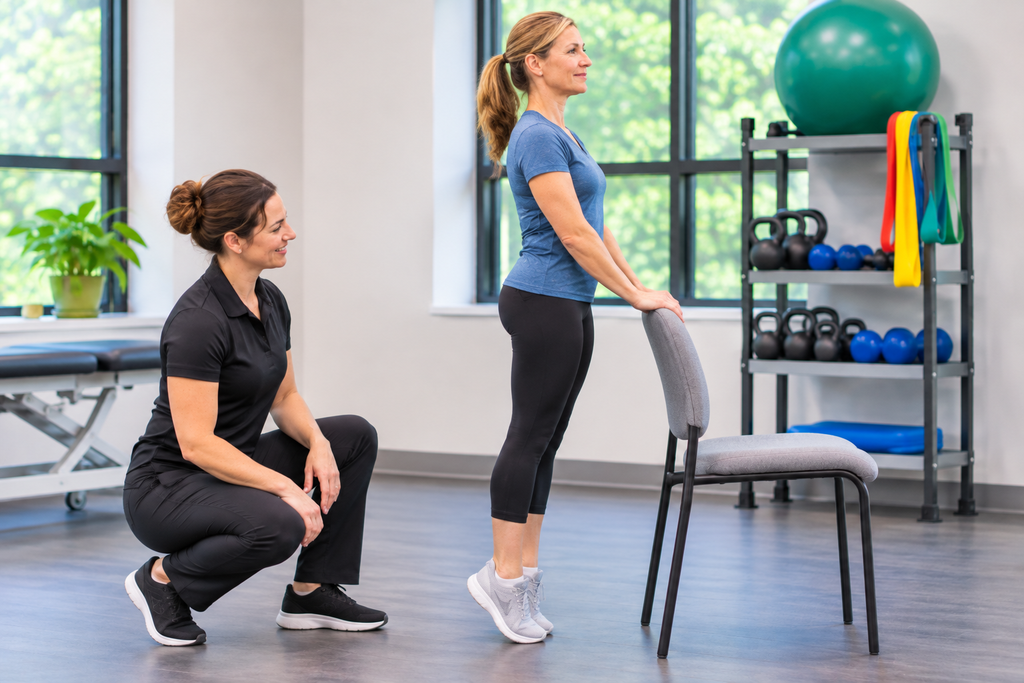
Calf Raises
Calf raises strengthen the muscles and tendons involved in pushing off during running.
Single-Leg Squats
These exercises challenge lower-body strength, balance, and coordination.

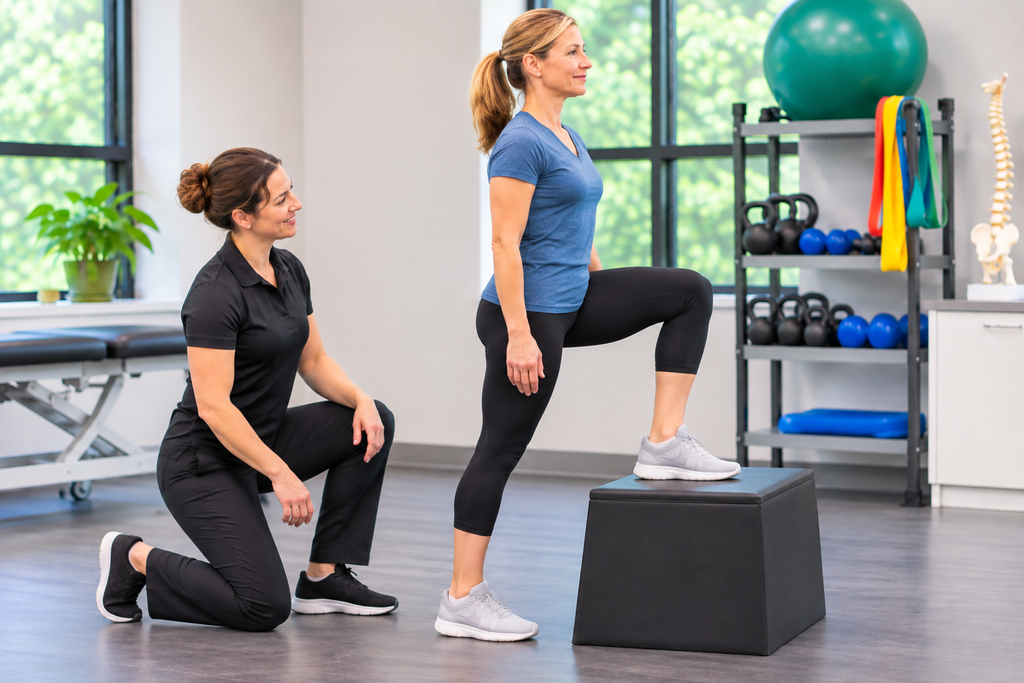
Step-Ups
Step-ups strengthen the hips and legs while practicing functional movement.
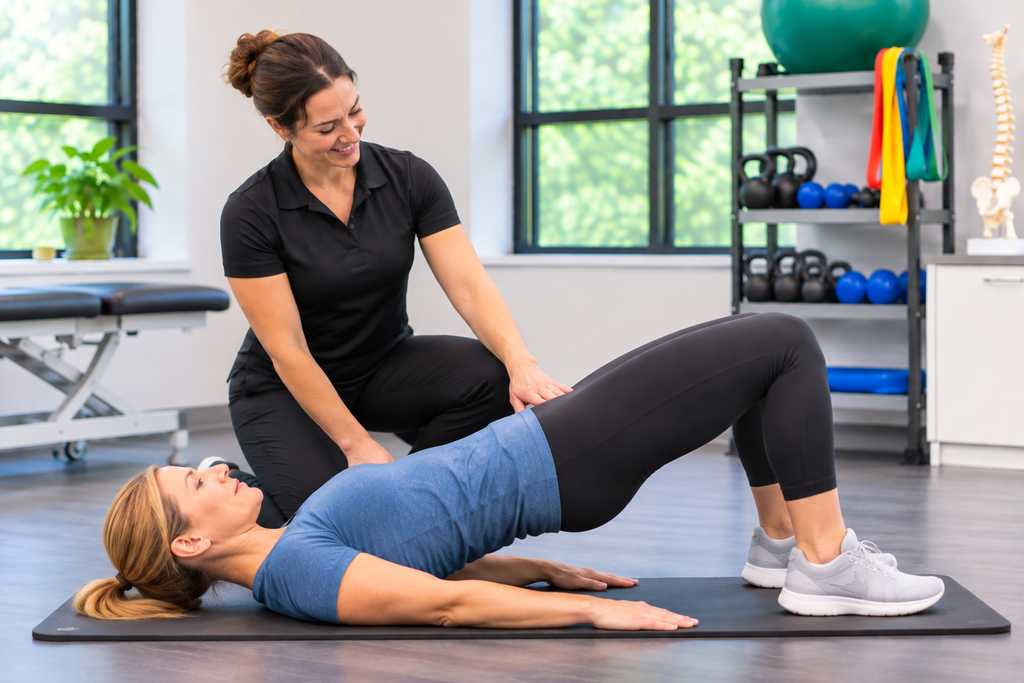
Glute Bridges
Bridges help strengthen the gluteal muscles, which contribute to hip extension and lower-body movement.
Hip Strengthening
Targeted hip exercises may improve strength and movement capacity during running.

Balance Exercises
Single-leg balance and other coordination activities can help prepare the body for uneven terrain and repetitive loading.

Progressive Resistance Training
A structured strength program can support muscle and tendon capacity and complement regular running. The most appropriate exercises depend on your current fitness, injury history, and training goals.

Tips for Reducing Your Risk of Running Injuries
Running injuries aren’t always preventable, but thoughtful training habits can help reduce certain risks.
Increase Mileage Gradually
Allow time for your body to adapt when increasing weekly running distance. There is no single mileage progression rule that works for everyone.
Incorporate Strength Training
Regular resistance training can help improve the physical capacity needed for running.
Allow Time for Recovery
Adequate sleep, nutrition, and recovery between demanding workouts support adaptation.
Vary Training Demands
Alternating easier and harder sessions may help manage accumulated fatigue.
Pay Attention to Persistent Symptoms
Occasional muscle soreness is common after exercise. However, recurring pain, progressive discomfort, or symptoms that alter your running pattern may indicate the need for evaluation.
Address Injuries Early
Seeking guidance when symptoms persist may help identify appropriate activity modifications and prevent continued aggravation.
How Long Does Running Injury Rehabilitation Take?
Recovery time depends on the type and severity of the injury. Some mild muscle strains improve over several weeks, while persistent tendinopathies, significant ligament injuries, and bone stress injuries may require longer rehabilitation periods.
Factors influencing recovery include:
- Type of running injury
- Duration and severity of symptoms
- Training history
- Current strength and endurance
- Previous injuries
- Activity demands
- Associated medical conditions
- Response to rehabilitation
- Consistency with an appropriate exercise program
Your physical therapist will help establish realistic goals and adjust your rehabilitation plan as you progress. Rather than focusing only on a specific timeline, treatment emphasizes achieving the physical abilities needed for a successful return to running.
When Should You Seek Medical Attention for Running Pain?
Not every ache requires medical treatment, but certain symptoms should not be ignored.
Schedule an evaluation if you experience:
- Pain that repeatedly interrupts running
- Symptoms that worsen with continued activity
- Persistent knee, hip, shin, ankle, or foot pain
- Swelling that does not improve
- Recurrent injuries
- Difficulty returning to normal training
- Pain that affects walking or daily activities
Seek prompt medical evaluation for:
- Suspected stress fractures or localized bone pain
- Inability to bear weight after an injury
- Significant swelling or deformity
- Sudden severe pain or loss of function
- New numbness or significant weakness
- Severe calf pain accompanied by swelling, warmth, or redness
A physical therapist can help determine whether your symptoms are appropriate for rehabilitation or require additional medical assessment.
Why Choose Reform Physical Therapy for Running Injuries?
At Reform Physical Therapy, we understand that running is more than just a workout. For some people, it’s a competitive goal. For others, it’s an opportunity to enjoy Maine’s trails, spend time outdoors, or clear their minds after a busy day. Whatever running means to you, our team is committed to helping you work toward getting back to it.
One-on-One Physical Therapy
Your appointments are focused on your individual needs, allowing time for thorough assessment, personalized exercises, and hands-on treatment when appropriate.
The Same Physical Therapist Throughout Your Care
You’ll work with the same licensed physical therapist who understands your injury, progress, and running goals.
No Aides or Technicians
Your treatment is provided directly by a licensed physical therapist.
Personalized Running Rehabilitation
Your treatment plan is developed around your injury, training demands, and the activities you want to return to.
Running Assessments and Movement Analysis
Our movement-focused approach can help identify strength, mobility, and running-related factors that may be contributing to symptoms.
Independent, Locally Owned, and Woman-Owned
Reform Physical Therapy is proud to be an independent, woman-owned practice serving communities throughout Southern and Midcoast Maine.
We believe personalized care makes a difference, and your recovery deserves our full attention.
Running Injury Physical Therapy Near You in Maine
Reform Physical Therapy proudly serves patients at seven convenient clinic locations:
Whether you’re preparing for your next road race, recovering from an overuse injury, or simply hoping to enjoy a pain-free jog around your neighborhood, our licensed physical therapists can help determine the appropriate next steps. We provide individualized rehabilitation for running injuries, orthopedic conditions, mobility limitations, and activity-related discomfort.
Don’t Let a Running Injury Keep You on the Sidelines
Running injuries can be frustrating, especially when you’re working toward a goal or simply trying to maintain an active lifestyle. But persistent discomfort doesn’t have to mean giving up running altogether. With an individualized rehabilitation program, you can work toward restoring strength, improving mobility, rebuilding endurance, and returning to running with confidence. At Reform Physical Therapy, we’re here to help you understand your symptoms, recover from injury, and get back to the miles that matter most.