


Pelvic or Genital Pain
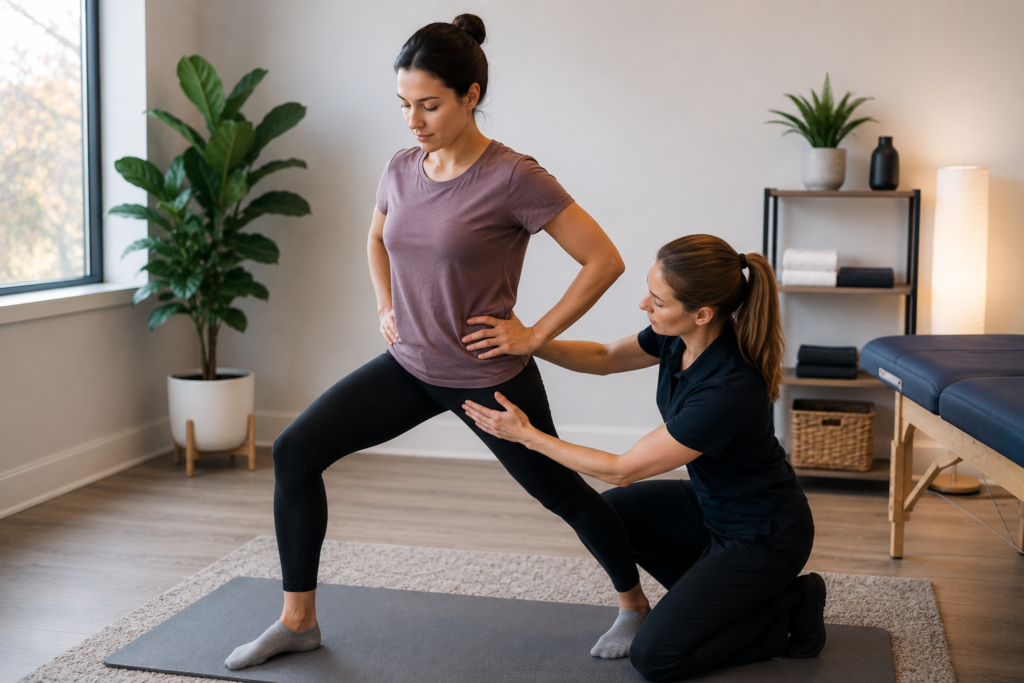
Pelvic or genital pain can be uncomfortable, frustrating, and sometimes difficult to talk about. Pain may occur around the pelvis, groin, perineum, vulva, vagina, penis, testicles, rectal area, lower abdomen, or tailbone. Some people experience symptoms only during certain activities, while others have discomfort throughout the day. Pain may feel like aching, burning, pressure, tightness, throbbing, or a sharp sensation. Sitting, exercising, using the bathroom, sexual activity, or certain movements may make symptoms worse.
There are many possible causes of pelvic or genital pain. The pelvic floor muscles are one possible source, particularly when they become overly tight, painful, sensitive, or poorly coordinated. However, infections, skin conditions, reproductive conditions, urinary problems, nerve conditions, and other medical concerns can also cause pain in this region. At Reform Physical Therapy, pelvic floor physical therapy for pelvic and genital pain is available through our South Portland clinic. Treatment is private, individualized, and based on your symptoms, medical history, movement, and pelvic floor function.
Understanding Pelvic and Genital Pain
The pelvis contains many structures located close together. Muscles, nerves, connective tissues, joints, the bladder, bowel, and reproductive organs can all contribute to symptoms. Because these structures share a relatively small area, it can sometimes be difficult to determine exactly where pain originates. You may feel pain directly in the genitals even when a nearby muscle or nerve contributes to the symptoms. Likewise, pelvic floor tension can sometimes create discomfort that spreads into the hips, abdomen, groin, or lower back. A thorough evaluation is important before deciding how the pain should be treated.
What Does Pelvic or Genital Pain Feel Like?
Symptoms can feel very different from one person to another. You might experience burning, aching, pressure, cramping, throbbing, pulling, or sharp pain. Some people describe a feeling of tightness or heaviness rather than pain. Symptoms may remain in one area or spread. For example, discomfort may begin around the pelvic floor and extend into the groin or lower abdomen. Other people primarily notice pain in the vulva, vagina, penis, testicles, perineum, or rectal region. The location, timing, and activities that increase your symptoms can provide useful information during your evaluation.
Pelvic Floor Muscles and Genital Pain
The pelvic floor is a group of muscles that forms the bottom of the pelvis. These muscles support pelvic organs while also helping with bladder control, bowel movements, sexual function, movement, and core stability. A healthy pelvic floor needs to both contract and relax. When these muscles remain excessively tense, they may become painful and have difficulty coordinating normal functions. A hypertonic pelvic floor can cause pelvic pain as well as urinary, bowel, and sexual symptoms. Physical therapy can help determine whether pelvic floor muscle dysfunction may be contributing to your symptoms.
Tight Pelvic Floor Muscles
Pelvic pain does not automatically mean your muscles are weak. In fact, some patients have the opposite problem. Muscles may remain tense even when you are not consciously contracting them. Over time, this can contribute to soreness, tenderness, pressure, or difficulty relaxing. Treatment for an overly tight pelvic floor may focus on breathing, relaxation, mobility, muscle coordination, and gradually improving how the muscles respond during movement. Strengthening is not always the first step.
Pelvic Floor Muscle Spasms
Muscles can sometimes develop painful spasms. Pelvic floor muscle spasms may contribute to discomfort in the pelvis, genitals, perineum, rectal area, abdomen, or lower back. In men, pelvic floor spasm can also produce pain felt in areas such as the penis or testicles. Treatment depends on why the muscles are reacting this way and whether other medical conditions are present. Your physical therapist can assess muscle function along with the surrounding hips, abdomen, back, and movement patterns.
Pelvic Floor Weakness
Some patients do have pelvic floor weakness. Weakness may occur following pregnancy, childbirth, surgery, aging, or other changes. However, pain alone does not tell us whether the pelvic floor is weak. This is one reason an individualized evaluation is important. Your therapist can determine whether strengthening, relaxation, coordination, or a combination is appropriate.
Kegel Exercises and Pelvic Pain
Kegel exercises are commonly associated with pelvic floor rehabilitation. They are not the right treatment for everyone. Someone with weak pelvic floor muscles may benefit from strengthening. However, repeatedly contracting muscles that are already overly tight may not address the underlying problem. The pelvic floor needs to be able to relax as well as contract. Your therapist can determine what type of exercise makes sense based on your evaluation.
Vulvar Pain
Vulvar pain occurs around the external female genital area. Symptoms may include burning, irritation, soreness, rawness, or pain with touch. Several conditions can cause vulvar pain, including skin conditions, infection, hormonal changes, nerve irritation, and pelvic floor dysfunction. For this reason, unexplained vulvar pain should be evaluated by an appropriate medical provider. When pelvic floor tension or muscle dysfunction contributes to symptoms, pelvic health physical therapy may become part of the treatment plan.
Vaginal Pain
Pain may occur around the vaginal opening or feel deeper within the pelvis. Some people experience symptoms only with penetration. Others notice discomfort while sitting, exercising, inserting a tampon, or completing normal daily activities. Pelvic floor muscle tension is one possible contributor. Physical therapy can evaluate whether the muscles surrounding the vaginal area are relaxing and coordinating normally. Medical conditions should also be considered because not all vaginal pain originates from muscles.
Pain With Intercourse
Discomfort during or after intercourse is sometimes called dyspareunia. Symptoms may occur around the genital area, near the vaginal opening, or deeper within the pelvis. Some people notice discomfort only during certain positions or activities, while others experience soreness that continues afterward. Pelvic floor tension is one possible contributor. When these muscles have difficulty relaxing, sexual activity may become uncomfortable.
Other factors can also contribute, including dryness, infection, hormonal changes, endometriosis, bladder conditions, bowel conditions, or tissue sensitivity. When pelvic floor dysfunction is involved, physical therapy may focus on improving muscle relaxation, coordination, breathing, mobility, and comfort with movement. Men can also experience pain involving the penis, testicles, or pelvis during sexual activity. Pelvic floor dysfunction is one possible cause, but dryness, infection, hormonal changes, endometriosis, bladder conditions, bowel conditions, and other medical concerns can also contribute. When pelvic floor muscles are involved, treatment may address tension, coordination, breathing, mobility, and sensitivity.
Pain During or After Ejaculation
Men may experience pain during or after ejaculation. Symptoms can occur in the penis, testicles, perineum, groin, lower abdomen, or deeper within the pelvis. The pelvic floor muscles participate in sexual function. Excessive muscle tension or poor coordination may therefore contribute to symptoms in some people. However, pain with ejaculation can also have urologic or other medical causes. A medical evaluation is important before assuming the pelvic floor is responsible.
Penile Pain
Penile pain can have several causes. Infection, skin conditions, trauma, nerve irritation, urinary problems, and other medical conditions should be considered. Sometimes pain may also be referred from the pelvic floor or surrounding muscles. When medical causes have been evaluated and pelvic floor dysfunction is suspected, physical therapy can examine muscle tension, movement, hips, abdomen, back, and other factors that may contribute to symptoms.
Testicular Pain
Testicular pain deserves appropriate medical evaluation. Several conditions involving the testicle, surrounding tissues, nerves, groin, or urinary system can cause symptoms. Once urgent and other medical causes have been addressed, persistent discomfort may sometimes involve musculoskeletal or pelvic floor factors. A pelvic health physical therapist can assess surrounding muscles and movement when appropriate.
Sudden or severe testicular pain requires urgent medical attention.
Perineal Pain
The perineum is the area between the genitals and anus. Because several pelvic floor muscles are located in this region, muscle tension can sometimes create aching, burning, pressure, or a feeling of fullness. Symptoms may become more noticeable while sitting. Some people describe the sensation as if they are sitting on something even when nothing is there. Pelvic floor muscle spasms can produce this type of pressure or discomfort. Physical therapy can evaluate whether muscle tension or surrounding structures may be contributing.
Rectal or Anal Pain
Pain around the rectal or anal region can have several causes. Pelvic floor muscles play an important role in bowel function, which means muscle tension or spasms may sometimes contribute to symptoms. However, hemorrhoids, fissures, infections, gastrointestinal conditions, and other medical problems may also cause pain. Your therapist can address pelvic floor dysfunction when appropriate, but unexplained or persistent rectal pain should also be medically evaluated.
Groin Pain
The groin sits close to the hips, pelvic floor, abdominal muscles, nerves, and reproductive structures. Because of this, groin pain can have many possible sources. Your physical therapist may evaluate hip mobility, strength, abdominal function, pelvic floor tension, and movement. If your symptoms suggest another medical cause, additional evaluation may be recommended.
Tailbone Pain
The tailbone sits at the back of the pelvis. Pelvic floor muscles and connective tissues have relationships with this area, which means pelvic floor dysfunction can sometimes occur alongside tailbone pain. Sitting may be especially uncomfortable. Physical therapy can assess sitting positions, hip mobility, surrounding muscles, pelvic floor tension, and movement to determine what may be contributing.
Lower Abdominal Pain
Some pelvic conditions create discomfort through the lower abdomen. The abdominal muscles also work closely with the diaphragm and pelvic floor. Excessive abdominal tension or changes in muscle coordination may contribute to symptoms in some people. However, abdominal pain can have many medical causes. New, severe, or unexplained abdominal pain should be evaluated medically before assuming it is related to the pelvic floor.
Bladder Pain and Pelvic Floor Dysfunction
Bladder symptoms can sometimes occur alongside pelvic or genital pain. You may experience urgency, frequent urination, discomfort while the bladder fills, difficulty starting urination, or pain associated with using the bathroom. Pelvic floor muscles need to relax appropriately during urination. When the muscles remain excessively tense, urinary function may become more difficult. Burning with urination, blood in the urine, fever, or new urinary symptoms should receive medical evaluation.
Bowel Symptoms and Pelvic Pain
The pelvic floor also helps coordinate bowel movements. If these muscles remain tense or do not relax correctly, bowel movements may become difficult. You might experience straining, constipation, pain, or the feeling that you did not completely empty. Treatment may address breathing, positioning, pelvic floor relaxation, and coordination. Significant or persistent changes in bowel habits should also be discussed with your medical provider.
Pain With Sitting
Sitting is a common trigger for some types of pelvic and genital pain. Driving, working at a desk, traveling, or sitting through a meal may become uncomfortable. People sometimes respond by shifting their weight or avoiding certain positions. Your therapist can evaluate pelvic floor tension, hip mobility, posture, and how long you remain in one position. The goal is not to find one perfect sitting posture. Instead, treatment can help improve your ability to tolerate the positions required throughout your day.
Pelvic or Genital Pain During Exercise
Exercise can sometimes increase symptoms. Running, cycling, squatting, heavy lifting, jumping, or other activities may create additional pressure through the pelvis. That does not necessarily mean the activity must be avoided forever. Your therapist can evaluate the movement and determine whether strength, mobility, breathing, technique, or exercise volume may need to change temporarily. Rehabilitation can then gradually prepare you to return to the activities you enjoy.
Pelvic Pain During Pregnancy
Pregnancy changes the amount of pressure placed on the pelvic floor and surrounding muscles. Some people develop discomfort around the pelvis, pubic bone, groin, hips, or genital region. Treatment during pregnancy should be individualized and coordinated with prenatal medical care. Reform provides pregnancy related pelvic floor physical therapy through the South Portland clinic.
Genital Pain After Childbirth
Pregnancy and childbirth can affect the pelvic floor and surrounding tissues. After vaginal delivery, healing from tearing, stitches, swelling, or tissue stretching may contribute to discomfort. Cesarean delivery does not eliminate the possibility of pelvic floor symptoms because pregnancy itself places additional demands on these muscles. Persistent pain after childbirth can be evaluated once your medical provider determines that pelvic floor rehabilitation is appropriate.
Pelvic or Genital Pain After Surgery
Pelvic, abdominal, prostate, or reproductive surgery may affect surrounding muscles and tissues. Scar sensitivity, muscle guarding, changes in movement, or pelvic floor dysfunction may contribute to symptoms after normal surgical healing has occurred. Physical therapy does not replace surgical follow up. Once complications have been ruled out and rehabilitation is appropriate, treatment may address mobility, muscle tension, weakness, scar restrictions, and movement.
Breathing and Pelvic Floor Tension
The diaphragm and pelvic floor naturally work together. As you breathe, pressure changes throughout the abdomen and pelvis. Some people with pelvic pain unknowingly hold their breath or keep their abdominal and pelvic muscles tense. Breathing exercises may help improve awareness and teach the pelvic floor to move and relax more naturally. Over time, these strategies can be incorporated into normal movement.
Stress and Muscle Guarding
Stress does not mean your symptoms are psychological or imaginary. Pain is a real physical experience. However, the body often responds to stress by tightening muscles. You may notice this in your jaw, neck, shoulders, abdomen, or pelvic floor. When muscle guarding is one factor contributing to symptoms, relaxation and breathing strategies may be included alongside physical rehabilitation.
Pelvic Floor Physical Therapy Evaluation
Your first visit starts with a private conversation about your symptoms. Your therapist may ask where you experience pain, what the pain feels like, when it began, and what makes it better or worse. Bladder symptoms, bowel function, sexual activity, previous pregnancies, surgeries, medical conditions, exercise, work, and daily activities may also be discussed when relevant. The physical evaluation may look at breathing, abdominal function, hip mobility, back movement, strength, and pelvic floor coordination. An external or internal pelvic floor assessment may sometimes provide additional information. Your therapist will explain what an examination involves and why it may be useful before anything is performed.
Any pelvic floor examination is optional and only performed with your informed consent.
Physical Therapy for Pelvic or Genital Pain
Treatment depends entirely on what your evaluation shows. If the pelvic floor is overly tight, treatment may focus on relaxation and mobility. If weakness contributes to your symptoms, strengthening may be appropriate. Other patients may need hip or back treatment, abdominal strengthening, breathing exercises, scar rehabilitation, or movement retraining. Treatment may include pelvic floor muscle retraining, mobility exercises, breathing, strengthening, manual therapy, biofeedback, activity changes, and an individualized home program. The goal is to treat contributing factors rather than simply focusing on the place where you feel pain.
Manual Therapy
Hands on treatment may be appropriate when muscle or connective tissue restrictions contribute to symptoms. Treatment can involve the hips, abdomen, back, pelvis, or pelvic floor depending on your evaluation. Manual therapy is not required for every patient. It is one possible tool within a larger rehabilitation program focused on improving movement and function.
Biofeedback
Biofeedback can help some patients better understand pelvic floor muscle activity. It provides information about whether muscles are contracting or relaxing. This may be helpful when someone has difficulty identifying pelvic floor tension or coordinating the muscles. Your therapist can determine whether biofeedback is appropriate for your symptoms.
Returning to Comfortable Activity
Treatment should ultimately help you return to your normal life. Your goal might be sitting through work without discomfort, exercising again, riding a bike, traveling, having comfortable sexual activity, or using the bathroom without pain. Rehabilitation can gradually become more specific to those goals. Progress is not simply measured by how many exercises you can complete. It is also measured by how much more comfortably you can participate in everyday activities.
When Pelvic or Genital Pain Needs Medical Attention
Pelvic and genital pain should not automatically be assumed to come from the pelvic floor. Medical evaluation is particularly important for new, severe, or unexplained symptoms. Contact an appropriate healthcare provider if you experience fever, chills, genital sores or significant skin changes, unusual discharge, unexplained bleeding, blood in your urine or stool, significant swelling, difficulty urinating, or rapidly worsening symptoms. Sudden severe testicular pain requires urgent medical evaluation.
Pelvic pain during pregnancy may also require prompt evaluation depending on the symptoms. Because pelvic and genital pain can have many causes, identifying the underlying problem is an important part of choosing appropriate treatment.
Pelvic or Genital Pain Treatment in South Portland, Maine
Reform Physical Therapy provides pelvic or genital pain treatment through our pelvic health program at the South Portland clinic. Pelvic floor physical therapy can be appropriate for both women and men when muscle and movement problems contribute to symptoms. Care is private and individualized.
Your therapist will consider the pelvic floor along with your hips, abdomen, back, breathing, strength, mobility, and daily activities. We understand that genital and pelvic symptoms can feel uncomfortable to discuss. Your therapist can explain each part of the evaluation and treatment process, so you understand what is being recommended and why.
Schedule a Pelvic Health Evaluation
Pelvic or genital pain can affect sitting, exercise, work, relationships, bladder and bowel function, sexual activity, and overall quality of life. You do not have to guess whether your pelvic floor is weak, tight, or contributing to your symptoms. If medical causes have been appropriately evaluated and pelvic floor dysfunction may be involved, physical therapy may be an appropriate part of your care.