


Pelvic Pain
Pelvic pain can affect everyday activities in ways that are difficult to ignore. Sitting, walking, exercising, using the bathroom, working, sleeping, or sexual activity may become uncomfortable. Pain can be sharp, aching, burning, cramping, or feel more like pressure or heaviness. The pelvis contains muscles, joints, nerves, connective tissues, and several organs. Because so many structures are located close together, pelvic pain can have many possible causes. Sometimes pelvic floor muscles contribute to symptoms by becoming too tight, weak, sensitive, or poorly coordinated. Other times, pain is related to a medical condition that requires care from another healthcare provider.
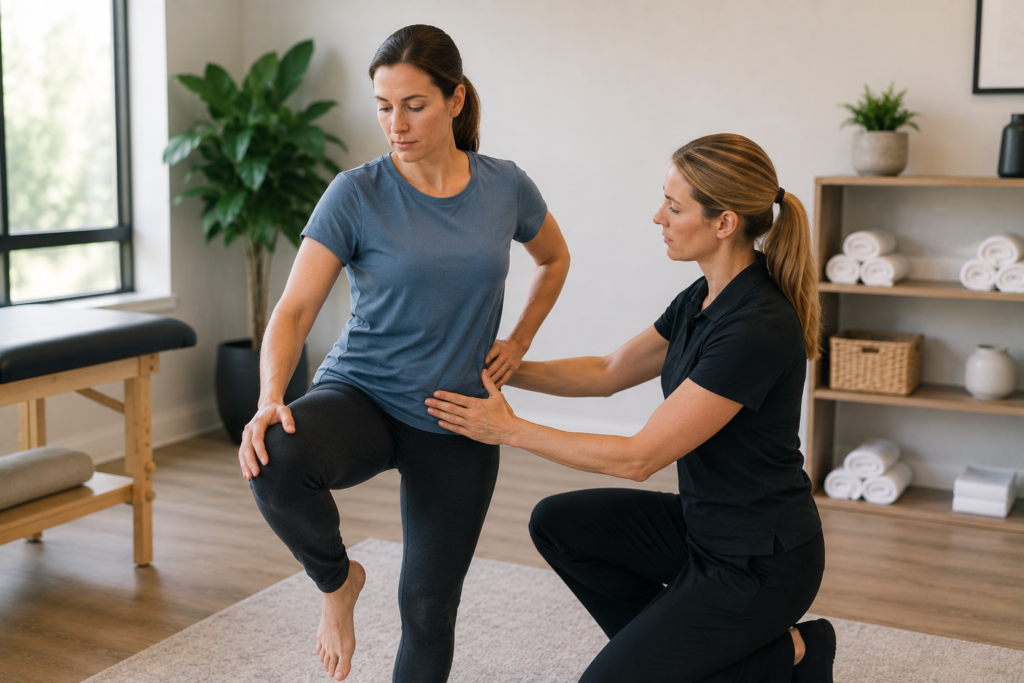
At Reform Physical Therapy, pelvic pain physical therapy is available through our pelvic health program at the South Portland clinic. Treatment is individualized and focuses on understanding how your pelvic floor, hips, abdomen, back, breathing, and movement may be contributing to your symptoms.
Understanding Pelvic Pain
Pelvic pain refers to discomfort that occurs in the lower part of the abdomen and pelvis. For some people, symptoms stay in one location. Others experience pain that spreads into the hips, groin, lower back, buttocks, genitals, or rectal area. The pain may come and go or remain present throughout the day. Certain movements or activities may make symptoms worse, while others provide relief. Because pelvic pain has many potential causes, the first step is understanding what may be contributing to your symptoms.
What Does Pelvic Pain Feel Like?
There is no single way pelvic pain feels. Some people describe a dull ache or feeling of pressure. Others experience sharp, stabbing, burning, or cramping sensations. Symptoms may develop suddenly or gradually. You might notice discomfort only during certain activities, such as sitting, exercising, urinating, having a bowel movement, or sexual activity. Pain may also change throughout the day depending on your position, activity level, bladder or bowel function, and other factors.
What Causes Pelvic Pain?
Pelvic pain does not always originate from the pelvic floor. Possible causes include problems involving the muscles, nerves, urinary system, digestive system, reproductive organs, hips, or other structures in and around the pelvis. Infections and certain medical conditions can also cause symptoms. This is why unexplained pelvic pain should receive appropriate medical evaluation. Once serious or medical causes have been addressed, physical therapy can evaluate whether muscles, movement, strength, mobility, or pelvic floor function are contributing.
Pelvic Floor Dysfunction and Pelvic Pain
The pelvic floor is a group of muscles located at the bottom of the pelvis. These muscles support pelvic organs and participate in bladder control, bowel function, sexual function, movement, and pressure management. Pelvic floor dysfunction can occur when these muscles do not relax and coordinate correctly. Symptoms may include pelvic discomfort along with urinary or bowel problems. A pelvic health physical therapist can assess whether the pelvic floor may be contributing to your symptoms.
Tight Pelvic Floor Muscles
Pelvic floor muscles do not always need to become stronger. Sometimes they are already working too hard. A hypertonic pelvic floor occurs when these muscles remain in a state of excessive contraction. This can contribute to pelvic pain as well as problems with urination, bowel movements, and sexual function. When excessive tension is present, treatment may focus on learning to relax the muscles, improving mobility, breathing, and restoring normal coordination.
Pelvic Floor Weakness
Other people experience weakness or reduced endurance. Weak pelvic floor muscles may have difficulty providing support or responding to changes in pressure. However, symptoms alone do not always tell us whether the pelvic floor is weak or tight. An evaluation helps determine what your muscles actually need rather than automatically prescribing strengthening exercises.
Kegel Exercises and Pelvic Pain
Kegel exercises are often associated with pelvic floor physical therapy. They are not appropriate for everyone. If your pelvic floor muscles are already overly tight, repeatedly contracting them may not address the problem. Pelvic floor dysfunction can involve difficulty relaxing and coordinating the muscles rather than simply weakness. Your therapist can determine whether strengthening, relaxation, coordination, or a combination belongs in your treatment plan.
Pelvic Pain in Women
Women may experience pelvic pain related to several different medical and musculoskeletal conditions. Symptoms can occur during pregnancy, after childbirth, during menstruation, with sexual activity, or without an obvious trigger. Endometriosis, ovarian cysts, pelvic inflammatory disease, uterine conditions, pregnancy related conditions, pelvic floor dysfunction, and other health concerns may cause pelvic symptoms. Physical therapy does not treat every cause of pelvic pain. Instead, it can address pelvic floor and musculoskeletal factors when they are contributing.
Pelvic Pain in Men
Men can experience pelvic floor dysfunction and pelvic pain too. Symptoms may involve the perineum, groin, penis, testicles, rectal area, lower abdomen, or tailbone. Urinary frequency, burning with urination after medical causes have been evaluated, and chronic genital or groin discomfort are among the concerns seen in male pelvic rehabilitation. Pelvic health physical therapy can also be useful after prostate surgery when pelvic floor dysfunction contributes to urinary or other symptoms.
Pelvic Pain During Pregnancy
Pregnancy creates major changes throughout the pelvis. Increasing weight, changes in posture, altered movement, hormonal changes, and greater demands on the pelvic floor may contribute to discomfort. Pain may develop around the pubic bone, hips, lower back, groin, or pelvic region. Treatment during pregnancy should be individualized and coordinated with your prenatal medical care. At Reform, pregnancy related pelvic floor physical therapy is provided through our South Portland pelvic health program.
Pelvic Pain After Childbirth
Pelvic pain can continue or develop after vaginal or Cesarean delivery. Pregnancy itself changes the pelvic floor, abdominal wall, hips, and back. Vaginal delivery may create additional stretching or tissue injuries, while Cesarean delivery involves abdominal surgery. Postpartum pelvic pain may be associated with muscle tension, weakness, scar tissue, changes in movement, or other factors. Physical therapy can help determine which areas need rehabilitation after your medical provider determines treatment is appropriate.
Pelvic Pain and Endometriosis
Endometriosis can cause pelvic pain, particularly around menstruation, although symptoms vary widely. Physical therapy does not treat the endometriosis itself. However, living with persistent pain may sometimes be accompanied by muscle guarding or pelvic floor tension. When musculoskeletal problems are present, pelvic health physical therapy may be one part of a broader treatment plan. Your gynecologist or other medical provider remains responsible for diagnosing and medically managing endometriosis.
Pain With Intercourse
Pain during or after sexual activity can occur for several reasons. Pelvic floor tension is one possible contributor. When the muscles have difficulty relaxing, penetration or certain positions may become uncomfortable. Scar tissue, hormonal changes, medical conditions, tissue sensitivity, and other factors can also contribute. When pelvic floor dysfunction is involved, treatment may focus on muscle relaxation, mobility, coordination, breathing, and reducing sensitivity.
Groin Pain
The groin sits close to the hips, abdominal muscles, pelvic floor, nerves, and several other structures. Pain in this area may therefore have multiple possible sources. Your physical therapist can assess hip mobility, strength, abdominal function, movement, and pelvic floor function when appropriate. Persistent or unexplained groin pain should also receive medical evaluation because not every cause is musculoskeletal.
Tailbone Pain
The tailbone, or coccyx, sits at the back of the pelvis. Pain in this area can make sitting particularly difficult. Driving, working at a desk, or sitting through a meal may become uncomfortable. The pelvic floor has muscular and connective tissue relationships with the surrounding pelvic structures. Physical therapy may evaluate pelvic floor tension, hip mobility, posture, sitting positions, and surrounding tissues when tailbone pain is present.
Lower Back and Hip Pain
Pelvic symptoms do not always exist in isolation. The hips, lower back, abdominal muscles, diaphragm, and pelvic floor work together during movement. A limitation in one area may influence another. For this reason, your physical therapist may evaluate your hips and back even when your main complaint is pelvic pain. Treatment should look at the whole movement system rather than focusing only on the location that hurts.
Bladder Symptoms and Pelvic Pain
Pelvic pain can sometimes occur alongside bladder symptoms. You may experience urinary urgency, frequent bathroom trips, difficulty starting urination, leakage, or discomfort associated with urination. The pelvic floor must contract and relax at appropriate times for normal bladder function. Problems with muscle coordination can contribute to urinary symptoms. New urinary symptoms, burning, blood in the urine, fever, or significant difficulty urinating should be medically evaluated.
Bowel Symptoms and Pelvic Pain
The pelvic floor also plays an important role in bowel movements. Muscles must relax and coordinate to allow stool to pass comfortably. When coordination is disrupted, some people experience constipation, straining, incomplete emptying, or discomfort. Pelvic floor physical therapy may address muscle coordination, breathing, positioning, and movement when appropriate. Persistent changes in bowel habits should also be discussed with your medical provider.
Pelvic Pain With Sitting
Prolonged sitting can aggravate symptoms for some people. You may find yourself shifting from side to side, sitting on one hip, or avoiding certain chairs. Your therapist can evaluate hip mobility, pelvic floor tension, posture, and the amount of time you spend in one position. The goal is not to force your body into one perfect posture. Instead, treatment can help improve your ability to comfortably tolerate the positions required for work, driving, travel, and everyday life.
Pelvic Pain During Exercise
Exercise affects everyone differently. Running, cycling, lifting, squatting, jumping, or other activities may increase pelvic symptoms for some patients. This does not necessarily mean you have to stop the activity permanently. Your therapist can evaluate what happens during the movement and determine whether strength, mobility, breathing, pressure management, technique, or exercise volume may need to change temporarily. Treatment can then gradually prepare your body to tolerate more activity.
Breathing and Pelvic Floor Function
The pelvic floor works closely with the diaphragm and abdominal muscles. Every breath creates changes in pressure throughout the abdomen and pelvis. If you frequently hold your breath or brace your abdominal muscles, this can change how pressure is managed. Breathing exercises may be used to improve awareness, reduce unnecessary muscle tension, and help the pelvic floor coordinate more naturally.
Stress, Pain, and Muscle Tension
Stress does not mean pelvic pain is imaginary. Pain is a real physical experience. However, muscles throughout the body can tighten when you are stressed. Some people clench their jaw or raise their shoulders. Others may unknowingly tighten their abdomen or pelvic floor. When muscle guarding contributes to symptoms, treatment may include relaxation and breathing strategies alongside physical rehabilitation.
Scar Tissue and Pelvic Pain
Previous abdominal or pelvic surgery can sometimes affect how surrounding tissues move. Cesarean birth, prostate surgery, hysterectomy, and other procedures may leave scars. Not every scar causes pain. When scar restrictions or sensitivity appear to contribute to symptoms, physical therapy may include scar mobility or desensitization techniques after the area has fully healed and treatment is medically appropriate.
Pelvic Pain After Surgery
Pelvic pain following surgery should initially be discussed with your surgical team. Once normal healing has occurred and other complications have been ruled out, physical therapy may help address continued weakness, muscle tension, mobility limitations, scar sensitivity, or changes in movement. Prior pelvic surgery is one factor associated with pelvic floor dysfunction. Your therapist will consider your procedure and any restrictions from your surgeon when developing treatment.
Pelvic Floor Physical Therapy Evaluation
Your first appointment begins with a conversation. Your therapist may ask where you experience pain, how long symptoms have been present, what makes them better or worse, and whether you have bladder, bowel, or sexual symptoms. Previous pregnancies, surgeries, injuries, medical diagnoses, exercise, work demands, and daily activities may also be discussed. The physical portion of the evaluation may include breathing, posture, hip mobility, back movement, abdominal function, strength, and pelvic floor coordination.
Pelvic rehabilitation can include external or internal muscle assessment when clinically appropriate. Your therapist should explain what an assessment involves and why it may be helpful. Any pelvic floor examination is performed only with your informed consent.
Physical Therapy for Pelvic Pain
Treatment depends on what your evaluation shows. There is no single pelvic pain exercise program that works for everyone. One patient may need help relaxing an overactive pelvic floor. Another may benefit from strengthening. Someone else may need hip mobility, abdominal strengthening, scar treatment, movement retraining, or a combination. Pelvic rehabilitation can include flexibility and strength work, pelvic floor muscle retraining, biofeedback, postural exercise, myofascial techniques, relaxation strategies, diaphragmatic breathing, and an individualized home program.
Manual Therapy for Pelvic Pain
Hands on treatment may be appropriate when muscles, joints, or connective tissues contribute to symptoms. Treatment may address areas around the hips, abdomen, back, pelvis, or pelvic floor depending on your evaluation. Manual therapy is not required for every patient. It is one possible part of a larger rehabilitation program that also focuses on movement and helping you become more comfortable using your body.
Biofeedback
Some patients benefit from biofeedback. Biofeedback provides information about pelvic floor muscle activity and can help you learn when the muscles are contracting or relaxing. This can be particularly useful when it is difficult to feel the difference between tension and relaxation. Biofeedback is used alongside physical therapy to improve pelvic floor muscle coordination in certain patients. Your therapist can determine whether it makes sense for your treatment.
Returning to Normal Activities
The goal of pelvic pain treatment is not simply to perform exercises in a clinic. Treatment should help you get back to your actual life. That may mean sitting through your workday, exercising, running, lifting, traveling, caring for your children, sleeping comfortably, having intercourse without pain, or using the bathroom without discomfort. Your rehabilitation program can gradually become more specific to the activities that matter most to you.
How Long Does Pelvic Pain Treatment Take?
There is no universal timeline. Pelvic pain that began recently may respond differently from symptoms that have been present for years. Your progress can also depend on the cause of your symptoms, other medical conditions, muscle function, daily activities, and how your body responds to treatment. Rather than comparing your recovery with someone else’s, your therapist can track changes in pain, movement, function, and your ability to return to normal activities.
When Pelvic Pain Needs Medical Attention
Pelvic pain should not automatically be assumed to be muscular. Seek medical care for new or severe pelvic pain, fever or chills, unusual bleeding or discharge, blood in the urine or stool, difficulty urinating, significant genital swelling, or other new and concerning symptoms. Sudden severe testicular pain requires urgent medical evaluation. Severe pelvic pain during pregnancy also requires medical assessment. Cleveland Clinic notes that pelvic pain can come from infections, organs, nerves, muscles, and several other medical conditions, so identifying the cause is important before choosing treatment.
Pelvic Pain Physical Therapy in South Portland, Maine
Reform Physical Therapy provides pelvic pain physical therapy through our pelvic health program at the South Portland clinic. Our pelvic health program treats adults with a variety of pelvic floor concerns. Treatment can address pelvic floor tension or weakness, pain, bladder or bowel symptoms, postpartum concerns, male pelvic health problems, and musculoskeletal factors associated with pelvic symptoms. Care is private and individualized. Your therapist will look at more than the location of your pain. The pelvic floor, hips, abdomen, back, breathing, strength, movement, and daily activities can all be considered when developing your treatment plan.
Most importantly, you will have an opportunity to understand what may be contributing to your symptoms and what you can do about it.
Schedule a Pelvic Pain Evaluation
Pelvic pain can affect some of the most basic parts of everyday life. You do not have to keep guessing whether you should stretch, strengthen, rest, or simply hope the symptoms disappear. If your medical provider has ruled out conditions requiring other treatment or pelvic floor dysfunction may be contributing to your symptoms, physical therapy may be an appropriate next step.