


pelvic floor physical therapy
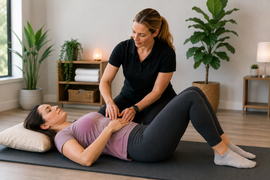
Endometriosis Support
Living with endometriosis can affect much more than your menstrual cycle. Pelvic pain, abdominal discomfort, painful intercourse, bowel or bladder symptoms, fatigue, and pain with everyday movement can make work, exercise, relationships, and normal activities more difficult. Endometriosis is a condition in which tissue similar to the lining inside the uterus grows outside the uterus…. Read More
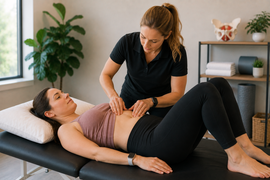
Diastasis Recti
Diastasis recti is a separation of the abdominal muscles that commonly develops during pregnancy as the abdomen expands to make room for a growing baby. The separation occurs along the Linea alba, the connective tissue running down the center of the abdomen between the two sides of the rectus abdominis muscles. After pregnancy, this tissue… Read More

Pelvic Organ Prolapse
Pelvic organ prolapse occurs when the muscles and tissues supporting the pelvic organs become weakened and one or more organs move downward from their normal position. This may involve the bladder, uterus, rectum, urethra, or the top of the vagina. Some people notice pelvic pressure or heaviness. Others describe feeling or seeing a bulge near… Read More

Bowel Dysfunction
Bowel dysfunction can make something as routine as using the bathroom feel stressful, uncomfortable, or unpredictable. You may struggle with constipation, frequent straining, difficulty completely emptying your bowels, sudden urgency, or accidental bowel leakage. These symptoms can have many causes. Sometimes the digestive system is responsible. In other cases, the pelvic floor muscles may be… Read More
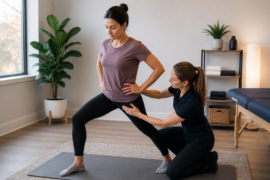
Urinary Incontinence
Urinary incontinence is the accidental leakage of urine. It may happen when you cough, sneeze, laugh, exercise, lift something heavy, or suddenly feel a strong urge to use the bathroom. For some people, leakage happens occasionally. For others, it begins affecting exercise, work, travel, sleep, social activities, or everyday confidence. Although bladder leakage is common,… Read More
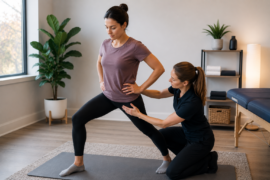
Pelvic or Genital Pain
Pelvic or genital pain can be uncomfortable, frustrating, and sometimes difficult to talk about. Pain may occur around the pelvis, groin, perineum, vulva, vagina, penis, testicles, rectal area, lower abdomen, or tailbone. Some people experience symptoms only during certain activities, while others have discomfort throughout the day. Pain may feel like aching, burning, pressure, tightness,… Read More
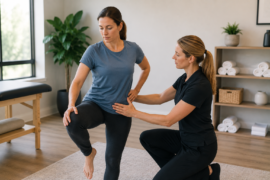
Pelvic Pain
Pelvic pain can affect everyday activities in ways that are difficult to ignore. Sitting, walking, exercising, using the bathroom, working, sleeping, or sexual activity may become uncomfortable. Pain can be sharp, aching, burning, cramping, or feel more like pressure or heaviness. The pelvis contains muscles, joints, nerves, connective tissues, and several organs. Because so many… Read More
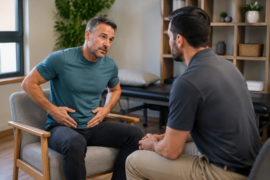
Male Pelvic Pain
Male pelvic pain can affect much more than one area of the body. Pain or pressure may be felt in the lower abdomen, groin, perineum, penis, testicles, rectum, tailbone, hips, or lower back. Some men also experience urinary symptoms, bowel changes, or discomfort with sexual activity. These symptoms can be frustrating, especially when testing does… Read More

Cesarean Section Recovery
Cesarean section recovery involves healing from abdominal surgery while your body is also recovering from pregnancy and adjusting to caring for a newborn. Your abdominal wall, pelvic floor, hips, back, and surrounding muscles have all experienced significant changes, even if you did not deliver vaginally. In the early weeks, getting out of bed, standing from… Read More

Recovery After Vaginal Birth
Recovery after vaginal birth is different for every person. Pregnancy and delivery place significant demands on the pelvic floor, abdominal muscles, hips, back, and surrounding tissues. After your baby arrives, these areas need time to heal while your body adjusts to an entirely new routine. You may experience soreness, pelvic pressure, weakness, urinary leakage, abdominal… Read More