

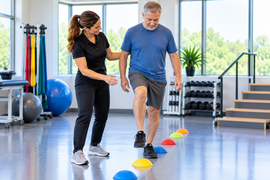
gait training

Mixed Cerebral Palsy
Living with mixed cerebral palsy can mean facing different movement challenges at the same time. Some muscles may feel unusually tight or stiff, while others move unexpectedly or are difficult to coordinate. Walking, maintaining balance, reaching for objects, or simply changing positions can require more effort than you expect. Mixed cerebral palsy physical therapy often… Read More
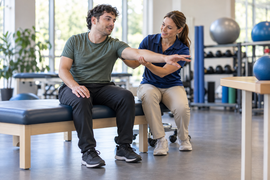
Ataxic Cerebral Palsy
Imagine knowing exactly where you want to step but having difficulty keeping your balance as you move. Or reaching for something on a shelf and finding that your hand does not move as smoothly or accurately as you expected. For people living with ataxic cerebral palsy, these experiences can be part of everyday life, and… Read More
Dyskinetic Cerebral Palsy
Supporting movement, comfort, and everyday independence Living with dyskinetic forms of cerebral palsy can make everyday movements more challenging. Physical therapy can help support mobility, maintain flexibility, and build practical skills that reflect each person’s needs and goals. What Is Dyskinetic Cerebral Palsy? Dyskinetic cerebral palsy is a type of cerebral palsy that affects a… Read More

Cerebral Palsy
Living with cerebral palsy can make everyday movements more challenging. Walking, maintaining balance, climbing stairs, or getting up from a chair may require extra effort. Cerebral palsy physical therapy can play an important role in helping people manage these challenges. Some people experience muscle stiffness or weakness, while others have difficulty coordinating movements or controlling… Read More
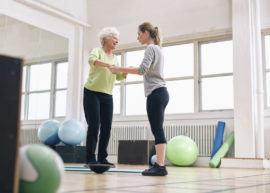
Why Balance Training Reduces Fall Risk by Up to 40%
Posted by: in Physical Therapy Tips on March 4, 2026
As we get older, many people start to notice changes in their balance, and these changes make balance training fall risk programs more important than ever. Feeling unsteady is common, but it’s not something you have to accept. With the right exercises, you can improve your stability, move with more confidence, and lower your chances… Read More