

Other Orthopedic Surgery Recovery
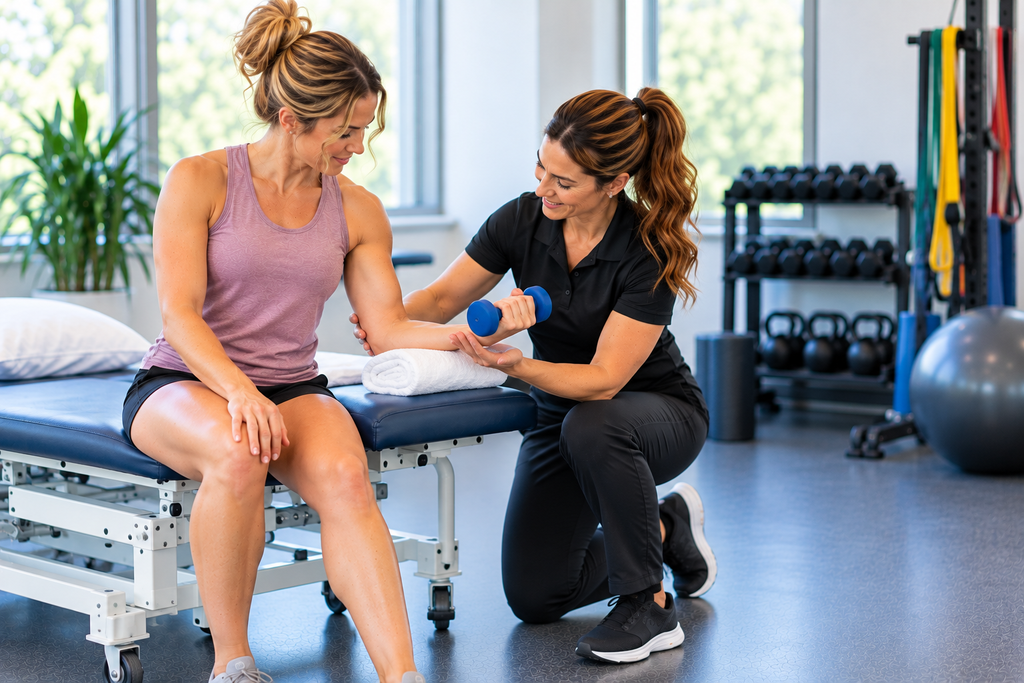
Not every orthopedic surgery fits neatly into one category. Maybe you had surgery on your wrist, hand, elbow, foot, or another joint. Perhaps your surgeon repaired a tendon, ligament, fracture, or other orthopedic injury that does not have its own rehabilitation page on our website. That does not mean your recovery is any less important. At Reform Physical Therapy, other orthopedic surgery recovery is personalized around the procedure you had, your surgeon’s recommendations, your current abilities, and the activities you want to return to. Your goal may be getting dressed without help, walking comfortably, returning to work, lifting your children, getting back to the gym, gardening, hiking, playing a sport, or simply feeling confident using the surgical area again. Physical therapy can help you work toward those goals safely and progressively.
Physical Therapy After Orthopedic Surgery
Orthopedic surgery can involve bones, joints, muscles, tendons, ligaments, cartilage, and other structures that help your body move. Surgery may repair damaged tissue, stabilize an injury, improve joint function, or address a problem that did not improve with more conservative treatment. Once the procedure is complete, your body still needs time to heal. That is where rehabilitation becomes important. Physical therapy helps bridge the gap between having surgery and getting back to the activities that make up your everyday life.
What Orthopedic Surgeries Can Physical Therapy Help With?
Reform Physical Therapy provides post-surgical rehabilitation for many orthopedic procedures. These may include fracture repairs, tendon repairs, ligament reconstruction, cartilage procedures, joint surgeries, arthroscopic procedures, hand and wrist surgeries, elbow surgeries, foot and ankle procedures, and other orthopedic operations. Some patients may also have more than one procedure performed during the same surgery. Your rehabilitation plan will be based on what was actually done rather than following a generic post-operative program.
Recovery After Fracture Surgery
Some broken bones require surgery to restore alignment and stability. Your surgeon may use plates, screws, rods, or other hardware depending on the location and severity of the fracture. Early recovery often focuses on protecting the healing bone. Once your surgeon allows more activity, physical therapy can help restore movement, strength, balance, and function. The rehabilitation process can look very different depending on whether the fracture involved your arm, wrist, leg, ankle, or another area.
Recovery After Tendon Repair
Tendons connect muscles to bones. When a tendon is severely injured or torn, surgery may be needed to repair it. A repaired tendon needs time to heal before it can tolerate higher levels of force. That means rehabilitation usually progresses gradually. Your therapist will work within your surgeon’s protocol while helping you restore movement and eventually rebuild strength. Later stages of rehabilitation can prepare the repaired tendon for the demands of work, exercise, recreation, or sports.
Recovery After Ligament Surgery
Ligaments help stabilize your joints. Severe ligament injuries or ongoing instability may sometimes require surgical repair or reconstruction. After surgery, the repaired tissue needs protection while it heals. Physical therapy can gradually restore joint mobility, strength, balance, and control. If you are returning to sports or a physically demanding job, later rehabilitation may become more challenging and specific to those activities.
Recovery After Cartilage Surgery
Cartilage procedures can be performed in several joints. The rehabilitation process depends heavily on the location and type of procedure. Some cartilage surgeries require temporary restrictions on weight bearing or joint loading. Your surgeon’s protocol will guide how quickly activity progresses. Physical therapy can help restore movement and strength while gradually preparing the joint to tolerate more activity.
Recovery After Arthroscopic Surgery
Arthroscopy allows surgeons to perform certain procedures through smaller incisions using a camera and specialized instruments. It may be used in the shoulder, knee, hip, ankle, wrist, elbow, and other joints. A smaller incision does not necessarily mean there is no healing process. The work performed inside the joint determines the rehabilitation timeline. Your therapist will consider the specific procedure rather than treating all arthroscopic surgeries the same way.
Hand Surgery Recovery
Your hands are involved in countless everyday tasks. Buttoning a shirt, opening a jar, typing, cooking, driving, gripping tools, carrying groceries, and performing your job can all become more difficult after surgery. Depending on the procedure and your surgeon’s recommendations, rehabilitation may help restore movement, strength, and function. Your treatment plan should reflect how you actually use your hands throughout the day.
Wrist Surgery Recovery
Wrist surgery may temporarily affect gripping, lifting, pushing, pulling, typing, driving, and many other activities. Stiffness and weakness can develop during the healing process. Once appropriate, rehabilitation can help restore wrist and forearm function. Your therapist can also help you gradually prepare for the specific demands of your work, hobbies, exercise, or sports.
Elbow Surgery Recovery
The elbow plays an important role in reaching, lifting, carrying, pushing, pulling, and using your hand. After surgery, stiffness can make these movements difficult. Physical therapy may help restore elbow mobility and progressively rebuild arm strength. Later rehabilitation can become more specific to activities such as lifting, manual work, gym exercises, racquet sports, golf, or throwing.
When Does Physical Therapy Start After Orthopedic Surgery?
The answer depends on your surgery. Some patients begin physical therapy shortly after their procedure. Others need a longer period of protection before rehabilitation becomes more active. Your surgeon may also provide a detailed protocol explaining when certain movements or exercises can begin. At Reform, we will use those recommendations to guide your treatment. Healing comes first.
Your First Physical Therapy Visit
During your first appointment, your physical therapist will take time to understand exactly what procedure you had and where you are in the healing process. We will review your current symptoms, precautions, activity restrictions, and any rehabilitation protocol provided by your surgeon. When appropriate, your therapist may assess movement, strength, swelling, walking, balance, or other functions related to the surgical area. We will also talk about what you want to get back to doing. Your goals help give your rehabilitation direction. Instead of simply asking how much your joint can move, we also want to know what that movement needs to help you accomplish.
Protecting the Surgical Area
Early rehabilitation often involves finding the right balance between movement and protection. Too little activity can contribute to stiffness and weakness. Too much activity too soon may place unnecessary stress on healing tissue. Your surgeon’s restrictions help guide that balance. Your physical therapist can help you understand what you should be doing now and what needs to wait until later.
Managing Swelling
Swelling is common after many orthopedic surgeries. It may increase as you become more active. Your therapist can help you understand how activity affects your symptoms and discuss strategies for managing swelling during recovery. As healing progresses, improving movement and muscle function may also help your body tolerate increasing activity.
Restoring Mobility
Surgery, swelling, pain, and immobilization can all contribute to stiffness. When your surgeon allows it, physical therapy can gradually help restore movement. The goal is not to aggressively force a healing joint. Instead, mobility should progress appropriately for the procedure and stage of recovery. Improved movement can make everyday activities easier and create a better foundation for strengthening.
Rebuilding Strength
Strength often decreases before and after surgery. Pain may have limited your activity before the procedure. After surgery, restrictions may reduce how much you use the affected area. Rebuilding strength takes time. Exercises usually begin at an appropriate level and become more challenging as healing progresses. Eventually, strengthening should reflect what you want your body to do outside of physical therapy.
Restoring Balance and Control
Some orthopedic surgeries affect the lower body and can temporarily change your balance. You may also lose confidence using the surgical leg. Balance exercises can progress from basic activities to more challenging movements. For active patients, later exercises may involve uneven surfaces, faster movements, reaching, jumping, landing, or changing direction.
Improving Everyday Movement
Rehabilitation is not only about isolated exercises. It should make everyday life easier. Depending on the area involved, we may work on movements such as walking, reaching, gripping, lifting, carrying, pushing, pulling, squatting, climbing stairs, or getting up from the floor. These activities can be gradually reintroduced as your body heals.
Returning to Work
Your job matters when planning rehabilitation. A desk job has different physical demands than healthcare, construction, manufacturing, landscaping, warehouse work, food service, or the trades. Tell your therapist what your workday actually involves. If you need to lift, carry, push, pull, climb, reach overhead, grip tools, stand for long periods, or walk throughout your shift, those demands can help shape later rehabilitation.
Returning to a Physical Job
Being able to perform basic daily activities does not necessarily mean your body is ready for eight hours of physical work. A demanding job may require greater strength and endurance. Later rehabilitation can progressively prepare you for those demands. Your exercises may become increasingly similar to the movements you perform at work.
Returning to the Gym
Many people worry about when they can begin exercising again. The answer depends on your surgery and healing. Some exercises may be appropriate before others. Your therapist can help you modify your workouts and gradually reintroduce movements as your restrictions change. The goal is eventually to help you become confident exercising independently again.
Returning to Running
If your surgery involved the lower body, returning to running may be one of your goals. Running places significantly more force through the body than walking. Before starting, you may need adequate healing, strength, mobility, balance, and single-leg control. Your therapist can assess your readiness and help you gradually increase impact.
Returning to Sports
Sports require more than basic strength. Depending on your activity, you may need to run, jump, land, rotate, throw, swing, reach, accelerate, stop quickly, or change direction. Later rehabilitation can progressively prepare you for these demands. Your therapist can help bridge the gap between basic recovery and returning to your sport.
Returning to Golf
Golf requires movement throughout the entire body. Depending on your surgery, gripping the club, rotating, shifting weight, and walking the course may all need to be gradually reintroduced. If returning to golf is important to you, tell your therapist. Your rehabilitation can progress toward those demands when appropriate.
Returning to Pickleball or Tennis
Pickleball and tennis require quick reactions and repetitive movements. Lower-body surgeries may affect your ability to move laterally or change direction. Upper-body procedures may affect gripping, swinging, reaching, or serving. Your therapist can help you gradually prepare for the movements your sport requires.
Returning to Hiking
Hiking requires strength, balance, endurance, and the ability to manage uneven ground. Lower-body surgery can temporarily affect each of these areas. If you want to return to Maine trails, your rehabilitation can progressively prepare you for longer distances, hills, uneven surfaces, and other outdoor demands.
Returning to Gardening and Yard Work
Gardening and yard work can involve more physical activity than many people realize. Lifting soil, pushing a mower, pulling weeds, carrying supplies, raking, shoveling, kneeling, and reaching all require strength and mobility. These are meaningful rehabilitation goals. Tell your therapist what you want to return to so we can help prepare you for it.
What If I Still Feel Weak?
Weakness is common after orthopedic surgery. Your body may have been compensating for pain long before the procedure. Then, surgery and recovery may reduce activity even further. Strength usually returns gradually. A progressive rehabilitation program can help rebuild your capacity without asking healing tissue to do too much too soon.
What If I Still Feel Stiff?
Stiffness can occur after surgery, particularly if the joint or body part was immobilized. Swelling and protective muscle tension can also make movement feel restricted. Your therapist can determine which mobility exercises are appropriate for your procedure and stage of healing. Improvement often occurs gradually rather than all at once.
What If I Am Nervous About Using the Surgical Area?
It is common to feel cautious after surgery. You may worry about damaging the repair or causing another injury. Temporary restrictions can sometimes make it difficult to know when it is safe to begin moving normally again. Physical therapy gives you a structured way to gradually rebuild confidence. As your strength and abilities improve, everyday movement often begins to feel more natural again.
How Long Does Orthopedic Surgery Recovery Take?
There is no universal timeline. A small arthroscopic procedure may have a very different recovery from fracture repair, tendon reconstruction, or major joint surgery. Your age, overall health, procedure, healing, strength before surgery, and goals all influence recovery. Returning to basic daily activities may happen well before you are ready for heavy lifting, physical work, running, or sports. Your progress should be measured against your procedure and goals rather than someone else’s recovery.
What If My Surgery Was Months Ago?
It may still be worth having a physical therapy evaluation. Some people complete the early stages of recovery but continue to experience stiffness, weakness, reduced endurance, balance problems, or difficulty returning to certain activities. Others simply do not know how to safely progress their exercises. Physical therapy can help identify what is still limiting you and create a plan for moving forward.
When Should I Contact My Surgeon?
Your surgeon should provide instructions explaining which symptoms require medical attention. Contact your healthcare provider if you notice rapidly worsening pain, significant swelling, fever, increasing redness, drainage around the incision, or another concerning change. New or worsening numbness, weakness, or changes in circulation should also be reported. Seek urgent medical attention for serious symptoms such as chest pain or difficulty breathing. If you are unsure whether a symptom is expected, contact your surgical team.
Why Choose Reform for Orthopedic Surgery Recovery?
Recovery should be about more than reaching a number on a strength test or checking exercises off a sheet. We want to know what you want your body to do again. Maybe you want to return to work without worrying about your surgical area. Perhaps you want to carry your grandchildren, work in the garden, lift weights, hike, ski, golf, play pickleball, or simply move through your day without thinking about every movement.
Those goals matter.
At Reform Physical Therapy, your rehabilitation is built around your surgery, your surgeon’s recommendations, your current abilities, and your goals. As your body heals, your treatment progresses with you.
Start Your Orthopedic Surgery Recovery With Reform
If you had an orthopedic surgery that is not listed on one of our specific rehabilitation pages, we can still help determine whether physical therapy is appropriate for your recovery. Your physical therapist will review your procedure, surgeon’s recommendations, current abilities, and goals to develop an individualized rehabilitation plan. From restoring movement and strength to returning to work, exercise, recreation, and everyday life, we will help you keep moving forward.
Contact Reform Physical Therapy to schedule your post-surgical rehabilitation evaluation.