


Endometriosis Support
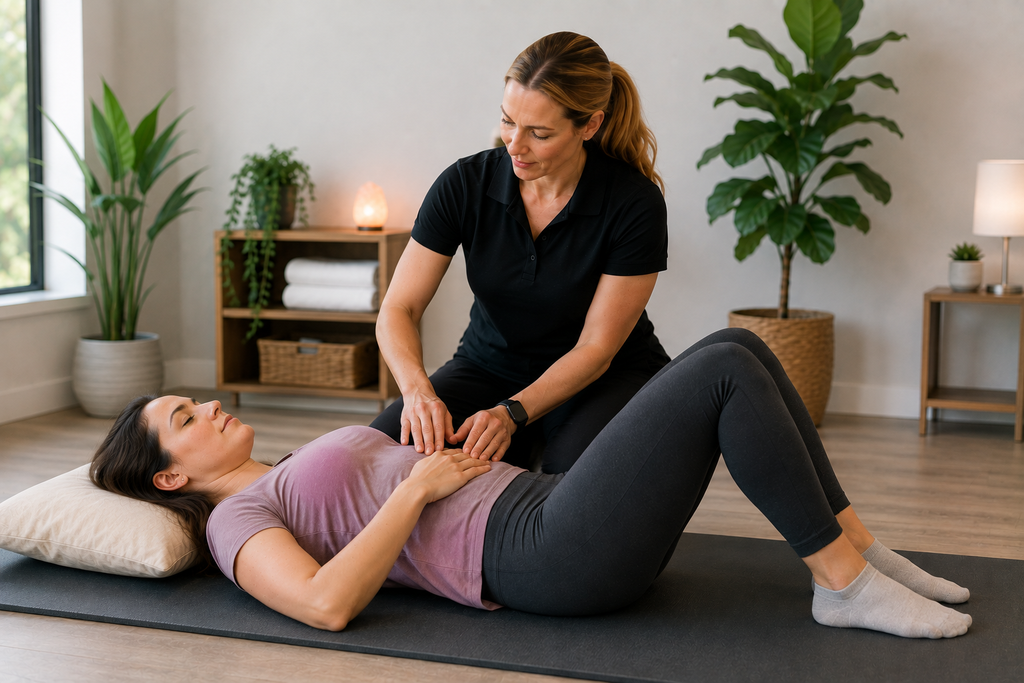
Living with endometriosis can affect much more than your menstrual cycle. Pelvic pain, abdominal discomfort, painful intercourse, bowel or bladder symptoms, fatigue, and pain with everyday movement can make work, exercise, relationships, and normal activities more difficult. Endometriosis is a condition in which tissue similar to the lining inside the uterus grows outside the uterus. It commonly affects structures within the pelvis and may involve the ovaries, fallopian tubes, and nearby tissues. In some cases, the bladder or bowel may also be affected.
Physical therapy does not remove endometriosis or replace treatment from your gynecologist or endometriosis specialist. However, persistent pain can occur alongside tight pelvic floor muscles, muscle guarding, reduced mobility, abdominal tension, and changes in how you move. Pelvic floor physical therapy can address these contributing factors and may become one part of a larger endometriosis care plan.
At Reform Physical Therapy, endometriosis support through pelvic floor physical therapy is available at our South Portland clinic. Care is private, individualized, and centered around your symptoms and goals.
What Is Endometriosis?
Endometriosis occurs when tissue similar to the tissue lining the inside of the uterus grows outside the uterus. These growths can cause inflammation and irritation in surrounding tissues. Scar tissue and adhesions may also develop, which can cause pelvic tissues and organs to stick together. Symptoms can vary considerably. Some people experience severe pain, while others have relatively mild symptoms. The amount of pain someone experiences does not necessarily reflect how extensive the endometriosis is. This is one reason individualized medical care is so important.
Common Symptoms of Endometriosis
Pelvic pain is one of the most common symptoms. Pain may become particularly noticeable before or during a menstrual period. However, symptoms are not always limited to menstruation. People with endometriosis may also experience lower abdominal or back pain, pain during or after sexual activity, discomfort with bowel movements or urination, heavy menstrual bleeding, fatigue, bloating, constipation, diarrhea, or nausea. Fertility problems can also occur. Symptoms often overlap with other pelvic health conditions, making an appropriate medical evaluation important.
Endometriosis and Pelvic Pain
Endometriosis-related pelvic pain can feel different from person to person. You may experience aching, cramping, pressure, burning, sharp pain, or a pulling sensation. Symptoms may stay within the pelvis or spread into the abdomen, lower back, hips, groin, or legs. Over time, persistent pain can also affect how the muscles surrounding the pelvis behave. Your body may begin tightening muscles in response to pain. This protective response is sometimes called muscle guarding. When muscle guarding becomes persistent, the pelvic floor and surrounding muscles may have difficulty fully relaxing.
Endometriosis and the Pelvic Floor
The pelvic floor is a group of muscles at the bottom of the pelvis. These muscles help support the pelvic organs and contribute to bladder control, bowel function, sexual function, core stability, and movement. Pelvic floor muscles need to contract and relax normally. Someone experiencing ongoing pelvic pain may develop excessive muscle tension. Tight pelvic floor muscles can then contribute to additional pain or make certain activities more difficult. Mayo Clinic notes that physical therapy may help people with endometriosis learn to relax the pelvic floor muscles and that reducing excessive tension may help with pelvic pain.
Tight Pelvic Floor Muscles
Pelvic floor problems are not always caused by weakness. For someone experiencing chronic pelvic pain, the muscles may actually be too tight. You might unconsciously tighten your abdomen or pelvic floor when anticipating pain. Eventually, the muscles can become sensitive or have difficulty returning to a relaxed position. Treatment may therefore focus on relaxation and coordination before strengthening. Your therapist can determine what your muscles actually need rather than automatically prescribing Kegel exercises.
Endometriosis and Painful Periods
Painful menstrual periods are one of the most common symptoms associated with endometriosis. Cramping may begin before the period starts and continue for several days. Lower abdominal and back pain may also occur. Physical therapy does not stop the underlying endometriosis from responding to hormonal changes. However, treatment may address muscle tension, mobility restrictions, breathing, and movement problems that occur alongside pelvic pain. Your gynecologist or endometriosis specialist should remain involved in managing the underlying condition.
Endometriosis and Pain With Intercourse
Pain during or after sexual activity is another common symptom of endometriosis. Pain may occur with penetration or feel deeper within the pelvis. Several factors can contribute. Endometriosis itself may cause pain, while pelvic floor muscle tension can develop alongside it. Some people begin tightening the pelvic floor because their body anticipates that sexual activity will hurt. Physical therapy may address muscular tension and sensitivity when those factors are present.
Endometriosis and Bowel Symptoms
Endometriosis can occur near or involve structures around the bowel. Some people experience pain during bowel movements, especially around their menstrual period. Constipation, diarrhea, bloating, and nausea can also occur. Pelvic floor dysfunction can create additional bowel difficulties. For example, overly tight pelvic floor muscles may make it harder to relax while having a bowel movement. A pelvic health therapist can address muscular and coordination problems, but physical therapy does not treat endometriosis involving the bowel itself. Gastrointestinal symptoms should be evaluated by the appropriate medical provider.
Endometriosis and Bladder Symptoms
Pain with urination can occur with endometriosis, particularly around menstruation. Some people also experience pelvic pressure or other bladder symptoms. Because the pelvic floor helps control urination, muscle tension may sometimes contribute to urinary difficulty or discomfort. Your therapist can evaluate pelvic floor function when appropriate. Blood in the urine, burning with urination, fever, or significant changes in bladder function should receive medical evaluation.
Endometriosis and Lower Back Pain
Pelvic symptoms do not always remain confined to the pelvis. Some people with endometriosis experience lower back or abdominal pain. Persistent discomfort can also change the way you sit, stand, walk, exercise, or sleep. Over time, surrounding muscles may become stiff or sensitive. Physical therapy can evaluate your back, hips, abdomen, and pelvis to determine whether musculoskeletal factors are adding to your symptoms.
Endometriosis and Hip Pain
Your hips and pelvis work closely together. When pelvic pain persists, people sometimes change how they move without realizing it. You might shift your weight, avoid certain positions, sit differently, or reduce your activity. These changes can affect hip strength and mobility. A physical therapist can identify movement restrictions and gradually rebuild strength and confidence.
Abdominal Pain and Muscle Tension
Endometriosis commonly causes abdominal and pelvic discomfort. The abdominal muscles may tighten in response. Some people develop a habit of constantly bracing their abdomen because it feels protective. Your therapist can evaluate abdominal mobility, breathing, strength, and muscle tension. Treatment may focus on helping the abdominal wall move and coordinate more comfortably rather than simply strengthening it.
Endometriosis and Bloating
Bloating is commonly reported by people with endometriosis, especially around menstrual periods. Physical therapy does not treat the underlying hormonal or gastrointestinal causes of bloating. However, abdominal discomfort can influence breathing, posture, movement, and muscle guarding. Your therapist can help address these physical responses when they are contributing to discomfort.
Endometriosis and Exercise
Pain can make exercise difficult. Running, strength training, cycling, yoga, or even walking may feel different during a flare. Some people stop exercising completely because they are afraid activity will make symptoms worse. Others repeatedly push through significant pain. Neither extreme is always necessary. Physical therapy can help you identify movements you tolerate well and gradually build activity around your symptoms.
Exercising During an Endometriosis Flare
Your exercise needs may change from day to day. During a painful flare, high-intensity exercise may not feel realistic. Gentle mobility, walking, breathing exercises, or lower-intensity strength work may be more manageable. On days when symptoms are calmer, you may tolerate considerably more activity. Your physical therapist can help you create options for different symptom levels rather than treating every day exactly the same.
Endometriosis and Fatigue
Fatigue is another symptom reported by people with endometriosis. When you are tired and hurting, staying active can become challenging. Rehabilitation should take that into account. Your program does not need to leave you exhausted after every session. Exercises can be gradually progressed based on your symptoms, energy level, and goals.
Breathing and Pelvic Floor Relaxation
Your diaphragm and pelvic floor work together during breathing. As you inhale, the diaphragm moves downward and the pelvic floor naturally lengthens slightly. As you exhale, both move back toward their resting positions. Pain can disrupt this natural pattern. You may hold your breath or keep your abdominal and pelvic muscles tense without realizing it. Breathing exercises may help improve awareness and encourage pelvic floor relaxation.
Stress, Pain, and Muscle Guarding
Stress does not cause endometriosis, and endometriosis pain is not “all in your head.” However, pain can activate the body’s protective response. When your nervous system expects pain, muscles may tighten automatically. You may notice this in your jaw, shoulders, abdomen, hips, or pelvic floor. Treatment can include strategies for reducing unnecessary muscle guarding while gradually increasing comfortable movement.
Endometriosis and Pregnancy
Endometriosis can affect fertility for some people, although many people with the condition become pregnant. Fertility treatment may sometimes be recommended depending on the individual situation. Physical therapy does not treat infertility caused by endometriosis. However, someone with a history of pelvic pain may still benefit from pelvic health support during pregnancy. Treatment can address movement, pelvic floor function, strength, and pregnancy-related musculoskeletal symptoms when appropriate.
Endometriosis After Pregnancy
Pregnancy does not necessarily permanently resolve endometriosis. Someone may also experience postpartum concerns such as core weakness, pelvic floor symptoms, pain, urinary leakage, or difficulty returning to exercise. Physical therapy can address those musculoskeletal concerns. Your treatment should consider both your postpartum recovery and your history of endometriosis.
Endometriosis Surgery
Surgery may be considered for some people with endometriosis. Laparoscopic surgery can be used to identify and remove endometriosis tissue. Treatment decisions depend on symptoms, fertility goals, previous treatments, and other individual factors. Physical therapy does not replace surgical treatment when surgery is medically indicated. However, rehabilitation may be useful before or after surgery when pain, weakness, mobility limitations, or pelvic floor dysfunction are present.
Physical Therapy After Endometriosis Surgery
After surgery, your body needs time to heal. Follow your surgeon’s restrictions and recommendations regarding activity. Once physical therapy is appropriate, rehabilitation may focus on gradually restoring movement, abdominal strength, pelvic floor coordination, and activity tolerance. Scar mobility may also be addressed after the incision has healed sufficiently. Treatment should progress based on your recovery rather than rushing back to normal activity.
Scar Tissue and Mobility
Abdominal or pelvic surgery leaves scars as the tissues heal. Not every scar causes a problem. Some people, however, notice sensitivity or restricted movement around healed surgical sites. When appropriate, your physical therapist may work on scar mobility and surrounding tissue movement. This does not remove internal endometriosis adhesions. Instead, treatment focuses on musculoskeletal restrictions that can be safely addressed through rehabilitation.
Does Physical Therapy Treat Endometriosis?
This distinction is important. Physical therapy does not cure endometriosis or remove endometriosis lesions.
Medical treatment commonly involves medications, hormonal therapy, surgery, or a combination depending on symptoms and fertility goals. Physical therapy provides support for symptoms and musculoskeletal problems that can occur alongside endometriosis. That may include pelvic floor tension, muscle guarding, painful movement, weakness, reduced mobility, or difficulty returning to normal activity. This is why physical therapy is often most useful as one part of a larger healthcare team.
Pelvic Floor Physical Therapy for Endometriosis
Your treatment will depend on what your evaluation shows. Someone with significant pelvic floor tension may begin with relaxation and breathing. Another person may need hip mobility, abdominal rehabilitation, or gradual strengthening. Treatment may include pelvic floor muscle retraining, breathing exercises, mobility work, manual therapy, core and hip strengthening, movement retraining, and strategies for managing activity during symptom flares. The goal is not to give every person with endometriosis the same exercise program.
Manual Therapy
Manual therapy may be included when muscles or other musculoskeletal tissues are contributing to symptoms. Treatment might involve the abdomen, hips, lower back, pelvis, or pelvic floor. Internal pelvic floor techniques may sometimes be discussed when clinically appropriate. Manual therapy does not remove endometriosis lesions. Instead, it may be used to address muscle tension, sensitivity, or mobility restrictions identified during your physical therapy evaluation.
Biofeedback
Some patients benefit from pelvic floor biofeedback. It can provide information about pelvic floor muscle activity and help you better understand when those muscles are contracting or relaxing. For someone who has spent months or years guarding against pain, relaxing the pelvic floor may be harder than expected. Biofeedback can be one tool for improving that awareness.
E-Stim and Endometriosis Support
Electrical stimulation, or e-stim, is another tool that may be considered as part of pelvic health rehabilitation depending on the patient’s symptoms and treatment goals. It is not an endometriosis treatment itself. Instead, your physical therapist determines whether e-stim, biofeedback, manual therapy, exercise, or another approach is appropriate based on your evaluation. At Reform, pelvic health services including biofeedback and e-stim are available through the South Portland clinic.
Pelvic Floor Physical Therapy Evaluation
Your first appointment begins with a private conversation. Your therapist may ask about your diagnosis, pelvic pain, menstrual symptoms, sexual activity, bladder and bowel function, previous surgeries, pregnancies, exercise, work, and everyday activities. You can also discuss what you want to be able to do more comfortably. The physical evaluation may include breathing, abdominal function, hip mobility, lower back movement, strength, and pelvic floor coordination.
An external or internal pelvic floor assessment may be discussed when appropriate. Your therapist should explain what an examination involves and why it may be helpful before anything is performed. Any pelvic floor examination is optional and performed only with your informed consent.
What If I Don’t Want an Internal Pelvic Floor Exam?
You can still begin physical therapy. An internal examination is not required for you to receive care. Your therapist can evaluate your breathing, abdomen, back, hips, movement, strength, and other external factors. If an internal assessment could provide useful information, your therapist can explain why. You remain in control of whether you want to proceed.
Creating an Individualized Endometriosis Support Plan
Endometriosis affects people differently. One person may primarily struggle with painful intercourse. Someone else may have difficulty with bowel movements, exercise, or prolonged sitting. Your physical therapy plan should reflect those differences. Treatment can focus on the activities that matter most to you while working alongside the medical care you receive for endometriosis.
When to See a Medical Provider
Physical therapists do not diagnose or medically treat endometriosis. If you have severe menstrual pain, persistent pelvic pain, pain during intercourse, pain with bowel movements or urination, heavy bleeding, or concerns about fertility, talk with your healthcare provider. New or rapidly worsening pelvic or abdominal pain also deserves medical evaluation. Seek prompt medical attention for severe unexplained pain, heavy bleeding, fainting, fever, or other sudden and concerning symptoms.
Endometriosis Support in South Portland, Maine
Reform Physical Therapy provides endometriosis support through pelvic floor physical therapy at our South Portland clinic. We focus on the musculoskeletal and pelvic floor factors that may occur alongside endometriosis. Treatment may address pelvic floor tension, abdominal and hip mobility, painful movement, core strength, breathing, bladder or bowel concerns, and returning to exercise. Your physical therapist can also work alongside your gynecologist, surgeon, or other medical providers as part of a broader treatment plan. Endometriosis can be complex. Your physical therapy should not treat you as though your symptoms have one simple cause.
Schedule a Pelvic Health Evaluation
If endometriosis is affecting how comfortably you move, exercise, sit, use the bathroom, or participate in sexual activity, pelvic floor physical therapy may be worth discussing with your healthcare team. At Reform, treatment is built around your symptoms and goals rather than a one-size-fits-all program.