


pelvic organ prolapse

Pelvic Organ Prolapse
Pelvic organ prolapse occurs when the muscles and tissues supporting the pelvic organs become weakened and one or more organs move downward from their normal position. This may involve the bladder, uterus, rectum, urethra, or the top of the vagina. Some people notice pelvic pressure or heaviness. Others describe feeling or seeing a bulge near… Read More
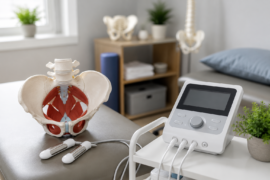
What Is Pelvic Floor E-Stim and Biofeedback?
Posted by: in Pelvic Health on August 3, 2026
Millions of people experience pelvic floor dysfunction, yet few openly talk about it. Many people assume that bladder leaks, pelvic pain, constipation, or discomfort after pregnancy are simply a normal part of life. The truth is they often aren’t. These symptoms may be signs that your pelvic floor muscles aren’t functioning the way they should…. Read More

Pelvic Floor Physical Therapy for Perimenopause and Menopause
Posted by: in Pelvic Health on June 4, 2026
Perimenopause and menopause bring major changes to the body, yet many women are never fully prepared for what to expect. While hot flashes and mood swings are commonly talked about, symptoms related to pelvic floor health are often overlooked or dismissed as “just part of aging.” Pelvic floor physical therapy for menopause can offer support… Read More

Why You Feel Pressure “Down There” After Standing All Day
Posted by: in Pelvic Health on May 27, 2026
If you’ve ever gotten home after a long shift and felt a heavy, achy, or uncomfortable pressure “down there,” you are not alone. Many women experience pelvic pressure after standing for long periods of time, especially after workdays spent on their feet. Hair stylists, nurses, teachers, retail workers, moms, dental hygienists, warehouse employees, and healthcare… Read More