


Foot Pain Treatment
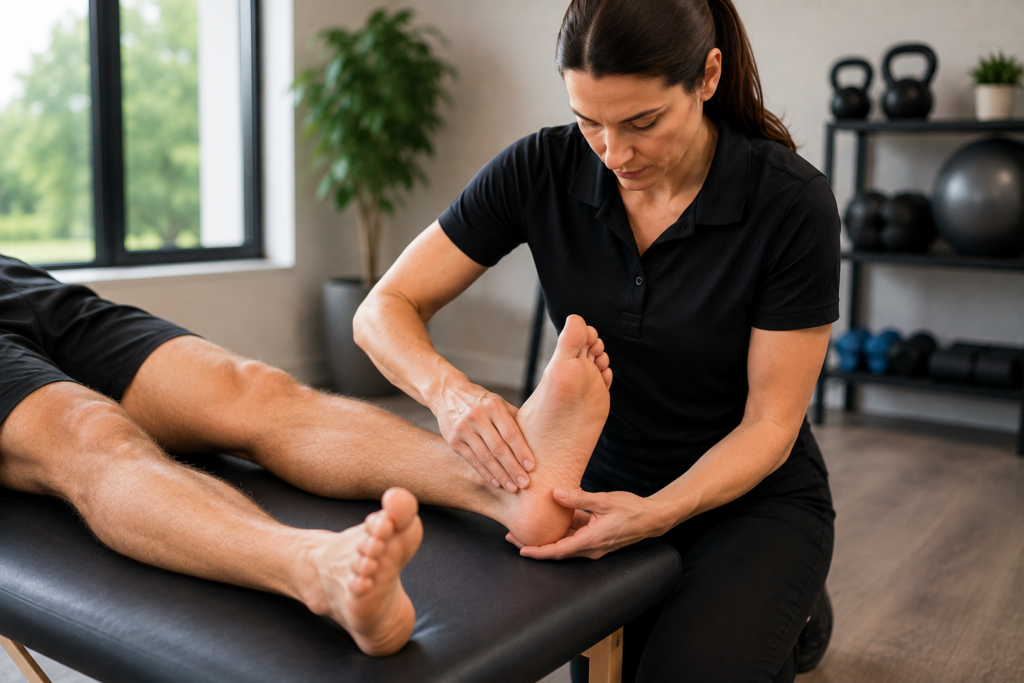
Foot pain treatment can help when discomfort, stiffness, swelling, weakness, or changes in walking make it difficult to work, exercise, stand, or complete everyday activities. Each foot contains many bones, joints, muscles, tendons, ligaments, nerves, and other tissues that work together. These structures support the body, absorb force, maintain balance, and help move the body forward. Pain can develop when one of these structures becomes injured, irritated, weak, or overloaded.
Foot symptoms may begin suddenly after a fall, awkward step, sports injury, or heavy impact. In other cases, pain develops gradually after changes in walking, running, exercise, footwear, work demands, or time spent standing. Health conditions such as arthritis, diabetes, nerve disorders, and circulation problems may also affect the feet. At Reform Physical Therapy, we provide one-on-one foot pain treatment based on the location of your symptoms, how the problem began, your movement, strength, daily activities, and personal goals. Your therapist will assess the foot while also examining the ankle, calf, knee, hip, balance, and walking pattern.
Understanding Foot Pain
Foot pain is not a single diagnosis. It is a symptom that may come from several different tissues or conditions. Pain may develop in the heel, arch, ball of the foot, top of the foot, outer edge, inner border, toes, or joints. The location of the discomfort can provide helpful information, but several conditions may cause symptoms in the same area. A sore heel may involve the plantar fascia, Achilles tendon, heel pad, bursa, nerve, or bone. Pain along the top of the foot may involve a tendon, joint, stress injury, or irritation from footwear. Discomfort near the toes may come from a joint problem, nerve irritation, muscle imbalance, or injury.
A physical therapy evaluation helps determine which structures may be involved and whether foot pain treatment is appropriate. Medical imaging or another provider may be recommended when the findings suggest a fracture, infection, circulation problem, or serious injury.
The Role of the Foot During Movement
The foot provides a stable base while also adapting to the ground beneath it. When the foot contacts the floor, its joints and soft tissues help absorb force. As the body moves forward, the foot becomes firmer so it can push the body into the next step. This process depends on coordinated movement between the toes, arch, ankle, calf, knee, hip, and trunk. A change in one area may affect how force travels through the rest of the leg.
Foot pain can cause a person to shorten their steps, avoid placing weight on the heel, walk on the outside of the foot, or shift weight toward the opposite side. These changes may eventually contribute to ankle, knee, hip, or back discomfort. Effective foot pain treatment considers the entire movement pattern rather than focusing only on the painful spot.
Common Foot Pain Symptoms
Foot symptoms can vary depending on the cause. Some people experience a dull ache after standing or walking. Others feel sharp pain with a specific step, movement, or exercise. The foot may also feel stiff, weak, swollen, bruised, hot, numb, or unusually sensitive. Pain may be worse during the first steps in the morning, after sitting, near the end of a long workday, or after exercise. Running, jumping, stairs, uneven ground, and walking barefoot may increase symptoms.
Nerve-related problems may cause burning, tingling, electric pain, or numbness. Joint conditions may cause stiffness, swelling, and reduced movement. A bone or ligament injury may cause focused tenderness and difficulty placing weight on the foot. Changes in skin color, temperature, swelling, or sensation should be taken seriously, especially for people with diabetes, circulation problems, or reduced feeling in the feet.
Heel Pain
Heel pain may occur beneath the heel, around its sides, or near the back where the Achilles tendon attaches. Pain on the bottom of the heel is commonly associated with plantar fascia irritation. Symptoms may be strongest during the first steps after waking or standing after rest. Plantar fasciitis is one of the most common sources of pain beneath the heel.
Pain at the back of the heel may involve the Achilles tendon, a nearby bursa, or pressure from footwear. A deep bruised feeling under the center of the heel may involve the heel’s protective fat pad. Heel pain may also be caused by a stress injury, arthritis, nerve irritation, or trauma. Foot pain treatment should be based on the specific source rather than assuming every sore heel is plantar fasciitis.
Arch Pain
Pain through the arch may develop after increased walking, running, jumping, or standing. The plantar fascia and small foot muscles help support the arch and manage force. These tissues may become irritated when activity increases faster than the foot can adapt. Arch symptoms may also be influenced by calf tightness, ankle stiffness, foot weakness, footwear, or fatigue. People with either high arches or flatter feet may develop pain, but foot shape alone does not determine whether symptoms will occur. Treatment may include mobility work, foot and calf strengthening, balance training, footwear guidance, and gradual activity progression.
Pain Along the Ball of the Foot
The ball of the foot is the area beneath the joints where the toes meet the foot. Pain here may develop after running, jumping, wearing narrow shoes, spending long periods on the feet, or placing repeated pressure through the forefoot. Some people describe burning, aching, or the feeling of stepping on a pebble. Symptoms may involve the joints, nerves, protective tissue beneath the foot, or small bones near the big toe. Footwear changes may reduce pressure, but lasting foot pain treatment may also need to address strength, walking mechanics, calf function, and activity demands.
Pain on the Top of the Foot
Pain on the top of the foot may involve tendons that lift the toes and ankle, irritation from tight shoes, joint stiffness, or a bone stress injury. Symptoms may increase while walking uphill, running, climbing stairs, or wearing shoes that press across the top of the foot. Focused tenderness, swelling, and pain during normal walking may require medical evaluation to rule out a fracture or stress injury. Changing the way shoes are laced may reduce pressure in some cases. However, persistent symptoms should be evaluated before returning to demanding activity.
Outer Foot Pain
Pain along the outside of the foot may develop after an ankle sprain, awkward landing, sudden increase in walking, or repeated side-to-side activity. The tendons along the outer ankle help stabilize the foot. These structures may become irritated after injury or overuse. Outer foot pain can also come from a joint, cuboid irritation, stress injury, or fracture near the base of the fifth metatarsal. A sudden injury with swelling, bruising, or difficulty bearing weight should receive prompt medical assessment.
Inner Foot Pain
The inner side of the foot contains tendons, joints, nerves, and the inner portion of the arch. Pain may develop when the tendon that supports the arch becomes irritated or weak. Symptoms may increase with prolonged walking, stairs, uneven ground, or standing on one foot. Nerve irritation near the inner ankle may cause burning, tingling, or numbness that travels toward the bottom of the foot. Because several structures may create symptoms in this area, a full evaluation is important before beginning foot pain treatment.
Toe and Forefoot Pain
Toe pain may follow a stubbed toe, sports injury, fall, tight footwear, or repeated pressure. The big toe plays an important role during push-off. Limited movement or pain in this joint may change the way a person walks and place more stress on the outer foot. Conditions affecting the toes may include joint irritation, arthritis, bunions, turf toe, tendon injuries, fractures, and nerve problems. MedlinePlus notes that treatments for toe injuries and disorders vary based on the underlying condition. Physical therapy may help restore movement, strength, balance, and walking when the condition can be managed without surgery.
Common Causes of Foot Pain
Foot pain often begins after a change in activity. A person may increase running mileage, begin a walking program, start a job that requires prolonged standing, or return to sports after time away. Even positive activity changes can overload tissues when the increase happens too quickly. Footwear may also contribute. Shoes that are worn, narrow, unsupportive, or poorly matched to the activity can increase pressure or alter comfort. Previous ankle injuries may leave behind stiffness, weakness, or reduced balance. These changes can affect how the foot moves and handles force.
Arthritis can cause pain and stiffness in the many small joints of the foot and ankle. Initial management is often nonsurgical and may include activity changes, supportive devices, medication guidance, and rehabilitation. Other causes include falls, direct impact, tendon irritation, stress fractures, nerve damage, skin conditions, infection, gout, diabetes, and circulation problems.
Activity and Training Changes
Bones, muscles, tendons, and ligaments need time to adapt to new activity. Problems may develop when distance, speed, hills, workout frequency, or standing time increase at the same time. For example, a runner may tolerate three miles but develop foot pain after suddenly increasing mileage and adding speed work. Someone beginning a new job may struggle after going from mostly seated work to standing for eight hours. Foot pain treatment may include temporary changes to the activity that caused the overload. This does not always mean complete rest. The goal is to reduce the most irritating demands while maintaining safe movement and gradually rebuilding tolerance.
Footwear and Surface Changes
Shoes should feel comfortable and provide enough room for the toes. Worn cushioning, uneven soles, stiff materials, or pressure from laces can contribute to symptoms. Switching suddenly to a different shoe style may also change the demands placed on the foot and calf. Hard surfaces may increase discomfort during long periods of walking or standing. Uneven terrain can require more balance and foot control. Supportive footwear, heel cups, pads, or inserts may provide temporary relief for certain conditions. However, these tools should support the rehabilitation plan rather than replace strengthening and activity progression.
Foot and Ankle Weakness
The small muscles within the foot help support the arch, control the toes, and adjust to the ground. Larger muscles around the ankle help control movement and provide stability. Weakness or fatigue in these areas may reduce the foot’s ability to absorb and transfer force. Calf weakness can also affect push-off during walking and running. When the calf cannot manage repeated activity, other tissues may take on more stress. Foot pain treatment may include strengthening for the arch, toes, ankle, and calf. Exercises should become gradually more challenging as symptoms improve.
Ankle Mobility
The ankle must bend forward as the body moves over the foot. Limited ankle movement may cause the heel to lift early, the foot to roll differently, or the knee and hip to compensate. Stiffness can develop after an ankle sprain, fracture, surgery, or long period of reduced activity. Mobility exercises may help restore comfortable movement. However, the exercises should match the diagnosis because deep ankle bending can irritate certain heel and tendon conditions.
Balance and Leg Control
The foot provides feedback that helps the body maintain balance. Pain may cause a person to avoid the affected side. Over time, this can reduce confidence and single-leg control. Hip and knee weakness may also affect how the leg lines up over the foot during walking, stairs, squatting, running, and landing. Treatment may include balance exercises, step training, squats, lunges, and single-leg movements. These activities help prepare the whole leg for daily tasks and sports.
Foot Pain After an Injury
Sudden foot pain may follow a fall, twisted ankle, awkward landing, dropped object, collision, or sports injury. Swelling and bruising may develop quickly. The person may have difficulty moving the toes, pushing through the foot, or placing weight on the injured side. MedlinePlus recommends medical care when foot pain follows an injury and the foot is bruised, bleeding, or unable to bear weight. A fracture, ligament injury, tendon tear, or joint injury may require imaging or medical protection before physical therapy begins.
Foot Pain Without a Clear Injury
Many foot conditions begin gradually. Symptoms may appear after several days or weeks of increased standing, walking, or exercise. Morning stiffness or soreness after activity may be the first sign. Gradual pain can still be significant. Stress injuries, tendon problems, arthritis, and nerve irritation may develop without one clear event. An evaluation can help determine whether foot pain treatment should begin immediately or whether imaging and additional medical care are needed first.
Foot Pain Related to Nerves
Nerve-related pain may feel different from muscle or joint pain. Symptoms can include burning, tingling, numbness, electric sensations, or unusual sensitivity to touch. Pain may travel through the arch, toes, or outer foot. Nerve symptoms may begin near the foot or come from the ankle, leg, or lower back. Diabetes can also damage nerves and reduce sensation in the feet. Reduced feeling increases the risk of wounds going unnoticed. People with diabetes or neuropathy should regularly inspect their feet and seek medical care for wounds, color changes, or new swelling.
Foot Pain Related to Arthritis
The foot contains many joints that may be affected by arthritis. Symptoms may include aching, stiffness, swelling, reduced movement, and discomfort during standing or walking. Pain may become worse after activity or after long periods of rest. Foot and ankle arthritis can affect the toes, midfoot, ankle, or joints near the heel. Nonsurgical management may be recommended before surgery is considered. Physical therapy may focus on maintaining movement, improving strength, reducing stress on painful joints, and finding more comfortable ways to remain active.
The Effect of Foot Pain on Daily Life
Foot pain can affect much more than exercise. Standing at work, shopping, cooking, cleaning, caring for children, and walking through a parking lot may become difficult. Some people avoid social activities because they are unsure how long they will need to stand or walk. Sleep may be affected when pain remains present at rest. Reduced activity can also lead to weakness, decreased endurance, and frustration.
A person may change their walking pattern to avoid the painful area. This can place more demand on the opposite foot, ankle, knee, hip, or back. A personalized foot pain treatment plan helps patients remain as active as safely possible while addressing the cause of their symptoms.
Physical Therapy Evaluation
Your first appointment begins with a conversation about where the pain is located, when it started, and which activities make it better or worse. Recent changes in walking, running, sports, work, footwear, and exercise will be reviewed. Your therapist may also ask about previous injuries, surgeries, medications, diabetes, arthritis, nerve symptoms, and circulation concerns.
During the physical examination, the therapist may assess the toes, arch, heel, ankle, calf, knee, and hip. Areas of tenderness, swelling, skin changes, movement, strength, balance, and sensation may be checked. Walking, stairs, squatting, heel raises, and single-leg control may also be assessed. A running evaluation may be included when appropriate. This process helps create a foot pain treatment plan based on your findings and the activities you want to return to.
Medical Imaging and Referrals
Many foot conditions can be evaluated through a medical history and physical examination. X-rays may be recommended when a fracture, arthritis, bone spur, or joint problem is suspected. Ultrasound or MRI may be used to examine tendons, ligaments, nerves, or stress injuries. Some stress fractures do not appear clearly on an early X-ray.
Blood tests or other medical evaluation may be needed when infection, gout, inflammatory arthritis, or a circulation problem is possible. Your therapist will recommend additional care when symptoms fall outside the expected pattern for a typical muscle, tendon, or joint condition.
Foot Pain Treatment
Foot pain treatment begins by identifying which movements, activities, or positions are irritating the foot. Walking, running, jumping, standing, or sports may need to be temporarily reduced or modified. The goal is not to avoid all movement but to find an activity level that does not cause symptoms to steadily worsen.
Rehabilitation may include mobility work, strengthening, balance training, walking practice, activity guidance, footwear recommendations, and hands-on care. Physical therapists help people recover from injuries, manage pain, improve movement, and restore function across many orthopedic conditions.
Activity Changes During Recovery
The amount of activity change depends on the diagnosis and severity of symptoms. Someone with mild soreness after long walks may need shorter distances and more recovery time. A person with severe pain or a suspected stress injury may need to stop impact activity and receive medical evaluation. Lower-impact options such as cycling, swimming, or seated exercise may help maintain fitness when comfortable. Activity can increase gradually as walking, strength, and balance improve.
Pain and Swelling Management
Ice may provide short-term relief after an injury or activity. A cloth should be placed between the ice and skin. Elevation and compression may help with certain types of swelling, although these options are not appropriate for every condition. Shoes, taping, pads, or inserts may reduce pressure on a painful area. Pain management can improve comfort, but lasting foot pain treatment usually also requires movement, strengthening, and gradual loading. Medication questions should be discussed with a physician or pharmacist.
Foot Mobility
Mobility exercises may focus on the toes, arch, ankle, or joints within the foot. Gentle toe movement can help maintain flexibility after stiffness or injury. Ankle mobility may improve how the body moves over the foot during walking. Stretching should not cause sharp pain, numbness, or increased swelling. Some conditions require temporary protection rather than stretching. Your therapist will determine which movements are appropriate.
Foot Strengthening
Foot strengthening may begin with gentle arch activation and controlled toe movements. Patients may practice lifting or spreading the toes without gripping the floor. Resistance can be added as control improves. Later exercises may involve standing, balance, heel raises, stepping, and single-leg movements. Stronger foot muscles can help support the arch and improve control during walking, running, and uneven surfaces.
Calf Strengthening
The calf muscles help control the ankle and push the body forward. Heel raises may begin with both feet on the floor. The exercise can progress by shifting more weight toward the painful side, using one leg, or adding resistance. Both straight-knee and bent-knee exercises may be included. A gradual calf program is often an important part of foot pain treatment because the calf and foot work together during nearly every step.
Hip and Knee Strengthening
Foot movement is influenced by the rest of the leg. Weakness in the hips or knees may reduce control during walking, stairs, running, and landing. Treatment may include bridges, squats, step-ups, lunges, side-stepping, and single-leg exercises. These exercises help the body manage force across the entire leg rather than placing all attention on the foot.
Balance Training
Balance exercises may begin with standing evenly on both feet. The program can progress to single-leg standing, reaching, stepping, uneven surfaces, and movement challenges. Athletes may later practice hopping, landing, and changing direction. Balance training helps restore confidence and prepares the foot for daily activity, work, and sports.
Walking and Gait Training
Foot pain can change how a person walks. Some people avoid placing the heel down. Others turn the foot outward, shorten their steps, or walk along the outer edge. Your therapist may help restore a more comfortable walking pattern while addressing the strength or mobility problems contributing to the change. Walking distance can increase gradually as symptoms improve.
Running and Sports Rehabilitation
Runners may benefit from a review of mileage, speed, hills, surfaces, footwear, and recovery days. Your therapist may also observe stride, step rate, foot contact, and control through the hip and knee. A return-to-running program may begin with short jogging intervals mixed with walking. Distance is usually increased before speed, hills, or long continuous runs. Athletes may later progress to jumping, landing, sprinting, cutting, and sport-specific drills.
Hands-On Treatment
Manual treatment may be used to improve joint movement or reduce tension in nearby muscles. This may include gentle soft tissue work, joint movement, or assisted mobility. Direct pressure over a highly sensitive area, fracture, wound, or fresh injury may not be appropriate. Hands-on care can improve short-term comfort, but it should support the strengthening and activity progression needed for lasting improvement.
Home Exercise Program
A home program may include mobility, foot strengthening, calf exercises, balance, and walking guidance. Exercises should be selected based on the diagnosis and current stage of recovery. The program may change as symptoms improve. Early exercises may focus on gentle movement, while later stages prepare the foot for longer walking, running, or sports. Consistency is more important than completing a large number of exercises at once.
Recovery Time
Recovery time depends on the cause of the pain. A mild overuse problem may begin improving within several weeks. Tendon injuries, stress fractures, arthritis, and long-standing symptoms may require a longer recovery. Progress may include less pain during the first steps of the day, easier walking, improved balance, greater calf strength, and the ability to spend more time on the feet. Foot pain treatment should progress at a pace that challenges the tissues without causing symptoms to steadily worsen.
Preventing Foot Pain From Returning
Activity should increase gradually after symptoms improve. Walking distance, running mileage, speed, hills, and workout frequency should not all increase at the same time. Foot and calf exercises may need to continue after pain settles. Supportive and comfortable shoes can also reduce unnecessary pressure. Previous ankle injuries should be fully rehabilitated because remaining stiffness or weakness may affect the foot. Recovery days allow the body to adapt before another demanding workout or long period of activity.
Medical Warning Signs
Prompt medical care is needed after a major injury, fall, or hard impact when the foot becomes severely swollen, bruised, or difficult to bear weight on. A visible deformity, open wound, deep cut, or object stuck in the foot requires immediate evaluation. Redness, heat, drainage, fever, or rapidly increasing swelling may indicate infection. A cold, pale, blue, or numb foot may signal a circulation or nerve emergency.
Sudden calf swelling, chest pain, or trouble breathing requires urgent care because these symptoms may indicate a blood clot. People with diabetes, poor circulation, neuropathy, or reduced sensation should seek medical guidance for new wounds, blisters, swelling, or color changes. Pain that remains severe at rest, repeatedly wakes you at night, or continues to worsen should also be evaluated.
Foot Pain Treatment in Maine
Reform Physical Therapy provides one-on-one foot pain treatment at our Maine clinic locations. We help patients with heel pain, arch discomfort, foot weakness, tendon injuries, joint stiffness, walking problems, sports injuries, and pain after surgery. Your treatment plan may include activity guidance, foot and calf strengthening, ankle mobility, balance work, walking analysis, footwear recommendations, and a gradual return to exercise or sports. The goal is not only to reduce pain. Treatment also helps your foot and leg become stronger and better prepared for the activities that matter to you.
Schedule a Foot Pain Evaluation
Foot pain can make work, exercise, errands, and everyday movement difficult. Continuing to push through worsening symptoms may cause the problem to last longer. It may also allow a fracture, nerve condition, or other serious concern to go unnoticed. A one-on-one evaluation can help identify the likely source of your symptoms and determine whether physical therapy is appropriate.