

Spinal Stenosis
Does your lower back become uncomfortable after standing for a while? Maybe your legs feel heavy, tired, or painful when you walk, but sitting down brings some relief. Or perhaps neck stiffness, tingling, or weakness has started making everyday activities more challenging. These symptoms can have several causes, including a condition known as spinal stenosis. Spinal stenosis occurs when spaces within your spine narrow, sometimes placing pressure on nearby nerves or the spinal cord. One approach for managing these symptoms is spinal stenosis physical therapy, which can help improve mobility and reduce discomfort. Although this condition commonly develops with age, symptoms and their impact on daily life vary considerably.
For some individuals, spinal stenosis causes little or no discomfort. Others experience pain, numbness, weakness, or difficulty walking longer distances. At Reform Physical Therapy, we provide individualized spinal stenosis physical therapy to help patients improve strength, mobility, walking tolerance, and everyday function. Our physical therapists take the time to understand your symptoms, evaluate your movement, and develop a personalized rehabilitation plan that supports your goals. Whether you want to walk farther, stand more comfortably, return to recreational activities, or manage everyday responsibilities with greater confidence, we’re here to help you explore your treatment options.
What Is Spinal Stenosis?
Spinal stenosis occurs when one or more spaces within the spinal column become narrower. Your spine consists of vertebrae, intervertebral discs, joints, ligaments, and other structures that support movement and protect important neurological tissues. The spinal canal provides space for the spinal cord and associated nerve structures. Smaller openings between the vertebrae allow spinal nerve roots to travel toward other areas of your body. When these spaces narrow, surrounding structures may place pressure on the nerves or spinal cord. However, spinal narrowing doesn’t always cause symptoms. Some individuals have spinal stenosis visible on imaging without experiencing significant pain or movement limitations. When symptoms develop, they depend on the location and severity of the narrowing, the neurological structures involved, and other individual factors.
Types of Spinal Stenosis
Spinal stenosis can affect different regions of the spine. The two most common types are lumbar spinal stenosis and cervical spinal stenosis.
Lumbar Spinal Stenosis
Lumbar spinal stenosis affects the lower portion of the spine. This condition commonly develops as spinal structures change with age. When narrowing affects nerves in the lumbar region, individuals may experience lower back discomfort, leg pain, numbness, tingling, or weakness. One of the most recognizable symptoms involves difficulty standing or walking for extended periods. Some people notice that their legs begin to ache, feel heavy, or become uncomfortable after walking a certain distance. Sitting down or leaning forward may provide relief. Physical therapy for lumbar spinal stenosis often focuses on improving lower-body strength, mobility, walking tolerance, and functional independence.
Cervical Spinal Stenosis
Cervical spinal stenosis affects the neck. Narrowing in this region may place pressure on spinal nerve roots or the spinal cord. Symptoms can include neck discomfort, arm pain, tingling, numbness, or weakness. When the spinal cord becomes compressed, a condition known as cervical myelopathy may develop. Cervical myelopathy can cause difficulty with balance, walking, hand coordination, or fine motor activities such as buttoning clothing.
Suspected cervical myelopathy requires prompt medical evaluation. Physical therapy should not delay appropriate assessment or treatment. For patients who have received medical clearance, rehabilitation may help address appropriate strength, mobility, balance, and functional limitations.
Thoracic Spinal Stenosis
Thoracic spinal stenosis affects the middle portion of the back. Although less common, narrowing in this region can place pressure on the spinal cord and potentially cause neurological symptoms. Some individuals experience discomfort around the middle back, while others develop changes in sensation, walking ability, or lower-body strength. Because thoracic spinal stenosis may involve the spinal cord, appropriate medical evaluation is especially important.
What Are the Symptoms of Spinal Stenosis?
Spinal stenosis symptoms vary depending on the location of the narrowing and whether nearby neurological structures are affected. Some individuals experience intermittent discomfort, while others notice progressive limitations in walking, standing, or everyday activities.
Common symptoms may include:
- Lower back pain or stiffness
- Neck pain or discomfort
- Pain extending into the buttocks or legs
- Tingling or numbness in the arms or legs
- Muscle weakness
- Leg heaviness or fatigue during walking
- Difficulty standing for prolonged periods
- Reduced walking endurance
- Discomfort that improves when sitting or leaning forward
- Changes in balance or coordination
- Difficulty completing certain everyday movements
- Reduced tolerance for physical activity
Not everyone with spinal stenosis experiences all these symptoms. Additionally, similar complaints may result from other conditions, including peripheral neuropathy, vascular problems, or different spinal disorders. A thorough evaluation helps determine which factors may contribute to your symptoms.
Why Does Spinal Stenosis Cause Leg Pain When Walking?
One of the hallmark symptoms of lumbar spinal stenosis is neurogenic claudication. Neurogenic claudication describes leg symptoms associated with narrowing around the nerves in the lower spine. People with this condition may experience aching, heaviness, numbness, tingling, or weakness during walking or prolonged standing. Symptoms often improve when they sit or bend forward.
Why Does Leaning Forward Sometimes Help?
Certain spinal positions can influence the amount of space available around nerve structures. For some individuals with lumbar spinal stenosis, bending forward slightly increases available space and reduces nerve-related symptoms. This may explain why walking while leaning on a shopping cart feels more comfortable than walking upright. Similarly, riding a stationary bicycle may feel easier than walking for some patients because cycling generally involves a more flexed spinal position. However, not everyone responds the same way. Your physical therapist can evaluate your movement tolerance and determine which activities and positions may be appropriate for you.
Neurogenic Claudication vs. Vascular Claudication
Leg discomfort during walking doesn’t always come from the spine. Vascular claudication occurs when reduced blood flow limits the oxygen supply to working muscles. Although both conditions may cause leg pain during activity, their underlying causes and treatment approaches differ. Symptoms related to lumbar spinal stenosis often improve with sitting or spinal flexion. Vascular symptoms may improve simply by stopping the activity, even without changing posture. Because symptoms can overlap, medical evaluation may be necessary to determine the cause.
What Causes Spinal Stenosis?
Several factors can contribute to narrowing within the spine. In many adults, spinal stenosis develops gradually as part of age-associated changes.
Age-Associated Spinal Changes
As people age, discs, joints, and ligaments naturally change. These changes may gradually reduce the space available around spinal nerves. However, not everyone develops symptomatic spinal stenosis as they get older.
Degenerative Disc Disease
Intervertebral discs may lose height or undergo structural changes over time. These changes can contribute to narrowing around spinal nerve roots, particularly when combined with other degenerative findings. Disc degeneration doesn’t automatically cause spinal stenosis, but the conditions frequently occur together.
Arthritis and Bone Spurs
Age-associated changes in the small joints of the spine may contribute to the formation of bone spurs. These bony growths can narrow spaces around the spinal nerves or spinal cord.
Thickened Spinal Ligaments
Ligaments help support and stabilize the spine. Over time, certain ligaments may thicken or buckle inward, contributing to narrowing within the spinal canal.
Herniated Discs
A herniated disc occurs when disc material extends beyond its normal boundaries. Depending on its size and location, the displaced material may reduce available space around nearby nerve structures.
Spondylolisthesis
Spondylolisthesis occurs when one vertebra shifts relative to another. In some cases, this change can contribute to narrowing within the spinal canal or nerve openings.
Congenital Spinal Narrowing
Some individuals naturally have a narrower spinal canal. These anatomical differences may increase the likelihood of developing symptoms when additional changes occur.
Can Spinal Stenosis Get Better Without Surgery?
Many individuals with lumbar spinal stenosis manage their symptoms through conservative treatment. Although physical therapy cannot physically widen a narrowed spinal canal, rehabilitation may help improve strength, walking tolerance, movement confidence, and everyday function. Some patients experience meaningful improvements through exercise, activity modifications, and appropriate medical management.
Others may continue experiencing symptoms or require additional treatment. The appropriate approach depends on the severity of the narrowing, neurological findings, medical history, and individual goals. Surgery may become necessary when symptoms remain significantly disabling despite appropriate treatment or when certain neurological problems develop.
Spinal cord compression, progressive neurological weakness, or bowel and bladder changes require prompt medical attention and may change the treatment approach.
How Can Physical Therapy Help Spinal Stenosis?
Spinal stenosis physical therapy focuses on improving physical function while accounting for symptoms associated with nerve compression. Your physical therapist will assess your mobility, strength, walking ability, balance, and tolerance for different movements. Treatment may include several approaches depending on your needs.
Improving Walking Tolerance
Walking limitations are common among individuals with lumbar spinal stenosis. Your therapist may help you develop a progressive walking program based on your symptoms and current abilities. Some patients begin with shorter walking intervals and planned rest breaks. Others may benefit from different forms of cardiovascular exercise while gradually improving endurance. The goal is to support meaningful improvements in mobility without repeatedly provoking significant symptoms.
Building Lower-Body Strength
Weakness or reduced activity can make standing, walking, and climbing stairs more difficult. Targeted strengthening exercises may help improve your ability to perform these activities. Your therapist may focus on the hips, thighs, calves, and other muscle groups involved in everyday movement.
Improving Spinal Mobility
Stiffness may contribute to discomfort or movement limitations. When appropriate, your therapist may introduce gentle mobility exercises that help you move through comfortable ranges. Exercise selection depends on your symptoms, medical findings, and response to movement.
Addressing Balance Difficulties
Some individuals experience balance challenges associated with nerve-related sensory changes, weakness, or reduced mobility. Physical therapy may incorporate balance exercises and coordination activities to address these limitations.
Increasing Activity Tolerance
Persistent symptoms sometimes lead people to reduce their physical activity. Over time, this can contribute to decreased endurance and strength. A progressive rehabilitation program may help you rebuild physical capacity and participate more comfortably in daily activities.
Supporting Everyday Independence
Spinal stenosis may interfere with household responsibilities, errands, work, or recreation. Your physical therapist can incorporate functional exercises that reflect your personal goals. Treatment may include practicing sit-to-stand movements, stair climbing, lifting, and other meaningful activities.
Physical Therapy Treatments for Spinal Stenosis
At Reform Physical Therapy, your rehabilitation plan begins with an individualized evaluation. Your therapist selects interventions based on your symptoms, functional limitations, and medical history.
Therapeutic Exercise
Therapeutic exercise often forms the foundation of conservative spinal stenosis rehabilitation. Your program may include strengthening, mobility exercises, and progressive activity training. Exercise selection and intensity will reflect your abilities and response to treatment.
Flexion-Based Exercises
Some individuals with lumbar spinal stenosis feel more comfortable when their lower back bends slightly forward. In these cases, your therapist may incorporate appropriate flexion-based exercises. Examples may include controlled pelvic tilts or other gentle movements that place the lumbar spine in a more flexed position. However, these exercises aren’t suitable for everyone. Your physical therapist will determine whether they match your symptoms and clinical findings.
Core and Trunk Strengthening
Your trunk muscles help support everyday movements. Strengthening exercises may improve your ability to perform activities such as standing, walking, lifting, and changing positions. Your therapist can gradually increase exercise difficulty as your strength improves.
Hip and Leg Strengthening
Strong hips and legs contribute to mobility, balance, and walking endurance. Your therapist may incorporate exercises such as supported squats, sit-to-stand movements, step-ups, or other appropriate strengthening activities.
Manual Therapy
When clinically appropriate, your physical therapist may use hands-on techniques to address muscle discomfort or movement restrictions. Manual therapy may provide short-term relief for some individuals and often complements exercise-based rehabilitation.
Gait Training
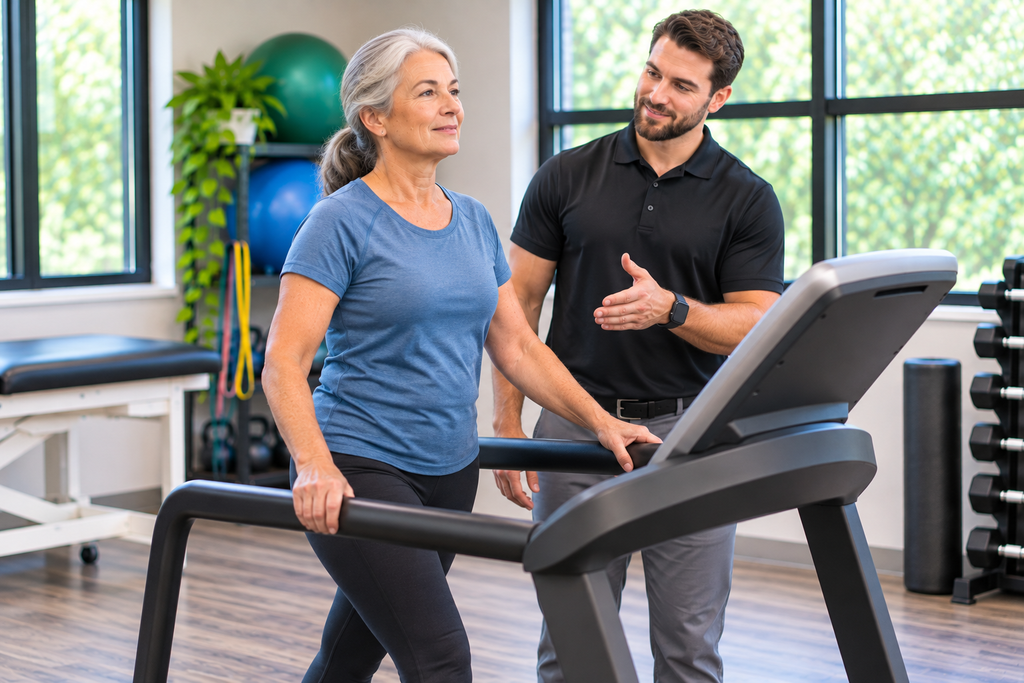
Changes in strength, sensation, or walking tolerance can affect how you move. Gait training may help improve walking mechanics, balance, and confidence. Some individuals may also benefit from instruction in the appropriate use of an assistive device.
Balance Training
Balance exercises may help address instability associated with weakness or sensory changes. Your therapist will select activities that match your current abilities and safety needs.
Functional Movement Training
Functional exercises focus on everyday activities. Your therapist may guide you through movements such as standing from a chair, stepping onto a platform, bending, or carrying objects. As your abilities improve, treatment may progress toward more demanding tasks.
Patient Education and Home Exercises
Understanding your condition can help you make informed decisions about physical activity. Your therapist may discuss symptom management, exercise progression, walking strategies, and practical activity modifications. A personalized home exercise program can help support consistency between appointments.
What Are the Best Exercises for Lumbar Spinal Stenosis?
The most appropriate exercises depend on your symptoms, physical abilities, and overall health. Some patients benefit from movements that emphasize gentle spinal flexion, while others respond better to different exercises. Your physical therapist may recommend a combination of activities.
Pelvic Tilts
Pelvic tilts involve gently changing the position of your pelvis and lower back. These movements may help improve awareness and control of spinal positioning. Your therapist can determine whether they are appropriate for your symptoms.
Single-Knee-to-Chest Movements
Some individuals find gentle knee-to-chest movements comfortable because they place the lower back in a flexed position. However, this exercise may not suit everyone. Your therapist will consider your response before including it in your program.
Stationary Cycling
A stationary bicycle may provide a comfortable cardiovascular exercise option for some individuals with lumbar spinal stenosis. Cycling typically involves a slightly forward-leaning position, which some patients tolerate better than upright walking. Exercise duration and resistance should match your abilities.
Hip Strengthening
Strengthening the hips may help support walking, standing, and other everyday movements. Your therapist may incorporate bridges, side-lying exercises, or standing hip movements when appropriate.
Sit-to-Stand Exercises
Practicing standing from a chair can help improve leg strength and functional independence. Your therapist may adjust chair height, repetition count, or hand support based on your abilities.
Walking Intervals
Short walking intervals with planned rest breaks may help improve activity tolerance. Your therapist can help you determine an appropriate starting distance and progression.
Not every exercise is appropriate for every type of spinal stenosis. Individuals with suspected spinal cord compression or progressive neurological symptoms need medical evaluation before beginning or advancing an exercise program.
Is Walking Good for Spinal Stenosis?
Walking can be beneficial for many people with spinal stenosis, but symptoms may limit how far or how long they can walk comfortably. For some individuals with lumbar spinal stenosis, prolonged upright walking increases leg discomfort. Rather than forcing yourself to walk through significant symptoms, your physical therapist may recommend a modified approach. This could involve shorter walking intervals, planned rest periods, or alternative cardiovascular activities. As your strength and endurance improve, your therapist can help you gradually increase activity when appropriate. The goal is to support mobility and independence while respecting your individual symptoms.
Why Is Sitting Sometimes More Comfortable Than Standing?
Many individuals with lumbar spinal stenosis notice that sitting provides relief from leg discomfort. This happens partly because spinal flexion can increase available space around certain nerve structures. Standing upright or extending the lower back may reduce that space in some individuals, potentially aggravating nerve-related symptoms. However, these patterns don’t apply to every patient. Your physical therapist can assess how different positions affect your symptoms and help you identify practical movement strategies.
Can Spinal Stenosis Cause Balance Problems?
Yes. Certain forms of spinal stenosis may contribute to balance difficulties. When nerve compression affects strength or sensation in the legs, individuals may feel less stable while walking. Cervical spinal stenosis involving the spinal cord can also cause changes in balance and coordination. However, balance problems can arise from many different conditions, including vestibular disorders, peripheral neuropathy, medication effects, and other neurological problems. New or worsening balance difficulties, particularly when accompanied by hand clumsiness or weakness, require prompt medical evaluation for possible spinal cord involvement. When medically appropriate, physical therapy may help address strength, walking mechanics, and balance limitations.
Spinal Stenosis and Everyday Activities
Spinal stenosis can affect more than your ability to exercise. For some individuals, symptoms interfere with routine activities such as grocery shopping, cooking, cleaning, or spending time with family.
Grocery Shopping
Walking through a large store may become uncomfortable when leg symptoms develop. Some individuals find that leaning slightly forward on a shopping cart provides relief. Your therapist may help you develop strategies for managing walking distance and standing tolerance.
Standing While Cooking
Preparing meals often requires prolonged standing. If symptoms increase during these activities, your therapist may discuss practical modifications, movement breaks, or strengthening exercises.
Household Chores
Vacuuming, laundry, and cleaning involve standing, bending, and repeated movements. Functional training can help you practice these activities and gradually improve your physical capacity.
Climbing Stairs
Weakness, pain, or balance difficulties may make stair climbing challenging. Your therapist may incorporate lower-body strengthening and step-training exercises when appropriate.
Recreational Activities
Spinal stenosis doesn’t automatically mean you must stop participating in hobbies or exercise. Your therapist can help you explore appropriate modifications and gradual activity progression based on your goals.
Spinal Stenosis vs. Herniated Disc
Although spinal stenosis and herniated discs can cause similar symptoms, they describe different structural findings. Spinal stenosis involves narrowing of spaces within the spine that may affect nearby nerves or the spinal cord. In contrast, a herniated disc occurs when disc material extends beyond its normal boundaries in a localized area. A herniated disc can sometimes contribute to spinal narrowing, but the conditions aren’t interchangeable. Both may cause radiating pain, numbness, tingling, or weakness when nerve structures become irritated or compressed. Your healthcare provider will consider your symptoms, examination findings, and relevant imaging when determining the appropriate diagnosis.
Spinal Stenosis vs. Degenerative Disc Disease
Degenerative disc disease and spinal stenosis frequently occur together, but they describe different changes in the spine. Degenerative disc disease refers to age-associated structural changes in spinal discs. Meanwhile, spinal stenosis describes narrowing within the spinal canal or other spaces around neurological structures. Disc degeneration may contribute to spinal stenosis when combined with changes in surrounding joints, ligaments, or other tissues. However, not everyone with degenerative disc disease develops symptomatic spinal stenosis. Physical therapy focuses on addressing your functional limitations rather than treating imaging findings alone.
Can Spinal Stenosis Get Worse Over Time?
The progression of spinal stenosis varies from person to person. Some individuals experience relatively stable symptoms for years, while others notice changes in walking tolerance, pain, or neurological function. Structural narrowing may progress without a corresponding increase in symptoms. Conversely, certain individuals develop more significant neurological problems that require additional medical treatment. Regularly monitoring symptoms and reporting new or worsening neurological changes can help guide appropriate care. Physical therapy may support strength, mobility, and functional independence, but it cannot guarantee that spinal narrowing will stop progressing.
Does Spinal Stenosis Require Surgery?
Not everyone with spinal stenosis requires surgery. Many individuals with lumbar spinal stenosis begin with conservative treatment, including physical therapy and appropriate medical management. However, surgery may become necessary when symptoms remain significantly disabling despite treatment or when serious neurological problems develop. For example, progressive weakness, severe nerve compression, or spinal cord dysfunction may require surgical evaluation. Patients with cervical myelopathy often need specialist assessment because spinal cord compression can lead to lasting neurological impairment. Your healthcare provider can help determine whether conservative care, additional testing, injections, or surgical treatment is appropriate.
Physical Therapy After Spinal Stenosis Surgery
Some individuals undergo surgical procedures to relieve pressure on spinal nerves or the spinal cord. Common procedures may include decompression surgery, such as a laminectomy, or other operations depending on the underlying condition. Following surgery, physical therapy may help patients gradually restore mobility, strength, and everyday function.
Rehabilitation may include:
- Walking and mobility exercises
- Gentle strengthening
- Functional movement training
- Balance and coordination activities
- Gradual increases in activity tolerance
- Education about movement precautions
- Return-to-work or recreational activity planning
Your rehabilitation timeline will depend on the procedure, your medical history, and your surgeon’s recommendations. Physical therapists follow applicable post-surgical precautions and adjust treatment as recovery progresses.
When Should You Seek Medical Attention for Spinal Stenosis?
Many people manage spinal stenosis symptoms through conservative care, but certain neurological changes require urgent medical attention.
Seek emergency medical care if you experience:
- New loss of bladder or bowel control
- New inability to urinate with back or leg neurological symptoms
- Numbness around the groin, genitals, or inner thighs
- Sudden or rapidly worsening arm or leg weakness
- Severe new difficulty walking
- Sudden neurological symptoms such as facial drooping or difficulty speaking
These symptoms may indicate serious neurological conditions that require immediate evaluation. Additionally, new hand clumsiness, worsening balance, increasing weakness, or changes in walking coordination may indicate cervical spinal cord compression. These symptoms warrant prompt medical assessment, even when pain is relatively mild. Physical therapy should never delay necessary medical evaluation or emergency treatment.
What to Expect During Your First Spinal Stenosis Physical Therapy Appointment
Your first appointment at Reform Physical Therapy begins with a conversation about your symptoms, medical history, and personal goals. Your physical therapist may ask how far you can walk comfortably, which positions relieve symptoms, and whether you’ve noticed changes in strength, sensation, or balance. If you’ve received imaging or a medical diagnosis, your therapist can consider that information alongside your examination findings.
Depending on your symptoms, the evaluation may include:
- Spinal range of motion
- Lower-body or upper-body strength
- Walking mechanics
- Standing and walking tolerance
- Balance and coordination
- Functional movement patterns
- Posture and movement tolerance
- Relevant neurological screening
- Sensation and reflex testing when appropriate
- Activities that reproduce or relieve symptoms
Your therapist will use these findings to determine whether physical therapy is appropriate and develop a personalized treatment plan. Some patients begin with gentle mobility exercises, while others may benefit from progressive strengthening or walking activities. Your provider will monitor your response and adjust treatment as your abilities change. When examination findings suggest a condition requiring additional medical evaluation, your therapist can recommend appropriate follow-up.
How Long Does Physical Therapy Take for Spinal Stenosis?
Treatment duration varies depending on your symptoms, neurological findings, medical history, and rehabilitation goals. Some individuals notice meaningful improvements in strength, mobility, or activity tolerance within several weeks. Others require longer rehabilitation programs, particularly when symptoms have persisted for months or significantly limit walking and everyday activities. Your therapist will reassess your progress and adjust the program as needed. Because physical therapy doesn’t reverse the anatomical narrowing, treatment focuses on improving function, managing symptoms, and supporting meaningful activities.
Why Choose Reform Physical Therapy for Spinal Stenosis?
Living with spinal stenosis can make walking, standing, and everyday responsibilities feel more challenging. At Reform Physical Therapy, we understand that every patient experiences these limitations differently. Our approach focuses on individualized treatment, meaningful goals, and helping you improve your ability to move with confidence.
Personalized, One-on-One Physical Therapy
Reform Physical Therapy is an independent, locally owned, woman-owned practice that prioritizes one-on-one patient care. Our physical therapists take the time to understand your symptoms, evaluate your movement, and develop personalized rehabilitation plans. We don’t rely on aides or technicians to deliver your treatment.
The Same Therapist Throughout Your Care
Consistency helps your physical therapist recognize changes in your symptoms and track your progress. At Reform Physical Therapy, you’ll work with the same therapist throughout your rehabilitation. Your provider can adjust your exercises and treatment plan as your strength, mobility, and activity tolerance improve.
Treatment Focused on Your Everyday Goals
Your goals should guide your rehabilitation. Maybe you want to walk through the grocery store without frequent breaks, stand comfortably while preparing meals, enjoy time outdoors, or return to your favorite activities. Our physical therapists focus on helping you work toward meaningful improvements in your daily life.
Seven Convenient Maine Locations
Reform Physical Therapy proudly serves patients throughout Southern and Midcoast Maine with seven clinic locations:
Contact your preferred clinic to discuss your symptoms and available physical therapy services.
Take the Next Step Toward Better Mobility
Spinal stenosis can make walking, standing, and everyday movement more difficult, but appropriate rehabilitation may help you improve your strength, endurance, and functional independence. At Reform Physical Therapy, our team provides personalized care focused on understanding your symptoms and helping you work toward the activities that matter most. Whether you’re experiencing lower back discomfort, leg pain during walking, or mobility limitations associated with spinal stenosis, we’re here to help you explore your treatment options.