


Neuropathy
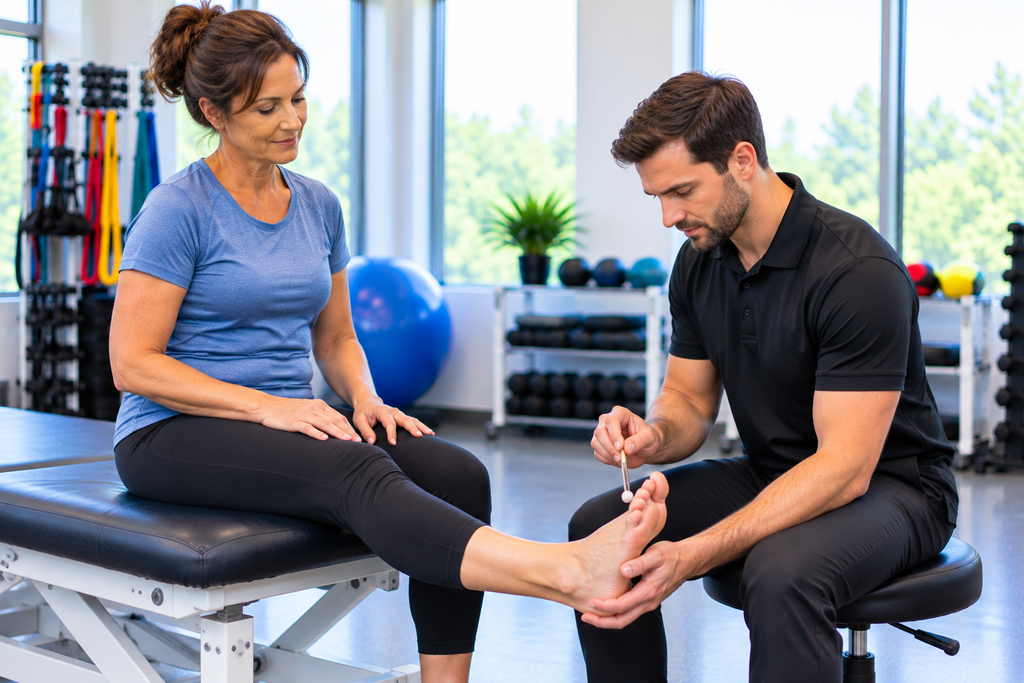
Living with neuropathy can make everyday activities feel uncomfortable, frustrating, and sometimes unpredictable. You might notice tingling in your feet, numbness in your toes, burning sensations in your legs, or difficulty feeling the ground beneath you. For some people, these symptoms are occasional and manageable. For others, they can interfere with walking, balance, sleep, and the ability to stay active. Neuropathy can affect more than how your hands and feet feel. When the nerves responsible for sensation and movement are not functioning properly, activities such as climbing stairs, standing for long periods, or walking across uneven surfaces may become more challenging. Some individuals begin avoiding certain activities because they feel unsteady or worry about falling.
At Reform Physical Therapy, we understand how nerve-related symptoms can affect your confidence and quality of life. Neuropathy physical therapy may help address balance difficulties, muscle weakness, walking changes, and functional mobility limitations through individualized rehabilitation. While physical therapy cannot reverse every type of nerve damage, it can play an important role in helping you move more safely, maintain strength, and remain active.
What Is Neuropathy?
Neuropathy is a term used to describe damage or dysfunction affecting one or more nerves. These nerves carry important messages between the brain, spinal cord, muscles, skin, and other parts of the body. When nerves are damaged or unable to communicate effectively, symptoms may develop that affect sensation, movement, or automatic bodily functions. Depending on which nerves are involved, neuropathy can cause numbness, tingling, burning pain, muscle weakness, balance problems, or changes in coordination.
Neuropathy can affect a single nerve, several individual nerves, or many nerves throughout the body. The symptoms and treatment options depend on the underlying cause, the type of nerve involved, and the severity of the condition. Peripheral neuropathy is one of the most common forms. It affects nerves outside the brain and spinal cord, often beginning in the feet or hands.
What Is Peripheral Neuropathy?
Peripheral neuropathy occurs when nerves outside the central nervous system become damaged or impaired. These nerves help control muscle movement, detect sensations such as touch and temperature, and regulate certain automatic bodily functions. Many people with peripheral neuropathy first notice symptoms in their toes or feet. Tingling, numbness, burning sensations, or reduced sensitivity may gradually spread upward into the lower legs. In some cases, similar symptoms develop in the hands. Because the feet provide important sensory information for balance, peripheral neuropathy can affect walking stability even when pain is minimal. Physical therapy may help address the movement-related effects of peripheral neuropathy through strengthening, balance training, gait exercises, and functional mobility activities.
What Causes Neuropathy?
Neuropathy can develop for several reasons. Some causes are related to underlying medical conditions, while others involve injuries, medications, nutritional deficiencies, or prolonged pressure on nerves.
Common causes include:
- Diabetes and prolonged elevated blood sugar
- Certain vitamin deficiencies, particularly vitamin B12
- Nerve injuries or trauma
- Certain medications, including some chemotherapy treatments
- Autoimmune and inflammatory conditions
- Excessive alcohol use
- Kidney disease and other metabolic conditions
- Infections affecting the nervous system
- Inherited neurological disorders
- Prolonged nerve compression
- Certain toxic exposures
Sometimes, neuropathy develops without an identifiable cause. This is known as idiopathic neuropathy. Identifying the underlying cause is important because some forms of neuropathy can improve when the contributing condition is treated. A healthcare provider may recommend blood tests, nerve conduction studies, or other evaluations to determine the cause. Physical therapy focuses on the resulting movement and functional limitations while medical providers address the underlying condition.
Common Symptoms of Neuropathy
Neuropathy symptoms vary depending on which nerves are affected. Some individuals primarily experience sensory changes, while others develop muscle weakness or difficulty controlling movement.
Common symptoms include:
- Numbness in the feet, toes, hands, or fingers
- Tingling or pins-and-needles sensations
- Burning or shooting nerve pain
- Increased sensitivity to touch
- Reduced ability to feel temperature changes
- Muscle weakness
- Difficulty maintaining balance
- Unsteadiness while walking
- Reduced coordination
- Difficulty lifting the front of the foot
- Muscle cramping
- Changes in walking patterns
- Increased risk of tripping or falling
- Difficulty completing everyday activities
Symptoms may develop gradually or appear more suddenly, depending on the cause. New, rapidly worsening, or unexplained neurological symptoms should be evaluated by a healthcare professional.
Types of Neuropathy
Neuropathy can be classified according to the nerves affected, the underlying cause, or the pattern of symptoms.
Sensory Neuropathy
Sensory neuropathy affects nerves responsible for detecting touch, pressure, temperature, pain, and body position. People with sensory neuropathy may experience numbness, tingling, burning sensations, or reduced awareness of where their feet are positioned. Loss of sensation can make walking and balance more challenging, particularly in dim lighting or on uneven surfaces. Physical therapy may help address these difficulties through balance training, gait exercises, and movement strategies that improve stability.
Motor Neuropathy
Motor neuropathy affects nerves responsible for activating muscles. Symptoms may include weakness, reduced muscle control, muscle wasting, or difficulty performing movements such as lifting the foot, gripping objects, or climbing stairs. Physical therapy may include strengthening, functional movement training, and exercises designed to maintain available muscle function.
Autonomic Neuropathy
Autonomic neuropathy affects nerves that control involuntary functions such as blood pressure, digestion, sweating, and bladder activity. Symptoms can include dizziness when standing, digestive problems, or changes in temperature regulation. Because autonomic neuropathy can affect exercise tolerance and cardiovascular responses, medical evaluation and appropriate precautions are important before beginning certain rehabilitation activities.
Mononeuropathy
Mononeuropathy involves damage or dysfunction affecting a single peripheral nerve. Examples include carpal tunnel syndrome, which affects the median nerve at the wrist, and certain nerve injuries involving the arm or leg. Treatment depends on the specific nerve involved and the underlying cause.
Polyneuropathy
Polyneuropathy affects multiple peripheral nerves, often in a relatively symmetrical pattern. Symptoms frequently begin in both feet and may gradually progress upward. Some individuals later develop similar symptoms in their hands. Polyneuropathy can affect sensation, strength, coordination, and balance, making physical therapy helpful for addressing related mobility limitations.
Diabetic Peripheral Neuropathy
Diabetic peripheral neuropathy is a common complication of diabetes. Over time, elevated blood sugar and other metabolic factors can damage peripheral nerves, particularly those supplying the feet and legs. Symptoms may include numbness, tingling, burning pain, reduced sensation, and balance difficulties. Some people experience significant nerve discomfort, while others have substantial sensory loss without much pain.
Reduced sensation in the feet can increase the risk of unnoticed injuries, skin breakdown, and foot ulcers. Physical therapy may help address weakness, walking changes, and balance limitations through individualized exercises. Treatment should also consider foot protection, appropriate footwear, and the presence of any wounds or medical complications. Managing diabetes and monitoring foot health remain essential parts of care.
Chemotherapy-Induced Peripheral Neuropathy
Certain cancer treatments can affect peripheral nerves, leading to chemotherapy-induced peripheral neuropathy. Symptoms may include tingling, numbness, burning sensations, weakness, or difficulty maintaining balance. These changes often affect the hands and feet and may continue after cancer treatment has ended. For some individuals, symptoms gradually improve. Others experience persistent nerve-related limitations. Physical therapy may help address balance problems, reduced strength, walking difficulties, and functional mobility challenges. Exercise recommendations should be coordinated with the oncology team when necessary.
Neuropathy and Nerve Compression
Some forms of neuropathy develop when a nerve becomes compressed or irritated. Examples include carpal tunnel syndrome, certain nerve entrapments around the elbow, and nerve compression affecting the lower extremities. Symptoms depend on the nerve involved and may include tingling, numbness, weakness, or pain in a specific area. Physical therapy may help address movement limitations, muscle weakness, and contributing mechanical factors when conservative treatment is appropriate. However, persistent or progressive nerve compression may require additional medical evaluation or other treatment.
How Neuropathy Affects Balance
Your nervous system relies on information from your feet, joints, eyes, and inner ears to help maintain balance. Peripheral nerves provide sensory information about pressure, movement, and body position. When neuropathy reduces this feedback, the brain may have difficulty determining exactly where the feet are positioned. You may feel more unsteady when walking in the dark, standing on soft surfaces, or moving across uneven ground. Some people find themselves watching their feet more closely because they cannot rely on sensation alone. Physical therapy may include balance exercises, controlled weight shifting, stepping activities, and functional movement practice to help improve stability.
Neuropathy and Walking Difficulties
Neuropathy can change the way you walk, particularly when sensation or muscle strength is reduced in the feet and legs. Some individuals take shorter steps, walk more slowly, or widen their stance to feel more stable. Others develop difficulty lifting their feet or controlling ankle movement. These changes may increase fatigue and make walking across unfamiliar surfaces more challenging. Physical therapy can help address walking mechanics through gait training, strengthening, balance exercises, and appropriate movement strategies.
Foot Drop and Neuropathy
Foot drop occurs when someone has difficulty lifting the front of the foot during walking. Certain forms of neuropathy can affect the nerves and muscles responsible for ankle dorsiflexion, making it difficult to clear the toes from the ground. You may notice that your foot catches on carpets, curbs, or uneven surfaces. Some people compensate by lifting their knee higher or swinging the leg outward. Physical therapy may include strengthening, gait training, and functional movement exercises. Depending on the cause and severity, an ankle-foot orthosis or other intervention may be recommended. New or worsening foot drop should be evaluated promptly because it can indicate a neurological condition requiring medical attention.
Muscle Weakness and Neuropathy
Neuropathy can interfere with the signals that travel from nerves to muscles. When motor nerves are affected, muscles may become weaker or more difficult to activate. Weakness can affect the ankles, feet, hands, or other areas depending on the nerves involved. Over time, reduced physical activity may contribute to additional weakness and decreased endurance. Physical therapy may include strengthening exercises that target available muscle function and support everyday activities such as walking, standing, and climbing stairs. Exercise selection should account for the underlying condition and the degree of nerve involvement.
Neuropathy Pain and Burning Sensations
Neuropathy can cause pain that feels different from ordinary muscle or joint discomfort. Some people describe burning, shooting, electric, or stabbing sensations. Others experience increased sensitivity to light touch, including discomfort from socks, shoes, or bedding. Neuropathic pain occurs because damaged or irritated nerves transmit abnormal signals. Physical therapy may help address related movement limitations, weakness, and activity avoidance. In some cases, appropriately selected exercise and rehabilitation strategies may improve physical function and pain-related quality of life.
However, physical therapy does not directly resolve every source of neuropathic pain. Medication management and treatment of the underlying cause may also be necessary.
Loss of Sensation in the Feet
Reduced sensation is one of the most important concerns associated with peripheral neuropathy. When the feet cannot accurately detect pressure, temperature, or discomfort, it becomes easier to overlook injuries or changes in skin condition. Loss of sensation can also affect balance because the brain receives less information about contact with the ground. Physical therapy may help improve movement strategies and walking stability, but it cannot guarantee that normal sensation will return. Individuals with reduced foot sensation should follow medical recommendations for foot care, appropriate footwear, and regular skin inspection.
How Can Neuropathy Physical Therapy Help?
Neuropathy physical therapy focuses on addressing the physical limitations that can develop when peripheral nerves are damaged or functioning improperly. Treatment may help improve balance, muscle strength, walking ability, coordination, and functional mobility. The goal is to support safer movement and help you remain as active and independent as possible. Your physical therapist may evaluate strength, sensation, balance, gait, joint mobility, and functional movements before developing an individualized rehabilitation plan.
Balance Training
Balance training is often an important part of physical therapy for peripheral neuropathy. Exercises may include controlled weight shifting, supported standing, stepping activities, and balance challenges designed to improve stability. Because reduced sensation can increase fall risk, exercises should be selected according to your abilities and performed with appropriate support.
Strength Training
Strengthening exercises can help maintain muscle function and support everyday activities. Treatment may focus on the ankles, legs, hips, and trunk, depending on the areas affected. Exercises can include resistance bands, weights, sit-to-stand movements, step-ups, and other functional strengthening activities.
Gait Training
Gait training focuses on improving walking mechanics, foot placement, step control, and movement efficiency. Your therapist may work with you on walking speed, turning, navigating obstacles, or moving across different surfaces. Some individuals benefit from appropriate walking aids or orthotic support.
Coordination and Proprioceptive Training
Proprioception is the body’s ability to sense joint position and movement. When neuropathy affects sensory nerves, proprioceptive information may become less accurate. Physical therapy may include exercises that emphasize controlled movement, foot placement, visual feedback, and functional coordination. These activities can help individuals develop strategies for moving more confidently despite reduced sensation.
Functional Mobility Training
Functional mobility training focuses on everyday movements such as standing from a chair, climbing stairs, getting in and out of bed, and walking through the home. Practicing these tasks can help improve movement efficiency and support independence.
Flexibility and Joint Mobility Exercises
Reduced activity, muscle weakness, or changes in walking patterns can contribute to stiffness. Physical therapy may include stretching and range-of-motion exercises to help maintain joint mobility and support more comfortable movement.
Endurance Training
Some individuals with neuropathy become less active because of discomfort, weakness, or balance concerns. Appropriate aerobic exercise may help improve cardiovascular fitness, physical endurance, and overall health. Depending on your abilities and medical needs, activities may include walking, stationary cycling, or other low-impact exercise.
Fall Prevention Strategies
When neuropathy affects sensation and balance, reducing fall risk becomes an important rehabilitation goal. Physical therapy may include balance training, gait exercises, strengthening, and recommendations for safer movement. Your therapist may also discuss footwear, assistive devices, and situations that increase your risk of falling.
Can Physical Therapy Reverse Neuropathy?
Whether neuropathy can improve depends largely on its underlying cause and the extent of nerve damage. Some forms of neuropathy may improve when a treatable cause is identified and addressed. For example, certain nutritional deficiencies or nerve compression conditions may respond to appropriate medical treatment. Other forms of neuropathy involve persistent or progressive nerve damage.
Physical therapy does not regenerate damaged nerves or reverse every type of neuropathy. However, rehabilitation can help address weakness, balance problems, walking limitations, and reduced physical endurance. Even when sensation does not return to normal, improving functional movement may help individuals remain active and independent.
Can Exercise Help Peripheral Neuropathy?
Exercise can be beneficial for many people with peripheral neuropathy when appropriately selected. Strengthening exercises may help maintain muscle function, while balance training can improve stability and coordination. Aerobic activity may support cardiovascular health, endurance, and overall physical fitness. The most appropriate exercise program depends on the underlying cause, symptoms, sensation, strength, and medical conditions. Individuals with significant sensory loss, foot ulcers, severe weakness, or autonomic symptoms may require additional precautions or medical clearance.
Neuropathy and Fall Prevention
Peripheral neuropathy can increase the risk of falling, particularly when sensation in the feet is reduced. Without accurate sensory feedback, it may become harder to detect uneven surfaces, adjust foot placement, or maintain balance when visual information is limited. Muscle weakness and changes in walking patterns can create additional challenges. Physical therapy may help address these factors through strengthening, balance training, gait exercises, and functional movement practice. Although no program can eliminate every fall risk, individualized rehabilitation can support safer mobility.
Neuropathy in Older Adults
Neuropathy becomes more common with age, although it can affect adults of all ages. Older adults may experience additional challenges related to muscle weakness, reduced endurance, arthritis, vision changes, or other medical conditions. When neuropathy affects balance and walking, these factors can combine to make everyday movement more difficult. Physical therapy may help address strength, stability, gait mechanics, and functional mobility while considering overall health and safety.
Neuropathy and Everyday Independence
Neuropathy can interfere with activities such as walking, shopping, climbing stairs, exercising, or participating in hobbies. Some people avoid uneven surfaces because they feel unsteady. Others limit activity because of discomfort, weakness, or concerns about falling. Physical therapy focuses on the movement-related challenges that interfere with your daily routine. Treatment may help improve functional strength, walking stability, coordination, and confidence with movement. Your rehabilitation goals should reflect the activities that matter most to you.
When Should You See a Healthcare Provider for Neuropathy?
Persistent numbness, tingling, burning sensations, or unexplained weakness should be evaluated by a healthcare professional. Identifying the underlying cause is important because some conditions require specific medical treatment. Seek prompt medical attention for new or rapidly worsening weakness, foot drop, or significant changes in sensation. Call 911 for sudden one-sided weakness, facial drooping, speech difficulty, or other possible stroke symptoms. New loss of bladder or bowel control accompanied by leg weakness or numbness around the groin also requires emergency evaluation.
Physical therapy may be recommended after the cause has been evaluated and rehabilitation is considered appropriate.
What to Expect During Your First Neuropathy Physical Therapy Visit
Your first appointment begins with a conversation about your symptoms, medical history, and movement goals. Your physical therapist may ask about numbness, tingling, pain, weakness, balance concerns, falls, and activities that have become difficult. The physical examination may include assessments of muscle strength, joint mobility, sensation, balance, coordination, walking, and functional movements. Your therapist may also evaluate how you stand from a chair, navigate steps, or maintain stability on different surfaces.
Based on the findings, an individualized rehabilitation plan can be developed to address your movement limitations and support your goals. If symptoms suggest an underlying medical condition that requires additional evaluation, your therapist may recommend follow-up with an appropriate healthcare provider.
How Long Does Neuropathy Physical Therapy Take?
The length of physical therapy depends on the underlying cause of neuropathy, symptom severity, physical limitations, and rehabilitation goals. Some individuals benefit from a focused treatment program to improve balance, strength, and walking ability. Others may require ongoing exercise or periodic reassessment to manage persistent mobility challenges. Your therapist can recommend an appropriate plan based on your evaluation and response to treatment.
Tips for Living With Neuropathy
Managing neuropathy often involves medical treatment, appropriate physical activity, and strategies for reducing injury risk.
Helpful habits may include:
- Following your healthcare provider’s treatment recommendations
- Managing underlying conditions such as diabetes
- Wearing supportive, properly fitting footwear
- Inspecting your feet regularly if sensation is reduced
- Practicing recommended balance exercises safely
- Maintaining appropriate physical activity
- Using mobility aids when recommended
- Keeping walkways clear of tripping hazards
- Avoiding extreme temperatures when sensation is impaired
- Reporting new weakness or changes in symptoms
- Continuing prescribed home exercises
Individuals with significant sensory loss should avoid activities that could cause unnoticed pressure injuries or skin damage.
Why Choose Reform Physical Therapy?
At Reform Physical Therapy, we understand that neuropathy can affect more than sensation. When walking becomes difficult, balance feels unreliable, or weakness interferes with everyday activities, it can change the way you move through your day. As an independent, woman-owned physical therapy practice, Reform Physical Therapy emphasizes individualized treatment and one-on-one care. When outpatient rehabilitation is appropriate, physical therapy may help address the strength, balance, coordination, and mobility limitations associated with neuropathy.
Our goal is to help you move with greater confidence, maintain your physical abilities, and continue participating in activities that matter to you. Because some forms of neuropathy require specialized evaluation or rehabilitation, our team can help determine whether the appropriate services are available at your preferred Reform Physical Therapy location.
Take the Next Step Toward Better Movement
Numbness, tingling, weakness, and balance difficulties can make everyday activities more challenging, but you do not have to ignore the movement limitations associated with neuropathy. Whether your goal is improving walking stability, strengthening your legs, reducing fall risk, or maintaining independence, individualized physical therapy may help.