


Parkinson’s Disease
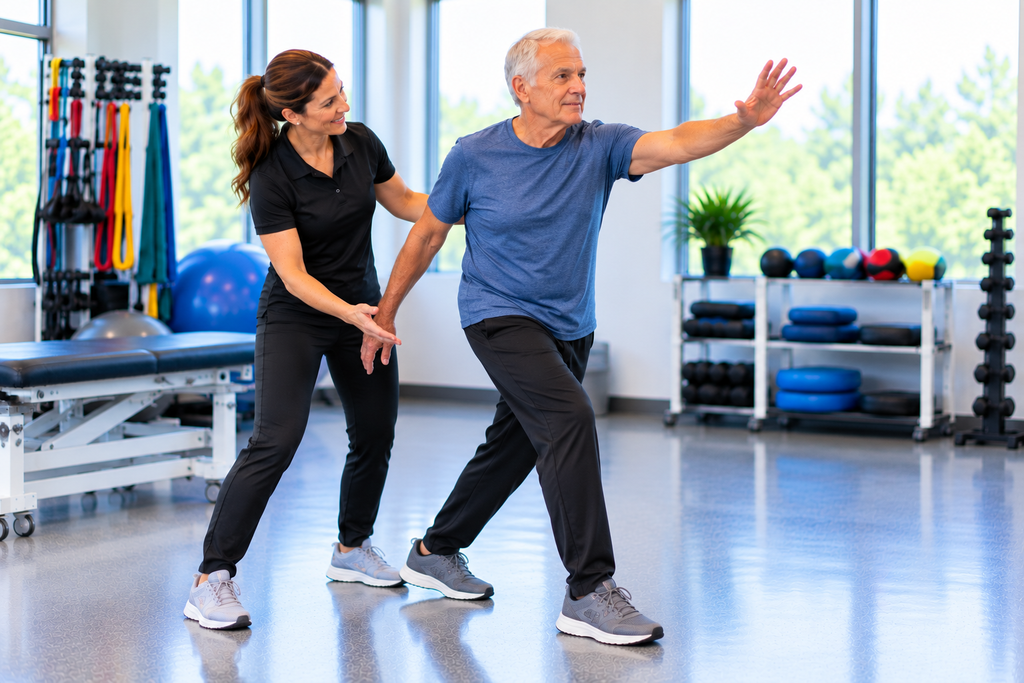
Living with Parkinson’s disease can change the way you move through everyday life. Activities that once felt automatic, such as walking across a room, standing up from a chair, turning around, or getting dressed, may gradually require more concentration and effort. You might notice that your steps have become smaller, your muscles feel stiff, or your balance is not as steady as it used to be. For some people, movement changes develop slowly and are barely noticeable at first. Others experience increasing difficulty with walking, coordination, posture, or physical endurance. Parkinson’s disease physical therapy can play a key role in addressing these movement challenges and helping people maintain confidence and independence, especially when familiar activities begin to feel more demanding.
At Reform Physical Therapy, we believe movement is an important part of maintaining quality of life. Parkinson’s disease physical therapy may help improve walking ability, balance, strength, flexibility, and functional mobility through individualized rehabilitation. Whether your goal is to move more comfortably, maintain independence, or stay active with the people and activities you love, physical therapy can be a valuable part of your care.
What Is Parkinson’s Disease?
Parkinson’s disease is a progressive neurological condition that affects the brain’s ability to control movement. It develops when certain nerve cells responsible for producing dopamine become damaged or gradually stop functioning. Dopamine is a chemical messenger that helps coordinate smooth, controlled movements. When dopamine levels decrease, the brain has more difficulty regulating movement, which can lead to symptoms such as tremors, muscle stiffness, slower movements, and changes in balance or walking.
Parkinson’s disease affects everyone differently. Some people experience mild movement changes for many years, while others develop more noticeable physical limitations. Symptoms can also include sleep disturbances, fatigue, constipation, mood changes, and other non-movement concerns. Although Parkinson’s disease currently has no cure, medications, exercise, rehabilitation, and other medical treatments can help manage symptoms and support quality of life. Physical therapy focuses on maintaining movement, improving functional abilities, and addressing physical challenges as they develop.
What Causes Parkinson’s Disease?
Parkinson’s disease develops when dopamine-producing nerve cells in an area of the brain called the substantia nigra gradually become impaired or die. The resulting decrease in dopamine affects the brain’s ability to coordinate movement. The exact cause is not fully understood. Researchers believe Parkinson’s disease develops through a combination of genetic and environmental factors. Age is one of the strongest risk factors, although the condition can also affect younger adults. Having Parkinson’s disease does not mean someone did something wrong or failed to exercise enough. While physical activity is important for managing symptoms and maintaining function, it does not eliminate the underlying neurological condition.
Common Symptoms of Parkinson’s Disease
Parkinson’s disease can cause a combination of movement-related and non-movement symptoms. The type and severity of symptoms vary, and not everyone experiences them in the same order.
Common movement-related symptoms include:
- Tremors, often beginning in one hand or arm
- Slower movements, also called bradykinesia
- Muscle stiffness or rigidity
- Smaller or shorter walking steps
- Reduced arm swing while walking
- Stooped or forward-flexed posture
- Difficulty turning or changing directions
- Balance problems and postural instability
- Freezing of gait
- Difficulty standing from a chair
- Reduced coordination and movement control
- Increased difficulty with everyday activities
Other symptoms may include fatigue, sleep disturbances, constipation, changes in mood, reduced sense of smell, and difficulty concentrating. These concerns may require additional medical management beyond physical therapy.
How Parkinson’s Disease Affects Movement
Parkinson’s disease can interfere with the brain’s ability to start, control, and coordinate movements. Tasks that once happened automatically may require more conscious effort. For example, you may notice that walking feels slower, turning takes several small steps, or getting out of a chair requires extra preparation. Some people experience stiffness that makes it difficult to move their arms or legs comfortably, while others struggle with balance or maintaining an upright posture.
As movement becomes more challenging, people may begin avoiding certain activities. Over time, reduced physical activity can contribute to weakness, decreased endurance, and additional mobility limitations. Physical therapy can help address many of these physical challenges through targeted exercises, movement strategies, and functional training.
Bradykinesia: Slower Movement
Bradykinesia refers to the slowness of movement commonly associated with Parkinson’s disease. It can affect walking, reaching, standing, turning, and other everyday activities. You may notice that movements become smaller or take longer to complete. For example, your steps may shorten, your arm swing may decrease, or you may have difficulty initiating movement. Physical therapy may include exercises that encourage larger, more deliberate movements. Repetitive movement practice, functional training, and external cues can help some people improve movement quality and efficiency.
Muscle Rigidity and Stiffness
Muscle rigidity is another common symptom of Parkinson’s disease. Unlike ordinary muscle tightness after exercise, rigidity involves increased resistance when a joint is moved. Stiffness may affect the arms, legs, neck, shoulders, or trunk. It can contribute to discomfort, reduced flexibility, and difficulty completing everyday movements. Physical therapy may help address these limitations through mobility exercises, stretching when appropriate, strengthening, and functional movement training. Improving movement strategies can also make daily activities feel more manageable.
Tremors and Parkinson’s Disease
Tremors are involuntary shaking movements that commonly affect the hands, arms, or legs. Parkinson’s tremors often occur when the affected body part is resting, although symptoms vary. Not everyone with Parkinson’s disease experiences tremors, and tremor severity does not always reflect the overall progression of the condition. Physical therapy does not directly eliminate Parkinson’s tremors. However, strengthening, coordination exercises, and functional movement strategies may help support everyday activities affected by movement difficulties. Persistent or changing tremors should be discussed with your healthcare provider, particularly when they interfere with daily function.
Walking Difficulties and Changes in Gait
Walking changes are common in Parkinson’s disease. Some people develop shorter steps, reduced arm swing, slower walking speed, or difficulty maintaining a consistent rhythm. You may also notice that turning requires several small steps or that walking becomes more difficult in crowded environments. In some cases, the feet may appear to shuffle rather than lift normally from the ground. Physical therapy may include gait training, posture exercises, strengthening, and movement strategies designed to improve walking mechanics. External cues, such as rhythmic counting or visual targets, may also help some individuals take larger, more controlled steps.
Freezing of Gait
Freezing of gait occurs when someone temporarily feels unable to initiate or continue walking, even though they intend to move. It may feel as though the feet are stuck to the floor. Freezing episodes can happen when starting to walk, turning, approaching a doorway, or navigating crowded spaces. These episodes may increase the risk of falling, particularly when someone attempts to force movement. Physical therapy may help identify situations that trigger freezing and introduce strategies to manage them. These may include rhythmic cues, visual stepping targets, weight shifting, and practicing controlled changes in direction. Because freezing patterns vary, strategies should be individualized and practiced in a safe environment.
Balance Problems and Fall Risk
Parkinson’s disease can affect the body’s ability to maintain balance and respond to unexpected movements. Changes in posture, muscle stiffness, slower reactions, and walking difficulties may contribute to instability. Some people feel unsteady when turning, stepping backward, navigating uneven surfaces, or standing from a chair. Others experience falls or near falls that reduce their confidence with movement. Physical therapy may include balance exercises, strengthening, gait training, and controlled stepping activities. Treatment can also address safer movement strategies and the appropriate use of mobility devices when needed.
Posture Changes and Parkinson’s Disease
Parkinson’s disease can contribute to changes in posture, including a forward-flexed position of the head, shoulders, and trunk. Reduced trunk mobility and muscle stiffness may make it more difficult to maintain an upright position. Postural changes can affect balance, walking, breathing mechanics, and comfort during everyday activities. Physical therapy may include postural strengthening, trunk mobility exercises, stretching, and movement awareness activities. These exercises aim to support more comfortable positioning and improve functional movement.
Muscle Weakness and Reduced Endurance
Although Parkinson’s disease primarily affects neurological movement control, people may also experience muscle weakness and reduced physical endurance. Slower movement, stiffness, fatigue, and decreased activity levels can make exercise and everyday tasks more demanding. Over time, reduced physical activity may contribute to additional weakness and deconditioning. Strengthening and aerobic exercise can help support physical fitness and functional mobility. A physical therapist can recommend exercises that match your abilities, symptoms, and medical needs.
How Can Parkinson’s Disease Physical Therapy Help?
Physical therapy is an important component of comprehensive Parkinson’s disease care. Treatment focuses on improving or maintaining physical abilities, addressing movement-related symptoms, and supporting participation in everyday activities. Your physical therapist may evaluate walking, balance, posture, strength, flexibility, endurance, and functional movements. Based on the findings, a personalized rehabilitation program can be developed around your needs and goals.
Gait Training
Gait training focuses on improving walking mechanics, step length, rhythm, and movement control. Exercises may include practicing larger steps, turning, changing directions, navigating obstacles, and walking at different speeds. Some individuals benefit from external cues, such as counting, rhythmic sounds, or visual targets, to help improve movement initiation and step consistency.
Balance Training
Balance exercises can help improve stability during standing, walking, turning, and changing positions. Activities may include weight shifting, controlled stepping, reaching, and practicing balance reactions. Exercises are selected according to your abilities and fall risk. The goal is to improve movement confidence while supporting safer mobility.
Strength Training
Strengthening exercises can help maintain muscle function and support everyday activities such as standing, climbing stairs, and walking. Treatment may include resistance bands, weights, sit-to-stand exercises, step-ups, and other functional movements. Exercises can be adjusted as your abilities and symptoms change.
Large-Amplitude Movement Training
Parkinson’s disease can cause movements to become smaller and slower. Large-amplitude movement training encourages deliberate, exaggerated movements to help address reduced movement size. Exercises may involve reaching, stepping, turning, standing, and walking with an emphasis on larger, controlled motions. Certain structured Parkinson’s-specific rehabilitation programs use this approach. Specialized protocols should be provided by clinicians with the appropriate training.
Postural and Trunk Stability Exercises
Postural training focuses on improving trunk mobility, strength, and awareness of body position. Exercises may include upright positioning, controlled reaching, trunk rotation, and strengthening activities. Improved postural control may support balance, walking, and functional movement.
Flexibility and Mobility Training
Muscle stiffness and reduced movement can limit flexibility. Physical therapy may include mobility exercises and stretching to help maintain joint motion and improve comfort. Treatment may focus on the shoulders, trunk, hips, legs, or other areas affected by stiffness.
Functional Movement Training
Functional exercises focus on activities you perform every day. Treatment may include standing from a chair, getting in and out of bed, navigating stairs, turning, and moving through tight spaces. Practicing these activities can help develop movement strategies that support independence and confidence.
Aerobic Exercise and Endurance Training
Aerobic exercise can support cardiovascular health, endurance, and overall physical fitness. Depending on your abilities, activities may include walking, stationary cycling, or other appropriate forms of exercise. Your therapist can help determine a suitable intensity and progression based on your symptoms, medical history, and exercise tolerance.
The Importance of Exercise for Parkinson’s Disease
Regular exercise is widely recommended as part of Parkinson’s disease management. Physical activity can help support strength, flexibility, balance, endurance, and overall well-being. Exercise may also help individuals maintain participation in daily activities and manage certain movement-related symptoms. Programs often combine aerobic activity, resistance training, balance exercises, and functional movement practice. The most appropriate routine depends on your symptoms, abilities, and medical conditions. Consistency is important, but exercises should be adapted to your needs and performed safely.
Parkinson’s Disease Physical Therapy in the Early Stages
Physical therapy can be beneficial even when Parkinson’s symptoms are mild. Early rehabilitation may help establish an appropriate exercise routine, identify movement changes, and develop strategies for maintaining mobility. Some individuals begin physical therapy to improve walking mechanics, posture, or flexibility before significant functional limitations develop. Starting rehabilitation early can also provide an opportunity to learn exercises and movement strategies that may remain useful as needs change.
Physical Therapy for More Advanced Parkinson’s Disease
As Parkinson’s disease progresses, some people experience greater difficulty with walking, transfers, balance, or everyday activities. Physical therapy may focus on maintaining available mobility, improving safety, practicing functional movements, and identifying appropriate assistive devices. Treatment goals may include safer transfers, better positioning, reducing fall risk, or maintaining participation in meaningful activities. Individuals with more complex needs may benefit from coordinated care involving neurology, rehabilitation specialists, occupational therapy, and other healthcare professionals.
Parkinson’s Disease and Everyday Independence
Parkinson’s disease can affect many activities that support independence. Standing from a chair, getting dressed, walking through the home, carrying groceries, or participating in hobbies may become more difficult. Physical therapy focuses on the movement-related challenges that interfere with these activities. Treatment may include practicing specific tasks, improving strength, developing safer movement strategies, and identifying ways to conserve energy. Independence looks different for everyone. Your rehabilitation goals should reflect what matters most to you and your lifestyle.
Working With Your Parkinson’s Care Team
Parkinson’s disease often requires care from several healthcare professionals. A neurologist or movement disorder specialist typically manages diagnosis and medical treatment, including medications and other interventions. Physical therapy focuses on movement, balance, strength, walking, and functional mobility. Occupational therapy may help with hand function, daily activities, and adaptive equipment, while speech-language therapy may address communication and swallowing concerns. Coordinated care helps ensure that different symptoms and needs receive appropriate attention.
What to Expect During Your First Parkinson’s Physical Therapy Visit
Your first appointment begins with a conversation about your symptoms, medical history, and movement goals. Your physical therapist may ask about walking difficulties, balance concerns, stiffness, fatigue, falls, and challenges with everyday activities. Information about medications, assistive devices, and symptom fluctuations can also help guide the evaluation. The physical examination may include assessments of strength, joint mobility, posture, walking, balance, coordination, and functional movements. Your therapist may also observe how you stand from a chair, turn, or navigate obstacles. Based on the findings, an individualized rehabilitation plan can be developed to address your current physical challenges and support your personal goals.
How Often Should Someone With Parkinson’s Disease Attend Physical Therapy?
The appropriate frequency of physical therapy depends on symptom severity, functional abilities, medical conditions, and rehabilitation goals. Some individuals benefit from a focused treatment program followed by a home exercise routine, while others need periodic reassessment as symptoms change. Because Parkinson’s disease is progressive, rehabilitation needs may evolve over time. Regular physical activity and appropriate follow-up can help support mobility and identify new challenges that may benefit from treatment.
Tips for Staying Active With Parkinson’s Disease
Staying physically active can help support strength, balance, flexibility, and overall health. Your exercise routine should reflect your abilities and any safety concerns.
Helpful strategies may include:
- Maintaining a consistent exercise routine
- Practicing balance exercises in a safe environment
- Incorporating appropriate strength training
- Staying active through walking or other aerobic activities
- Using movement cues when recommended
- Taking breaks when fatigue increases
- Following prescribed medication schedules
- Using mobility aids when needed
- Discussing new symptoms or falls with your healthcare provider
- Continuing recommended home exercises
If freezing, dizziness, or significant balance problems are present, exercise activities should be selected with appropriate professional guidance.
Why Choose Reform Physical Therapy?
At Reform Physical Therapy, we believe movement should remain an important part of your life, even when neurological conditions make everyday activities more challenging. Parkinson’s disease affects everyone differently, which is why rehabilitation should focus on your individual symptoms, physical abilities, and personal goals. When outpatient neurological rehabilitation is appropriate, physical therapy may help address walking difficulties, balance problems, muscle stiffness, and reduced mobility.
Our goal is to help you maintain confidence with movement, support your independence, and continue participating in the activities you enjoy. Because Parkinson’s disease may require specialized rehabilitation, our team can help determine whether the appropriate services are available at your preferred Reform Physical Therapy location.
Take the Next Step Toward Better Movement
A Parkinson’s disease diagnosis can bring changes to the way you move, but there are ways to stay active and work toward maintaining your physical abilities. Whether you want to improve walking, feel steadier on your feet, manage stiffness, or maintain independence with everyday activities, individualized physical therapy may help.