


Why Kegels Can Sometimes Make Pelvic Pain Worse
Posted by: in Pelvic Health on September 15, 2026
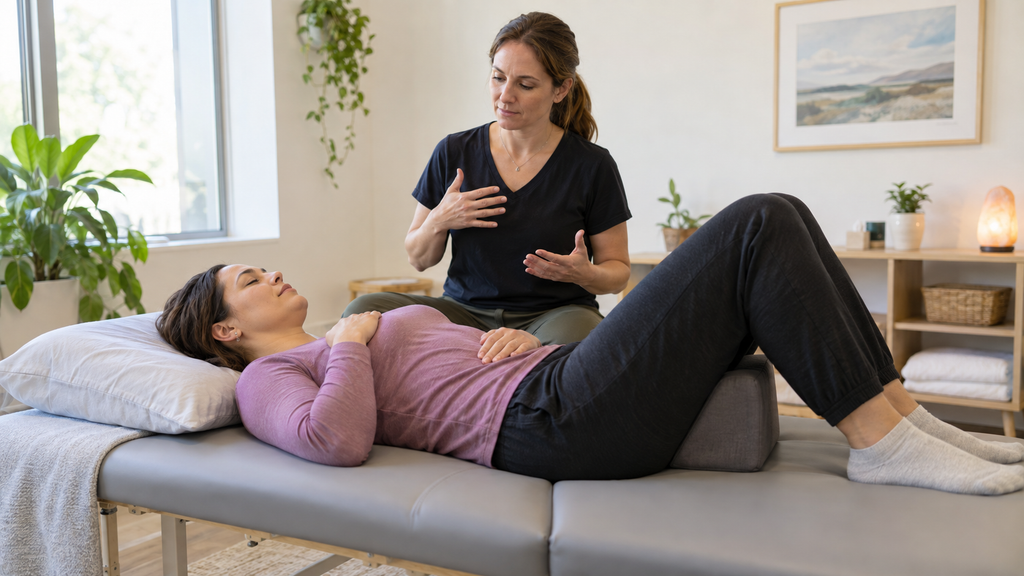
Kegel exercises are often recommended for bladder leakage, pelvic floor weakness, pregnancy recovery, and other pelvic health concerns. However, it’s important to know about the relationship between Kegels and pelvic pain, because Kegels are not the right starting point for everyone. If your pelvic floor muscles are already tight, overactive, painful, or unable to relax completely, repeatedly squeezing them may increase tension. This can make pelvic pain, urinary urgency, constipation, or pain with sexual activity worse.
That does not mean Kegels are bad. They can be helpful when pelvic floor weakness is part of the problem. The key is knowing whether your muscles need strengthening, relaxation, coordination training, or a combination of treatments. A pelvic health physical therapist can evaluate how your muscles are functioning and create a plan based on what your body actually needs.
What Is a Kegel Exercise?
A Kegel is a voluntary contraction of the pelvic floor muscles. These are the muscles you might use to prevent passing gas or stop the flow of urine. During a properly performed Kegel, the pelvic floor muscles gently squeeze and lift. They should then release and return to a relaxed position.
A complete Kegel involves two parts:
- Contracting the pelvic floor muscles.
- Fully relaxing the muscles afterward.
The relaxation phase is just as important as the contraction. If you repeatedly tighten the muscles without completely releasing them, tension may build over time. Kegels should not normally cause pain. Pain during or after these exercises may mean the muscles are being squeezed incorrectly, other muscles are taking over, or strengthening is not appropriate for you right now.
What Does the Pelvic Floor Do?
The pelvic floor is a group of muscles and connective tissues located at the bottom of the pelvis. These muscles form a supportive base for the bladder, bowel, and reproductive organs.
Your pelvic floor helps with:
- Bladder control
- Bowel control
- Supporting the pelvic organs
- Sexual function
- Core stability
- Managing pressure during lifting
- Supporting pregnancy and childbirth
- Coordinating urination and bowel movements
Healthy pelvic floor muscles need to do more than squeeze. They must be able to contract, relax, lengthen, and coordinate with your breathing and abdominal muscles.
A pelvic floor can be strong but still painful. It can also feel tight while being weak or easily fatigued.
Why Can Kegels Make Pelvic Pain Worse?
Kegels strengthen the pelvic floor by asking the muscles to contract. If the muscles are already holding too much tension, adding more contractions may increase the problem. Think about clenching your jaw for hours. The jaw muscles may feel tight, tired, sore, and difficult to relax. Performing repeated jaw contractions would not necessarily solve that pain. A similar pattern can happen in the pelvic floor. Muscles that remain partially contracted may become sensitive, painful, tired, and poorly coordinated.
More squeezing can sometimes lead to:
- Increased pelvic pressure
- Pelvic aching or cramping
- Pain with sitting
- Pain with intercourse
- Difficulty starting urination
- Urinary urgency or frequency
- Constipation
- Straining during bowel movements
- Pain after exercise
- Increased tailbone or lower-back pain
- Difficulty feeling the muscles release
People with an overactive or tight pelvic floor may need to improve relaxation and coordination before adding strengthening exercises.
What Is an Overactive Pelvic Floor?
An overactive pelvic floor means the muscles have difficulty relaxing or returning to their normal resting position. This is also called a hypertonic or nonrelaxing pelvic floor. The muscles may remain partially contracted throughout the day. In other cases, they may tighten in response to stress, pain, movement, bowel or bladder habits, sexual activity, or fear of symptoms. A hypertonic pelvic floor can interfere with urination, bowel movements, sexual function, sitting, exercise, and daily comfort.
Possible symptoms include:
- Pelvic pain or pressure
- Vaginal, rectal, penile, testicular, or perineal pain
- Pain with penetration
- Pain during or after intercourse
- Pain with tampon insertion
- Urinary urgency
- Frequent urination
- Difficulty beginning the urine stream
- Feeling unable to empty the bladder
- Constipation
- Painful bowel movements
- Straining
- Feeling unable to empty the bowel
- Tailbone pain
- Lower-back or hip pain
- Pain when sitting
- Pain with exercise
- Difficulty relaxing the pelvic floor
These symptoms can have many causes. A tight pelvic floor is only one possibility, so an evaluation is important.
How Can Pelvic Floor Muscles Be Tight and Weak?
Muscles that are constantly contracted are not necessarily strong. A tight muscle may have difficulty producing an effective contraction because it is already shortened. It may also fatigue quickly because it rarely gets a chance to rest.
The pelvic floor may therefore be:
- Tight and strong
- Tight and weak
- Weak and relaxed
- Painful and poorly coordinated
- Strong during one task but unable to relax during another
This is why treating every pelvic floor symptom with Kegels can be misleading. The same exercise will not address every type of pelvic floor dysfunction. Someone with bladder leakage may need strengthening. Another person with leakage may first need to improve breathing, pressure management, and muscle coordination. Someone with pelvic pain may need relaxation and mobility before any strengthening is introduced.
Signs Kegels May Not Be Right for You
Stop performing Kegels and consider a pelvic health evaluation if you notice:
- Pelvic pain during the exercise
- Increased pain afterward
- Pain with intercourse becoming worse
- Increased urinary urgency
- Difficulty starting urination
- More trouble emptying your bladder
- Increased constipation
- More straining with bowel movements
- Pelvic heaviness or pressure
- Increased tailbone pain
- Tightness that does not release
- Difficulty breathing during the exercise
- Clenching of your abdomen, buttocks, or thighs
- Symptoms that continue to worsen despite regular practice
These signs do not automatically mean that you have an overactive pelvic floor. They do suggest that your current exercise routine may need to be adjusted.
Why Do People Assume Every Pelvic Floor Needs Strengthening?
Kegels are widely known because they can help some people improve bladder control and pelvic floor strength. This has led to the idea that most pelvic health symptoms come from weak muscles. In reality, pelvic floor dysfunction may involve weakness, tension, poor timing, reduced endurance, sensitivity, or difficulty coordinating the muscles.
The symptoms can overlap. For example, urinary leakage is often associated with weakness, but tight or poorly coordinated muscles may also contribute. Similarly, pelvic pain does not always mean the muscles need to be stretched. Pain may involve the pelvic floor, hips, back, abdomen, nerves, scar tissue, pelvic organs, or another medical condition. The pelvic floor must be evaluated as part of the whole body.
Can Kegels Cause Pain With Intercourse?
If the pelvic floor muscles are already tight or sensitive, repeated Kegels may increase discomfort with penetration or sexual activity. The pelvic floor needs to lengthen and relax during penetration. Muscles that remain guarded or contracted may create pain at the vaginal opening or deeper in the pelvis.
People may experience:
- Burning
- Sharp pain
- Aching
- Pressure
- Muscle spasms
- Pain during penetration
- Pain after intercourse
- Difficulty with tampon insertion
- Fear or anticipation of pain
Pelvic floor tension is only one possible cause of painful intercourse. Hormonal changes, skin conditions, infection, endometriosis, scar tissue, and other medical concerns may also contribute. A pelvic health physical therapist can assess muscular and movement-related factors while working alongside your medical providers when needed.
Can Kegels Make Urinary Urgency Worse?
Urinary urgency is the sudden, strong feeling that you need to urinate. Many people assume urgency means their pelvic floor is weak and begin doing more Kegels. However, urgency may sometimes occur when pelvic floor muscles are tense, sensitive, or poorly coordinated. Repeated squeezing may increase awareness and tension around the bladder and pelvic floor.
Urinary symptoms connected to an overactive pelvic floor may include:
- Frequent trips to the bathroom
- Sudden urgency
- Difficulty starting the urine stream
- A stop-and-start urine stream
- Feeling unable to empty completely
- Pelvic discomfort during or after urination
A Kegel may occasionally be used as part of an urgency-control strategy, but that does not mean repeated strengthening is appropriate for everyone. Bladder symptoms should be evaluated to determine whether muscle weakness, tension, bladder habits, irritation, infection, or another condition is involved.
Can Kegels Make Constipation Worse?
The pelvic floor must relax and lengthen to allow a bowel movement. If the muscles tighten instead of relaxing, stool may be more difficult to pass. This can lead to straining, incomplete emptying, or pain. Repeated Kegels may make symptoms worse if a person already has difficulty releasing the pelvic floor.
Signs of poor pelvic floor relaxation during bowel movements may include:
- Straining
- Feeling blocked
- Incomplete emptying
- Pain during or after a bowel movement
- Needing to change positions repeatedly
- Using your fingers to assist emptying
- Spending a long time on the toilet
- Pelvic or rectal pressure
Pelvic floor physical therapy may focus on relaxation, breathing, toilet positioning, abdominal coordination, and biofeedback rather than strengthening alone.
Can Stress Make the Pelvic Floor Tight?
The pelvic floor can respond to stress in the same way that the jaw, shoulders, or abdomen may tighten. This does not mean pelvic pain is “all in your head.” Stress creates real physical responses throughout the nervous system and muscles.
When the body remains in a protective state, you may notice:
- Shallow breathing
- Abdominal gripping
- Buttock clenching
- Jaw tension
- Raised shoulders
- Pelvic floor tension
- Increased awareness of pain
Stress reduction is not a replacement for medical care or physical therapy. However, breathing, relaxation, sleep, movement, and nervous system regulation may be useful parts of a complete treatment plan.
Are You Doing Kegels Correctly?
Even when strengthening is appropriate, Kegels can be difficult to perform correctly.
Common mistakes include:
- Holding your breath
- Bearing down instead of lifting
- Squeezing the buttocks
- Tightening the inner thighs
- Gripping the abdomen
- Using maximum effort every time
- Performing too many repetitions
- Skipping the relaxation phase
- Practicing while urinating
- Continuing despite pain
A Kegel should feel like a gentle inward squeeze and lift. You should still be able to breathe. The muscles should fully release after each contraction. Regularly stopping your urine stream is not recommended as an exercise. It may be used once to help identify the muscles, but repeatedly interrupting urination can interfere with normal bladder emptying.
Should You Stop Kegels if They Hurt?
Yes. Kegels should not cause pelvic, abdominal, back, or genital pain. Stop the exercise if it increases your symptoms. Continuing to push through pain may increase muscle guarding and make it harder for the pelvic floor to relax.
This does not mean you can never perform Kegels again. You may need:
- A different exercise
- Fewer repetitions
- Less effort
- Longer relaxation between contractions
- A different body position
- Breathing and relaxation training first
- Guidance from a pelvic health physical therapist
Once the muscles can relax and coordinate more effectively, strengthening may be added if it is needed.
What Should You Do Instead of Kegels?
There is no single replacement exercise that is right for every person with pelvic pain.
Depending on your evaluation, treatment may focus on:
- Diaphragmatic breathing
- Pelvic floor awareness
- Gentle pelvic floor relaxation
- Hip mobility
- Abdominal relaxation
- Lower-back mobility
- Posture changes
- Bowel and bladder habits
- Pressure management
- Nervous system calming
- Gradual return to activity
- Pelvic floor biofeedback
- Hands-on treatment
Trying to force the pelvic floor to relax can sometimes create more tension. The goal is usually to develop awareness and allow the muscles to respond naturally to breathing and movement.
What Is a Reverse Kegel?
A reverse Kegel is a term sometimes used to describe gently allowing the pelvic floor to lengthen and relax. It should not involve forcefully pushing or bearing down. Straining can place additional pressure on the pelvic organs and may worsen some symptoms. During pelvic floor relaxation, a person may practice breathing into the lower ribs and abdomen while noticing the pelvic floor soften. The movement is usually subtle.
A pelvic health physical therapist can help you learn the difference between:
- Relaxing
- Lengthening
- Bearing down
- Contracting
- Holding your breath
This distinction can be difficult to recognize without guidance.
How Diaphragmatic Breathing May Help
The diaphragm and pelvic floor normally move together during breathing. As you inhale, the diaphragm lowers and the pelvic floor can gently lengthen. As you exhale, both structures return upward. When someone holds their breath, breathes only into the upper chest, or constantly tightens the abdomen, this natural coordination may change.
Diaphragmatic breathing may help improve awareness and reduce unnecessary muscle tension. It is often used as one part of pelvic floor rehabilitation, but it should not be treated as a cure for every type of pelvic pain.
How Pelvic Floor Biofeedback Can Help
Pelvic floor biofeedback provides information about how the muscles contract and relax.
Small sensors can measure muscle activity and display feedback on a screen. This may help someone learn whether they are:
- Contracting the correct muscles
- Relaxing completely
- Holding unnecessary tension
- Bearing down
- Improving muscle coordination
- Using too much effort
Biofeedback may be helpful for people who have difficulty feeling what their pelvic floor is doing. It can be used for strengthening or relaxation, depending on the person’s needs. At Reform Physical Therapy, pelvic floor biofeedback is available through the pelvic health program at the South Portland clinic.
What Happens During a Pelvic Floor Physical Therapy Evaluation?
Your first appointment begins with a conversation about your symptoms, medical history, and goals.
Your physical therapist may ask about:
- Pelvic pain
- Bladder habits
- Bowel habits
- Pregnancy and birth history
- Surgeries
- Sexual symptoms
- Exercise
- Sitting tolerance
- Hip or back pain
- Activities that improve or worsen symptoms
The physical examination may include posture, breathing, hip movement, back mobility, abdominal function, strength, and movement patterns. An internal pelvic floor assessment may be offered when appropriate, but it should only occur with your clear consent. You can ask questions, decline any part of the examination, or stop at any time. Your care should feel private, respectful, and centered around your comfort.
How Pelvic Health Physical Therapy Can Help
Pelvic health physical therapy can help determine whether the pelvic floor is weak, overactive, painful, poorly coordinated, or experiencing more than one issue.
Treatment may include:
- Pelvic floor relaxation
- Pelvic floor strengthening when appropriate
- Breathing exercises
- Hip and core exercises
- Mobility work
- Hands-on treatment
- Biofeedback
- Bladder retraining
- Bowel habit education
- Toilet positioning
- Scar mobility
- Posture and movement training
- A gradual return to exercise
- Education about symptom management
Pelvic floor therapy may involve strengthening or relaxation depending on the condition. It is not simply a program of Kegels.
When Pelvic Pain Needs Medical Attention
Pelvic pain should not automatically be assumed to come from tight muscles.
Contact a medical provider if you experience:
- New or unexplained pelvic pain
- Pain that continues to worsen
- Unusual vaginal or penile discharge
- Blood in the urine or stool
- Unusual vaginal bleeding
- Fever or chills
- Difficulty urinating
- Severe abdominal pain
- New genital swelling
- Unexplained weight loss
- Pain that regularly wakes you at night
- New pain during pregnancy
Seek urgent medical attention for sudden, severe pelvic or abdominal pain, severe bleeding, fainting, or sudden testicular pain. A pelvic health physical therapist can address muscle and movement factors, but medical conditions may require care from a gynecologist, urologist, urogynecologist, gastroenterologist, or another provider.
Pelvic Health Physical Therapy in South Portland, Maine
If Kegels are making your pelvic pain worse, you do not need to keep pushing through them. At Reform Physical Therapy, pelvic health physical therapy is available exclusively at our South Portland clinic. We provide private, personalized, one-on-one care for women and men experiencing pelvic pain, bladder concerns, bowel dysfunction, pain with sexual activity, and difficulty relaxing or coordinating the pelvic floor. Your treatment plan will be based on your symptoms, comfort, muscle function, and personal goals. It may include breathing techniques, pelvic floor relaxation, mobility exercises, hands-on care, biofeedback, or strengthening when appropriate.
Learn more about pelvic health physical therapy or contact Reform Physical Therapy to schedule a pelvic health evaluation at our South Portland clinic.
RELATED PAGES:
- Pelvic Health Physical Therapy
- Pelvic Pain Physical Therapy
- Pain With Intercourse or Sexual Activity
- Bowel Dysfunction Physical Therapy
- Pelvic Floor Biofeedback
- South Portland Clinic
- Contact Reform Physical Therapy