

Head, Jaw & Upper Body
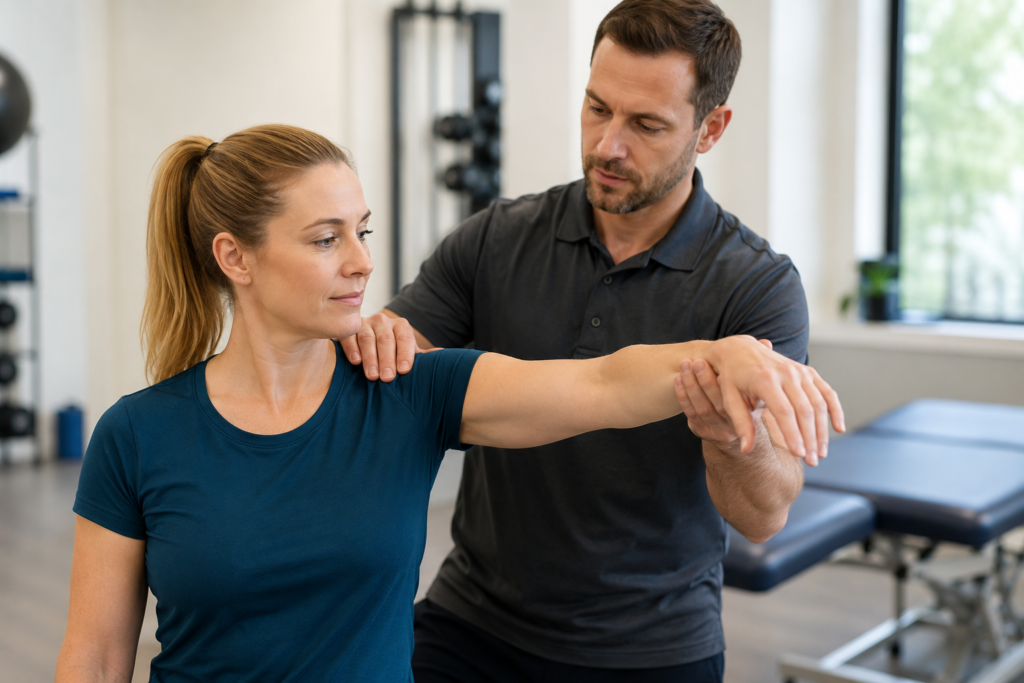
Pain in the head, jaw, neck, shoulder, elbow, wrist, or hand can affect almost every part of daily life. It may make it harder to eat, speak, sleep, work, drive, lift, type, exercise, or care for your family. Even a small movement can become frustrating when pain keeps returning. Upper body physical therapy can be an important part of recovery for upper-body symptoms that may begin after an injury, fall, car crash, sports activity, surgery, or long hours at work. In other cases, pain develops slowly because of repeated movement, tight muscles, joint stiffness, weakness, poor movement habits, or pressure on a nerve.
At Reform Physical Therapy, we provide one-on-one care for head, jaw, neck, shoulder, elbow, wrist, and hand conditions. Your therapist will look at the area that hurts, but they will also check nearby joints and muscles that may be adding to the problem. Treatment may include hands-on care, stretching, strengthening, posture training, movement changes, and a home exercise plan. The goal is to reduce pain, improve movement, and help you return to the activities that matter to you.
How the Head, Neck, and Upper Body Work Together
The jaw, neck, shoulders, arms, wrists, and hands are closely connected. A problem in one area may place extra stress on another. For example, neck stiffness may add to headaches or jaw pain. Weak shoulder muscles may cause the forearm and elbow to work harder. Poor wrist position may increase pressure on a nerve that travels into the hand.
During your evaluation, your physical therapist may check:
- Jaw movement
- Neck motion
- Shoulder motion
- Elbow and wrist movement
- Grip strength
- Arm and shoulder strength
- Posture
- Muscle tightness
- Joint stiffness
- Nerve symptoms
- Repeated work or sports movements
- Activities that increase or reduce pain
The goal is to find the movement problems that may be adding to your symptoms. Your treatment plan will then focus on the areas that need the most help.
Conditions We Treat
TMJ Dysfunction
The temporomandibular joint, often called the TMJ, connects the jawbone to the skull. You use this joint when you talk, chew, yawn, swallow, and open or close your mouth. TMJ dysfunction can cause pain in the jaw, face, ear area, head, or neck. Some people notice clicking, popping, or grinding. Others may have trouble opening their mouth fully or feel that the jaw is locking.
TMJ symptoms may begin after dental work, a blow to the face, a car accident, stress, teeth grinding, or long periods of jaw tension. Neck stiffness and posture may also affect how the jaw moves. Physical therapists may evaluate the jaw, neck, head, and nearby muscles when treating TMJ disorders.
Common signs may include:
- Jaw pain
- Clicking or popping
- Pain while chewing
- Trouble opening the mouth
- Jaw locking
- Headaches
- Ear-area pain
- Facial pain
- Neck stiffness
- Pain when yawning
- Tightness in the jaw muscles
- Teeth grinding or clenching
Physical therapy may help improve jaw motion, reduce muscle tightness, and address neck or posture problems that may be adding to the pain.
Treatment may include:
- Gentle jaw exercises
- Neck mobility
- Posture training
- Hands-on muscle work
- Joint movement
- Breathing and relaxation
- Education about jaw habits
- Changes to chewing or sleeping positions
- A home exercise plan
Your therapist may also work with your dentist, oral surgeon, or other medical provider when needed.
Headaches
Headaches can have many causes. Some are linked to tight muscles, neck stiffness, posture, stress, poor sleep, or repeated strain. Others may be related to migraine, illness, medication, vision problems, or another medical condition. A physical therapist may help when headaches are linked to the neck, upper back, jaw, or muscle tension. Headaches that begin in the neck are often called cervicogenic headaches.
These headaches may start near the base of the skull and move into the forehead, temple, eye area, or side of the head. They may get worse after sitting, working on a computer, driving, or holding the head in one position.
Signs may include:
- Pain at the base of the skull
- Pain on one side of the head
- Neck stiffness
- Shoulder tension
- Pain behind the eye
- Headaches after long periods of sitting
- Pain that changes with neck movement
- Tender muscles near the neck or shoulders
Physical therapy may include hands-on care, posture training, neck movement, strengthening, and changes to work or sleep habits. Physical therapy is sometimes included in a broader treatment plan for certain headache types.
Treatment may focus on:
- Neck and upper-back motion
- Shoulder strength
- Posture
- Muscle tension
- Workstation changes
- Sleeping position
- Jaw tension
- Gentle exercise
- Stress-related muscle guarding
Headaches should be checked by a medical provider when they are new, severe, or different from your usual pattern.
Migraines
Migraine is a health condition that can cause strong headaches and other symptoms. A migraine may include nausea, light or sound sensitivity, vision changes, dizziness, or pain on one or both sides of the head. Physical therapy does not cure migraine. However, it may help manage neck pain, muscle tension, balance problems, dizziness, posture, or movement limits that occur along with migraine.
Some patients with migraine also have tight neck muscles or pain that gets worse during long periods of sitting. Others may avoid movement because they fear another attack. A physical therapist can help create a gentle movement plan based on the patient’s symptoms.
Care may include:
- Neck mobility
- Upper-back mobility
- Posture training
- Gentle strengthening
- Relaxation exercises
- Breathing
- Balance or dizziness treatment
- Activity planning
- A home exercise routine
Migraine should be diagnosed and managed by a medical provider. Keeping a headache journal may also help track patterns and triggers.
Whiplash
Whiplash often happens when the head moves quickly forward and backward. It is common after a rear-end car crash, but it can also happen during sports, falls, or other sudden impacts. The quick movement may strain the muscles, joints, and soft tissues of the neck. Symptoms may begin right away or appear several hours later.
Common signs may include:
- Neck pain
- Neck stiffness
- Headaches
- Shoulder pain
- Upper-back pain
- Dizziness
- Trouble turning the head
- Muscle tightness
- Arm pain
- Numbness or tingling
- Trouble sleeping
- Pain while driving
Physical therapy may help restore neck movement, reduce muscle guarding, and rebuild strength. Treatment is based on the patient’s symptoms and the severity of the injury.
Care may include:
- Gentle neck motion
- Shoulder and upper-back exercises
- Posture training
- Hands-on treatment
- Balance exercises
- Gradual return to activity
- Driving and work-position changes
- A home exercise plan
Patients with severe pain, weakness, numbness, confusion, vision changes, or symptoms after a major crash should receive a medical check before starting treatment.
Frozen Shoulder
Frozen shoulder causes pain and a major loss of shoulder movement. It is also called adhesive capsulitis. The shoulder often becomes painful first. Over time, it may become harder to reach overhead, behind the back, or across the body. Dressing, washing hair, reaching into a cabinet, or sleeping on the painful side may become difficult. Frozen shoulder often develops in stages. The painful and stiff stages can last for months. Recovery may take time, but movement often improves with the right plan.
Symptoms may include:
- Shoulder pain
- Severe stiffness
- Trouble lifting the arm
- Trouble reaching behind the back
- Pain while sleeping
- Difficulty dressing
- Trouble reaching into cabinets
- Loss of shoulder motion
- Pain during simple daily tasks
Physical therapy may help maintain or improve movement, reduce pain, and rebuild strength as the shoulder becomes less stiff. AAOS notes that gentle shoulder movement is often used as part of treatment and recovery.
Treatment may include:
- Gentle stretching
- Shoulder joint movement
- Hands-on care
- Posture work
- Shoulder blade exercises
- Gradual strengthening
- Home exercises
- Changes to painful daily tasks
Stretching should match the stage of the condition. Forcing the shoulder too hard may increase pain.
Tennis Elbow
Tennis elbow causes pain on the outside of the elbow. It is also called lateral epicondylitis. Despite the name, you do not need to play tennis to develop it. The condition may begin after repeated gripping, lifting, typing, using tools, carrying, painting, or sports. Pain often gets worse when the wrist and hand are used. A person may feel pain while opening a jar, shaking hands, lifting a mug, turning a doorknob, or carrying a bag.
Common signs may include:
- Pain on the outside of the elbow
- Weak grip
- Pain with lifting
- Pain while gripping
- Forearm tightness
- Pain while typing
- Pain while using tools
- Trouble carrying objects
- Pain during racket sports
Physical therapy may help reduce pain, improve forearm strength, and lower stress on the elbow. Treatment may also address shoulder and upper-back weakness because these areas help support arm movement.
Treatment may include:
- Forearm stretching
- Wrist and grip strengthening
- Shoulder strengthening
- Hands-on care
- Activity changes
- Lifting education
- Workstation changes
- Gradual return to sports
- A home exercise plan
Rest alone may not fix the problem if the same movement pattern continues.
Golfer’s Elbow
Golfer’s elbow causes pain on the inside of the elbow. It is also called medial epicondylitis. The condition often develops from repeated gripping, wrist bending, lifting, throwing, or swinging. Golfers may develop it, but it is also common in workers, weightlifters, baseball players, and people who use hand tools.
Symptoms may include:
- Pain on the inside of the elbow
- Forearm pain
- Weak grip
- Pain with lifting
- Pain while swinging a club
- Pain while throwing
- Pain with wrist movement
- Tenderness near the inner elbow
Physical therapy may focus on reducing strain and rebuilding the muscles that support the wrist, elbow, and shoulder.
Treatment may include:
- Forearm stretching
- Wrist strengthening
- Grip training
- Shoulder and upper-back exercises
- Hands-on care
- Swing or throwing changes
- Work and lifting changes
- A gradual return to activity
The goal is to improve the arm’s ability to handle repeated force without bringing the pain back.
Carpal Tunnel Syndrome
Carpal tunnel syndrome happens when the median nerve becomes squeezed as it passes through a small space in the wrist. This nerve helps control feeling and movement in parts of the hand. Symptoms often begin slowly and may be worse at night. Some people wake up with numbness or feel the need to shake the hand.
Common signs may include:
- Numbness
- Tingling
- Hand pain
- Wrist pain
- Weak grip
- Dropping objects
- Nighttime symptoms
- Burning in the hand
- Pain that travels into the forearm
- Trouble with small hand tasks
Carpal tunnel syndrome often affects the thumb, index finger, middle finger, and part of the ring finger. Symptoms may become worse during repeated hand use or when the wrist stays bent for long periods. Physical therapy may help reduce strain, improve wrist position, and address weakness or stiffness in the arm.
Treatment may include:
- Wrist and hand exercises
- Nerve movement exercises
- Grip training
- Posture changes
- Workstation changes
- Activity changes
- Education about wrist position
- Shoulder and neck exercises
- Brace guidance when ordered
Severe or lasting symptoms may need further medical care. Weakness that is getting worse should not be ignored.
Wrist Pain
Wrist pain may begin after a fall, sports injury, repeated work, lifting, typing, or long periods of poor wrist position. The wrist contains many small bones, joints, tendons, and ligaments. Because the area is complex, the location and cause of pain can vary.
Wrist pain may come from:
- A sprain
- Tendon irritation
- A fracture
- Arthritis
- Nerve pressure
- Repeated movement
- Weakness
- Joint stiffness
- A hand or forearm injury
Symptoms may include:
- Pain with gripping
- Pain with pushing
- Pain while typing
- Swelling
- Weakness
- Stiffness
- Clicking
- Loss of motion
- Pain during sports
- Trouble carrying objects
Physical therapy may help restore movement, strength, and hand use after the cause has been identified.
Treatment may include:
- Wrist mobility
- Forearm strengthening
- Grip exercises
- Hands-on care
- Nerve exercises
- Brace or support education
- Workstation changes
- Return-to-work or sports training
A wrist injury after a fall may need an X-ray or other medical exam to rule out a fracture.
Hand Injuries
Hand injuries can affect grip, finger movement, strength, and the ability to complete small tasks. Even a minor injury may make work, cooking, writing, dressing, or driving more difficult. Hand injuries may involve bones, joints, tendons, ligaments, nerves, or muscles.
Common causes include:
- Falls
- Sports
- Cuts
- Crush injuries
- Repeated gripping
- Tool use
- Lifting
- Work injuries
- Finger or thumb sprains
- Surgery
Symptoms may include:
- Pain
- Swelling
- Weakness
- Stiff fingers
- Numbness
- Tingling
- Reduced grip
- Trouble pinching
- Trouble opening jars
- Trouble holding small objects
- Pain with writing or typing
Physical therapy may help improve motion, strength, grip, and hand use after injury or surgery. The plan depends on which tissue was injured and whether the patient has any movement limits.
Treatment may include:
- Finger and wrist movement
- Grip and pinch exercises
- Scar care
- Swelling control
- Nerve movement
- Joint protection
- Work-task practice
- Return-to-sport training
- A home exercise plan
Some hand injuries need fast medical care. Deep cuts, major swelling, severe pain, loss of feeling, finger color changes, or a visible deformity should be checked right away.
How Physical Therapy May Help
Physical therapy for head, jaw, and upper-body conditions is based on the cause of the symptoms and how they affect daily life.
Treatment may help:
- Reduce pain
- Improve jaw movement
- Improve neck and shoulder motion
- Increase arm and grip strength
- Reduce muscle tightness
- Improve posture
- Reduce strain during work
- Improve wrist and hand use
- Return to sports
- Sleep more comfortably
- Improve lifting and carrying
- Lower the risk of repeated pain
The therapist will adjust the plan as symptoms improve. Early treatment may be gentle, while later visits may include more strength and harder daily tasks.
Treatment Methods
Hands-On Treatment
Hands-on care may be used to address tight muscles, stiff joints, or limited movement. The therapist may work on the jaw, neck, shoulder, elbow, wrist, or hand.
Stretching and Mobility
Stretching can help improve motion in the jaw, neck, shoulders, arms, wrists, and hands. The exercises should be gentle and match the condition.
Strengthening
Strength work may focus on the neck, upper back, shoulders, arms, forearms, wrists, grip, and hand muscles.
Posture Training
Posture training helps reduce long periods of strain. The goal is not to sit perfectly all day. It is to change positions often and avoid staying in painful positions too long.
Workstation Changes
Small changes to a desk, chair, screen, keyboard, or mouse may reduce stress on the neck, shoulders, wrists, and hands.
Nerve Movement Exercises
Nerve exercises may help a nerve move more freely through nearby tissue. These exercises should be gentle and should not cause strong numbness or pain.
Activity Changes
Your therapist may help you change how you lift, carry, type, swing, throw, sleep, or complete repeated tasks.
Home Exercise Program
A home plan helps you continue making progress between visits. It may include stretching, strengthening, posture work, or simple movement changes.
What to Expect at Your First Appointment
Your first visit will begin with a conversation about your pain, health history, work, sports, and daily activities.
Your therapist may ask:
- When did the pain begin?
- Was there an injury?
- Which movements cause pain?
- Do you have numbness or tingling?
- Does the pain affect sleep?
- Do you have headaches or jaw pain?
- What type of work do you do?
- Which hobbies or sports are affected?
- Have you had surgery or dental work?
- What would you like to return to?
The physical exam may include:
- Jaw movement
- Neck motion
- Shoulder motion
- Elbow and wrist motion
- Grip strength
- Arm strength
- Posture
- Muscle tightness
- Nerve checks
- Work or sports movements
Your therapist will explain what may be adding to the problem and create a personal care plan. At Reform Physical Therapy, appointments are one-on-one without aides or double-booked visits. This gives your therapist time to watch your movement, answer questions, and adjust treatment.
When to Seek Medical Care
Most upper-body pain can be checked during a planned appointment. Some symptoms need faster care.
Seek urgent medical help for:
- A sudden, severe headache
- A headache after a serious head injury
- Facial drooping
- Trouble speaking
- Sudden arm weakness
- Chest pain
- Trouble breathing
- Sudden vision loss
- Loss of feeling after an injury
- A cold, pale, or blue hand
- A visible broken bone or joint deformity
- Severe swelling after a fall
- A deep cut
- A finger or hand that cannot move
- Jaw pain with chest pain or shortness of breath
Contact a medical provider for headaches that are new, getting worse, or different from your usual headaches.
One-on-One Upper-Body Physical Therapy in Maine
Reform Physical Therapy provides care for head, jaw, neck, shoulder, elbow, wrist, and hand conditions at our Maine clinics in Topsham, Brunswick, Freeport, Yarmouth, South Portland, Kennebunk, and Eliot.
We help patients who want to:
- Eat and speak with less jaw pain
- Reduce headaches
- Turn the head more easily
- Return to work after whiplash
- Reach overhead
- Sleep with less shoulder pain
- Grip and lift without elbow pain
- Use a keyboard or mouse more comfortably
- Return to golf, tennis, or throwing
- Improve wrist and hand strength
- Return to daily tasks after an injury
Schedule a Physical Therapy Evaluation
Pain in the jaw, head, neck, shoulder, elbow, wrist, or hand can make everyday tasks harder than they should be. A physical therapy evaluation can help identify movement limits, weakness, stiffness, or strain that may be adding to the problem.