


Pelvic Health Physical Therapy
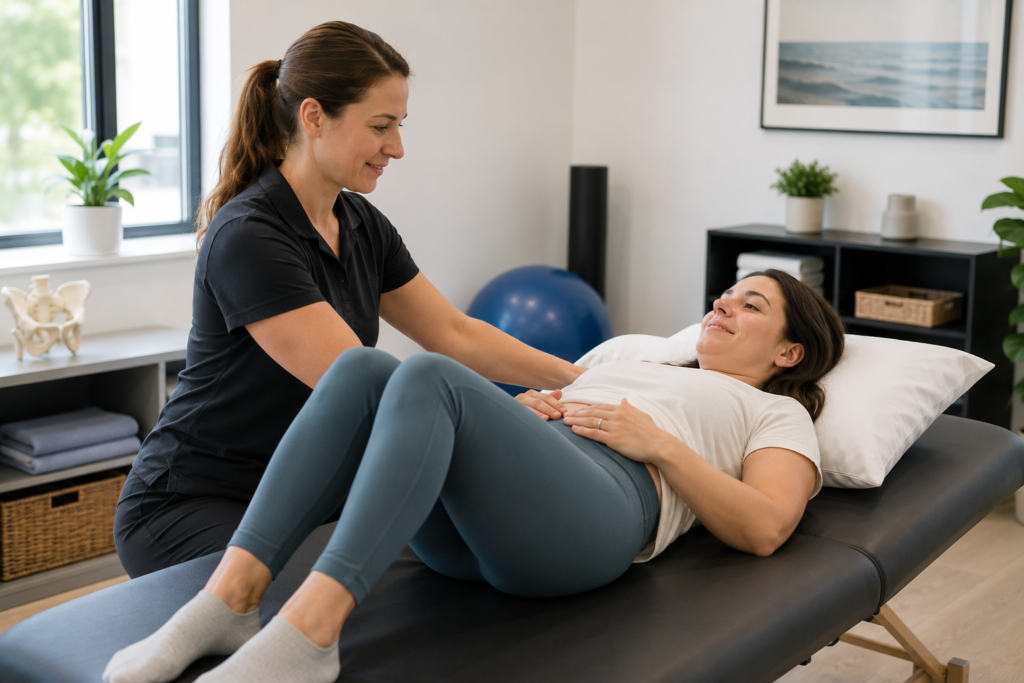
Pelvic health concerns can affect people of all genders and may interfere with comfort, confidence, exercise, intimacy, bladder and bowel habits, pregnancy, postpartum recovery, and everyday movement. Although pelvic floor conditions are common, many people delay seeking care because they feel embarrassed, assume their symptoms are normal, or do not realize that pelvic health physical therapy may help.
Symptoms such as urinary leakage, urinary urgency, constipation, pelvic pressure, genital pain, difficulty emptying the bladder or bowel, and pain with intercourse or sexual activity should not automatically be accepted as something you have to live with. Pelvic health physical therapy provides individualized, conservative care designed to improve how the pelvic floor, abdominal muscles, hips, spine, bladder, bowel, and breathing system work together.
At Reform Physical Therapy, our South Portland clinic provides private, one-on-one pelvic health physical therapy for women and men. We treat pregnancy and postpartum concerns, pelvic pain, urinary and bowel dysfunction, pelvic organ prolapse, painful intercourse, symptoms following prostate treatment, genital pain, constipation, and other pelvic floor conditions. Every evaluation and treatment plan is based on the patient’s symptoms, medical history, comfort level, lifestyle, and personal goals.
What Is the Pelvic Floor?
The pelvic floor is a group of muscles and connective tissues located at the bottom of the pelvis. Everyone has a pelvic floor. These muscles support the bladder and bowel. In women, they also help support the uterus and vagina. In men, the pelvic floor supports the bladder, bowel, and prostate region and contributes to urinary control, bowel control, sexual function, and recovery following certain prostate procedures. The pelvic floor also works with the diaphragm, abdominal muscles, hips, and back to stabilize the body and manage pressure during movement.
The pelvic floor must be able to do more than tighten. It also needs to relax, lengthen, coordinate with breathing, and respond appropriately during:
- Urination
- Bowel movements
- Sexual activity
- Lifting and carrying
- Coughing and sneezing
- Walking and running
- Exercise
- Pregnancy and childbirth
- Recovery from abdominal or pelvic surgery
- Recovery after prostate treatment
Pelvic health symptoms can develop when these muscles are weak, overactive, painful, poorly coordinated, or unable to relax completely. Pelvic floor strengthening may help some patients, but it is not the correct starting point for everyone. A patient with pelvic pain, constipation, difficulty urinating, or an overactive pelvic floor may need relaxation and coordination exercises rather than additional strengthening.
A pelvic health physical therapist can determine whether the muscles need improved strength, endurance, relaxation, mobility, or coordination.
Who Can Benefit From Pelvic Health Physical Therapy?
Pelvic floor dysfunction can affect people at many different stages of life. Symptoms may develop following pregnancy, childbirth, prostate treatment, pelvic or abdominal surgery, injury, chronic constipation, repetitive straining, hormonal changes, or changes in muscle coordination.
Pelvic health physical therapy may help patients experiencing:
- Urinary leakage
- Urinary urgency or frequency
- Difficulty starting urination
- Difficulty emptying the bladder
- Constipation or straining
- Bowel leakage
- Difficulty controlling gas
- Pelvic, genital, rectal, or perineal pain
- Pain with intercourse
- Pain during or after ejaculation
- Pelvic pressure or heaviness
- Pregnancy-related pain
- Postpartum weakness or discomfort
- Abdominal weakness or diastasis recti
- Symptoms following prostate surgery
- Pelvic floor dysfunction after abdominal surgery
- Pain with prolonged sitting
- Difficulty relaxing the pelvic floor
- Difficulty returning to exercise
Some patients need strengthening, while others need relaxation, mobility, bladder or bowel training, scar treatment, improved breathing, or pressure-management strategies. Treatment is selected based on how the pelvic floor is functioning rather than symptoms alone.
Pelvic Health Conditions We Treat
Pregnancy Pain
Pregnancy creates significant physical changes throughout the body. As the baby grows, posture, balance, breathing mechanics, abdominal pressure, joint mobility, and the demands placed on the pelvic floor may change. Hormonal changes can also affect the ligaments and joints that support the pelvis. These changes may contribute to pain even during an otherwise healthy pregnancy.
Common pregnancy-related symptoms include:
- Lower-back pain
- Pelvic girdle pain
- Pubic bone pain
- Sacroiliac joint pain
- Hip pain
- Tailbone pain
- Rib discomfort
- Sciatic-type symptoms
- Pelvic pressure
- Urinary leakage
- Abdominal weakness
- Difficulty walking
- Pain when rolling in bed
- Discomfort getting into or out of a vehicle
- Pain with stairs
- Difficulty exercising comfortably
Pelvic health physical therapy during pregnancy may help improve strength, movement, breathing, stability, and tolerance for daily activities.
Treatment may include:
- Gentle strengthening
- Hip and spinal mobility
- Pelvic stability exercises
- Posture and movement education
- Supportive positioning
- Breathing and pressure management
- Pelvic floor coordination
- Strategies for rolling, lifting, and transferring
- Exercise modifications
- Preparation for postpartum recovery
Treatment is adjusted according to the stage of pregnancy, symptoms, medical history, and recommendations from the patient’s prenatal provider.
Pregnancy and Birth Preparation
Pelvic health physical therapy may help patients prepare for labor, vaginal delivery, cesarean delivery, and early postpartum recovery. Preparation does not guarantee a specific birth experience. However, education may help patients understand pelvic floor relaxation, breathing, positioning, pressure management, and early postpartum movement.
Birth-preparation treatment may include:
- Pelvic floor awareness
- Pelvic floor relaxation and lengthening
- Breathing strategies
- Labor-position education
- Hip and pelvic mobility
- Core and pelvic coordination
- Pushing-mechanics education
- Perineal preparation when appropriate
- Early postpartum movement planning
- Discussion of vaginal and cesarean recovery
Care is individualized according to the patient’s birth plan, comfort, medical history, and provider recommendations.
Postpartum Recovery
The postpartum period begins after childbirth, but recovery does not follow one exact timeline. Some symptoms improve within weeks, while others may continue for months or become more noticeable when activity increases. Postpartum physical therapy can support recovery following both vaginal and cesarean delivery. It may be helpful even months or years after giving birth.
Postpartum concerns may include:
- Pelvic or vaginal pain
- Cesarean scar discomfort
- Perineal tearing or scar sensitivity
- Urinary leakage
- Urinary urgency
- Constipation
- Bowel leakage
- Pelvic pressure
- Pain with intercourse
- Diastasis recti
- Abdominal weakness
- Lower-back or hip pain
- Difficulty lifting or carrying a baby
- Difficulty returning to exercise
- A feeling of instability through the core
- Pain during feeding or caregiving positions
Pelvic health physical therapy may include:
- Pelvic floor assessment
- Pelvic floor strengthening or relaxation
- Abdominal rehabilitation
- Scar mobility
- Breathing and pressure management
- Hip and back strengthening
- Lifting and carrying mechanics
- Return-to-running preparation
- Gradual return to exercise
- Education for managing daily physical demands
Recovery after birth is not limited to the first six weeks. Patients may seek care whenever symptoms affect comfort, activity, or quality of life.
Recovery After Vaginal Birth
Vaginal delivery may affect the pelvic floor muscles, connective tissues, nerves, perineum, and abdominal wall. The amount of recovery needed varies based on the length of labor, tearing, assisted delivery, number of pregnancies, and other individual factors.
Symptoms following vaginal birth may include:
- Perineal pain
- Scar sensitivity
- Pelvic heaviness
- Urinary leakage
- Bowel urgency
- Pain with intercourse
- Pelvic floor weakness
- Difficulty relaxing the pelvic floor
- Reduced sensation
- Difficulty returning to impact exercise
Treatment may help restore muscle coordination, improve scar mobility, rebuild strength, and support a gradual return to daily and recreational activities.
Recovery After Cesarean Section
A cesarean section is a major abdominal surgery. Although the baby does not pass through the vaginal canal, pregnancy still places substantial demand on the pelvic floor and abdominal muscles. Recovery may involve the abdominal wall, scar tissue, posture, breathing, trunk strength, hips, back, and pelvic floor.
Cesarean recovery may include:
- Scar mobility
- Scar desensitization
- Abdominal coordination
- Breathing exercises
- Core rehabilitation
- Posture and lifting strategies
- Hip and back strengthening
- Pelvic floor assessment
- Gradual return to exercise
Patients should receive appropriate medical clearance before beginning direct scar treatment or more advanced postpartum exercise.
Men’s Pelvic Health
Men may experience pelvic floor dysfunction because of muscle tension, weakness, poor coordination, prostate conditions, surgery, bowel dysfunction, injury, or chronic pain. Men’s pelvic health symptoms can be difficult to discuss, and some patients spend months or years seeking answers before learning that the pelvic floor may be involved.
Reform provides private, respectful care focused on the patient’s comfort and goals.
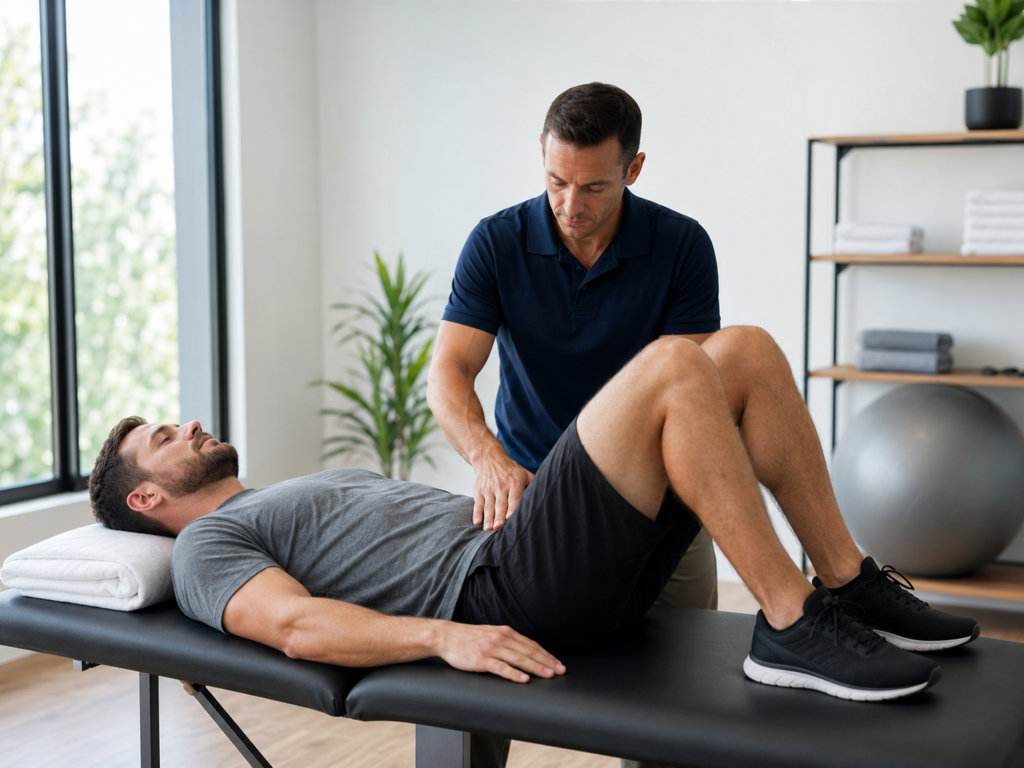
Men may benefit from pelvic health physical therapy for:
- Urinary leakage
- Urinary urgency or frequency
- Difficulty starting urination
- A weak or interrupted urine stream
- Difficulty fully emptying the bladder
- Bladder leaks after prostate surgery
- Pelvic pain
- Groin pain
- Testicular pain
- Penile pain
- Perineal pain
- Rectal pain
- Pain with sitting
- Pain during or after orgasm
- Pain with intercourse
- Constipation
- Bowel leakage
- Difficulty relaxing the pelvic floor
- Lower-abdominal or pelvic muscle tension
- Recovery after pelvic or stomach surgery
Treatment may focus on pelvic floor strength, relaxation, bladder control, bowel habits, breathing, abdominal coordination, scar mobility, and returning to exercise or daily activity.
Pelvic Floor Rehabilitation After Prostate Surgery
Bladder leaks are common after prostate surgery. The pelvic floor muscles help control urine and may need to be trained before or after surgery. Pelvic health physical therapy may begin before surgery. This can help the patient learn how to find and use the correct muscles. After surgery and approval from the doctor, treatment may focus on improving muscle control, strength, and bladder control.
Treatment may include:
- Pelvic floor muscle training
- Correct contraction and relaxation
- Biofeedback
- Breathing and pressure management
- Bladder-control strategies
- Core and hip strengthening
- Gradual return to exercise
- Tips for managing leaks during daily activities
Patients should follow all postoperative restrictions and instructions provided by their surgeon.
Male Pelvic Pain
Male pelvic pain may be felt in the lower abdomen, groin, penis, testicles, perineum, rectum, tailbone, hips, or lower back. Symptoms may be constant or may occur with sitting, exercise, urination, bowel movements, sexual activity, or ejaculation.
Possible symptoms include:
- Deep pelvic aching
- Burning or pressure
- Perineal discomfort
- Testicular or groin pain
- Rectal pain
- Pain at the base or tip of the penis
- Pain with sitting
- Pain during or after ejaculation
- Urinary urgency or frequency
- Difficulty relaxing during urination
- Constipation
- Lower-back or hip discomfort
These symptoms may be associated with pelvic floor muscle tension, nerve sensitivity, previous surgery, injury, bowel dysfunction, or chronic pelvic pain syndrome. Physical therapy does not diagnose infection, prostate disease, or other medical conditions. Patients with new pelvic or genital symptoms should receive appropriate medical evaluation. When the pelvic floor muscles and surrounding tissues contribute to symptoms, physical therapy may include relaxation, breathing, mobility, manual therapy, muscle coordination, and strategies for reducing pressure and guarding.
Chronic Pelvic Pain Syndrome and Prostatitis-Like Symptoms
Some men experience pelvic pain, urinary symptoms, or discomfort that resembles prostatitis even when an active bacterial infection is not found.
Symptoms may include:
- Pelvic or perineal pain
- Urinary urgency or frequency
- Difficulty urinating
- Pain after urination
- Pain with ejaculation
- Rectal pressure
- Lower-abdominal discomfort
- Pain with prolonged sitting
- Muscle tension through the hips or pelvis
Pelvic floor muscle tension and difficulty relaxing may contribute to these symptoms in some patients. Physical therapy may help address muscle guarding, breathing, mobility, bladder habits, and nervous-system sensitivity. Pelvic health physical therapy does not replace medical evaluation for infection, prostate disease, or urinary obstruction.
Pelvic Pain
Pelvic pain may be felt in the lower abdomen, pelvis, hips, groin, vagina, vulva, penis, testicles, rectum, tailbone, or lower back. Symptoms may be constant or may occur during certain movements, bathroom activities, exercise, sitting, or sexual activity.
Pelvic pain can be influenced by:
- Overactive pelvic floor muscles
- Scar tissue
- Nerve sensitivity
- Previous injuries
- Endometriosis
- Bladder conditions
- Bowel dysfunction
- Pregnancy or childbirth
- Prostate treatment
- Abdominal or pelvic surgery
- Difficulty coordinating the pelvic floor
Symptoms may include:
- Deep pelvic aching
- Burning
- Pressure
- Sharp or stabbing pain
- Pain with sitting
- Pain during exercise
- Pain with bowel movements
- Pain with urination
- Pain with sexual activity
- Tailbone pain
- Lower-abdominal discomfort
- Pain that changes during the menstrual cycle
Physical therapy treatment may focus on improving muscle relaxation, mobility, breathing, coordination, and tolerance for movement. Pelvic pain is not always caused by weakness. In many cases, the pelvic floor may be too tense, sensitive, or unable to relax.
Pelvic or Genital Pain
Pelvic or genital pain may affect the vulva, vagina, labia, clitoris, penis, testicles, groin, perineum, or rectum. Because genital pain is personal and can be difficult to discuss, some patients live with symptoms for months or years before seeking care.
Possible symptoms include:
- Burning or stinging
- Pain with sitting
- Pain from tight clothing
- Pain during penetration
- Pain during or after ejaculation
- Pain during pelvic examinations
- Pain with tampon use
- Pain after intercourse
- Scar sensitivity
- Pain during urination
- Pressure or aching
- Difficulty relaxing the pelvic floor
Treatment may involve external assessment, breathing, muscle relaxation, desensitization, mobility work, education, and internal treatment only when appropriate and consented to by the patient.
Urinary Incontinence
Urinary incontinence is the unintentional leakage of urine. It can affect women and men and may occur during coughing, sneezing, laughing, lifting, running, jumping, or when a strong urge develops. Urinary leakage may also occur following pregnancy, childbirth, prostate surgery, pelvic surgery, or changes in pelvic floor coordination.
Stress Urinary Incontinence
Stress incontinence occurs when pressure on the bladder causes leakage.
It may happen during:
- Coughing
- Sneezing
- Laughing
- Running
- Jumping
- Lifting
- Exercising
- Standing from a chair
Urge Urinary Incontinence
Urge incontinence involves a sudden, strong need to urinate followed by leakage before reaching the bathroom.
Mixed Urinary Incontinence
Mixed incontinence includes symptoms of both stress and urge incontinence. Pelvic floor weakness may contribute to leakage, but bladder habits, muscle coordination, breathing, urgency patterns, constipation, and pelvic floor tension may also play a role.
Treatment may include:
- Pelvic floor muscle training
- Pelvic floor relaxation and coordination
- Bladder training
- Urge-management strategies
- Breathing and pressure management
- Core and hip strengthening
- Exercise modifications
- Biofeedback
- Education about bladder habits
Patients should not repeatedly practice stopping urine midstream as a strengthening exercise because this may interfere with normal bladder emptying.
Urinary Urgency, Frequency, and Difficulty Emptying
Pelvic floor dysfunction may contribute to frequent urination, sudden urgency, difficulty starting the urine stream, interrupted flow, or a feeling that the bladder has not completely emptied. These symptoms may occur when the pelvic floor remains tense instead of relaxing during urination.
Treatment may include:
- Pelvic floor relaxation
- Bladder training
- Breathing exercises
- Toileting-position education
- Biofeedback
- Hip and pelvic mobility
- Urge-management strategies
- Education about bladder habits
Urinary symptoms can also be caused by infection, prostate enlargement, medication, neurological conditions, or other medical concerns. New or worsening symptoms should be evaluated by a medical provider.
Bowel Dysfunction
Pelvic floor dysfunction can affect the ability to control, pass, or completely empty stool. Symptoms may occur when the pelvic floor muscles are weak, overactive, poorly coordinated, or unable to relax during a bowel movement.
Bowel-related symptoms may include:
- Constipation
- Straining
- Incomplete emptying
- Bowel urgency
- Stool leakage
- Difficulty controlling gas
- Pain with bowel movements
- Needing to change positions to empty
- Feeling blocked
- Frequent trips to the bathroom
Pelvic health physical therapy may address breathing, toileting posture, abdominal pressure, pelvic floor relaxation, muscle coordination, and bowel habits. Patients experiencing blood in the stool, unexplained weight loss, severe abdominal pain, or significant changes in bowel habits should contact a medical provider.
Constipation
Constipation is not always caused by diet alone. In some cases, the pelvic floor muscles tighten instead of relaxing during a bowel movement. This can make stool difficult to pass even when a person feels the urge to go.
Signs of pelvic-floor-related constipation may include:
- Frequent straining
- Hard or difficult-to-pass stool
- Incomplete emptying
- Needing a long time in the bathroom
- Feeling that stool is blocked
- Needing to change positions to empty
- Pain with bowel movements
- Repeated unsuccessful attempts
- Abdominal or pelvic pressure
Treatment may include:
- Toileting-position education
- Breathing strategies
- Pelvic floor relaxation
- Abdominal coordination
- Biofeedback
- Bowel-routine education
- Mobility and activity recommendations
Your therapist may recommend medical or nutritional evaluation when other factors appear to be contributing.
Pelvic Organ Prolapse
Pelvic organ prolapse occurs when the support structures of the pelvis become weakened or stretched, allowing one or more pelvic organs to descend toward the vaginal opening. The bladder, uterus, vaginal walls, or rectum may be involved.
Symptoms may include:
- Pelvic pressure or heaviness
- A bulging sensation
- Feeling something at the vaginal opening
- Symptoms that worsen later in the day
- Pressure with standing or lifting
- Urinary leakage
- Difficulty emptying the bladder
- Constipation
- Difficulty with bowel movements
- Discomfort during intercourse
- Difficulty inserting a tampon
Physical therapy cannot reverse every prolapse, but it may help improve pelvic floor coordination, pressure management, strength, bowel habits, and tolerance for everyday activity.
Treatment may include:
- Pelvic floor muscle training
- Relaxation when needed
- Breathing and pressure management
- Lifting mechanics
- Core and hip strengthening
- Constipation management
- Biofeedback
- Exercise modifications
Some patients may also benefit from evaluation by a gynecologist or urogynecologist to discuss additional options such as a pessary.
Pain With Intercourse or Sexual Activity
Pain during intercourse or sexual activity may affect people of all genders. For women, pain may occur at the vaginal opening, deeper in the pelvis, during penetration, with certain positions, or after intercourse. For men, symptoms may include pain during intercourse, discomfort with erection, or pain during or after ejaculation.
Possible contributing factors include:
- Overactive pelvic floor muscles
- Scar tissue
- Nerve sensitivity
- Hormonal changes
- Previous surgery
- Childbirth injuries
- Endometriosis
- Prostate conditions
- Chronic pelvic pain
- Difficulty relaxing the pelvic floor
Treatment may include:
- Pelvic floor relaxation
- Breathing exercises
- Manual therapy
- Scar mobility
- Desensitization
- Hip and pelvic mobility
- Coordination exercises
- Gradual exposure strategies
- Collaboration with other healthcare providers
Treatment should always proceed at a pace that respects the patient’s comfort, boundaries, and goals.
Diastasis Recti
Diastasis recti is a widening and thinning of the connective tissue between the abdominal muscles. It commonly develops during pregnancy but may also occur in men or women because of repeated abdominal pressure, weight changes, surgery, or certain exercise habits.
Possible signs include:
- Doming or coning through the abdomen
- A visible abdominal gap
- A feeling of core weakness
- Difficulty lifting
- Poor pressure control
- Lower-back discomfort
- Difficulty returning to exercise
Treatment may include:
- Breathing and core coordination
- Abdominal strengthening
- Pelvic floor integration
- Pressure management
- Posture and lifting mechanics
- Gradual exercise progression
- Return-to-running preparation
The goal is not always to completely close the gap. The goal is to improve strength, function, pressure control, and confidence.
Endometriosis Support
Endometriosis is a medical condition that may cause pelvic pain, painful periods, bowel or bladder symptoms, fatigue, and pain with intercourse. Physical therapy does not diagnose or cure endometriosis. Medical management should be directed by a qualified healthcare provider. However, persistent pain may contribute to pelvic floor muscle tension, abdominal guarding, scar restrictions, reduced mobility, and increased nervous-system sensitivity.
Pelvic health physical therapy may support patients experiencing:
- Pelvic floor tension
- Pain with intercourse
- Pain during bowel movements
- Abdominal or pelvic scar restrictions
- Hip or lower-back pain
- Difficulty exercising
- Muscle guarding
- Movement-related pain
Treatment may include gentle mobility, breathing, relaxation, manual therapy, scar work, and strategies for remaining active without unnecessarily worsening symptoms.
UTI-Like Symptoms
Some patients experience bladder symptoms that feel like a urinary tract infection even when testing does not show an active infection.
Symptoms may include:
- Urinary urgency
- Frequent urination
- Burning
- Bladder pressure
- Pelvic pain
- Urethral discomfort
- Difficulty relaxing while urinating
- A feeling that the bladder is not empty
- Pain that changes as the bladder fills
These symptoms may be associated with pelvic floor tension, bladder pain syndrome, hormonal changes, prostate conditions, irritation, or other medical concerns. Physical therapy may help when pelvic floor muscle tension, breathing, posture, bladder habits, or movement are contributing. However, symptoms of a possible UTI should be medically evaluated. Physical therapy should not replace testing or treatment for an active infection.
Seek medical care for:
- Fever
- Chills
- Back or side pain
- Blood in the urine
- Nausea or vomiting
- New or worsening urinary pain
- Inability to urinate
- Symptoms during pregnancy
Pelvic Floor Weakness
Pelvic floor weakness may develop after pregnancy, childbirth, prostate treatment, surgery, prolonged straining, hormonal changes, or reduced activity.
Symptoms may include:
- Urinary leakage
- Bowel leakage
- Pelvic pressure
- Difficulty controlling gas
- Reduced support during lifting
- Pelvic heaviness
- Reduced muscular endurance
Treatment may include strengthening, but exercises must be performed correctly. Some patients bear down instead of lifting the pelvic floor, which can increase pressure and worsen certain symptoms. A pelvic health physical therapist can assess the muscles and provide individualized feedback.
Overactive or Tight Pelvic Floor Muscles
Pelvic floor dysfunction does not always mean the muscles are weak. Muscles that remain tense or cannot relax may contribute to pain, urinary symptoms, constipation, difficulty emptying, and painful sexual activity.
Symptoms may include:
- Pelvic or genital pain
- Difficulty starting urination
- Incomplete emptying
- Constipation
- Pain with intercourse
- Pain during or after ejaculation
- Tailbone pain
- Urinary urgency
- Frequent urination
- Difficulty performing pelvic floor contractions
- Pain with prolonged sitting
Treatment may focus on relaxation rather than strengthening.
This may include:
- Diaphragmatic breathing
- Pelvic floor lengthening
- Hip and pelvic mobility
- Manual therapy
- Biofeedback
- Desensitization
- Nervous-system calming strategies
- Bowel and bladder education
Pelvic Floor E-Stim and Biofeedback
Reform Physical Therapy’s South Portland clinic offers pelvic floor E-Stim and biofeedback for women and men when clinically appropriate. These tools may help patients better understand, activate, relax, or coordinate the pelvic floor muscles.
Pelvic Floor Biofeedback
Biofeedback uses sensors to provide information about pelvic floor muscle activity. The feedback may help patients understand whether they are contracting, relaxing, or coordinating the correct muscles.
Biofeedback may be useful for patients who:
- Are unsure how to activate the pelvic floor
- Have difficulty relaxing the muscles
- Bear down instead of lifting
- Experience urinary leakage
- Are recovering after prostate surgery
- Have bowel dysfunction
- Need help coordinating the pelvic floor with breathing
- Have difficulty sensing muscle activity
Biofeedback does not strengthen or relax the muscles by itself. It provides information that can help make exercise and coordination training more precise.
Pelvic Floor Electrical Stimulation
Pelvic floor electrical stimulation, or E-Stim, uses a controlled electrical current to help stimulate specific muscles or nerves.
Depending on the patient’s needs, E-Stim may be used to:
- Improve awareness of pelvic floor contractions
- Support muscle activation
- Address certain urinary symptoms
- Improve neuromuscular coordination
- Complement therapeutic exercise
E-Stim is not appropriate for every patient or every pelvic health condition. Your physical therapist will review your medical history and explain whether E-Stim may be appropriate before including it in treatment. Biofeedback and E-Stim are tools within a broader treatment plan. They do not replace exercise, education, movement training, or necessary medical care.
What Does Pelvic Health Treatment Include?
Your treatment plan may include several approaches based on your symptoms and goals.
Pelvic Floor Muscle Training
Pelvic floor training may involve strengthening, endurance, quick contractions, relaxation, or coordination.
The correct program depends on how the muscles are functioning.
Manual Therapy
Manual therapy may be used to address muscle tension, joint stiffness, scar restrictions, and tissue sensitivity.
Treatment may be external or internal and is only performed with the patient’s consent.
Breathing and Pressure Management
The diaphragm, abdominal muscles, and pelvic floor should coordinate during breathing, lifting, exercise, urination, and bowel movements.
Breathing and pressure-management strategies can help reduce unnecessary strain through the pelvic floor.
Core and Hip Strengthening
The pelvic floor works with the abdominal, hip, and back muscles.
Strengthening these areas may improve support, movement, balance, and tolerance for everyday activities.
Scar Mobility
Scar treatment may be used after cesarean delivery, perineal tearing, hysterectomy, prostate surgery, endometriosis surgery, or other abdominal and pelvic procedures.
Scar treatment begins only after the area has healed appropriately and the patient has received medical clearance when needed.
Bladder Training
Bladder training may help patients gradually increase the time between bathroom visits and improve control over urinary urgency.
Bowel and Toileting Education
Education may include toileting posture, breathing, bowel routines, and strategies for reducing straining.
Biofeedback
Biofeedback can help patients understand how the pelvic floor responds during contraction, relaxation, breathing, and functional tasks.
Electrical Stimulation
E-Stim may be used when appropriate to support muscle activation, awareness, or neuromuscular retraining.
Home Exercise Program
Your therapist will provide a personalized home program based on your symptoms.
The program may include strengthening, relaxation, breathing, mobility, bladder strategies, bowel strategies, or functional exercises.
What to Expect at Your First Appointment
Your first pelvic health appointment begins with a private conversation about your symptoms, medical history, surgeries, pregnancy or birth history when applicable, bladder and bowel habits, pain, sexual health concerns, exercise, and treatment goals.
Your therapist may ask about:
- When symptoms began
- Urinary leakage, urgency, or frequency
- Difficulty emptying the bladder
- Constipation or bowel leakage
- Pelvic, genital, rectal, or perineal pain
- Pain with intercourse or ejaculation
- Pregnancy and birth history
- Prostate or abdominal surgery
- Activities that increase symptoms
- Your goals for treatment
The physical evaluation may include:
- Posture
- Breathing
- Abdominal coordination
- Hip and back strength
- Mobility
- Functional movement
- Scar mobility
- External pelvic assessment
An internal pelvic floor examination may be discussed when it could help assess strength, tension, tenderness, coordination, or prolapse symptoms.
Before an internal examination, your therapist will explain:
- Why it is being recommended
- What the examination involves
- What information it may provide
- What alternatives are available
- Your right to decline
You may decline or stop any portion of the examination or treatment at any time. At Reform Physical Therapy, appointments are one-on-one without aides or double-booked appointments. This allows your therapist to provide private, individualized care and adjust treatment based on your comfort and response.
When to Contact a Medical Provider
Pelvic health physical therapy can help address many musculoskeletal, bladder, bowel, pregnancy, postpartum, postoperative, and pelvic pain concerns. However, some symptoms require medical evaluation.
Contact an appropriate healthcare provider for:
- Fever or chills
- Blood in the urine or stool
- Unexplained vaginal, penile, or rectal bleeding
- Severe or rapidly worsening pelvic pain
- A new pelvic, abdominal, or testicular mass
- Sudden testicular pain or swelling
- Inability to urinate
- Significant changes in bladder or bowel function
- Unexplained weight loss
- Signs of infection
- Severe symptoms following surgery
- New neurological symptoms
- Severe pain during pregnancy
- Vaginal bleeding during pregnancy
- Fluid leakage during pregnancy
- Reduced fetal movement
- Signs of a blood clot
- Chest pain or difficulty breathing
Call 911 for a medical emergency.
One-on-One Pelvic Health Physical Therapy in South Portland, Maine
Reform Physical Therapy provides private pelvic health physical therapy for women and men at our South Portland clinic.
Our pelvic health services include support for:
- Pregnancy pain
- Birth preparation
- Vaginal and cesarean postpartum recovery
- Male pelvic pain
- Symptoms following prostate surgery
- Urinary leakage
- Urinary urgency and frequency
- Difficulty emptying the bladder
- Pelvic, genital, perineal, or rectal pain
- Bowel dysfunction
- Constipation
- Pelvic organ prolapse
- Pain with intercourse or ejaculation
- Diastasis recti
- Endometriosis-related symptoms
- UTI-like symptoms
- Pelvic floor weakness
- Overactive pelvic floor muscles
- Abdominal and pelvic scar restrictions
- Return to exercise
Treatment may also include pelvic floor E-Stim and biofeedback when appropriate. Every treatment plan is designed around the patient’s needs, comfort, symptoms, and personal goals.
Schedule a Pelvic Health Physical Therapy Evaluation
Pelvic health symptoms can feel deeply personal, but you should not have to manage them alone. Urinary leakage, pelvic or genital pain, constipation, bowel concerns, painful sexual activity, pregnancy symptoms, postpartum weakness, and difficulty controlling or relaxing the pelvic floor can affect women and men.
A pelvic health physical therapy evaluation can help determine what may be contributing to your symptoms and create a personalized plan for improving comfort, function, and confidence.
MEET YOUR PELVIC HEALTH PT- MACKENZIE FOLEY, PT, DPT

Mackenzie Foley, PT, DPT is Reform Physical Therapy’s pelvic health specialist in our South Portland clinic. She provides compassionate, one-on-one care for individuals experiencing pelvic floor dysfunction, including urinary and bowel concerns, pelvic pain, pregnancy and postpartum recovery, and other pelvic health conditions. Mackenzie also offers advanced treatment options, including pelvic floor E-Stim and Biofeedback, to help patients regain strength, confidence, and quality of life.
Want to learn more about Mackenzie, her specialties, and her approach to care? Visit her provider page to discover how she can help you achieve your pelvic health goals.