

Sports and Active Lifestyle Physical Therapy
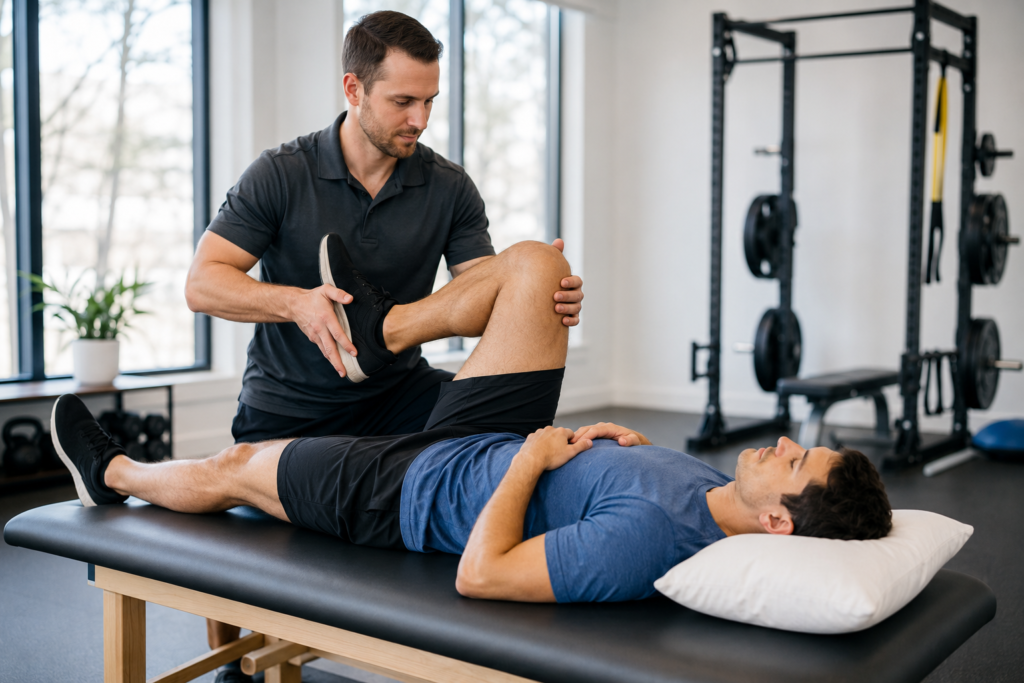
Sports and active lifestyle injuries can affect anyone, from competitive athletes and student-athletes to weekend runners, golfers, cyclists, gym members, and adults who simply want to stay active. Sports physical therapy can play a crucial role in recovery after an injury or in preventing injury for those who stay active. An injury may begin suddenly after a fall, collision, awkward landing, or forceful movement. Other symptoms develop gradually as the body is repeatedly exposed to the same movements without enough strength, mobility, recovery, or preparation.
Pain does not always mean you need to stop moving completely. However, continuing to train through an injury without understanding the cause can make symptoms more persistent and create additional movement compensations. Physical therapy can help identify what is contributing to your discomfort and provide a structured plan for returning to activity safely.
At Reform Physical Therapy, we provide individualized sports physical therapy for athletes and active adults throughout Maine. Our physical therapists evaluate the injured area while also examining strength, mobility, balance, coordination, movement mechanics, training habits, and the specific demands of your sport.
Whether you want to return to a team, prepare for an upcoming season, complete a race, improve your golf swing, get back to CrossFit, or continue enjoying recreational activities, your treatment plan will be designed around your goals.
Physical Therapy for Athletes and Active Adults
Sports injuries are rarely caused by one factor alone. Pain may be influenced by muscle weakness, reduced joint mobility, poor balance, fatigue, changes in training volume, repetitive movements, inadequate recovery, or difficulty controlling the body during sport-specific tasks.
A runner may have knee pain related to hip weakness or training changes. A golfer with lower-back pain may have limited hip or upper-back mobility. A throwing athlete with shoulder discomfort may need improved shoulder blade control, trunk strength, or throwing mechanics.
During your evaluation, your physical therapist may assess:
- Joint and muscle mobility
- Strength and muscular endurance
- Balance and coordination
- Running, jumping, landing, or cutting mechanics
- Sport-specific movements
- Core and trunk control
- Agility and reaction
- Training volume and recovery habits
- Previous injuries
- Footwear or equipment when relevant
- Your readiness to return to activity
Treatment is based on the demands of your sport and the activities you need to perform. The goal is not only to reduce pain, but also to restore the strength, control, confidence, and physical capacity required for a safe return.
Sports and Active Lifestyle Conditions We Treat
Running Injuries
Running places repeated demands on the feet, ankles, knees, hips, and lower back. Running injuries may appear after a sudden increase in mileage, speed, hill training, race preparation, or a change in footwear or terrain. They can also develop when the body does not have enough strength or mobility to tolerate the current training load.
Common running injuries and symptoms include:
- Runner’s knee
- Shin splints
- Achilles tendon pain
- Plantar heel or foot pain
- Ankle pain
- Hamstring strains
- Calf strains
- Hip pain
- Iliotibial band discomfort
- Stress-related bone injuries
- Lower-back pain
- Pain that begins after a certain distance
A running injury evaluation looks beyond the area that hurts. Your physical therapist may assess hip and leg strength, ankle mobility, balance, single-leg control, running mechanics, footwear, training changes, and recovery habits.
Physical therapy may include:
- Progressive leg and hip strengthening
- Single-leg stability exercises
- Ankle and hip mobility
- Running form assessment
- Training-load modifications
- Guidance for gradually increasing mileage
- Plyometric and impact preparation
- A structured return-to-running plan
The goal is to help you return to running without increasing your symptoms while building the capacity needed to tolerate future training.
Cycling Injuries
Cycling is a low-impact activity, but repetitive positioning and pedaling can still cause pain. Symptoms may develop because of bike fit, training volume, muscle weakness, restricted mobility, or prolonged time in one position.
Cyclists commonly experience:
- Knee pain
- Neck and upper-back discomfort
- Lower-back pain
- Hand numbness or tingling
- Hip discomfort
- Achilles or foot pain
- Saddle-related discomfort
- Muscle fatigue or cramping
- Pain during or after longer rides
Your physical therapist may evaluate your posture, spinal mobility, hip and knee mechanics, core strength, flexibility, and pedaling-related movement patterns. When appropriate, your therapist may also discuss bike setup and whether changes to saddle height, reach, or positioning should be considered.
Treatment may focus on:
- Core and hip strengthening
- Neck and upper-back mobility
- Lower-body flexibility
- Postural endurance
- Movement and positioning education
- Gradual training progression
- Recovery strategies
- Recommendations for further bike-fitting assessment
Physical therapy can help recreational and competitive cyclists ride with greater comfort, efficiency, and confidence.
Golf Injuries
The golf swing requires coordinated movement through the feet, hips, spine, shoulders, and arms. Limited mobility or weakness in one area may cause another part of the body to absorb more stress during the swing. Golf injuries may develop gradually through repeated swings or occur suddenly when force is produced through an awkward position.
Common golf-related conditions include:
- Lower-back pain
- Shoulder pain
- Golfer’s elbow
- Wrist or hand pain
- Hip discomfort
- Knee pain
- Muscle strains
- Reduced trunk rotation
- Pain during the backswing or follow-through
A golf-focused physical therapy evaluation may examine hip mobility, upper-back rotation, shoulder movement, core control, balance, and the ability to transfer force through the body.
Treatment may include:
- Hip and spinal mobility
- Rotational strength
- Core stabilization
- Shoulder and forearm strengthening
- Balance training
- Warm-up recommendations
- Movement modifications
- A gradual return-to-golf program
The goal is to help you return to the course while improving the mobility and strength needed to support a consistent, comfortable swing.
Pickleball Injuries
Pickleball involves quick direction changes, reaching, rotating, bending, and repeated short bursts of movement. As participation has grown, so have injuries related to sudden increases in activity, falls, repetitive swinging, and limited preparation.
Common pickleball injuries include:
- Ankle sprains
- Achilles tendon injuries
- Knee pain
- Calf strains
- Hamstring strains
- Shoulder pain
- Tennis elbow
- Wrist discomfort
- Lower-back pain
- Balance-related falls
Some players return to court sports after years of lower activity, which can place unfamiliar demands on the muscles, tendons, and joints.
Physical therapy may focus on:
- Lower-body strength
- Balance and reaction training
- Lateral movement
- Agility and change of direction
- Shoulder and forearm strength
- Flexibility and mobility
- Court-specific conditioning
- Injury-prevention warm-ups
Your therapist can also help you gradually rebuild the endurance and confidence needed to move safely on the court.
Tennis Injuries
Tennis requires repetitive swinging, rapid acceleration, sudden stops, lateral movement, rotation, and overhead activity. These demands can lead to injuries involving the shoulder, elbow, wrist, back, hip, knee, ankle, or calf.
Common tennis injuries include:
- Tennis elbow
- Rotator cuff irritation
- Shoulder pain
- Wrist or hand discomfort
- Lower-back pain
- Hip pain
- Knee pain
- Ankle sprains
- Calf or hamstring strains
- Achilles tendon pain
Physical therapy for tennis injuries may address both upper- and lower-body movement. A shoulder problem may be affected by trunk rotation or leg strength, while an ankle or knee injury may require improved landing control and side-to-side movement.
Treatment may include:
- Shoulder and forearm strengthening
- Rotational mobility
- Core stability
- Leg strength and endurance
- Balance and agility
- Lateral movement drills
- Serve and swing preparation
- A progressive return to court
CrossFit Injuries
CrossFit combines weightlifting, gymnastics, cardiovascular exercise, and high-intensity functional movement. The variety can build strength and fitness, but the movements also require mobility, coordination, control, and appropriate progression. CrossFit-related injuries may occur when fatigue changes technique, training volume increases too quickly, or a movement exceeds the athlete’s current strength or mobility.
Common areas affected include:
- Shoulders
- Lower back
- Knees
- Wrists
- Elbows
- Hips
- Ankles
- Achilles tendons
Symptoms may appear during movements such as:
- Squats
- Deadlifts
- Olympic lifts
- Pull-ups
- Kipping movements
- Handstands
- Box jumps
- Burpees
- Overhead presses
- Running or rowing
Physical therapy does not automatically mean stopping all training. Your therapist may help modify painful movements while maintaining safe activities that support conditioning.
Treatment may include:
- Movement assessment
- Mobility work
- Strengthening
- Load-management guidance
- Lifting technique education
- Core and trunk control
- Shoulder stability
- Jumping and landing preparation
- Gradual return to full workouts
Youth Sports Injuries
Children and teenagers experience different physical demands as they grow. Rapid changes in height, strength, coordination, and training volume may increase the risk of pain or injury, especially when young athletes participate in the same sport year-round. Youth sports injuries may occur during soccer, basketball, baseball, softball, football, lacrosse, gymnastics, dance, track, hockey, and other activities.
Common concerns include:
- Ankle sprains
- Knee injuries
- Shoulder or elbow pain
- Muscle strains
- Growth-related knee or heel pain
- Overuse injuries
- Throwing injuries
- Back pain
- Stress injuries
- Reduced confidence after an injury
Physical therapy for young athletes should consider physical development, sport demands, school schedules, team participation, and the athlete’s emotional readiness to return.
Treatment may include:
- Age-appropriate strengthening
- Balance and coordination
- Running and jumping mechanics
- Landing and cutting training
- Flexibility and mobility
- Sport-specific conditioning
- Injury-prevention education
- Communication with parents, coaches, or medical providers when appropriate
The goal is to help the athlete return safely without rushing recovery simply because a season or competition is approaching.
Tips to Prevent Sports Injuries in Children & Teens
Throwing Injuries
Throwing places significant force through the shoulder, elbow, trunk, hips, and legs. Although pain may be felt in the arm, throwing is a full-body movement. Weakness or reduced mobility elsewhere in the body can increase stress on the shoulder or elbow. Throwing injuries are common in baseball and softball players but may also affect athletes in football, track and field, volleyball, and other overhead sports.
Common throwing-related symptoms include:
- Shoulder pain
- Elbow pain
- Reduced throwing velocity
- Loss of control or accuracy
- Arm fatigue
- Pain during a specific phase of throwing
- Shoulder instability
- Limited range of motion
- Difficulty recovering between practices or games
A throwing evaluation may include:
- Shoulder range of motion
- Rotator cuff strength
- Shoulder blade control
- Elbow mobility and strength
- Trunk rotation
- Hip mobility
- Core and lower-body strength
- Throwing volume and recovery
- Sport-specific mechanics
Treatment may include a structured throwing progression, strength training, mobility exercises, workload recommendations, and communication with coaches or other healthcare providers when appropriate. Young athletes experiencing persistent shoulder or elbow pain should not continue throwing through symptoms without being evaluated.
Return to Sport Physical Therapy
Feeling better during daily activities does not always mean an athlete is ready to return to full sports participation. Sports require speed, power, reaction, endurance, cutting, jumping, landing, and confidence under unpredictable conditions.
Return-to-sport physical therapy helps bridge the gap between basic rehabilitation and the demands of practice or competition.
Your return-to-sport plan may include:
- Running progression
- Jumping and landing drills
- Agility exercises
- Acceleration and deceleration
- Change-of-direction training
- Strength and power testing
- Balance and single-leg control
- Sport-specific movements
- Conditioning
- Practice modifications
- Confidence-building exposure
Your therapist may compare the injured side with the uninjured side and assess whether you can perform relevant movements without pain, hesitation, instability, or major compensation. Return to sport is usually a gradual process. You may begin with individual drills, progress to modified practice, and then return to full participation as your strength, endurance, and confidence improve.
Sports Performance Physical Therapy
You do not need to be injured to benefit from working with a physical therapist. Sports performance physical therapy can help identify mobility, strength, balance, or movement limitations that may be affecting your efficiency or increasing your risk of injury.
A sports performance evaluation may be helpful if you:
- Want to improve running efficiency
- Feel limited during certain lifts
- Want to increase throwing tolerance
- Have recurring injuries
- Notice one side feels weaker
- Struggle with balance or coordination
- Want to prepare for an upcoming season
- Are returning after a long break
- Want to improve movement confidence
- Need guidance for increasing training intensity
Performance treatment may include:
- Strength and power development
- Mobility training
- Agility and reaction drills
- Running or jumping analysis
- Balance and coordination
- Sport-specific conditioning
- Movement technique
- Recovery and workload education
The goal is not to promise faster times, longer drives, or guaranteed performance outcomes. It is to help your body move more efficiently and tolerate the physical demands of your activity.
Common Signs You May Benefit From Sports Physical Therapy
Consider scheduling an evaluation if you are experiencing:
- Pain during or after activity
- Swelling or stiffness
- Repeated injuries in the same area
- Weakness or instability
- Reduced speed, power, or endurance
- Difficulty returning after an injury
- Pain that begins after a certain distance or duration
- Limited mobility
- Loss of confidence
- Changes in movement technique
- Pain that affects training consistency
- Symptoms that return whenever activity increases
Early evaluation may help prevent a manageable problem from becoming a longer-term limitation.
How Sports Physical Therapy May Help
Sports physical therapy is designed to restore movement while preparing you for the specific demands of your activity.
Depending on your injury and goals, treatment may help:
- Reduce pain and irritation
- Restore joint mobility
- Rebuild strength
- Improve balance and coordination
- Increase muscular endurance
- Improve running, jumping, or landing mechanics
- Restore confidence after an injury
- Prepare for practice and competition
- Reduce repeated movement compensations
- Manage training volume
- Improve tolerance for sport-specific movements
- Support long-term participation
Your therapist will progress treatment as your body adapts. Early exercises may focus on movement and strength, while later sessions may include faster, heavier, or more complex activities.
Sports Physical Therapy Treatments
Your treatment plan may include several approaches based on your injury, sport, and current ability.
Manual Therapy
Hands-on techniques may be used to address joint stiffness, muscle tension, and movement restrictions. Manual therapy is typically combined with active exercise to help maintain improvements.
Therapeutic Exercise
Exercises are used to restore mobility, strength, endurance, and control. Your program will gradually progress toward the demands of your sport.
Strength and Conditioning
Strength training may include body-weight exercises, resistance bands, free weights, machines, or sport-specific loading. The goal is to improve your ability to tolerate force safely.
Balance and Proprioception Training
Balance training helps improve awareness of joint position and body movement. It may be especially important after ankle, knee, or lower-body injuries.
Plyometric Training
Plyometric exercises include jumping, hopping, bounding, and quick force-producing movements. These exercises are introduced when appropriate and progressed according to your recovery.
Agility and Change-of-Direction Training
Athletes returning to court or field sports may need to practice accelerating, stopping, cutting, shuffling, and reacting to unpredictable movements.
Sport-Specific Movement Training
Your therapist may incorporate movements related to running, cycling, golfing, throwing, lifting, or court sports. These activities help prepare you for real-world participation.
Training-Load Education
Injuries often occur when training increases faster than the body can adapt. Your therapist may help you modify frequency, intensity, duration, or volume while maintaining an appropriate level of activity.
Home Exercise Program
Your personalized home program helps you continue progressing between appointments. It may include mobility, strength, balance, or sport-specific exercises.
What to Expect at Your Sports Physical Therapy Evaluation
Your first appointment will include a conversation about your injury, symptoms, activity level, training schedule, previous injuries, and goals.
Your physical therapist may ask:
- When did the symptoms begin?
- Was there a specific injury?
- Which movements cause pain?
- Has your training recently changed?
- What sport or activity do you participate in?
- How often do you train?
- Are there upcoming games, races, or competitions?
- What activities are you currently avoiding?
- Have you experienced this injury before?
- What would a successful recovery look like to you?
The physical portion of your evaluation may include strength, mobility, balance, walking, running, jumping, lifting, or sport-specific movement. After the evaluation, your therapist will explain what may be contributing to your symptoms and develop a treatment plan. You may also receive recommendations for modifying training without unnecessarily stopping all activity.
At Reform Physical Therapy, patients receive one-on-one treatment without aides or double-booked appointments. This allows your physical therapist to closely observe your movement, provide immediate feedback, and adjust treatment based on your progress.
When to Seek Medical Care
Some sports injuries require urgent medical evaluation rather than waiting for a routine physical therapy appointment.
Seek medical care if you experience:
- A visible deformity
- Inability to bear weight
- Significant swelling immediately after an injury
- A joint that locks or repeatedly gives way
- Loss of consciousness or suspected concussion
- Severe neck or back pain after a collision
- Sudden numbness or weakness
- Loss of bowel or bladder control
- An open wound near the injured area
- Severe pain that continues to worsen
- Signs of infection
- Chest pain or difficulty breathing during activity
Your physical therapist can also recommend additional medical evaluation when imaging, medication, or specialist care may be appropriate.
One-on-One Sports Physical Therapy in Maine
Reform Physical Therapy provides individualized sports and active lifestyle physical therapy at our seven Maine clinics in Topsham, Brunswick, Freeport, Yarmouth, South Portland, Kennebunk, and Eliot. We work with athletes, student-athletes, recreational competitors, active adults, and people who simply want to return to the activities they enjoy.
Your goals may include:
- Returning to your team
- Completing an upcoming race
- Getting back on your bike
- Playing a full round of golf
- Returning to pickleball or tennis
- Resuming CrossFit workouts
- Throwing without pain
- Improving confidence after an injury
- Staying active as you age
- Preventing recurring injuries
Your physical therapist will build a plan around the movements and physical demands that matter most to you.
Schedule a Sports Physical Therapy Evaluation
An injury does not have to end your season or keep you from the activities you enjoy. A sports physical therapy evaluation can help you understand what is contributing to your symptoms and what steps are needed to return safely.