

Orthopedic Conditions
Orthopedic conditions affect the muscles, joints, bones, tendons, ligaments, and other tissues that help your body move. Many people find that orthopedic physical therapy can play a vital role in recovery and improving mobility. These conditions can develop suddenly after an injury or gradually because of overuse, repetitive movements, aging, weakness, or changes in mobility.
At Reform Physical Therapy, we provide individualized orthopedic physical therapy to help reduce pain, restore movement, improve strength, and make everyday activities feel easier. Whether you are recovering from an injury, managing a chronic condition, or noticing increasing stiffness and weakness, our physical therapists will create a treatment plan based on your specific needs and goals.
Physical Therapy for Orthopedic Conditions
Orthopedic physical therapy focuses on identifying the source of pain or movement limitations rather than only treating the symptoms. Your physical therapist will evaluate your strength, mobility, balance, flexibility, joint movement, posture, and movement patterns to determine what may be contributing to your condition.
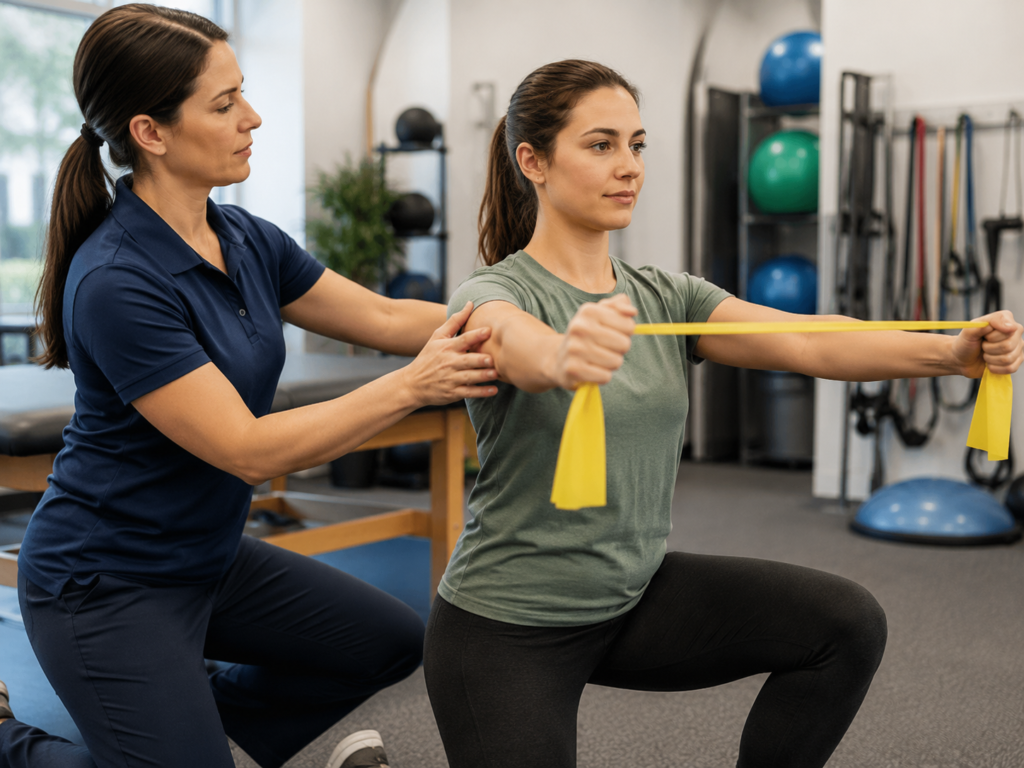
Treatment may include hands-on therapy, mobility exercises, strengthening, stretching, balance training, movement education, and a personalized home exercise program. At Reform, patients receive one-on-one care with the same physical therapist throughout their treatment whenever possible. We do not use aides or double-book appointments, allowing your therapist to focus fully on your recovery.
Orthopedic Conditions We Treat
Arthritis
Arthritis can cause joint pain, stiffness, swelling, weakness, and difficulty completing everyday movements. It commonly affects the knees, hips, hands, shoulders, spine, and feet. Physical therapy cannot reverse arthritis, but it can help improve joint mobility, strengthen the muscles supporting the affected area, reduce stiffness, and make daily activities more manageable.
Treatment may focus on:
- Improving joint movement
- Strengthening surrounding muscles
- Reducing stiffness
- Improving balance and stability
- Modifying painful activities
- Developing a safe exercise routine
Learn more about how physical therapy can support people living with arthritis.
Joint Pain
Joint pain may develop because of arthritis, injury, overuse, weakness, inflammation, or changes in movement mechanics. Pain may occur in the shoulder, elbow, wrist, hip, knee, ankle, spine, or other joints. Your physical therapist will evaluate how the joint moves, how the surrounding muscles are functioning, and whether other areas of the body may be contributing to the problem.
Physical therapy can help improve joint mobility, stability, strength, and overall movement.
Muscle Strains
A muscle strain occurs when muscle fibers are overstretched or torn. Strains can happen suddenly during sports, lifting, or quick movements, or gradually because of repetitive stress. Common symptoms include pain, tenderness, swelling, weakness, muscle tightness, or discomfort when using the injured area. Physical therapy can help safely restore flexibility, rebuild strength, improve movement, and reduce the risk of reinjury.
Ligament Sprains
Ligaments connect bones and help stabilize joints. A sprain occurs when a ligament is stretched or torn, often because of a fall, sudden twist, awkward landing, or sports injury. Sprains commonly affect the ankle, knee, wrist, and thumb. Treatment may include swelling management, mobility exercises, progressive strengthening, balance training, joint stabilization, and guidance for safely returning to normal activities.
Tendon Injuries
Tendons connect muscles to bones and help transfer force during movement. Tendon injuries may occur suddenly or develop over time because of repetitive stress, weakness, or increased activity. Common tendon injuries affect the shoulder, elbow, wrist, knee, ankle, and foot. Physical therapy can help reduce irritation, improve tendon strength, restore flexibility, and gradually increase the tendon’s ability to tolerate activity.
Tendonitis
Tendonitis is commonly used to describe pain and irritation involving a tendon. It may develop after a sudden increase in activity, repetitive movements, sports participation, or prolonged strain on the tendon.
Common examples include:
- Achilles tendon pain
- Patellar tendon pain
- Rotator cuff tendon irritation
- Tennis elbow
- Golfer’s elbow
- Wrist tendon irritation
Treatment often includes activity modification, progressive strengthening, mobility work, and education on safely returning to activity.
Bursitis
Bursae are small fluid-filled sacs that help reduce friction around joints. Bursitis occurs when one of these sacs becomes irritated or inflamed. It commonly affects the shoulder, hip, knee, or elbow and may cause pain, tenderness, swelling, or discomfort when lying on or moving the affected area. Physical therapy can help address strength, flexibility, posture, movement patterns, and activity habits that may be placing additional stress on the area.
Overuse Injuries
Overuse injuries develop when muscles, tendons, joints, or bones are repeatedly stressed without enough time to recover. They are common in athletes, runners, active adults, workers, and people who suddenly increase their exercise or activity levels. Symptoms may begin gradually and become more noticeable over time. Physical therapy can help identify contributing factors such as weakness, poor movement mechanics, limited mobility, training errors, or repetitive habits.
Repetitive Stress Injuries
Repetitive stress injuries occur when the same movement or position is repeated frequently. These conditions may develop from work tasks, computer use, lifting, sports, hobbies, or prolonged postures.
Common areas affected include the neck, shoulders, elbows, wrists, hands, lower back, knees, and feet. Your physical therapist can help improve movement, strength, posture, and body mechanics while recommending modifications that reduce repeated strain.
Muscle Weakness
Muscle weakness can develop after an injury, surgery, illness, inactivity, chronic pain, or prolonged changes in movement. Weakness may affect balance, walking, lifting, climbing stairs, standing from a chair, or completing everyday activities. Physical therapy uses progressive exercises that are adjusted to your current ability level. The goal is to safely rebuild strength while improving confidence and function.
Joint Stiffness
Joint stiffness may make it difficult to bend, straighten, reach, turn, squat, walk, or complete other everyday movements. Stiffness can develop because of arthritis, injury, surgery, inflammation, inactivity, or prolonged positioning. Treatment may include joint mobility techniques, stretching, strengthening, movement retraining, and exercises designed to maintain improvements between appointments.
Mobility Limitations
Mobility limitations can affect your ability to walk, climb stairs, get out of a chair, reach overhead, bend, exercise, work, or participate in activities you enjoy. Your physical therapist will evaluate the movements that feel difficult and determine whether strength, balance, pain, stiffness, coordination, or joint mobility may be contributing. Treatment is focused on helping you move more safely, comfortably, and confidently.
Signs You May Benefit From Orthopedic Physical Therapy
Consider scheduling a physical therapy evaluation if you are experiencing:
- Pain that is not improving
- Joint or muscle stiffness
- Difficulty walking or climbing stairs
- Weakness during everyday activities
- Pain with exercise, work, or sports
- Reduced range of motion
- Swelling or tenderness
- Difficulty returning to activity after an injury
- Repeated injuries in the same area
- Changes in balance or mobility
You do not need to wait until pain becomes severe to seek help. Early treatment may prevent symptoms from worsening and help you return to your normal routine sooner.
What to Expect at Your First Appointment
Your first appointment will include a detailed conversation about your symptoms, medical history, daily activities, and treatment goals. Your physical therapist will then evaluate the affected area and assess how your body moves. Based on the evaluation, your therapist will explain what may be contributing to your symptoms and create a personalized treatment plan.
Your plan may include:
- Manual therapy
- Therapeutic exercise
- Strength training
- Mobility and flexibility work
- Balance and stability training
- Posture and movement education
- Activity modifications
- A personalized home exercise program
One-on-One Orthopedic Physical Therapy in Maine
Reform Physical Therapy provides individualized orthopedic care at our seven Maine clinics in Topsham, Brunswick, Freeport, Yarmouth, South Portland, Kennebunk, and Eliot. Our physical therapists work with patients of all ages and activity levels, from people managing chronic joint pain to athletes recovering from injuries. Every treatment plan is designed around the patient’s condition, lifestyle, and personal goals.
Schedule an Orthopedic Physical Therapy Evaluation
Pain, stiffness, and weakness do not have to keep you from doing the things that matter to you. Our team can help you understand what is contributing to your symptoms and create a plan to help you move forward. Contact Reform Physical Therapy today to schedule an orthopedic physical therapy evaluation at one of our seven Maine locations.