


physical therapy
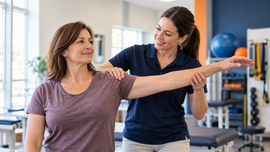
7 Signs It’s Time to See a Physical Therapist
Posted by: in Pain Management on October 11, 2026
Many people assume physical therapy is only necessary after surgery or a serious injury. They wait for their pain to become severe, hoping it will eventually disappear on its own. Sometimes minor soreness does improve with a little rest. However, pain that keeps returning, changes how you move, or prevents you from doing normal activities… Read More

Why Does My Shoulder Hurt When I Reach Overhead?
Posted by: in Shoulder Pain on September 1, 2026
Reaching overhead should feel like a simple movement. You may do it when putting away dishes, getting dressed, washing your hair, lifting a child, painting, working, swimming, or exercising. When that movement causes shoulder pain, even basic daily tasks can become frustrating. Shoulder pain when reaching overhead can develop for several reasons. The discomfort may… Read More
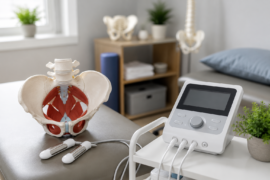
What Is Pelvic Floor E-Stim and Biofeedback?
Posted by: in Pelvic Health on August 3, 2026
Millions of people experience pelvic floor dysfunction, yet few openly talk about it. Many people assume that bladder leaks, pelvic pain, constipation, or discomfort after pregnancy are simply a normal part of life. The truth is they often aren’t. These symptoms may be signs that your pelvic floor muscles aren’t functioning the way they should…. Read More
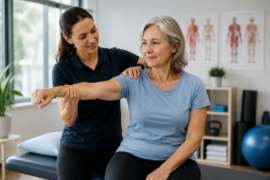
Can Physical Therapy Help You Avoid Surgery?
Posted by: in Joint Pain & Arthritis on July 31, 2026
Many people can avoid surgery with physical therapy when they seek treatment early for pain or an injury. Whether you’re dealing with chronic knee pain, shoulder pain, back pain, or arthritis, surgery isn’t always the first or best option. Physical therapy can reduce pain, restore strength, improve mobility, and address the root cause of your… Read More

Weekend Warrior Injuries: Why They Happen (And How to Prevent Them)
Posted by: in Injury Prevention on July 29, 2026
If you spend most of the week at a desk but pack all your physical activity into the weekend, you’re not alone. This approach can sometimes lead to weekend warrior injuries. For example, you might hike your favorite trail, play pickleball, golf with friends, tackle a home improvement project, or run your first 5K. Many… Read More
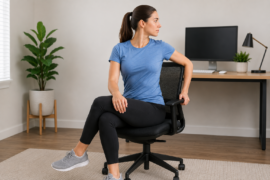
The Best Stretches for People Who Sit All Day
Posted by: in Healthy Living on July 27, 2026
Stretches for sitting all day can make a significant difference if you spend hours at a desk, in meetings, or behind the wheel. Sitting for long periods often leads to tight hips, stiff shoulders, neck pain, and lower back discomfort. The good news is that incorporating a few simple stretches into your daily routine can… Read More

Why Your Pain Is Worse in the Morning (And What You Can Do About It)
Posted by: in Pain Management on July 23, 2026
Have you ever rolled out of bed and wondered why your body feels so much worse than it did the night before? Maybe your back is stiff, your knees ache as soon as your feet hit the floor, or your neck feels like it barely moved all night. If this sounds familiar, you’re not alone…. Read More

Summer in Maine: How to Stay Active Without Letting Pain Slow You Down
Posted by: in Injury Prevention on July 10, 2026
Summer in Maine is something we all look forward to. After months of colder weather, shorter days, and spending more time indoors, warmer temperatures bring the opportunity to get outside and enjoy the activities we love. With all this activity, it’s important to think about summer injury prevention physical therapy to stay healthy and active… Read More

Max Langevin, PT, DPT
Helping You Recover Stronger, Move Better, and Return to What You Love Max Langevin, PT, DPT, is a physical therapist at Reform Physical Therapy’s Yarmouth clinic. He provides personalized care focused on helping individuals recover from injuries, rebuild strength, and return to the activities they love. Patients can expect expert support from him at every… Read More
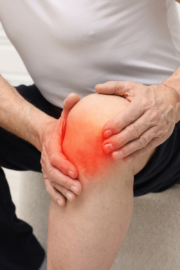
The Surprising Connection Between Weak Glutes and Knee Pain
Posted by: in Knee Pain & Mobility on July 3, 2026
The Surprising Connection Between Weak Glutes and Knee Pain If you’ve been struggling with knee pain, it’s natural to assume the problem is in your knee. However, there is often a connection between weak glutes and knee pain that can be overlooked. After all, that’s where the pain is. However, one of the most common… Read More