

Why Tight Hips Can Lead to Lower Back Pain
Posted by: in Back Pain on April 30, 2026
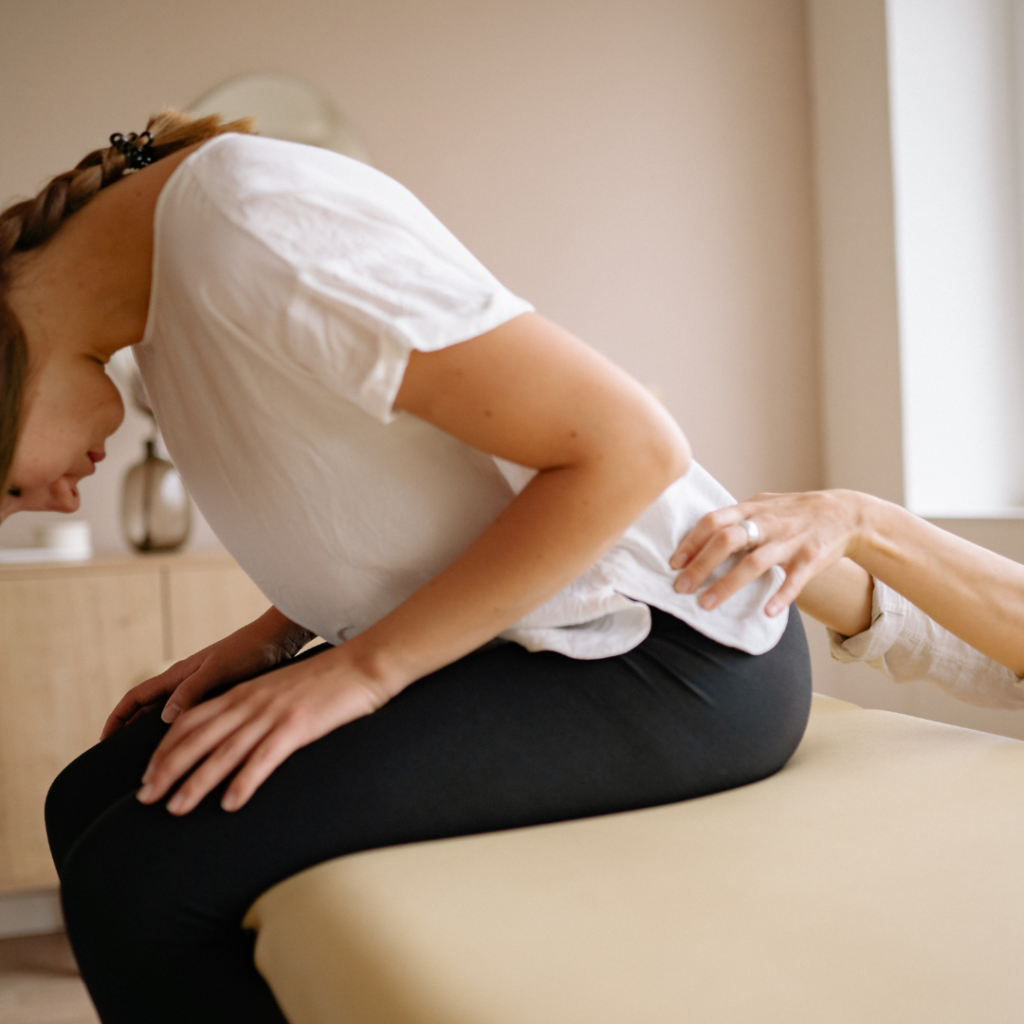
Lower back pain is one of the most common reasons people come into physical therapy. What surprises a lot of people is that the problem is not always coming from the low back itself. In many cases, issues like tight hips lower back pain are closely linked. If your hips feel tight, stiff, or restricted, your lower back often has to step in and do more work than it should. Over time, that extra strain can lead to discomfort, irritation, and even injury.
How Your Hips and Lower Back Work Together
Your hips and lower back are closely connected. Every time you walk, bend, sit, or stand, these areas are working together to create smooth, controlled movement. Many people who experience tight hips lower back pain find these motions less comfortable.
Your hips are designed to handle large ranges of motion. They allow you to move freely and absorb force as you go about your day. Your lower back is built more for stability and support. When your hips are moving well, your lower back can stay in its lane and do its job. But when your hips become tight or limited, your body has to find another way to move. That is when the lower back starts to take on more than it was designed for.
What Causes Tight Hips
Tight hips do not happen overnight. They are usually the result of daily habits and lifestyle patterns. Spending long hours sitting is one of the biggest contributors. When you sit for extended periods, your hip flexors stay in a shortened position. Over time, they begin to feel stiff and restricted.
Lack of movement also plays a role. If you are not regularly taking your hips through their full range of motion, they can gradually lose flexibility. Previous injuries, muscle imbalances, and even stress can add to the problem. The American Academy of Orthopedic Surgeons highlights how limited mobility and muscle imbalance can place extra strain on nearby joints, including the spine.
How Tight Hips Affect Your Lower Back
When your hips are tight, your body has to compensate. Instead of getting movement from your hips, your lower back starts to move more to make up for it. This often shows up in everyday movements. Bending forward to pick something up, twisting to reach for something, or even standing up from a chair can all put extra pressure on your lower back when your hips are not moving properly, leading to tight hips lower back pain.
Over time, this can lead to muscle fatigue, stiffness, and pain. Your lower back muscles may feel tight or overworked. You might notice discomfort after sitting, standing, or being active for long periods. The National Institute of Neurological Disorders and Stroke explains that improper movement patterns and strain are common contributors to lower back pain, especially when other areas of the body are not functioning as they should.
Common Signs Your Hips May Be Contributing to Your Pain
Your body usually gives you clues when your hips are part of the problem. You might feel stiffness in the front of your hips after sitting for a while. Some people notice their lower back feels tight first thing in the morning or after long days. Others feel discomfort when standing up straight or trying to stretch.
You may also feel like your movements are not as smooth as they used to be. Simple things like walking, climbing stairs, or bending down can feel more effortful. These signs are often overlooked, but they can point directly to tight hips affecting your lower back. Additionally, tight hips lower back pain is a common experience for people who have limited mobility or strain in these areas.
Why This Matters More Than You Think
When tight hips continue to go unaddressed, your body keeps compensating. That repeated strain on your lower back can lead to ongoing discomfort and make it harder to stay active. It can also increase your risk of injury. When your body is not moving efficiently, even small movements can put you in a vulnerable position. The good news is that this is something that can be improved with the right approach.
How to Improve Hip Mobility and Reduce Back Pain
Improving hip mobility is one of the most effective ways to take pressure off your lower back.
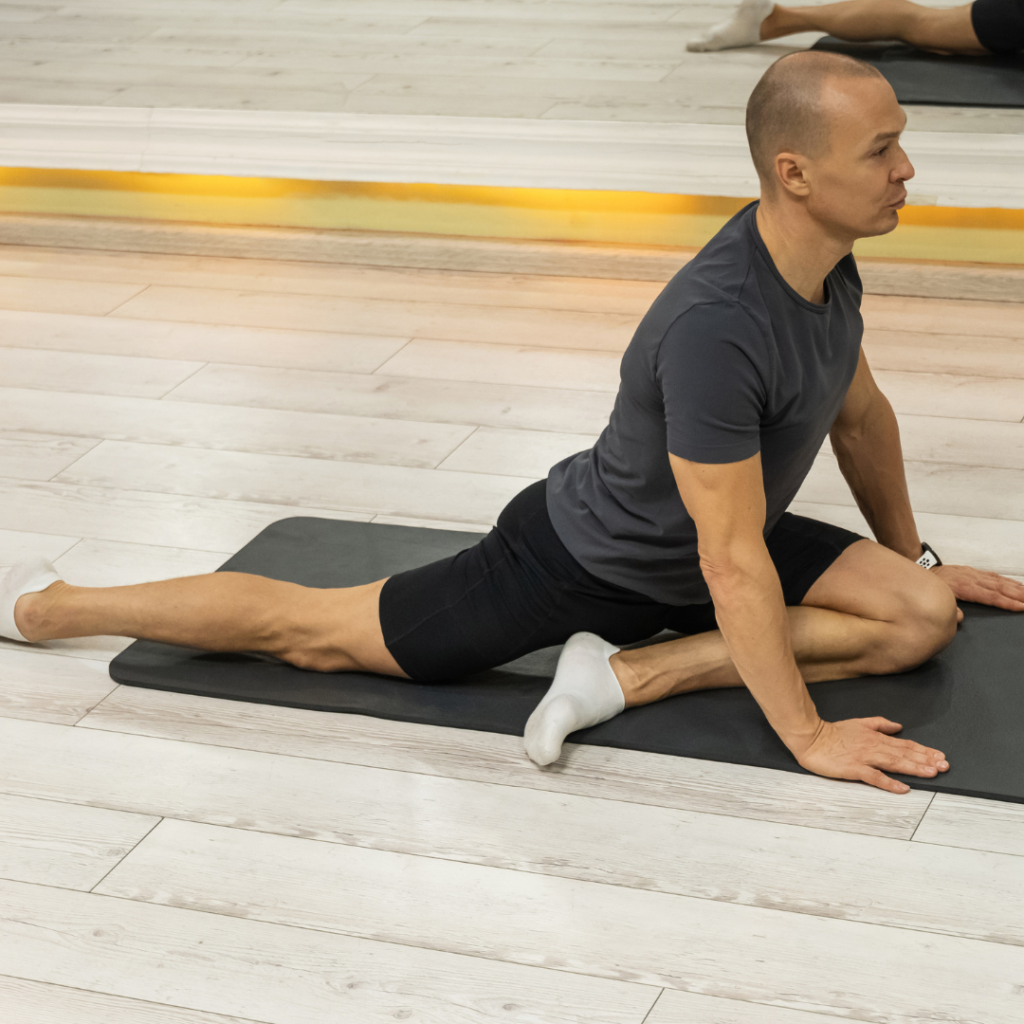
This usually involves a combination of gentle stretching, strengthening, and movement retraining. The goal is to help your hips move more freely while also supporting them with stronger, more stable muscles. It is important to focus on how your body moves as a whole, not just one isolated area. When your hips, core, and lower back are all working together properly, your movements feel smoother and more controlled.
How Physical Therapy Can Help
If you are dealing with ongoing lower back pain, it can be helpful to look beyond the area that hurts. At Reform Physical Therapy, we assess how your entire body is moving, including your hips, core, and spine. We look for the root cause of your pain, not just the symptoms.
Your treatment plan may include targeted exercises to improve hip mobility, strengthen supporting muscles, and reduce strain on your lower back. We also guide you through movement patterns so your body can function more efficiently in your daily life. The goal is to help you move better, feel stronger, and get back to doing the things you enjoy without pain holding you back. Finally, addressing tight hips lower back pain is crucial for restoring your overall comfort and mobility.
Take the Pressure Off Your Lower Back
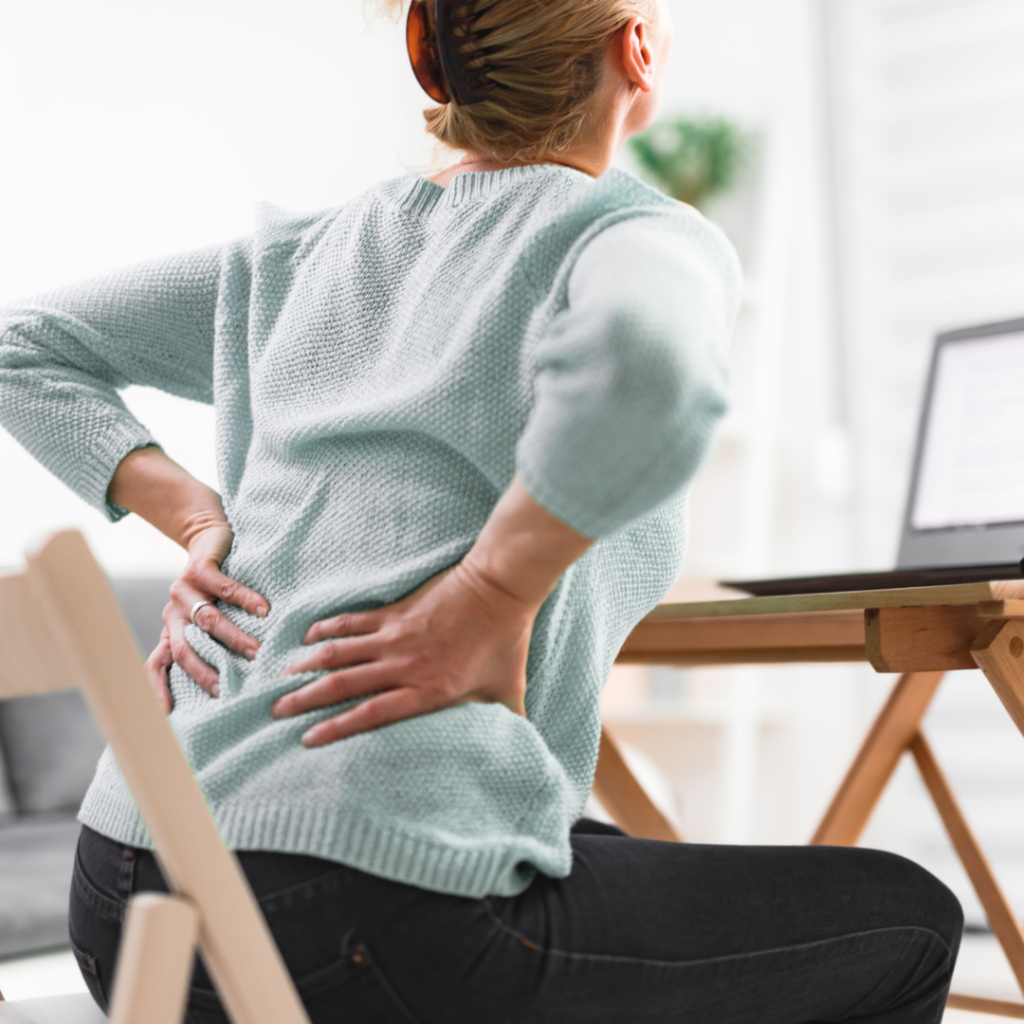
Tight hips are a common but often overlooked cause of lower back pain. When your hips are not moving the way they should, your lower back ends up doing extra work. If you have been dealing with stiffness, discomfort, or limited movement, it may be time to look at what your hips are doing. Taking care of your mobility now can make a big difference in how your body feels long term.