


How Fear of Movement Can Slow Recovery
Posted by: in Injury Prevention & Recovery on June 22, 2026
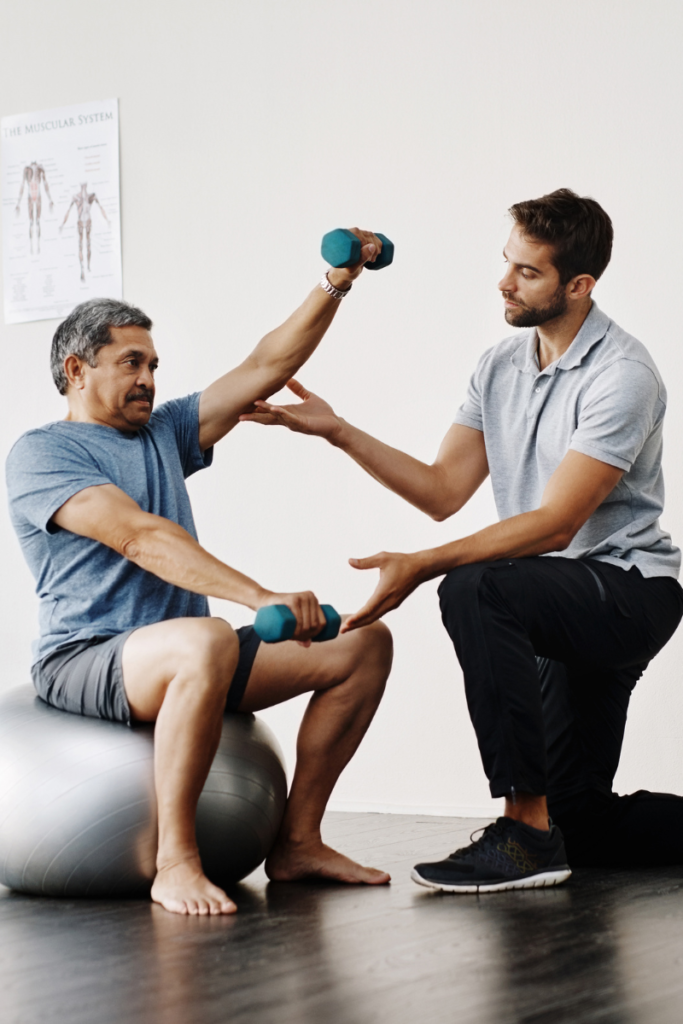
After an injury, surgery, or painful condition, it is completely normal to feel cautious about movement. However, it’s important to understand that fear of movement can slow recovery, even when your instincts are telling you to avoid activity. If bending, walking, lifting, reaching, exercising, or even getting out of bed caused pain recently, your natural instinct may be to avoid those activities altogether. After all, most people assume that if something hurts, it must be causing further damage.
While this response is understandable, fear of movement can sometimes become one of the biggest obstacles to recovery. At Reform Physical Therapy, we often work with patients who are physically capable of moving but have developed concerns about reinjury, pain, or making their condition worse. Over time, this fear can create a cycle that limits progress, reduces confidence, and prolongs recovery.
Understanding how fear of movement develops and why it matters can help patients take important steps toward regaining function and returning to the activities they enjoy.
What Is Fear of Movement?
Fear of movement, sometimes referred to as kinesiophobia, occurs when a person becomes fearful that certain movements or activities will cause pain, reinjury, or additional harm.
This fear often develops after:
- Surgery
- Sports injuries
- Back pain episodes
- Falls
- Car accidents
- Chronic pain conditions
- Previous unsuccessful treatment experiences
Initially, avoiding movement may feel protective. However, when avoidance continues long after tissues have begun healing, it can interfere with recovery. Many patients are surprised to learn that their physical limitations are sometimes influenced as much by fear and confidence as by the injury itself.
Pain Does Not Always Mean Damage
One of the most important concepts in rehabilitation is understanding that pain and tissue damage are not always the same thing. Pain is the body’s alarm system. Its purpose is to protect us from potential threats. During the early stages of an injury, pain often serves an important protective role. However, as healing progresses, the nervous system can sometimes remain highly sensitive even when tissues are recovering appropriately. This means a movement may feel uncomfortable or painful without necessarily causing additional injury.
Many people avoid movement because they interpret every sensation as a sign of damage, when in reality their body may simply be responding cautiously. Learning the difference between hurt and harm is often a critical part of recovery.
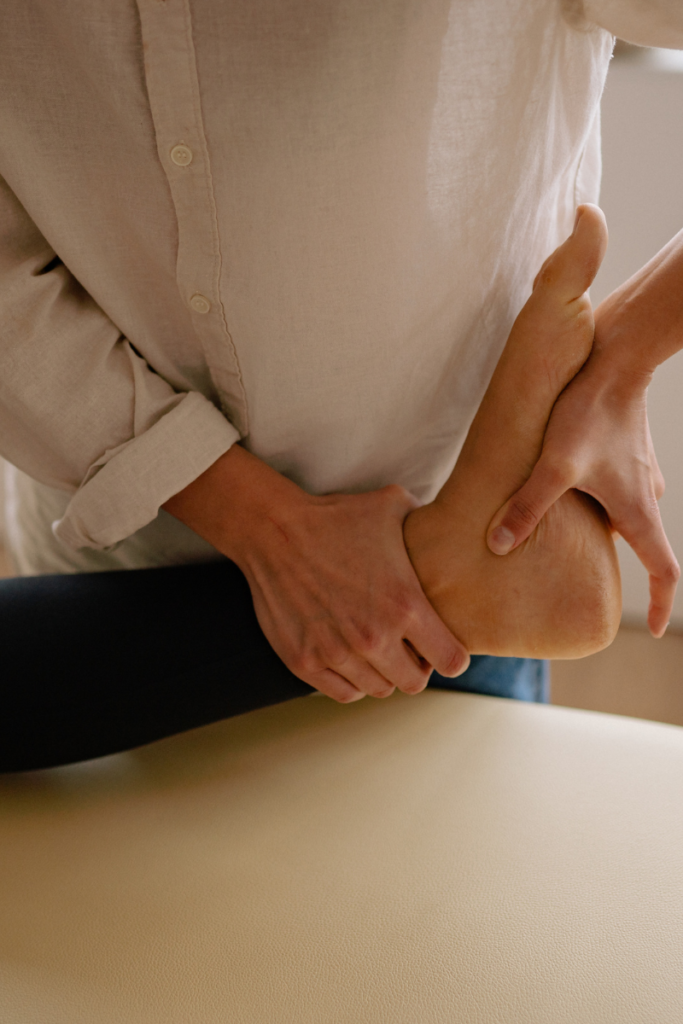
How Avoiding Movement Can Slow Recovery
While resting immediately after an injury is often appropriate, prolonged avoidance of movement can create unintended consequences. When people stop moving, muscles may weaken, joints may become stiffer, balance may decline, and endurance often decreases. Over time, even simple activities can begin to feel more difficult.
The body thrives on movement. When movement decreases significantly, physical capacity often declines as well. As strength and confidence decrease, fear may increase, creating a cycle that becomes increasingly difficult to break.
Confidence Plays a Major Role in Recovery
Physical healing is only one part of the recovery process. Confidence is equally important. Many patients reach a point where their tissues have largely healed, but they still hesitate to return to normal activities. They may avoid bending, lifting, exercising, driving, hiking, running, or participating in sports because they are worried something will happen again. Unfortunately, confidence does not automatically return when pain decreases.
It often needs to be rebuilt through gradual exposure to movement, successful experiences, and education about how the body heals. The more confidence people gain in their ability to move safely, the more likely they are to return to normal function.
Chronic Pain Can Reinforce Fear
Fear of movement is especially common among individuals living with chronic pain. When pain has been present for months or years, many people begin modifying their lives around avoiding discomfort. Activities they once enjoyed may gradually disappear from their routines. Some stop exercising. Others avoid travel, hobbies, social events, or household tasks.
Over time, this avoidance can reduce physical capacity even further and make recovery feel increasingly overwhelming. The longer fear controls activity choices, the more difficult it can become to regain confidence. This does not mean symptoms are imaginary. It means the relationship between pain, movement, and the nervous system becomes more complex over time.
Fear After Surgery Is Common
Surgery can create another layer of fear. Many patients worry about damaging surgical repairs, disrupting healing tissues, or undoing the benefits of the procedure. While appropriate precautions are important, excessive fear can sometimes slow progress. For example, a patient recovering from knee replacement surgery may avoid bending their knee because it feels uncomfortable. A shoulder surgery patient may hesitate to move their arm despite being cleared by their healthcare team.
When fear limits participation in rehabilitation, recovery often becomes more challenging. Education and guided movement are essential components of rebuilding trust in the body after surgery.
Previous Injuries Can Influence Future Recovery
Past experiences often shape future behavior. Someone who has suffered multiple ankle sprains may become nervous walking on uneven surfaces. A person who previously injured their back while lifting may avoid lifting altogether for years. While these reactions are understandable, they can sometimes persist long after the body has recovered.
The brain remembers previous painful experiences and may become more protective in similar situations. Part of rehabilitation involves helping patients recognize when those protective responses are no longer necessary.
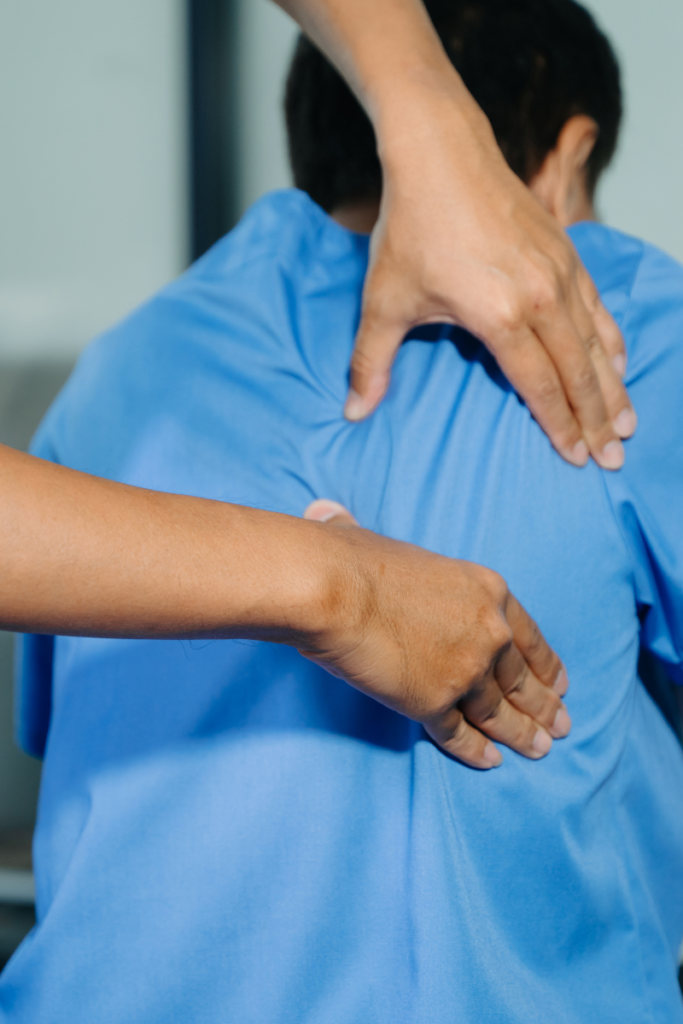
Gradual Movement Helps Rebuild Trust
One of the most effective ways to reduce fear of movement is through gradual exposure. Rather than avoiding activities completely, patients often benefit from slowly reintroducing movement in a safe, controlled manner. Small successes build confidence.
Walking a little farther, lifting a slightly heavier object, returning to a favorite activity, or completing an exercise without setbacks can help demonstrate that movement is safe. Over time, these experiences help retrain both the body and the nervous system. The goal is not forcing people through pain. The goal is helping them rediscover what they are capable of doing.
How Physical Therapy Helps Address Fear of Movement
Physical therapy addresses more than muscles and joints. A physical therapist helps patients understand their condition, identify barriers to recovery, and develop strategies to safely return to activity.
According to the American Physical Therapy Association (APTA), physical therapy can help improve strength, mobility, balance, confidence, and overall function while supporting long-term recovery.
Treatment may include:
- Gradual exercise progression
- Education about pain and healing
- Balance and mobility training
- Strengthening programs
- Functional movement practice
- Goal-based rehabilitation
- Activity modification strategies
As confidence improves, many patients discover they are capable of far more than they initially believed.
Recovery Requires Both Physical and Mental Progress
Healing is rarely just about repairing tissues. Successful recovery often involves rebuilding strength, mobility, endurance, confidence, and trust in the body. When fear of movement remains unaddressed, it can become a major barrier to progress.
The good news is that fear does not have to define recovery. With the right guidance, education, and gradual return to activity, many people can overcome movement-related fears and regain the ability to participate in the activities that matter most.
Ready to Move With Confidence Again?
If pain, fear of reinjury, or movement-related anxiety is slowing your recovery, the team at Reform Physical Therapy can help. Contact one of our 7 Southern Maine locations today to schedule an evaluation and learn how personalized physical therapy can help you rebuild confidence, restore function, and return to the activities you enjoy.
RELATED PAGES:
- Injury Prevention for Weekend Warriors
- Overuse Injuries in Tradespeople and Work Performance
- Cracking or Popping Joints: What You Should Know
- Why Tight Hips Can Lead to Lower Back Pain
- Strength Training Injuries: Causes and Prevention
- Fall Risk Signs You Should Never Ignore