


The Most Common Summer Sports Injuries We See in Physical Therapy
Posted by: in Sports Rehabilitation on June 24, 2026
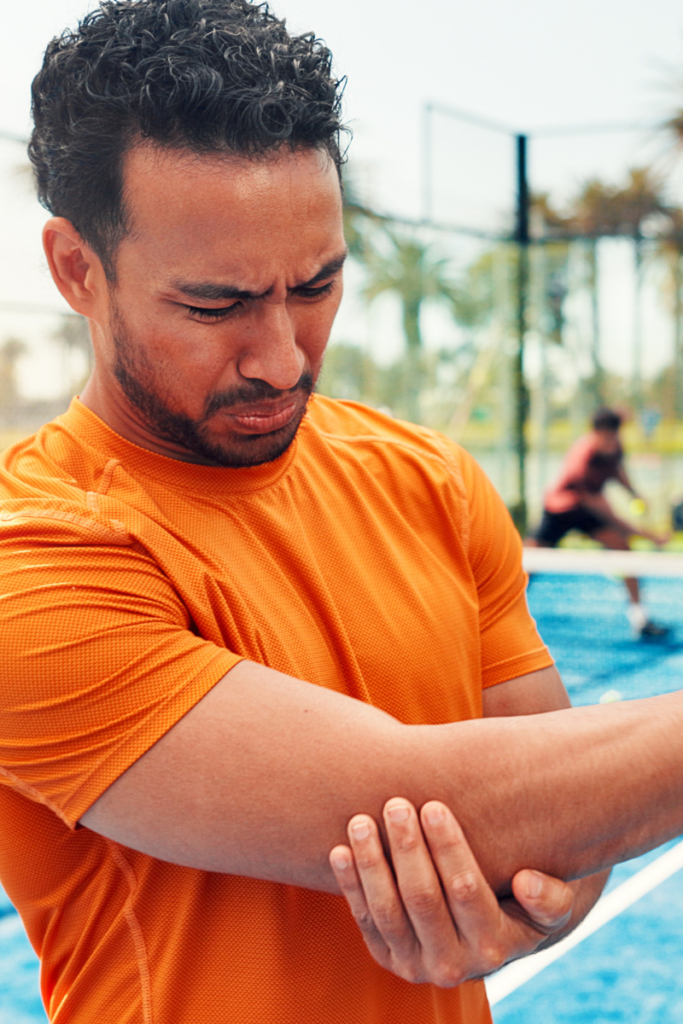
Summer is one of the most active times of the year, and with all this activity comes an increased risk of summer sports injuries. Longer days, warmer weather, and outdoor recreation opportunities encourage people to get moving. Whether it’s running local road races, playing pickleball, golfing, hiking Maine trails, cycling, swimming, tennis, softball, or simply becoming more active after a long winter, summer brings countless opportunities to enjoy the outdoors.
Unfortunately, it also brings an increase in injuries. At Reform Physical Therapy, we often see a noticeable rise in sports and activity-related injuries during the summer months. Many of these injuries occur because people increase their activity levels too quickly, participate in unfamiliar activities, or spend long periods exercising without adequate preparation. The good news is that many common summer sports injuries can be prevented or successfully treated when addressed early.
Why Summer Sports Injuries Increase
After months of colder weather, many people become eager to return to outdoor activities. Weekend warriors, recreational athletes, and active families often jump into sports, yard work, hiking, and exercise programs with enthusiasm. The challenge is that the body may not always be ready for the sudden increase in physical demands.
Muscles, tendons, joints, and ligaments need time to adapt to new workloads. When activity levels rise faster than the body’s ability to recover, injuries become more likely. Summer sports injuries are often the result of doing too much, too soon.
Summer Sports Injuries Commonly Affect the Shoulder
Shoulder injuries are among the most common summer sports injuries we treat. Activities such as tennis, pickleball, swimming, kayaking, softball, baseball, and golf all place significant demands on the shoulder. Repetitive overhead motions can irritate muscles, tendons, and joints, especially when strength, mobility, or movement mechanics are lacking.
Many patients develop:
- Rotator cuff irritation
- Shoulder impingement
- Tendonitis
- Shoulder instability
- Muscle strains
Shoulder pain often begins gradually before becoming severe enough to interfere with sports and daily activities.
Summer Sports Injuries Frequently Include Tennis Elbow
Despite its name, tennis elbow affects far more than just tennis players. Pickleball players, golfers, landscapers, gardeners, and recreational athletes frequently develop irritation along the outside of the elbow due to repetitive gripping and arm movements.
This type of overuse injury often starts as mild soreness but can progress into persistent pain that affects lifting, carrying, gripping, and sports performance. Because pickleball participation continues to grow rapidly, tennis elbow has become one of the most common summer sports injuries we encounter.
Ankle Sprains Remain a Summer Favorite
Few injuries occur as suddenly as an ankle sprain. Uneven terrain, hiking trails, beach activities, sports fields, and recreational games all increase the risk of rolling an ankle. Many people assume ankle sprains are minor injuries, but inadequate rehabilitation can lead to chronic instability and recurring problems.
Summer sports injuries involving the ankle often occur during:
- Hiking
- Trail running
- Soccer
- Basketball
- Volleyball
- Pickleball
- Recreational outdoor activities
Early treatment can help restore strength, balance, and confidence while reducing the likelihood of future sprains.
Knee Pain Is One of the Most Common Summer Sports Injuries
Knee pain is a frequent complaint among active adults during the summer months. Running races, hiking, pickleball, tennis, cycling, and recreational sports all place repeated stress on the knees. For some individuals, underlying mobility limitations or muscle weakness contribute to excessive strain around the joint.
Common summer sports injuries affecting the knee include:
- Patellofemoral pain syndrome
- Tendonitis
- Meniscus irritation
- Ligament sprains
- Overuse injuries
Many knee injuries develop gradually rather than occurring during a single event.

Summer Sports Injuries Often Affect the Lower Back
The lower back plays a major role in nearly every athletic movement. Golf swings, tennis serves, pickleball shots, lifting coolers, yard work, kayaking, and long bike rides all require the spine to absorb and transfer force efficiently.
When mobility, strength, or endurance are lacking, the lower back often compensates. As a result, lower back strains become one of the most common summer sports injuries seen in physical therapy clinics.
Achilles Tendon Injuries Increase During Summer Activities
The Achilles tendon connects the calf muscles to the heel and plays a critical role in walking, running, jumping, and pushing off during movement. Summer activities often involve more running, hiking, court sports, and recreational exercise than people perform during colder months.
This sudden increase in workload can irritate the Achilles tendon and contribute to:
- Achilles tendonitis
- Tendinopathy
- Calf strains
- Reduced ankle mobility
Ignoring early symptoms frequently leads to more significant problems later.
Plantar Fasciitis Is Common Among Active Adults
Many people begin walking, hiking, traveling, and exercising more during the summer. While increased activity offers tremendous health benefits, it can also contribute to foot pain, particularly plantar fasciitis. This condition often causes sharp pain near the heel, especially during the first few steps in the morning or after periods of inactivity.
Without proper treatment, plantar fasciitis can become a frustrating condition that limits participation in favorite summer activities.
Heat and Fatigue Can Increase Injury Risk
Not all summer sports injuries occur because of poor movement mechanics. Heat, dehydration, and fatigue can significantly affect athletic performance and injury risk.
When the body becomes fatigued, coordination decreases, reaction times slow, and movement quality often suffers. These changes can increase the likelihood of falls, strains, sprains, and overuse injuries. Staying hydrated, taking breaks, and gradually increasing activity levels are important parts of injury prevention.
Why Recreational Athletes Often Get Hurt
Many summer athletes are not training year-round. Instead, they become highly active during warmer months after spending much of the winter and spring less active. This sudden spike in activity places increased stress on tissues that may not be adequately prepared.
Weekend tournaments, long hikes, back-to-back pickleball matches, and ambitious exercise programs often sound great in theory but can quickly overwhelm the body’s ability to recover. Consistency is often more important than intensity when it comes to injury prevention.
How Physical Therapy Helps Summer Sports Injuries
Physical therapy can help both prevent and treat summer sports injuries.
According to the American Physical Therapy Association (APTA), physical therapy can improve mobility, strength, balance, flexibility, movement quality, and recovery while reducing injury risk.
Treatment may include:
- Strength training
- Mobility exercises
- Balance training
- Manual therapy
- Movement analysis
- Sport-specific rehabilitation
- Injury prevention programs
- Return-to-sport planning
The goal is not simply relieving symptoms but helping patients return safely to the activities they enjoy.
Stay Active All Summer Long
Summer is meant to be enjoyed. Whether you love running, hiking, golfing, pickleball, swimming, cycling, tennis, or simply spending more time outdoors, staying active provides tremendous physical and mental health benefits.
Understanding the most common summer sports injuries we see in physical therapy can help you recognize early warning signs, address problems before they worsen, and keep moving throughout the season.
Don’t Let Pain Sideline Your Summer
If pain, stiffness, weakness, or a sports-related injury is limiting your ability to enjoy summer activities, the team at Reform Physical Therapy can help. Contact one of our 7 Southern Maine locations today to schedule an evaluation and learn how physical therapy can help you recover, perform better, and stay active all season long.
RELATED PAGES:
- Gardening Hip Pain: How to Avoid Discomfort
- How to Prevent Shin Splints During Fall Running Season
- Tips for Staying Active Through Every Season in Maine
- Golf Injury Prevention: PT Tips to Avoid Pain This Season