


What Lobster Workers and Tradespeople Need to Know About Overuse Injuries
Posted by: in Work Injuries on May 18, 2026
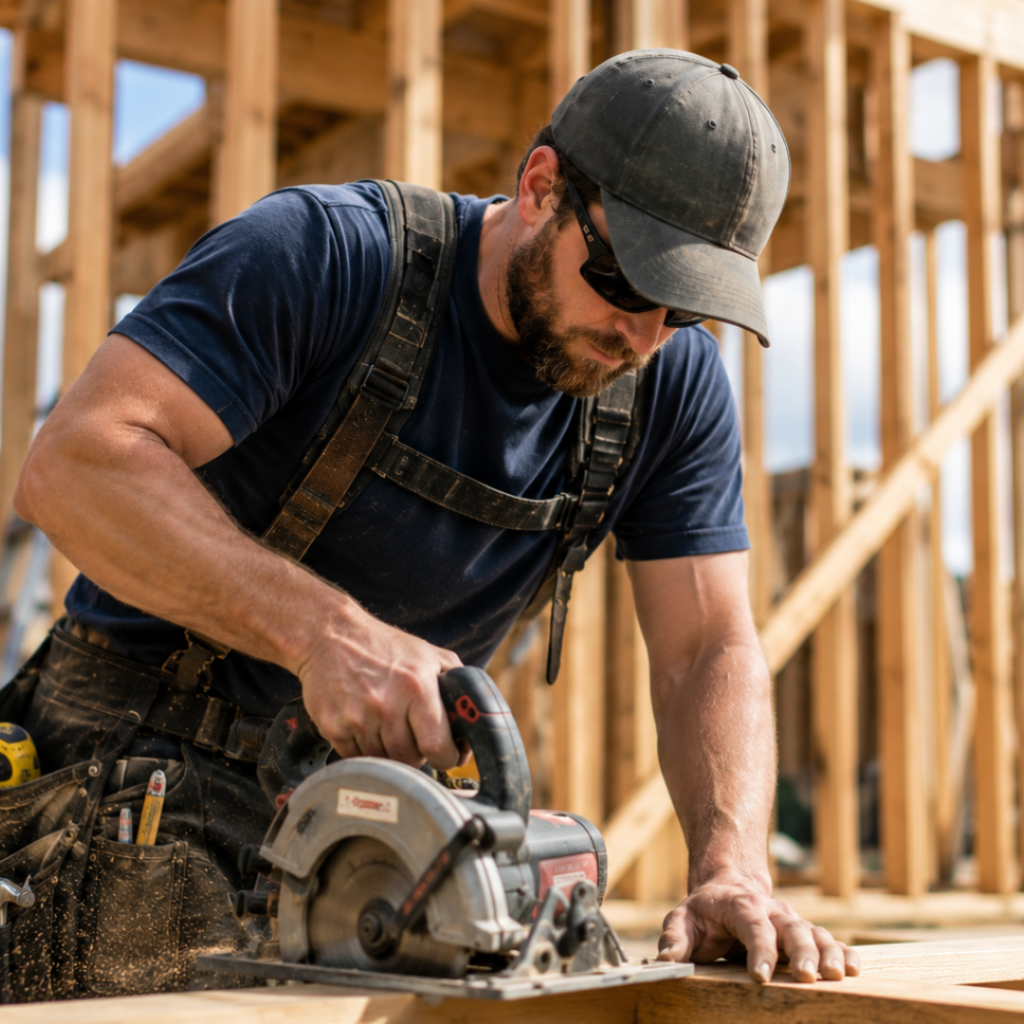
Physical jobs place a unique kind of stress on the body, and overuse injuries in tradespeople are a common result. Lobster workers, carpenters, electricians, mechanics, landscapers, fishermen, construction workers, welders, and other tradespeople often spend years performing repetitive movements, lifting heavy materials, bending, twisting, climbing, gripping tools, and working long hours in physically demanding environments. Many lobster workers and physically demanding careers experience overuse injuries in tradespeople due to years of repetitive lifting, pulling, gripping, and long work hours.
Over time, those repeated movements can begin to wear on the body. What may start as occasional soreness at the end of the workday can gradually turn into persistent pain, stiffness, weakness, numbness, or reduced mobility that begins affecting both work and daily life. At Reform Physical Therapy, we work with many hardworking individuals across Southern Maine whose jobs demand constant physical effort. One of the most common issues we see in these industries is overuse injuries.

What Is an Overuse Injury?
An overuse injury happens when repeated stress is placed on muscles, tendons, joints, or ligaments faster than the body can recover from it. Unlike sudden traumatic injuries, overuse injuries often develop gradually over time. Many tradespeople continue working through early symptoms because discomfort feels like “part of the job.” The challenge is that small aches and pains can slowly progress into more serious limitations if the underlying stress on the body is never addressed.
Overuse injuries commonly affect:
- Shoulders
- Lower back
- Neck
- Wrists and hands
- Knees
- Elbows
- Hips
These injuries may involve inflammation, tendon irritation, muscle strain, joint stress, nerve irritation, or movement compensations caused by repetitive physical demands.
Why Lobster Workers and Tradespeople Are at Higher Risk
Many physically demanding jobs require the same movement patterns over and over throughout the day. Repeated lifting, pulling traps, gripping equipment, climbing ladders, kneeling, carrying heavy loads, overhead work, and awkward body positioning can place continuous stress on the musculoskeletal system.
Lobster workers, in particular, often work in challenging environments involving uneven surfaces, cold temperatures, repetitive pulling motions, heavy lifting, and long hours on the water. Cold weather can also increase muscle stiffness and joint tension, making the body more vulnerable to strain.
Tradespeople frequently work through fatigue as well. When muscles become exhausted, the body often begins compensating with poor movement patterns or additional stress placed on other joints and muscles. Over time, these compensations can contribute to chronic pain and injury. The repetitive physical demands associated with fishing, construction, and skilled labor make overuse injuries in tradespeople extremely common across these industries.
Early Warning Signs Should Not Be Ignored
One of the biggest mistakes people make with overuse injuries is waiting too long to address symptoms. Many workers assume soreness is simply part of having a physical job. While physical labor naturally creates fatigue, persistent pain or recurring symptoms are often warning signs that the body is struggling to keep up with the demands being placed on it.
Some common early signs of overuse injuries include:
- Pain that worsens throughout the workday
- Morning stiffness
- Weakness with lifting or gripping
- Numbness or tingling
- Reduced mobility
- Swelling or tenderness
- Persistent tightness
- Pain that returns repeatedly
- Difficulty recovering between work shifts
Ignoring these symptoms can sometimes allow minor problems to become more significant injuries that require longer recovery time. Recognizing the early symptoms of overuse injuries in tradespeople can help prevent more serious long-term damage and chronic pain.
Shoulder and Back Injuries Are Extremely Common
Shoulders and lower backs are two of the most commonly affected areas among tradespeople and lobster workers. The shoulder is heavily involved in lifting, pulling, reaching, carrying, and repetitive arm movements. Over time, the rotator cuff and surrounding muscles can become irritated or overloaded, especially when movement mechanics are poor or muscles become fatigued.
Lower back pain is also extremely common due to repetitive lifting, twisting, bending, carrying heavy loads, and prolonged physical labor. Many workers begin compensating around stiffness or weakness without realizing it, which can place additional strain on nearby muscles and joints. The body is designed to move, but repetitive stress without proper recovery can eventually overwhelm even strong, active individuals.
Repetitive Strain Can Affect More Than Muscles
Overuse injuries are not limited to sore muscles alone. Repetitive stress can also affect tendons, joints, and nerves. Conditions like tendonitis, nerve irritation, carpal tunnel symptoms, and chronic joint inflammation are common among people performing repetitive physical labor.
Grip-intensive jobs can place constant stress on the wrists, hands, elbows, and forearms. Kneeling and climbing may contribute to knee pain. Prolonged awkward positioning can create neck tension, headaches, and nerve-related symptoms. In many cases, the issue is not a single movement itself, but the combination of repetition, force, fatigue, posture, and lack of recovery over time.
Preventing Overuse Injuries Matters
Many people assume pain is unavoidable in physical labor industries, but prevention strategies can make a major difference. Strength, mobility, posture, lifting mechanics, movement efficiency, and recovery habits all play important roles in protecting the body during physically demanding work.
Simple prevention strategies may include:
- Improving lifting mechanics
- Taking movement breaks when possible
- Strengthening supporting muscles
- Improving flexibility and mobility
- Addressing symptoms early
- Improving body mechanics during repetitive tasks
- Using recovery techniques consistently
- Avoiding prolonged compensation patterns
Small changes often become important over the course of long careers involving physical labor.
Physical Therapy Can Help Workers Stay Active Longer
One of the goals of physical therapy is not only helping people recover from injuries but also helping them continue doing the work and activities that matter to them safely and comfortably. According to the American Physical Therapy Association (APTA), physical therapy can help improve movement, reduce pain, restore function, and prevent future injuries through individualized treatment plans.
Treatment for overuse injuries may include:
- Strengthening exercises
- Mobility work
- Manual therapy
- Postural retraining
- Movement analysis
- Injury prevention education
- Joint stabilization
- Stretching and recovery techniques
At Reform Physical Therapy, treatment plans are individualized based on the patient’s work demands, symptoms, goals, and movement patterns.
Your Body Should Not Have to “Push Through” Constant Pain
Many hardworking people are used to pushing through discomfort because they feel they have no other option. But persistent pain is not something the body should simply learn to tolerate indefinitely. Addressing overuse injuries early can often help prevent more serious problems later and support long-term mobility, strength, and career longevity.
Whether you work on the water, in construction, in the trades, or in another physically demanding industry, taking care of your body is part of protecting your ability to keep doing the work you depend on every day. The team at Reform Physical Therapy provides one-on-one care across all 7 Southern Maine locations to help patients recover from overuse injuries, improve movement, and stay active both on and off the job.
Ready to schedule your eval? Give us a call. We will get you scheduled quickly!
RELATED BLOG POSTS:
- Areas of Treatment
- How Physical Therapy Helps with Sciatica
- How Stress Shows Up as Physical Pain
- When to See a Physical Therapist