


When to See a Physical Therapist
Posted by: in Patient Education on December 28, 2025
Many people delay physical therapy because they are unsure if it is truly needed. Pain, stiffness, or movement issues often start small and slowly become part of everyday life. Over time, these problems can worsen and begin to limit daily activities. Knowing when to see a physical therapist can help you address issues early, reduce pain, and prevent long-term problems. Physical therapy is not only for serious injuries. It can also help with everyday movement challenges before they become more severe.

When to See a Physical Therapist for Pain That Lasts Longer Than a Few Weeks
Pain that does not improve after a couple of weeks is one of the most common reasons to see a physical therapist. While rest or medication may provide short-term relief, ongoing pain often means there is an underlying movement or strength issue that needs attention. Physical therapy helps identify the cause of pain and treats it with targeted movement, strengthening, and education rather than masking symptoms.

When to See a Physical Therapist for Pain That Keeps Coming Back
Recurring pain is a strong sign that something is not fully healed. Pain that goes away and then returns during activity, work, or exercise often points to poor movement patterns or muscle imbalances. Seeing a physical therapist can help break this cycle by addressing the root cause and teaching safer ways to move.
When to See a Physical Therapist for Stiffness or Limited Movement
If you notice stiffness when getting out of bed, standing up, or moving certain joints, it may be time to seek care. Limited movement can make simple tasks like bending, reaching, or walking more difficult. Physical therapy helps improve flexibility, joint mobility, and muscle balance so movement feels easier and more comfortable.

Balance Problems: When to Seek a Physical Therapist
Feeling unsteady on your feet, especially when walking, climbing stairs, or changing positions, should not be ignored. Balance issues increase the risk of falls and injury. Physical therapists are trained to improve balance, coordination, and strength. Addressing balance problems early can help you move with more confidence and safety.
Pain During Everyday Activities
Pain that appears during normal daily tasks such as walking, lifting, sitting, or standing is a sign that your body may need support. Ignoring this pain can lead to further strain and injury. Physical therapy focuses on improving how your body moves during everyday activities, not just exercise.
After an Injury or Surgery
Physical therapy is often recommended after injuries or surgery, but many people wait too long to start. Delaying care can slow recovery and increase stiffness or weakness. Early physical therapy helps restore movement, rebuild strength, and support safe healing.
You Are Unsure If Physical Therapy Is Right for You
You do not need to be certain before seeing a physical therapist. An evaluation can help determine whether physical therapy is appropriate or if another type of care is needed.
Physical therapists are trained to assess movement issues and guide patients toward the right next steps.
How Physical Therapy Helps
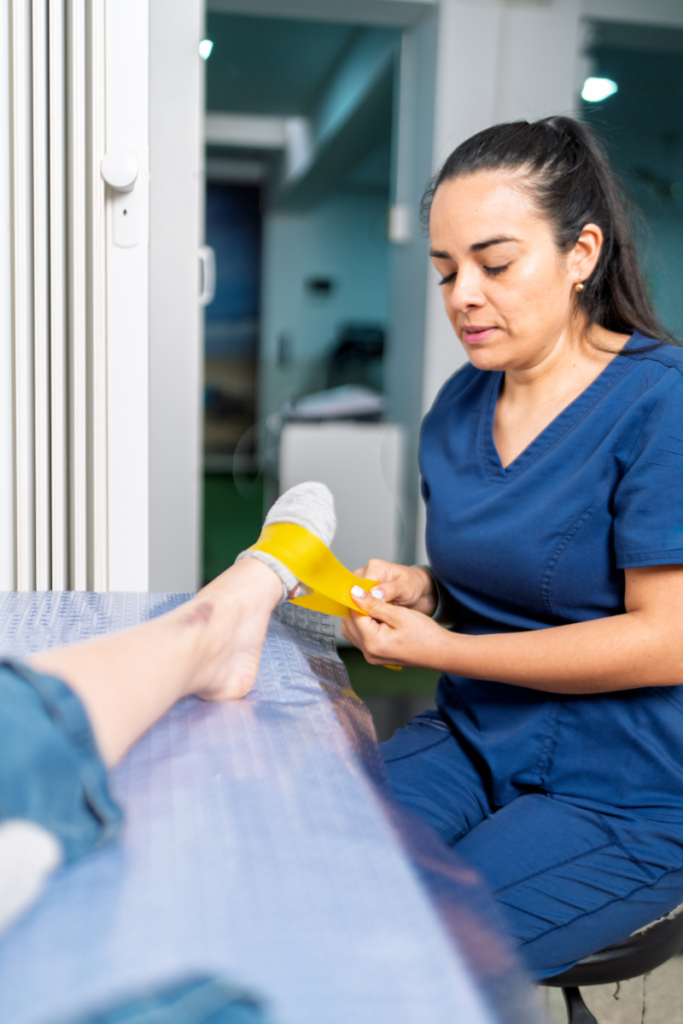
Physical therapy focuses on improving strength, flexibility, balance, and movement. Treatment plans are personalized to your needs, goals, and daily activities. In addition to hands-on care and exercises, physical therapists provide education to help prevent future problems and support long-term health.
How Reform Physical Therapy Can Help
At Reform Physical Therapy, we provide one-on-one care designed to help patients move better and feel stronger. Our team takes the time to understand your concerns and create a plan that fits your lifestyle. Whether you are dealing with pain, stiffness, balance issues, or recovering from injury, physical therapy can help you get back to doing what you enjoy.
Not sure if it’s time to see a physical therapist? Contact Reform Physical Therapy to schedule an evaluation and get guidance on the right next step for your care.