

Why Recreational Athletes Often Get Injured More Than Competitive Athletes
Posted by: in Sports Rehabilitation on June 18, 2026
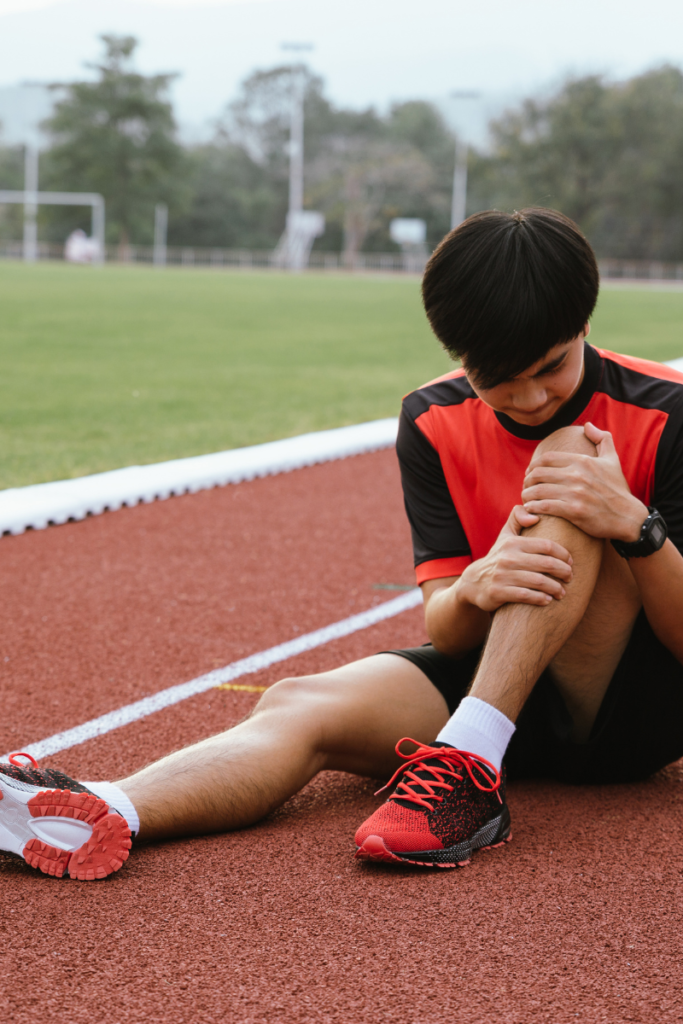
When most people think about sports injuries, they picture elite athletes pushing their bodies to the limit. Professional athletes, college competitors, and high-level performers often seem like the most likely candidates for injuries because of the intensity of their training and competition schedules. However, it may come as a surprise how often recreational athletes get injured, and in fact, recreational athletes are often at an even greater risk of injury.
At Reform Physical Therapy, we frequently treat runners, golfers, pickleball players, hikers, cyclists, gym enthusiasts, weekend warriors, and recreational sports participants who are sidelined by injuries that may have been preventable. The issue is not that recreational athletes are less capable. In many cases, they simply lack some of the resources, preparation, recovery strategies, and structured training programs that competitive athletes rely on every day.
Understanding why recreational athletes often get injured more than competitive athletes can help active adults stay healthy, improve performance, and continue participating in the activities they love.
Competitive Athletes Train for Their Sport
One of the biggest differences between competitive and recreational athletes is preparation. Competitive athletes typically follow structured training programs designed specifically for their sport. Their workouts are carefully planned to improve strength, endurance, mobility, speed, agility, and recovery.
They do not simply play their sport. They train for it. For example, a competitive soccer player spends time building lower-body strength, improving balance, enhancing flexibility, and developing movement skills that support performance while reducing injury risk.
Many recreational athletes skip these foundational components and focus almost entirely on the activity itself.
A recreational runner may run several days per week but never perform strength training. A golfer may play multiple rounds every week without addressing mobility limitations. A pickleball player may spend hours on the court without incorporating balance or flexibility exercises.
Eventually, these gaps can increase injury risk.
Weekend Warriors Often Do Too Much Too Fast
Many recreational athletes have demanding jobs, family responsibilities, and busy schedules. As a result, they may spend most of the week sitting at a desk and then attempt to fit all their activity into weekends or a few intense workout sessions.
This pattern often creates what physical therapists call the “weekend warrior effect.” The body receives relatively little preparation throughout the week and is then suddenly exposed to high levels of physical demand. Muscles, tendons, joints, and ligaments may not be adequately prepared for the workload.
This dramatic spike in activity can increase the likelihood of strains, sprains, overuse injuries, and setbacks.
Recovery Often Gets Overlooked
Competitive athletes understand that recovery is part of training. Professional and collegiate athletes often prioritize sleep, hydration, mobility work, nutrition, stretching, recovery sessions, and rest days. They recognize that progress happens not only during training but also during recovery.
Recreational athletes frequently underestimate this aspect of performance. Many active adults push through fatigue, soreness, and minor injuries because they only have limited opportunities to exercise. Over time, inadequate recovery can increase stress on the body and contribute to injury development. Recovery is not a sign of weakness. It is an important component of long-term athletic success.
Minor Pain Is Often Ignored
Competitive athletes typically have access to coaches, athletic trainers, sports medicine professionals, and physical therapists who can identify issues early. Recreational athletes often do not.
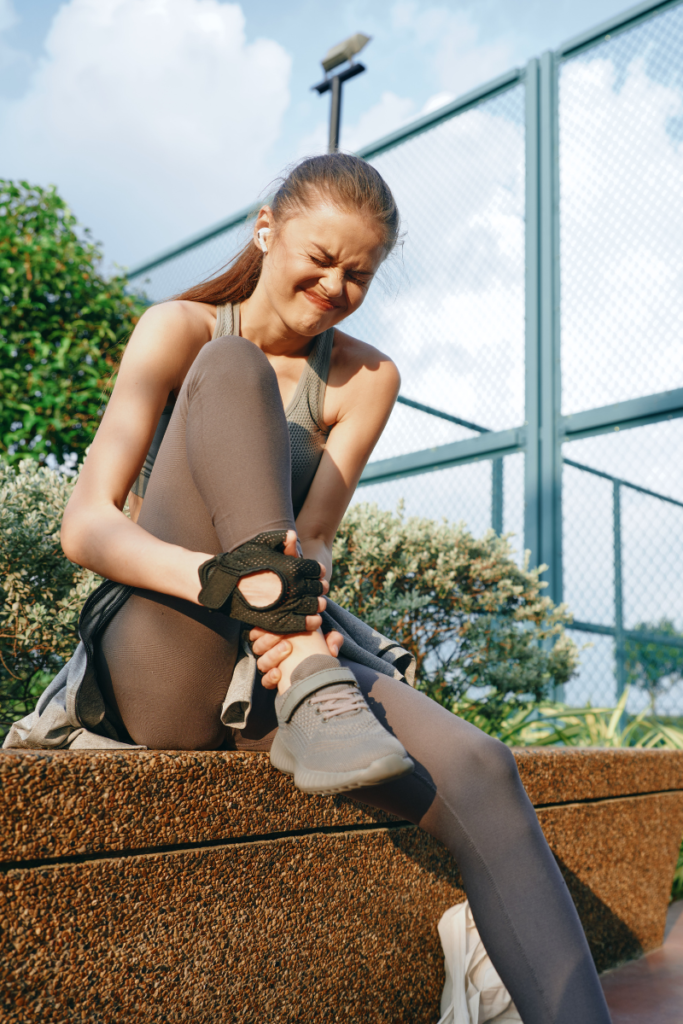
As a result, many active adults continue exercising despite persistent pain, stiffness, swelling, or movement limitations. What begins as a minor annoyance can gradually develop into a more significant injury. Many people wait until symptoms interfere with daily activities before seeking help. Addressing small issues early often prevents larger problems later.
Strength Training Is Frequently Missing
One of the most common injury risk factors among recreational athletes is inadequate strength training. Strength helps support joints, absorb force, improve movement mechanics, and enhance overall athletic performance. Unfortunately, many recreational athletes focus almost exclusively on their chosen activity.
Runners run. Cyclists ride. Pickleball players play pickleball. While sport-specific practice is important, the body benefits from a more comprehensive approach that includes strength development throughout the entire kinetic chain. Without sufficient strength, tissues may become overloaded and more vulnerable to injury.
Mobility Limitations Can Create Problems
Mobility is another area where recreational athletes often struggle. Sitting for long periods, working at a desk, previous injuries, and aging-related changes can all reduce flexibility and joint mobility over time.
When mobility is limited, the body frequently compensates by moving differently. These compensations may place excessive stress on certain muscles, tendons, or joints. For example, restricted hip mobility may contribute to knee pain during running. Limited ankle mobility can affect squatting mechanics. Shoulder stiffness may increase the risk of injuries during golf, tennis, or overhead sports. Competitive athletes often address mobility deficits regularly as part of their training programs.
Recreational Athletes May Be Less Consistent
Consistency matters.
Competitive athletes generally maintain structured routines year-round. Recreational athletes often experience periods of high activity followed by periods of inactivity. For example, someone may train aggressively for a 5K race, complete the event, then reduce activity significantly before jumping into another challenge months later.
These fluctuations can make it difficult for the body to adapt gradually and may increase injury risk when activity levels suddenly increase. The body typically responds best to steady, progressive workloads.
Age Can Influence Injury Risk
Many recreational athletes begin participating in sports later in life or continue playing well into adulthood. This is something to celebrate. Staying active offers tremendous physical and mental health benefits. However, age-related changes in muscle mass, mobility, balance, recovery capacity, and tissue resilience can influence injury risk.
Competitive athletes often have training histories that began in childhood or adolescence, allowing their bodies to adapt gradually over many years. Recreational athletes may be returning to sports after long periods of inactivity or exploring new activities for the first time. This makes preparation and injury prevention especially important.
Sports Are Not the Problem
The solution is not avoiding activity. In fact, regular exercise remains one of the best things people can do for their health. Running, cycling, golf, pickleball, hiking, tennis, strength training, and recreational sports all provide tremendous benefits.
The key is preparing the body appropriately for the demands of the activity. Strength, mobility, balance, recovery, and movement quality all play important roles in helping recreational athletes stay healthy and perform at their best.
How Physical Therapy Can Help Recreational Athletes
Physical therapy is not just for injury recovery. Many recreational athletes use physical therapy proactively to improve performance, identify movement limitations, reduce injury risk, and address minor issues before they become major problems.
According to the American Physical Therapy Association (APTA) – Sports Physical Therapy, physical therapy can help improve strength, flexibility, mobility, balance, coordination, and sport-specific performance while reducing injury risk.
Treatment may include:
- Strength training
- Mobility exercises
- Balance training
- Running or movement analysis
- Sport-specific conditioning
- Injury prevention strategies
- Recovery recommendations
- Return-to-sport planning
Every program is individualized based on the athlete’s goals, sport, and current abilities.
Staying Active for the Long Term
The goal is not simply avoiding injuries this season. The goal is building a body that can continue participating in the activities you enjoy for years to come. Recreational athletes often have careers, families, travel plans, hobbies, and countless responsibilities outside of sports.
Staying healthy allows you to keep doing what you love both on and off the field, court, trail, course, or gym. With proper preparation, smart training, adequate recovery, and attention to movement quality, recreational athletes can significantly reduce injury risk and enjoy a lifetime of activity.
Ready to Stay in the Game?
If recurring injuries, pain, mobility limitations, or movement concerns are affecting your ability to stay active, the team at Reform Physical Therapy can help. Contact one of our 7 Southern Maine locations today to schedule an evaluation and learn how physical therapy can help you move better, perform better, and stay active longer.
RELATED PAGES:
- Sports Rehabilitation Physical Therapy
- Symptoms Linked to Vestibular Dysfunction Explained
- Treating Chronic Pain for Lasting Recovery
- What Is Dry Needling, Who Can Benefit, and How It Helps
- Rotator Cuff Surgery Recovery | What to Expect After Surgery
- Physical Therapy Pain Relief | Reduce Pain Without Medication