


Why Your Gardening Routine Might Be Causing Hip Pain
Posted by: in Back Pain, Chronic Pain, Injury Prevention, Patient Education, Physical Therapy, Seasonal Injury Prevention, Seasonal Tips on May 29, 2026
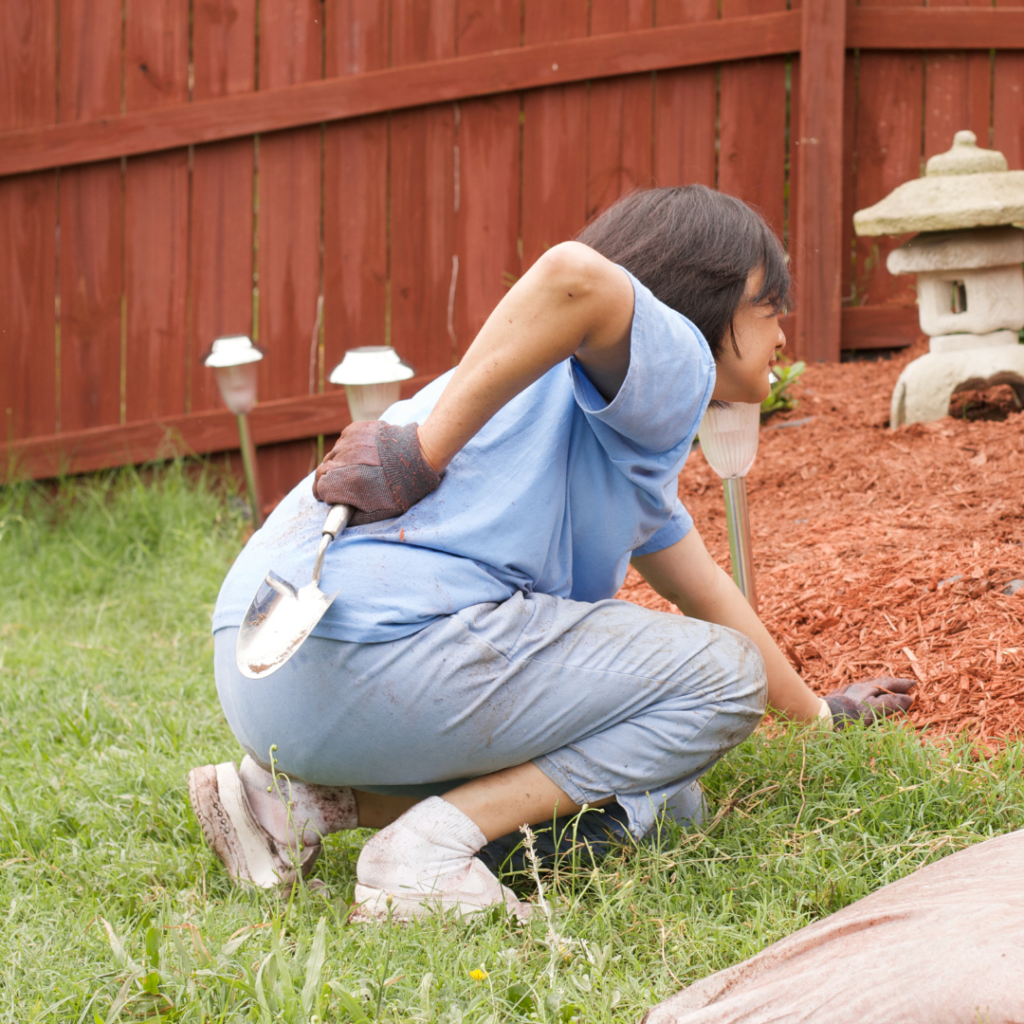
For many people, gardening is one of the most rewarding parts of spring and summer. However, gardening hip pain can be a common problem if certain movements aren’t done with care. It gets you outdoors, keeps you active, and provides a sense of accomplishment that few hobbies can match. Whether you’re planting flowers, pulling weeds, spreading mulch, trimming shrubs, or maintaining a vegetable garden, gardening can be a great form of physical activity.
But if you’ve ever stood up after a few hours in the garden and felt stiffness, aching, or sharp pain in your hips, you’re not alone.
At Reform Physical Therapy, we often see patients whose hip pain begins or worsens during gardening season. Many are surprised because gardening doesn’t feel like a workout. In reality, gardening involves repetitive movements, prolonged positions, bending, squatting, lifting, twisting, and kneeling that can place significant stress on the hips and surrounding muscles.
Why Gardening Can Be Tough on Your Hips
Many gardening tasks require your body to remain in positions that it was never designed to hold for extended periods. When you’re planting flowers, pulling weeds, or working close to the ground, your hips often stay flexed for long periods. This means the front of the hip remains shortened while surrounding muscles work continuously to stabilize your body.
Over time, these positions can create muscle fatigue, joint irritation, and increased stress on the hip structures. The longer you remain in these positions without changing posture or taking breaks, the more likely discomfort may develop. Unlike a gym workout where activity is often broken into short intervals, gardening sessions frequently last several hours without much rest, placing continuous demands on the body.
Repetitive Bending and Squatting Add Up
Most gardeners don’t think twice about repeatedly bending over throughout the day. You may bend hundreds of times while planting, trimming, pruning, watering, or pulling weeds. Each bend places stress not only on the lower back but also on the hips, glutes, and surrounding muscles.
Squatting creates additional demands. While squatting is a healthy movement pattern, repeatedly moving in and out of deep squat positions can become challenging if hip mobility, strength, or balance are limited. When muscles begin to fatigue, the body often compensates by shifting movement patterns. These compensations can place additional strain on the hips and may contribute to pain over time.
Tight Hip Flexors Are a Common Culprit
One of the most common contributors to gardening-related hip pain is tight hip flexor muscles. The hip flexors sit along the front of the hip and help lift the leg and stabilize movement. Long periods spent crouching, kneeling, sitting on gardening stools, or bending forward can leave these muscles feeling tight and overworked.
When hip flexors become excessively tight, they can alter movement mechanics throughout the pelvis, lower back, and hips. Some people experience aching in the front of the hip, while others notice stiffness when standing upright after gardening. Many gardeners assume this discomfort is simply part of getting older, but tight hip flexors are often a treatable issue.
Weak Glutes Can Increase Hip Stress
Your glute muscles play a major role in supporting the hips during movement. When the glutes are weak, the body may rely more heavily on smaller muscles around the hips and lower back to perform physical tasks. Over time, this can create additional stress on joints, tendons, and surrounding tissues.
Gardening activities such as lifting bags of soil, carrying watering cans, pushing wheelbarrows, or repeatedly standing from kneeling positions all require strong hip and glute muscles. Without adequate strength, even relatively simple gardening tasks can become more demanding than they should be.
Lifting Mulch, Soil, and Garden Supplies Can Trigger Pain
Gardening often involves more lifting than people realize. Bags of mulch, topsoil, fertilizer, potted plants, stones, and gardening equipment can place substantial strain on the hips and lower back when lifting mechanics are poor.
Many injuries occur when someone bends at the waist, twists while carrying a load, or lifts something heavier than expected. These movements can irritate existing hip issues or create new pain, especially when repeated throughout an entire weekend of yard work.
Arthritis Can Become More Noticeable During Gardening Season
For individuals with hip arthritis, gardening season often brings a noticeable increase in symptoms. The combination of repetitive movement, prolonged positioning, and increased physical activity can aggravate already sensitive joints.
People with arthritis commonly report:
- Morning stiffness after gardening days
- Increased discomfort when standing up
- Reduced hip mobility
- Aching after prolonged activity
- Difficulty walking long distances following yard work
While arthritis may contribute to symptoms, movement itself is not usually the problem. Often, modifying activity levels, improving strength, and addressing mobility limitations can help reduce discomfort significantly.
Poor Balance and Mobility Can Change How You Move
Hip pain is not always caused directly by the hip joint itself. Limited ankle mobility, poor balance, weak core muscles, and reduced flexibility can all influence how forces travel through the body during movement.
For example, if someone has difficulty squatting because of ankle stiffness, they may place extra stress on their hips instead. Similarly, balance limitations may cause compensatory movement patterns that increase strain on certain muscles and joints. The body functions as a connected system, which is why identifying the root cause of symptoms is so important.
Ignoring Early Pain Often Leads to Bigger Problems
Many gardeners try to push through discomfort because they don’t want to stop doing something they enjoy. Unfortunately, ignoring pain often allows small problems to become larger ones.
What starts as occasional soreness may eventually develop into:
- Persistent hip pain
- Reduced mobility
- Difficulty walking
- Lower back discomfort
- Muscle strains
- Tendon irritation
- Balance issues
Addressing symptoms early often allows for simpler treatment and a faster return to normal activities.
How Physical Therapy Can Help
Physical therapy can help identify why gardening activities are causing hip pain and develop strategies to address the underlying problem.
According to the American Physical Therapy Association (APTA), physical therapy can help improve mobility, strength, flexibility, balance, and movement patterns while reducing pain and improving function.
Treatment may include:
- Hip strengthening exercises
- Glute strengthening
- Mobility training
- Balance exercises
- Manual therapy
- Movement retraining
- Flexibility work
- Activity modification strategies
Every treatment plan is individualized based on the patient’s symptoms, goals, and daily activities.
Keep Gardening Without Letting Hip Pain Take Over
Gardening should be enjoyable, not something you have to recover from for days afterward.
If hip pain is making it harder to spend time outdoors, complete yard work, or enjoy your favorite hobby, it may be time to address the underlying cause rather than simply pushing through the discomfort.
With the right combination of strength, mobility, movement training, and recovery strategies, many gardeners can continue doing what they love while reducing pain and protecting their long-term joint health.
Ready to Get Back to Gardening Comfortably?
If hip pain is limiting your ability to enjoy gardening, yard work, or other outdoor activities, the team at Reform Physical Therapy can help. Contact one of our 7 Southern Maine locations today to schedule an evaluation and learn how personalized physical therapy can help you move with greater comfort, strength, and confidence.
RELATED POSTS:
- Treating Chronic Pain for Lasting Recovery
- Why Tight Hips Can Lead to Lower Back Pain | Reform Physical Therapy
- What Is Dry Needling | How Dry Needling Helps Pain
- Sitting Too Much Causes Pain | How Physical Therapy Can Help
- Physical Therapy for Knee Pain | Reform Physical Therapy
- Joint Protection Strategies: How to Reduce Pain and Stay Active
- Tried Everything for My Pain? What to Do Next