

rehabilitation

How Physical Therapy Helps Prevent Future Injuries, Not Just Treat Them
Posted by: in Injury Prevention & Recovery on June 29, 2026
Many people think of physical therapy as something you do after you’ve been injured. A sprained ankle, sore shoulder, knee pain, back injury, or post-surgical recovery often prompts someone to schedule their first physical therapy appointment. While physical therapy is highly effective for helping people recover from injuries, treatment is only part of the story—physical… Read More

How Fear of Movement Can Slow Recovery
Posted by: in Injury Prevention & Recovery on June 22, 2026
After an injury, surgery, or painful condition, it is completely normal to feel cautious about movement. However, it’s important to understand that fear of movement can slow recovery, even when your instincts are telling you to avoid activity. If bending, walking, lifting, reaching, exercising, or even getting out of bed caused pain recently, your natural… Read More
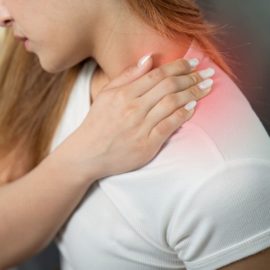
The Difference Between “Managing” Pain and Treating It
Posted by: in Chronic Pain on May 16, 2026
Pain has a way of affecting nearly every part of daily life. It can change how you move, how you sleep, how you work, and even how you think about your body. For many people, pain slowly becomes something they learn to work around instead of something they believe can actually improve. Treating chronic pain… Read More
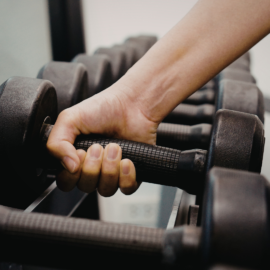
How Strength Training Helps Prevent Injuries
Posted by: in Injury Prevention on May 6, 2026
Strength training is often associated with building muscle or improving appearance, but one of its most important benefits is injury prevention. Whether you are active, getting back into exercise, or just trying to feel better day to day, building strength can protect your body in ways most people do not realize. In fact, understanding strength… Read More
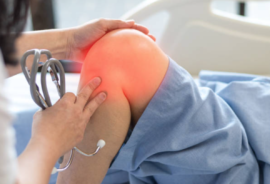
How to Avoid Stiffness After Surgery
Posted by: in Injury Recovery on April 15, 2026
After a procedure, many patients notice tightness or limited movement as they begin healing. Learning how to avoid stiffness after surgery is an important part of recovery and can help improve comfort, mobility, and long-term results. Stiffness can develop when joints are not moving, muscles become tight, or swelling limits motion. While some stiffness is… Read More
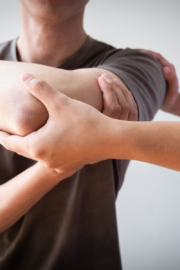
What to Expect After Rotator Cuff Surgery
Posted by: in Injury Recovery on April 13, 2026
Rotator cuff surgery recovery can take time, and many patients are unsure what to expect after their procedure. The rotator cuff is a group of muscles and tendons that help stabilize the shoulder and allow it to move properly. After surgery, the shoulder needs time to heal, and the recovery process plays a major role… Read More
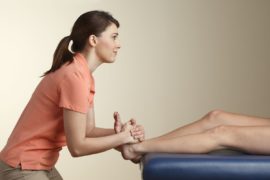
What Is Manual Therapy in Physical Therapy?
Posted by: in Injury Recovery on April 10, 2026
Manual therapy physical therapy is a hands-on treatment used to reduce pain, improve movement, and help the body heal after injury. Many people are not sure what manual therapy is, but it is a common part of physical therapy treatment for back pain, neck pain, joint stiffness, and muscle tightness. Manual therapy physical therapy involves… Read More
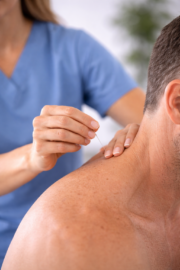
What Is Dry Needling and How Does It Help Pain?
Posted by: in Injury Recovery on April 8, 2026
Many patients ask what dry needling is and how it works to reduce pain. It is is a treatment used by physical therapists to help relieve muscle tightness, improve movement, and reduce discomfort. It involves using a very thin needle to target tight areas in the muscle called trigger points. Understanding this treatment can help… Read More

How Physical Therapy Reduces Pain Without Medication
Posted by: in Injury Recovery on April 6, 2026
Physical therapy pain relief is a safe and effective way to treat injuries, joint problems, and everyday discomfort without relying on medication. Many people believe pain can only be treated with pills, but physical therapy pain relief works by improving how the body moves and functions. Pain often develops because of muscle weakness, stiffness, poor… Read More
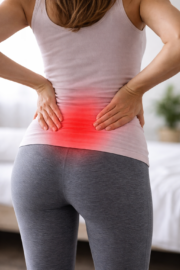
How Pelvic Floor Dysfunction Can Cause Back, Hip, and Core Pain
Posted by: in Health & Wellness on March 31, 2026
Pelvic floor dysfunction pain can cause discomfort in the lower back, hips, abdomen, and core muscles, even though many people do not realize the pelvic floor is involved. The pelvic floor muscles work together with the hips, spine, and core to support the body during everyday movement. When these muscles are weak, tight, or not… Read More