

reform physical therapy

Overuse Injuries
Not every injury happens because of a fall, twist, or sudden accident. Sometimes pain develops slowly. Overuse injury physical therapy can play a crucial role in addressing pain that emerges gradually from increased activity or repetitive motion. Maybe you started running more miles. You picked up extra shifts at work. You returned to the gym… Read More
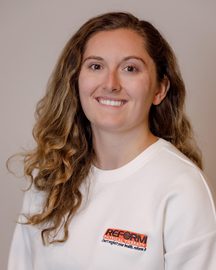
Emily O’Shea, PT, DPT
Helping You Move Better, Recover Stronger, and Return to What You Love Emily O’Shea, PT, DPT, is a physical therapist at Reform Physical Therapy’s Brunswick clinic. As a dedicated Brunswick physical therapist, she enjoys helping patients feel heard, supported, and confident as they work toward moving better and returning to the activities they love. Education… Read More
Head, Jaw & Upper Body
Pain in the head, jaw, neck, shoulder, elbow, wrist, or hand can affect almost every part of daily life. It may make it harder to eat, speak, sleep, work, drive, lift, type, exercise, or care for your family. Even a small movement can become frustrating when pain keeps returning. Upper body physical therapy can be… Read More
Orthopedic Conditions
Orthopedic conditions affect the muscles, joints, bones, tendons, ligaments, and other tissues that help your body move. Many people find that orthopedic physical therapy can play a vital role in recovery and improving mobility. These conditions can develop suddenly after an injury or gradually because of overuse, repetitive movements, aging, weakness, or changes in mobility…. Read More
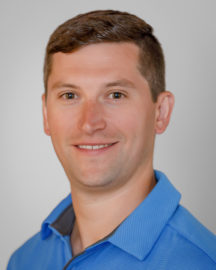
Max Langevin, PT, DPT
Helping You Recover Stronger, Move Better, and Return to What You Love Max Langevin, PT, DPT, is a physical therapist at Reform Physical Therapy’s Yarmouth clinic. He provides personalized care focused on helping individuals recover from injuries, rebuild strength, and return to the activities they love. Patients can expect expert support from him at every… Read More

Alexis (Lexi) Williams, PT, DPT
Helping You Move Better, Feel Stronger, and Get Back to What You Love Alexis “Lexi” Williams, PT, DPT, is a physical therapist at Reform Physical Therapy’s South Portland clinic. She is passionate about helping people regain confidence in their movement, reduce pain, and return to the activities that matter most to them. Lexi believes every… Read More
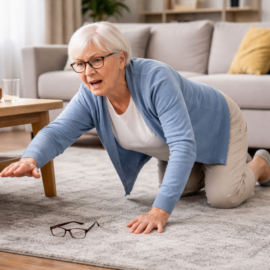
Signs Your Fall Risk Is Increasing
Posted by: in Health & Wellness on April 17, 2026
Fall risk increasing is something many people experience over time, often without realizing it right away. Changes in balance, strength, mobility, and reaction time can all make falls more likely. These changes may happen slowly, which is why they are often overlooked until a fall or injury occurs. Recognizing the early signs that fall risk… Read More
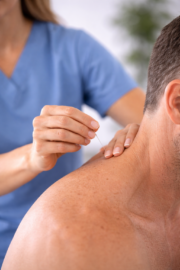
What Is Dry Needling and How Does It Help Pain?
Posted by: in Injury Recovery on April 8, 2026
Many patients ask what dry needling is and how it works to reduce pain. It is is a treatment used by physical therapists to help relieve muscle tightness, improve movement, and reduce discomfort. It involves using a very thin needle to target tight areas in the muscle called trigger points. Understanding this treatment can help… Read More

How Physical Therapy Reduces Pain Without Medication
Posted by: in Injury Recovery on April 6, 2026
Physical therapy pain relief is a safe and effective way to treat injuries, joint problems, and everyday discomfort without relying on medication. Many people believe pain can only be treated with pills, but physical therapy pain relief works by improving how the body moves and functions. Pain often develops because of muscle weakness, stiffness, poor… Read More
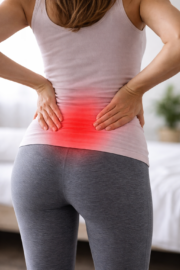
How Pelvic Floor Dysfunction Can Cause Back, Hip, and Core Pain
Posted by: in Health & Wellness on March 31, 2026
Pelvic floor dysfunction pain can cause discomfort in the lower back, hips, abdomen, and core muscles, even though many people do not realize the pelvic floor is involved. The pelvic floor muscles work together with the hips, spine, and core to support the body during everyday movement. When these muscles are weak, tight, or not… Read More