


The Surprising Connection Between Weak Glutes and Knee Pain
Posted by: in Knee Pain & Mobility on July 3, 2026
The Surprising Connection Between Weak Glutes and Knee Pain
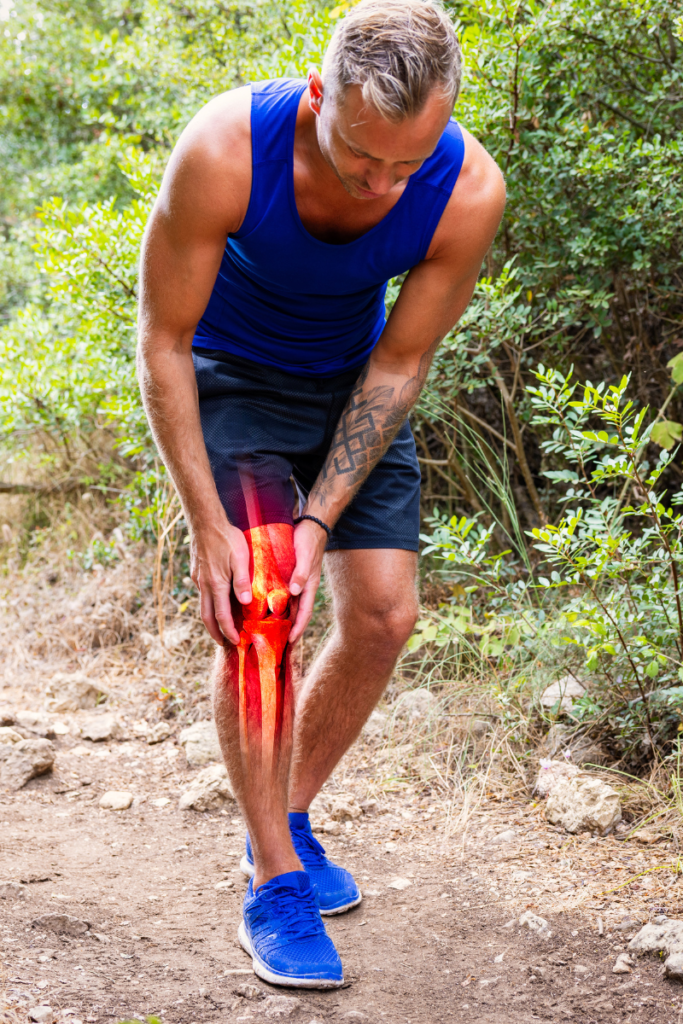
If you’ve been struggling with knee pain, it’s natural to assume the problem is in your knee. However, there is often a connection between weak glutes and knee pain that can be overlooked.
After all, that’s where the pain is. However, one of the most common causes of persistent knee pain actually begins somewhere else entirely: the glute muscles. The muscles in your hips and buttocks play a critical role in controlling how your legs move with every step you take. When these muscles become weak or fail to activate properly, your knees often end up doing more work than they were designed to handle.
At Reform Physical Therapy, we frequently evaluate patients who arrive seeking treatment for knee pain only to discover that weak glutes are a major contributor to their symptoms. Addressing the source of the problem not just the painful area often leads to better long-term results. Understanding the connection between weak glutes and knee pain can help you recover more effectively and reduce your risk of future injuries.
Your Glutes Do More Than You Think
The gluteal muscles are among the strongest and most important muscles in the body. The gluteus maximus generates power during walking, running, climbing stairs, and lifting. The gluteus medius and gluteus minimus help stabilize the pelvis and control the position of your hips and legs during movement.
Every time you walk, squat, run, jump, or stand on one leg, your glutes are working behind the scenes to keep your lower body aligned. When these muscles are functioning well, forces are distributed efficiently through your hips, knees, and ankles. When they are weak, other joints often have to compensate.
How Weak Glutes Increase Stress on the Knees
Your knees are designed to bend and straighten efficiently, but they rely on the muscles above and below them for stability. Weak glutes may allow the thigh to rotate inward or the knee to collapse toward the midline during activities such as walking, climbing stairs, running, landing from a jump, or squatting.
This altered alignment increases stress on the kneecap, ligaments, tendons, and surrounding soft tissues. Over time, these repeated movement patterns can contribute to irritation, inflammation, and chronic knee pain.
Knee Pain Isn’t Always a Knee Problem
One of the biggest misconceptions about musculoskeletal pain is that symptoms always originate where they are felt. The body functions as a connected system. For example, weak hip muscles may change how your knees move with every step. Even though the knee is painful, the underlying cause may actually be poor hip stability.
Treating only the knee may temporarily reduce symptoms, but if the glutes continue to underperform, the excessive stress often returns. This is why physical therapists evaluate the entire movement chain rather than focusing solely on the painful joint.
Common Conditions Linked to Weak Glutes
Weak glutes have been associated with several common knee conditions, including:
- Patellofemoral pain syndrome (runner’s knee)
- Iliotibial (IT) band syndrome
- Patellar tendon irritation
- Knee pain during squatting
- Knee pain while climbing stairs
- Overuse injuries in runners and recreational athletes
These conditions often improve more effectively when treatment addresses both the hips and the knees.
Sitting for Long Periods Can Weaken the Glutes
Modern lifestyles make it easy for the glutes to become less active. Many people spend hours sitting at work, commuting, or relaxing at home. Extended periods of sitting reduce how often these muscles are activated throughout the day.
Over time, the glutes may become weaker while other muscles begin compensating. When it’s time to exercise, hike, play pickleball, golf, or simply take a long walk, the body may not have the strength and stability needed to support efficient movement.
Athletes Are Not Immune
Even highly active people can develop weak glutes. Many runners, cyclists, golfers, and recreational athletes focus primarily on their sport without dedicating time to strengthening the muscles that support it.
A runner may log dozens of miles each week but rarely perform hip-strengthening exercises. A cyclist may have excellent cardiovascular fitness while still lacking adequate glute activation. Without balanced strength throughout the lower body, injury risk can increase.
Signs Your Glutes May Be Contributing to Knee Pain
While every person is different, certain signs may suggest the hips are playing a role in your symptoms.
You may notice knee pain when:
- Climbing or descending stairs
- Running or jogging
- Squatting
- Standing from a chair
- Hiking downhill
- Walking long distances
Some people also notice hip fatigue, difficulty balancing on one leg, or soreness around the outside of the hip after activity. These signs do not automatically mean your glutes are the problem, but they may indicate that a comprehensive evaluation would be beneficial.
Strength Alone Isn’t Enough
Having strong glutes is important, but strength is only part of the equation. The muscles must also activate at the right time and work together with the rest of the body. Movement quality, balance, coordination, flexibility, and core stability all influence how efficiently your lower body functions. Physical therapy focuses on improving both strength and movement patterns to create lasting improvements.
How Physical Therapy Helps
A physical therapist looks beyond the painful knee to identify why symptoms developed. Your evaluation may include assessing hip strength, glute activation, walking mechanics, balance, flexibility, mobility, and functional movements such as squatting or stair climbing.
According to the American Physical Therapy Association, physical therapy can help improve strength, movement quality, flexibility, balance, and overall function while reducing the risk of future injuries.
Treatment may include individualized strengthening exercises, movement retraining, balance activities, manual therapy, mobility work, and education to help improve how your entire lower body works together.
Stronger Glutes Support Healthier Knees
Knee pain is not always caused by damage inside the knee itself.
Sometimes the solution lies higher up the chain. Improving glute strength, restoring proper movement patterns, and addressing muscle imbalances can reduce stress on the knees and help you move with greater confidence.
Rather than simply treating symptoms, physical therapy focuses on identifying and correcting the underlying cause so you can stay active and reduce the likelihood of future pain.
Don’t Let Knee Pain Keep You on the Sidelines
If knee pain is interfering with your ability to walk, exercise, hike, run, play pickleball, or enjoy everyday activities, the team at Reform Physical Therapy can help. Through a comprehensive movement assessment, we’ll identify what’s contributing to your symptoms and create a personalized treatment plan designed to help you move better, feel stronger, and get back to doing what you love.
RELATED POSTS:
- Physical Therapy for Knee Pain
- Knee Pain from Your Hip: Understanding the Connection
- Treating Chronic Pain for Lasting Recovery
- Sitting Too Much Causes Pain | How Physical Therapy Can Help
- How Physical Therapy Helps Chronic Pain | Long-Term Pain Relief
- Prevent Future Injuries with Effective Strategies