


Why Your Knee Pain Might Actually Be Coming from Your Hip
Posted by: in Knee Pain & Mobility on June 14, 2026
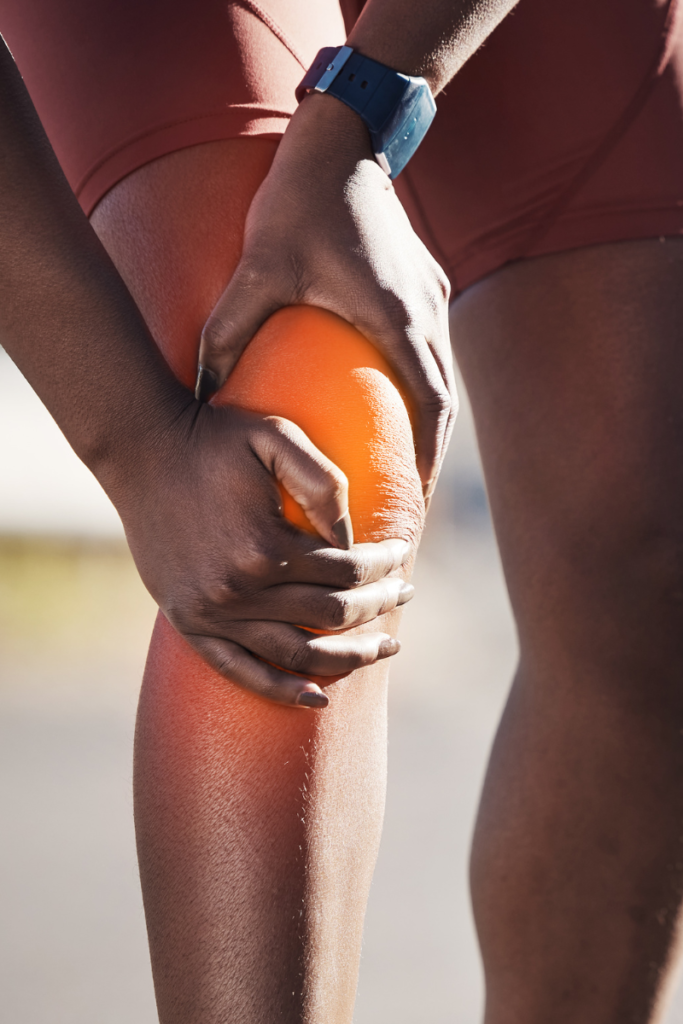
When knee pain strikes, most people naturally assume the knee itself is the problem. It makes sense. If your knee hurts when you walk, climb stairs, squat, exercise, or get out of a chair, why would you look anywhere else? The reality is that the body functions as a connected system. Pain is not always caused by the area where symptoms are felt. In many cases, knee pain may actually be linked to issues originating higher up the chain, particularly in the hips.
At Reform Physical Therapy, we frequently evaluate patients who arrive seeking treatment for knee pain only to discover that hip weakness, mobility restrictions, or movement dysfunctions are contributing significantly to their symptoms. Understanding the connection between the hip and knee can help explain why some knee problems persist despite rest, stretching, or other treatments focused solely on the knee itself.
The Hip and Knee Work Together
The hip and knee are closely connected during nearly every movement you perform. Walking, running, climbing stairs, squatting, standing from a chair, getting into a vehicle, exercising, and even balancing on one leg all require coordinated movement between these joints.
The hip acts as a major stabilizer for the lower body. Strong, mobile hips help control the position of the knee during movement. When the hip is functioning properly, forces are distributed efficiently throughout the leg. However, when the hip is weak, stiff, or moving inefficiently, the knee often absorbs additional stress. Over time, this extra strain can contribute to pain, irritation, and movement dysfunction.
Weak Hip Muscles Can Increase Knee Stress
One of the most common contributors to knee pain is weakness in the muscles surrounding the hip. The gluteal muscles, particularly the gluteus medius and gluteus maximus, play a critical role in stabilizing the pelvis and controlling leg alignment during movement.
When these muscles are weak, the knee may begin moving inward excessively during activities such as:
- Walking
- Running
- Squatting
- Lunging
- Climbing stairs
This altered movement pattern can increase stress on the knee joint, tendons, and surrounding tissues. Many patients are surprised to learn that strengthening the hip muscles often helps reduce knee pain significantly.
Hip Mobility Can Affect Knee Mechanics
Strength is only part of the equation. Hip mobility also plays a major role in how the knee functions.
When the hips become stiff or lose mobility, the body often compensates by forcing other joints to move differently. The knee frequently becomes one of the primary areas that absorbs these compensations.
Limited hip mobility may contribute to:
- Increased knee stress
- Altered walking mechanics
- Poor squat form
- Reduced balance
- Greater joint irritation
For example, if the hip cannot rotate properly during movement, the knee may twist or shift in ways that place additional strain on surrounding tissues. Over time, these compensations can contribute to persistent symptoms.
The Source of Pain Is Not Always the Location of Pain
One of the most important concepts in physical therapy is that pain does not always originate where it is felt. This is particularly true with knee pain. A patient may experience discomfort directly around the kneecap while the primary issue actually involves poor hip control. Another person may feel pain along the inside of the knee while hip weakness alters the alignment of the entire leg during walking.
Because the body functions as an interconnected system, identifying the root cause often requires evaluating movement patterns rather than focusing only on the painful area. This is one reason why some treatments fail to provide lasting relief. If the underlying cause remains unaddressed, symptoms may continue returning.
Runners Often Experience This Problem
Runners frequently develop knee pain related to hip dysfunction. During running, the hips help control leg alignment, absorb force, and stabilize the pelvis. Weakness in the hip muscles can allow excessive movement at the knee, increasing stress with every step.
Conditions such as runner’s knee, patellofemoral pain syndrome, and iliotibial (IT) band irritation are commonly associated with hip weakness and poor lower-body mechanics. Even highly active individuals may develop these issues if strength and movement quality are not adequately maintained.
Knee Pain While Climbing Stairs May Be a Clue
Many people notice knee pain most when climbing stairs. While several factors can contribute to stair-related discomfort, hip weakness is often part of the picture. Climbing stairs requires significant strength from the hips, glutes, quadriceps, and core muscles. If the hips are not providing adequate support, the knee may be forced to work harder than intended.
The result can be increased pressure around the kneecap and surrounding structures, leading to discomfort during everyday activities. For some patients, improving hip strength dramatically reduces stair-related knee pain.
Aging Can Change Hip Function
As we age, natural changes occur throughout the body. Muscle mass tends to decline, mobility may decrease, and previous injuries can begin affecting movement patterns. These changes often occur gradually, making them difficult to recognize. Many adults focus on the area that hurts without realizing the contributing factors may be developing elsewhere.
Hip weakness, stiffness, and balance deficits can all increase stress on the knees over time, especially during walking, exercise, gardening, hiking, and other recreational activities. Addressing these issues early can often help reduce pain and improve long-term function.
Why Rest Alone Doesn’t Always Work
When knee pain develops, many people instinctively reduce activity or rest. While temporary rest may calm symptoms, it often does not address the underlying issue. If hip weakness, mobility restrictions, or movement dysfunctions are contributing to knee pain, symptoms may return as soon as activity resumes.
This is one reason people often find themselves stuck in a cycle of pain, rest, temporary improvement, and recurring discomfort. Long-term solutions usually require addressing the root cause rather than simply avoiding activity.
How Physical Therapy Identifies the Real Problem
Physical therapy focuses on evaluating how the entire body moves together.
Rather than examining only the painful knee, a physical therapist may assess:
- Hip strength
- Hip mobility
- Walking mechanics
- Balance
- Core stability
- Movement patterns
- Flexibility
- Functional activities
According to the American Physical Therapy Association (APTA), physical therapy can help identify movement dysfunctions, improve strength and mobility, and reduce pain through individualized treatment plans. By understanding how different parts of the body interact, treatment can focus on correcting the true source of stress rather than simply managing symptoms.
Treating the Hip May Help Relieve the Knee
Many patients are surprised when their treatment plan includes exercises targeting the hips rather than the painful knee itself. However, improving hip strength, mobility, balance, and movement control often helps reduce excessive forces being transferred to the knee. When the hips function more efficiently, the knee frequently experiences less strain during everyday activities.
The goal is not simply reducing pain temporarily. The goal is improving how the entire movement system functions so symptoms are less likely to return.
Don’t Ignore Persistent Knee Pain
If knee pain is affecting your ability to walk, exercise, climb stairs, garden, play sports, or enjoy your daily activities, it may be worth looking beyond the knee itself.
The team at Reform Physical Therapy can help identify whether hip weakness, mobility limitations, or movement dysfunctions may be contributing to your symptoms. Contact one of our 7 Southern Maine locations today to schedule an evaluation and start moving more comfortably and confidently.
RELATED BLOG POSTS:
- Physical Therapy for Knee Pain
- Gardening Hip Pain: How to Avoid Discomfort
- Treating Chronic Pain for Lasting Recovery
- Sitting Too Much Causes Pain | How Physical Therapy Can Help
- Joint Protection Strategies: How to Reduce Pain and Stay Active
- How Physical Therapy Helps Chronic Pain | Long-Term Pain Relief
- Physical Therapy for Old Injuries: Is It Ever Too Late?