

Work Shouldn’t Hurt: How Physical Therapy Supports Workers’ Comp Recovery
Posted by: in Workers’ Compensation Recovery on August 31, 2025

When you get hurt on the job, it doesn’t just affect your body—it impacts your livelihood, your routines, and your peace of mind. Whether you’re lifting heavy materials, sitting at a desk all day, or on your feet for long shifts, workplace injuries are more common than most people realize. The good news? Physical therapy can play a vital role in helping you recover, rebuild strength, and safely return to work.
Common Workplace Injuries We See
Every job has its physical demands, and those demands can lead to different types of injuries. At Reform Physical Therapy, we frequently help patients with:
- Repetitive strain injuries (like carpal tunnel or tendonitis)
- Back and neck pain from heavy lifting or poor posture
- Sprains, strains, and overuse injuries from repetitive movements
- Slip, trip, and fall injuries in busy workplaces
- Shoulder and knee injuries from awkward motions or accidents
Even jobs that seem “low risk,” like office work, can create long-term issues if posture and ergonomics aren’t addressed.
Why Physical Therapy Matters for Workers’ Comp
Physical therapy is often a required part of the workers’ comp recovery process—and for good reason. Here’s why it’s so important:
- Faster Recovery: PT helps reduce pain and improve mobility, so you can heal more quickly.
- Safe Return to Work: Therapy is focused on restoring the specific movements and strength you need for your job.
- Injury Prevention: Our therapists teach techniques and exercises that reduce the chance of the same injury happening again.
- Personalized Care: Every treatment plan is tailored to your unique injury, job, and long-term health goals.
What to Expect at Reform PT
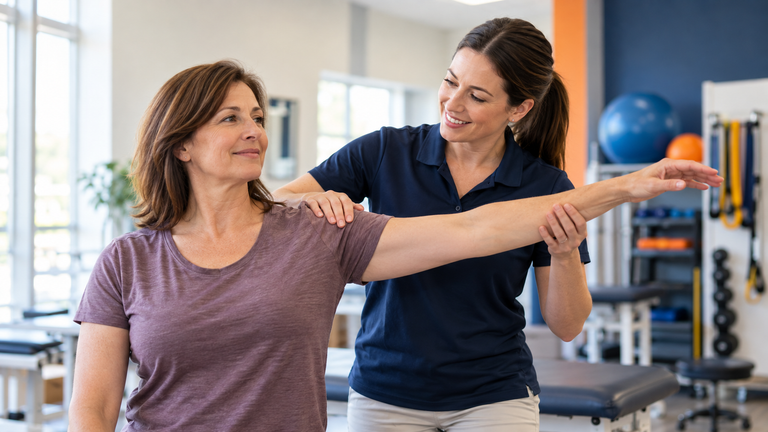
From your very first appointment, you’ll get one-on-one time with a licensed physical therapist. We’ll listen to your story, review your injury, and create a treatment plan designed just for you. This may include:
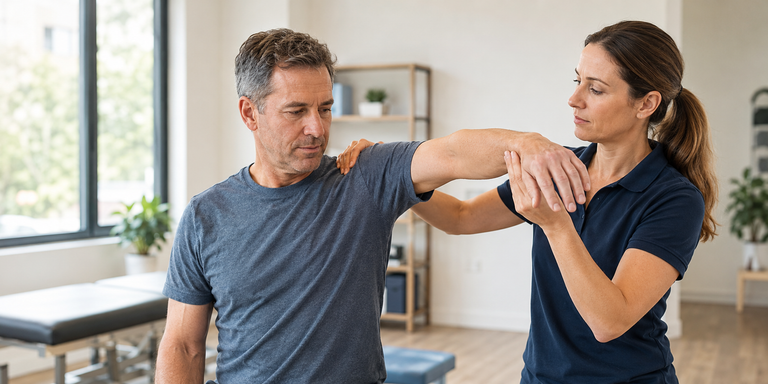
- Hands-on therapy for pain relief
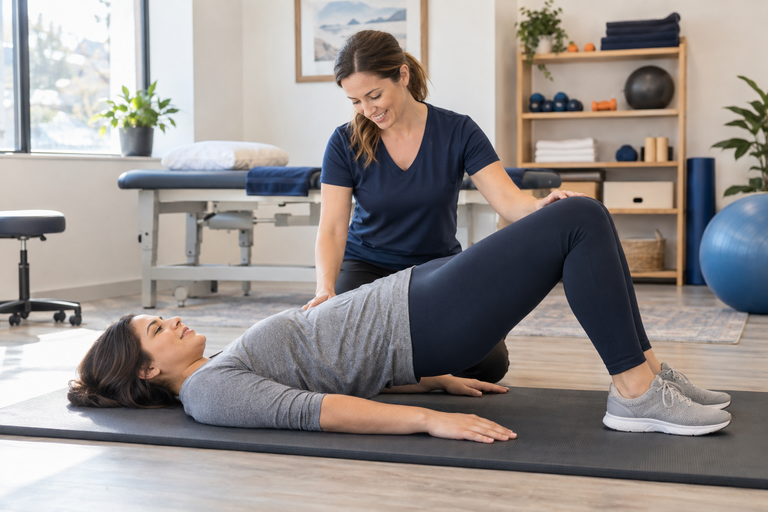
- Targeted strengthening and flexibility exercises
- Education on body mechanics and workplace ergonomics
- Gradual return-to-work programs designed for your job requirements
Our goal is simple: to help you get back to work safely, confidently, and stronger than before.
For Employers and Case Managers
We know how important it is for employers to have healthy, reliable team members. Reform PT partners with local businesses, case managers, and insurers to make the process smooth and efficient. Our team communicates progress clearly and works with all parties to ensure patients can return to work safely and without unnecessary delays.
Let’s Get You Back on Your Feet
If you’ve been injured at work and are navigating the workers’ comp process, you don’t have to do it alone. We accept workers’ compensation patients and can often schedule your first appointment within a day.
Work shouldn’t hurt—let us help you move, recover, and thrive.
Ready to Get Back to Work?
Work injuries can feel overwhelming, but recovery doesn’t have to be. At Reform Physical Therapy, we make it simple: one-on-one care, fast scheduling, and a plan designed to get you back to work safely and stronger than before.
Schedule your workers’ comp appointment today!
More from our blog
7 Signs It’s Time to See a Physical Therapist
Many people assume physical therapy is only necessary after surgery or a serious injury. They wait for their pain to become severe, hoping it will eventually disappear on its own. Sometimes minor soreness does improve with a little rest. However, pain that keeps returning, changes how you move, or prevents you from doing normal activities… Read More
Returning to Exercise After a C-Section: Where Should You Start?
Returning to exercise after a C-section can feel confusing. You may be eager to move your body again, but unsure what is safe. Your incision may look healed on the outside while the deeper tissues are still recovering. You may also notice weakness, pulling, numbness, pressure, leaking, back pain, or a general feeling that your… Read More
Why Kegels Can Sometimes Make Pelvic Pain Worse
Kegel exercises are often recommended for bladder leakage, pelvic floor weakness, pregnancy recovery, and other pelvic health concerns. However, it’s important to know about the relationship between Kegels and pelvic pain, because Kegels are not the right starting point for everyone. If your pelvic floor muscles are already tight, overactive, painful, or unable to relax… Read More
Why the Bottom of Your Foot Hurts With Your First Steps
You get out of bed, place your foot on the floor, and feel a sharp pain near your heel or through the bottom of your foot. After walking for a few minutes, the discomfort may begin to ease. However, it can return after sitting, driving, exercising, or spending a long time on your feet. Foot… Read More
Why Your Knee Hurts When Going Downstairs
Walking downstairs may seem like a simple task, but it places a surprising amount of demand on your knees. Each time you step down, the muscles around your hip and knee must control your body weight while your knee bends. If those muscles are weak, the kneecap is irritated, the joint is stiff, or your… Read More
Shoulder Impingement or Rotator Cuff Tear: How Can You Tell?
Shoulder pain can make lifting, reaching, sleeping, working, and exercising difficult. When pain appears along the front or outside of the shoulder, many people wonder whether they have shoulder impingement or a rotator cuff tear. These conditions can feel very similar. Both may cause pain when lifting your arm, reaching overhead, getting dressed, or lying… Read More