


pelvic floor dysfunction
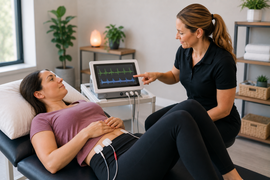
Pelvic Floor Biofeedback
Pelvic floor biofeedback is a tool used during pelvic floor physical therapy to help you better understand how your pelvic floor muscles are working. Pelvic floor muscles are different from muscles in your arms or legs. You cannot easily look at them while you exercise. Because of this, it can be difficult to know whether… Read More

Bowel Dysfunction
Bowel dysfunction can make something as routine as using the bathroom feel stressful, uncomfortable, or unpredictable. You may struggle with constipation, frequent straining, difficulty completely emptying your bowels, sudden urgency, or accidental bowel leakage. These symptoms can have many causes. Sometimes the digestive system is responsible. In other cases, the pelvic floor muscles may be… Read More
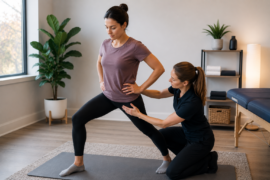
Pelvic or Genital Pain
Pelvic or genital pain can be uncomfortable, frustrating, and sometimes difficult to talk about. Pain may occur around the pelvis, groin, perineum, vulva, vagina, penis, testicles, rectal area, lower abdomen, or tailbone. Some people experience symptoms only during certain activities, while others have discomfort throughout the day. Pain may feel like aching, burning, pressure, tightness,… Read More
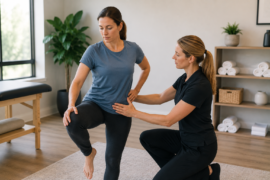
Pelvic Pain
Pelvic pain can affect everyday activities in ways that are difficult to ignore. Sitting, walking, exercising, using the bathroom, working, sleeping, or sexual activity may become uncomfortable. Pain can be sharp, aching, burning, cramping, or feel more like pressure or heaviness. The pelvis contains muscles, joints, nerves, connective tissues, and several organs. Because so many… Read More
Chronic Pelvic Pain Syndrome and Prostatitis-Like Symptoms
Chronic pelvic pain syndrome can cause ongoing or recurring discomfort in the pelvis, groin, perineum, genitals, lower abdomen, or lower back. Some men also experience urinary urgency, frequent urination, discomfort with sitting, bowel changes, or pain during or after ejaculation. These symptoms are sometimes described as feeling like prostatitis. However, chronic pelvic pain syndrome, also… Read More
The Pelvic Floor Problems Men Are Often Embarrassed to Discuss
Posted by: in Men's Health on June 20, 2026
When people hear the term “pelvic floor therapy,” they often assume it is only for women. In reality, men have pelvic floor muscles too, and pelvic floor dysfunction can affect men of all ages. Unfortunately, many men suffer in silence because they feel embarrassed discussing symptoms that involve bladder function, bowel habits, pelvic pain, or… Read More

“I Thought It Was Normal” Symptoms You Should Not Ignore
Posted by: in Physical Therapy Education on June 10, 2026
“I thought it was normal.” There are some symptoms you should not ignore, even if they seem minor at first. Many people live with discomfort because they assume it is a normal part of aging, stress, pregnancy, or everyday life. The truth is that many symptoms you should not ignore can be early warning signs… Read More

Pelvic Floor Physical Therapy for Perimenopause and Menopause
Posted by: in Pelvic Health on June 4, 2026
Perimenopause and menopause bring major changes to the body, yet many women are never fully prepared for what to expect. While hot flashes and mood swings are commonly talked about, symptoms related to pelvic floor health are often overlooked or dismissed as “just part of aging.” Pelvic floor physical therapy for menopause can offer support… Read More
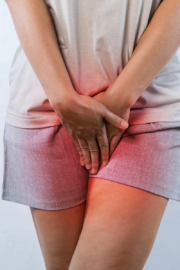
Why You Feel Pressure “Down There” After Standing All Day
Posted by: in Pelvic Health on May 27, 2026
If you’ve ever gotten home after a long shift and felt a heavy, achy, or uncomfortable pressure “down there,” you are not alone. Many women experience pelvic pressure after standing for long periods of time, especially after workdays spent on their feet. Hair stylists, nurses, teachers, retail workers, moms, dental hygienists, warehouse employees, and healthcare… Read More