


How to Stay Injury-Free During Maine’s Snow Shoveling Season
Posted by: Reform Physical Therapy in Seasonal Injury Prevention on February 6, 2026
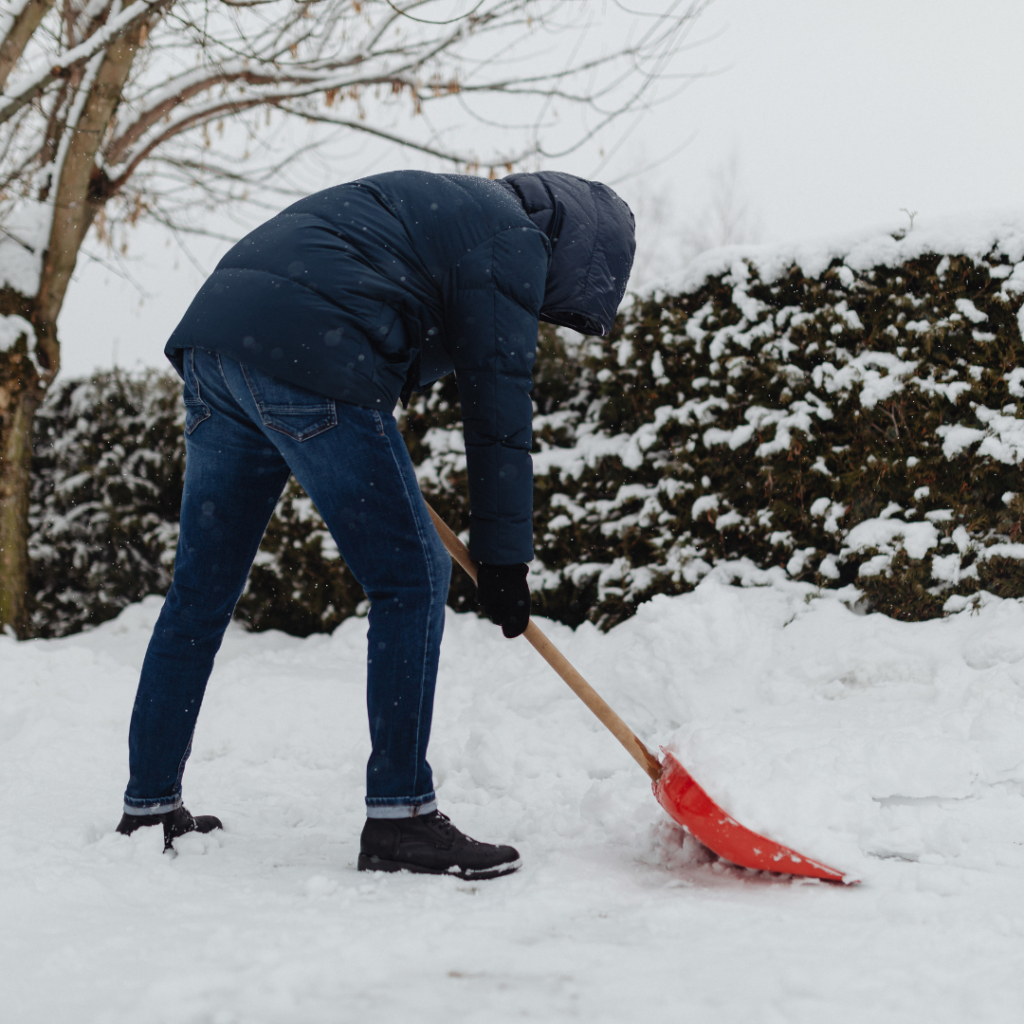
Maine winters are beautiful — but they also bring some of the highest rates of snow shoveling injuries in the country. Cold temperatures, heavy snow, and repetitive bending can quickly strain your back, shoulders, and core. The good news? A few simple habits can help you stay safe, move comfortably, and protect your body all season long.
Below is your complete guide to staying injury-free during Maine’s snow shoveling season.
Why Snow Shoveling Injuries Are So Common in Maine
Snow shoveling combines lifting, twisting, bending, and pushing — all while your body is cold and stiff. When muscles aren’t warmed up, they’re more vulnerable to strains and overuse injuries. Heavy or wet snowfall makes the risk even higher, especially for the lower back and shoulders.
Common snow shoveling injuries include:
- Lower back strains
- Shoulder or upper-back pain
- Elbow tendon irritation
- Hip or groin strains
- Tightness in the neck
- Slips and falls on icy surfaces
Understanding why these issues happen is the first step toward preventing them.
How to Warm Up to Prevent Snow Shoveling Injuries
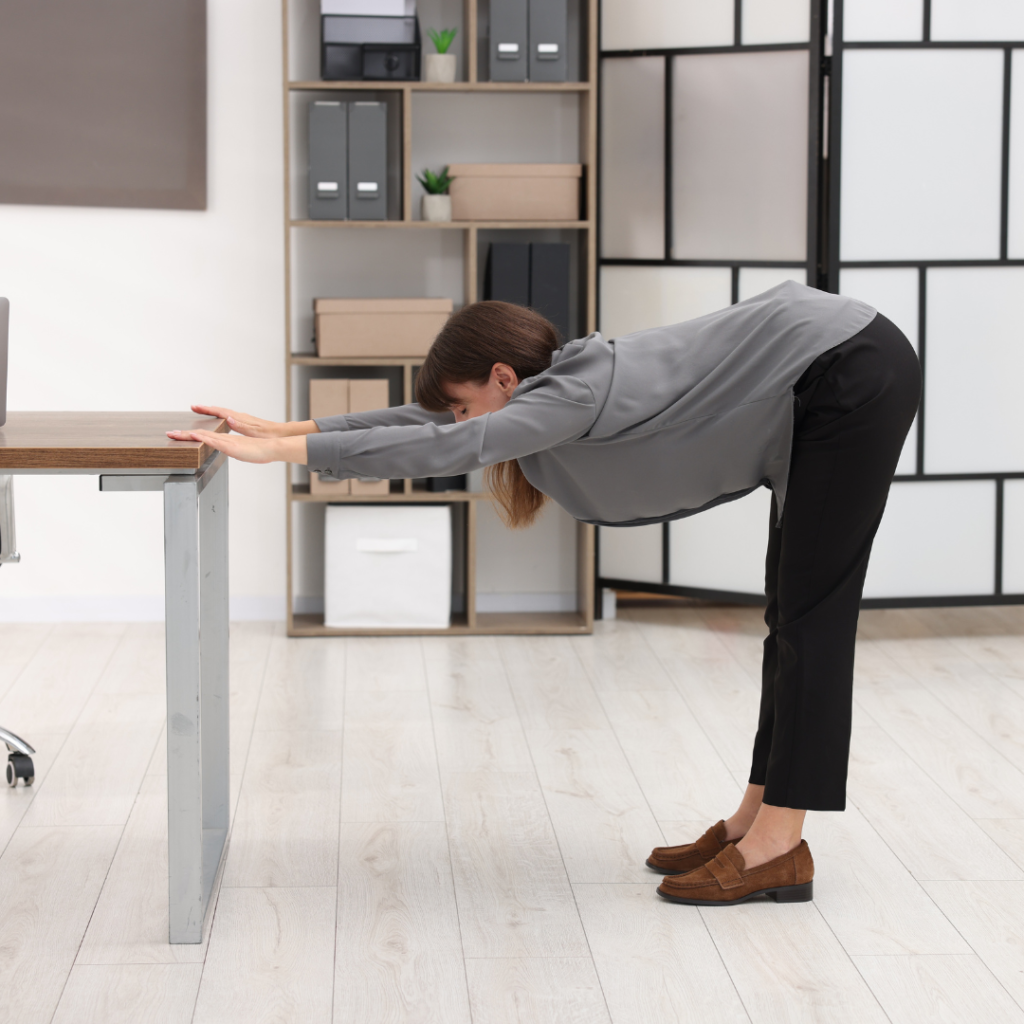
Warming up for 3–5 minutes before stepping outside can dramatically reduce injury risk. Think of it as preparing your muscles for the work ahead.
Try these simple warm-ups:
- March in place for 30–60 seconds
- Gentle trunk rotations to wake up spine mobility
- Shoulder rolls to loosen the upper body
- Hip hinges to practice proper lifting form
- Light stretching for the legs, arms, and core
Even a short warm-up increases circulation and makes your body more resilient to cold temperatures.
Safe Snow Shoveling Tips for Protecting Your Back
Small adjustments can make a huge difference in preventing lower-back pain. According to the Mayo Clinic lifting safety tips, keeping the load close to your body and avoiding twisting reduces strain on the lower back.
Use these back-friendly tips:
- Keep the shovel close to your body
- Hinge at your hips, not your low back
- Bend with your knees, not your spine
- Push the snow when possible instead of lifting
- Take smaller loads — don’t overload the shovel
- Move slowly and avoid jerking or twisting movements
The more you keep your spine aligned, the less strain you’ll place on it.
Proper Shoveling Form to Avoid Winter Injuries
Good form is your best defense.
Follow these movement guidelines:
- Keep your feet hip-width apart for support
- Step to the side instead of twisting at the waist
- Switch which hand leads on the shovel every few minutes
- Keep your core gently engaged as you lift
- Don’t toss snow over your shoulder — turn your whole body instead
If the snow is deep or heavy, work in layers rather than trying to lift everything at once.
When to Take Breaks to Prevent Overuse
Your body will tell you when it needs rest — and listening to it prevents injuries.
Take a break when:
- You feel your back tightening
- Your shoulders start to fatigue
- You’re breathing heavily
- The snow is unusually wet or heavy
- You’ve been shoveling for 15–20 minutes straight
Pausing to warm up your hands, stretch, or walk around resets your muscles and reduces strain.
How Physical Therapy Helps After a Snow Shoveling Injury
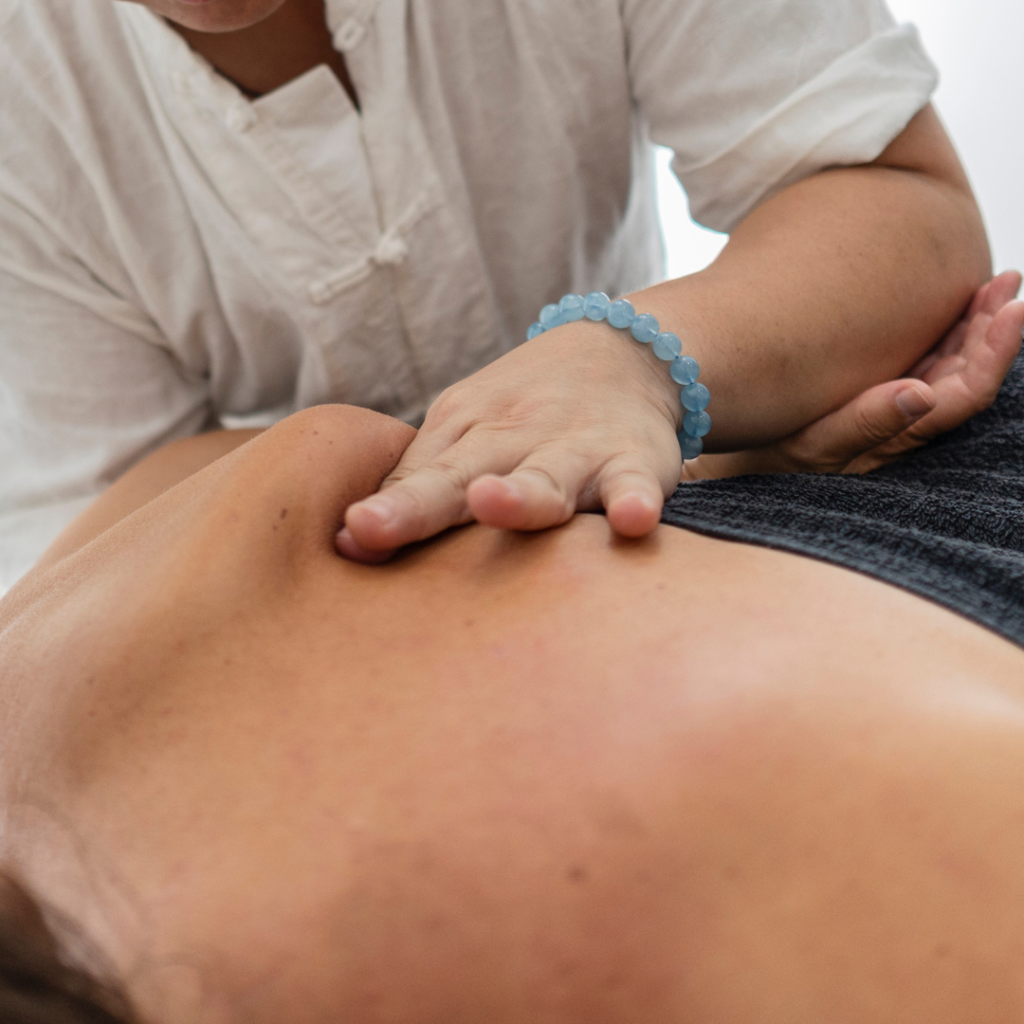
If you do experience pain after shoveling, physical therapy can help you recover quickly and prevent it from turning into a bigger issue.
PT can help with:
- Lower back strains
- Shoulder or upper-back pain
- Mobility limitations
- Weakness or stiffness from overuse
- Improving form and movement patterns
A therapist will assess what happened, identify any underlying limitations, and build a personalized plan to help you get back to pain-free movement.
FAQ: Snow Shoveling Injury Prevention
Stay Safe This Winter
If snow shoveling has left you stiff, sore, or struggling with pain, we’re here to help. Reform Physical Therapy offers one-on-one care to treat pain, improve strength, and help you move confidently all winter long.
Book an appointment at your nearest Reform PT clinic for personalized support.