


How Physical Therapy Helps With Knee Pain
Posted by: Reform Physical Therapy in Patient Education on January 8, 2026
Knee pain can make everyday activities feel much harder than they should. Simple movements like walking, climbing stairs, standing up from a chair, or getting in and out of a car may become painful or frustrating. Many people try to rest through the pain or rely on medication, but those approaches often provide only short-term relief. Physical therapy for knee pain focuses on understanding why the pain is happening in the first place. Instead of masking symptoms, physical therapy works to improve movement, strengthen the muscles that support the knee, and reduce stress on the joint. With the right treatment plan, many people are able to return to daily activities with less pain and more confidence.
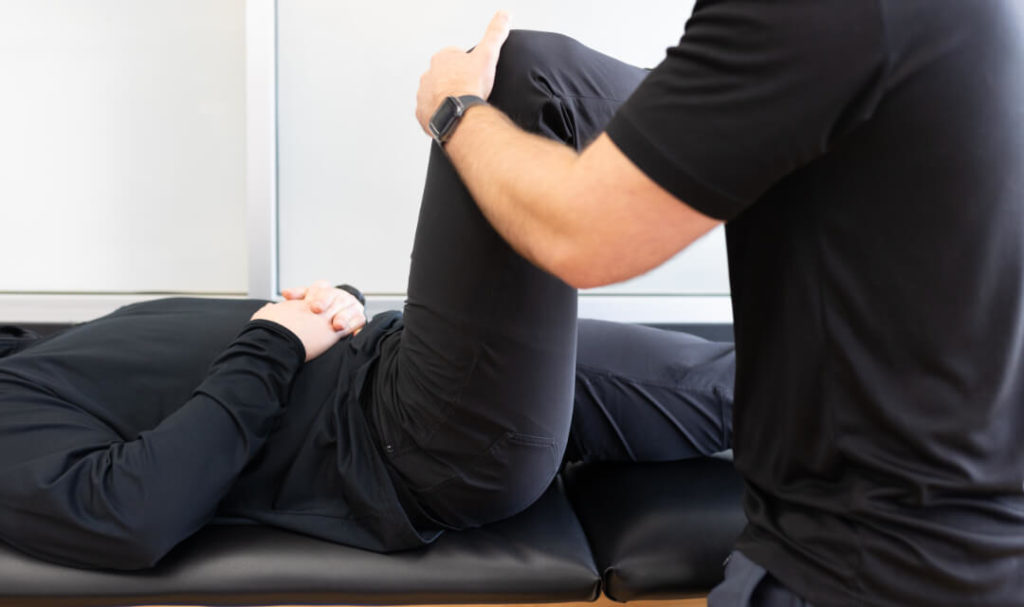
Common Causes of Knee Pain Physical Therapy Treats
Knee pain can develop for many reasons, and it often involves more than just the knee itself. Overuse, sudden injury, arthritis, muscle weakness, and poor movement habits can all contribute to discomfort. In some cases, tight muscles in the hips or legs place extra strain on the knee joint. A physical therapist looks at how the entire body moves, not just where the pain is located. By evaluating strength, flexibility, balance, and alignment, they can identify the underlying issues that may be contributing to knee pain.
Knee Pain Relief Through Physical Therapy
One of the main goals of physical therapy is to reduce unnecessary stress on the knee. When the knee is overloaded or moving improperly, irritation and pain can increase over time. Through guided exercises and movement strategies, physical therapy helps improve how forces are distributed through the knee joint. As movement becomes more efficient, pain often decreases and activities feel easier.
How Physical Therapy for Knee Pain Builds Strength and Support
Weak muscles around the knee—especially in the hips, thighs, and core—can make the joint work harder than it should. This added strain often leads to pain or recurring injuries. Physical therapy for knee pain focuses on strengthening these supporting muscles so the knee is better protected during movement. Stronger muscles help absorb impact, improve stability, and reduce pressure on the joint during daily activities.
Improving Mobility and Flexibility for Knee Pain Relief
Stiffness in the knee or surrounding muscles can limit movement and increase discomfort. Tight muscles may pull the joint out of alignment or restrict normal motion. Physical therapy helps improve flexibility and joint mobility through gentle stretching and movement exercises. As mobility improves, the knee can move more smoothly, which often leads to less pain and better overall function.
Correcting Movement Patterns
How you walk, squat, climb stairs, or lift objects can greatly affect knee pain. Poor movement habits may place extra stress on the knee without you realizing it. Physical therapists teach safer, more efficient ways to move that protect the knee joint. Small changes in movement patterns can have a big impact on reducing pain and preventing future problems.
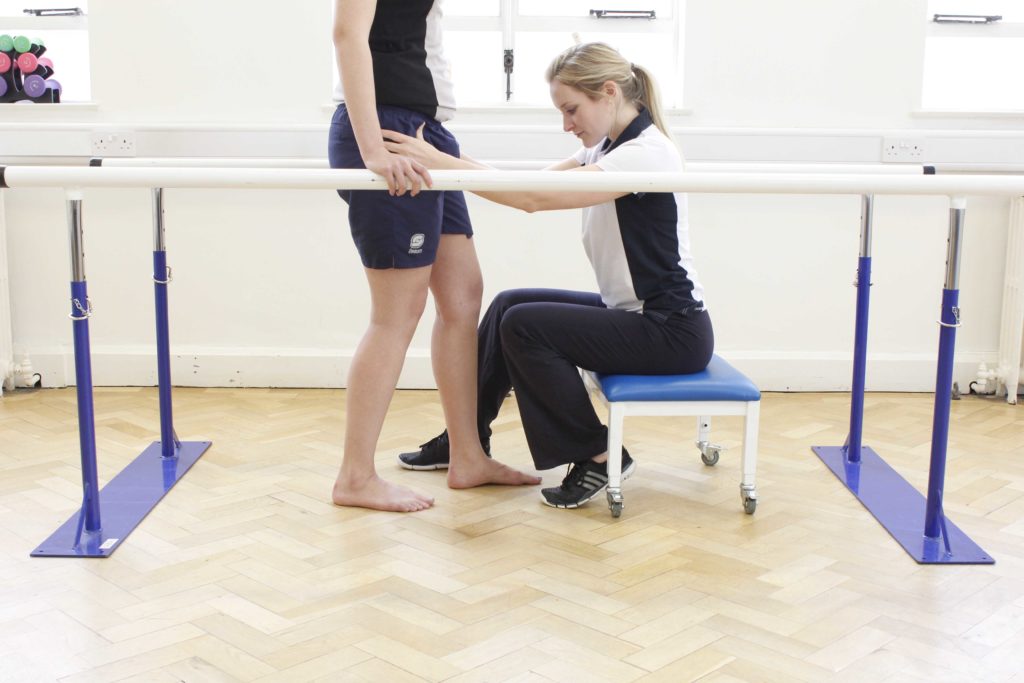
Supporting Recovery After Injury or Surgery
After a knee injury or surgery, the body needs proper guidance to heal correctly. Without structured rehabilitation, stiffness, weakness, or fear of movement can slow recovery. Physical therapy plays a key role in restoring strength, range of motion, and confidence. A personalized treatment plan helps ensure recovery happens safely while reducing the risk of reinjury.
Preventing Future Knee Pain
Physical therapy does not just focus on current pain. It also helps prevent future knee problems by improving strength, balance, and movement habits. Patients learn exercises and strategies they can continue at home to protect their knees during work, exercise, and daily life. This long-term approach supports healthier movement and lasting relief.
How Reform Physical Therapy Can Help
At Reform Physical Therapy, we provide one-on-one care designed to address your specific knee pain and goals. Our therapists take the time to understand how your knee pain affects your daily life and create a plan tailored to your needs. Whether your knee pain is new, ongoing, or related to an injury or surgery, physical therapy can help you move more comfortably and confidently.
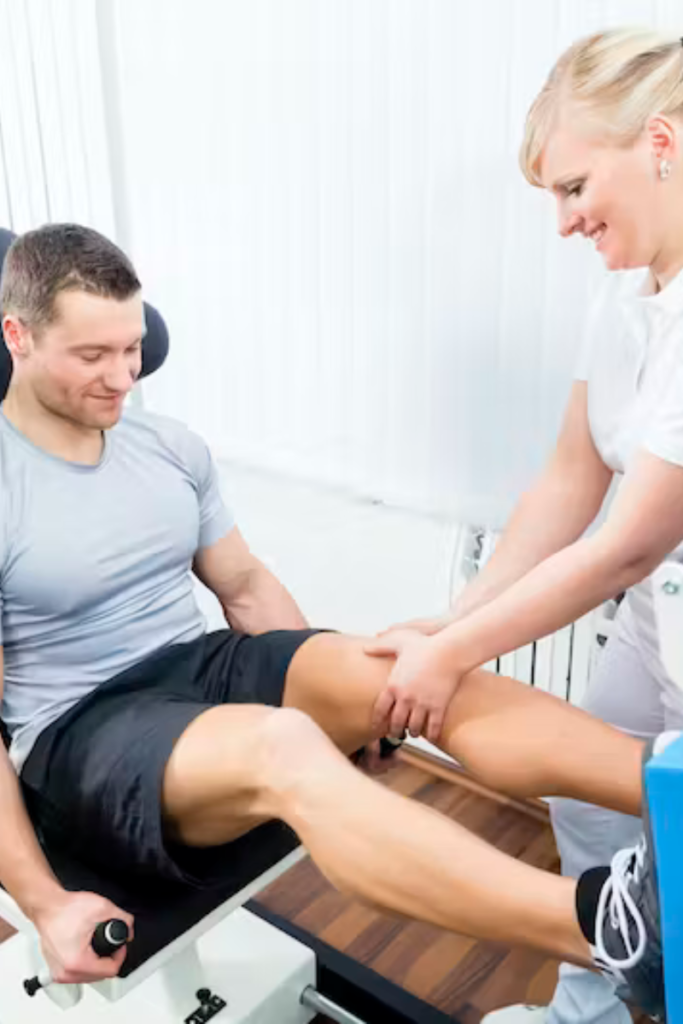
Knee pain does not have to control your daily routine. Ready to be seen? Contact Reform Physical Therapy to schedule an evaluation and learn how physical therapy for knee pain can help you move better and feel stronger.
RELATED BLOG POSTS:
- Why Balance Training Reduces Fall Risk by Up to 40%
- Signs You May Benefit From Pelvic Floor Physical Therapy
- Mom Shoulder: Why Lifting Kids Causes Shoulder Pain (and How PT Helps)
- Is It Sciatica or Just Tight Muscles? How to Tell the Difference
- How Physical Therapy Helps After a Total Knee Replacement